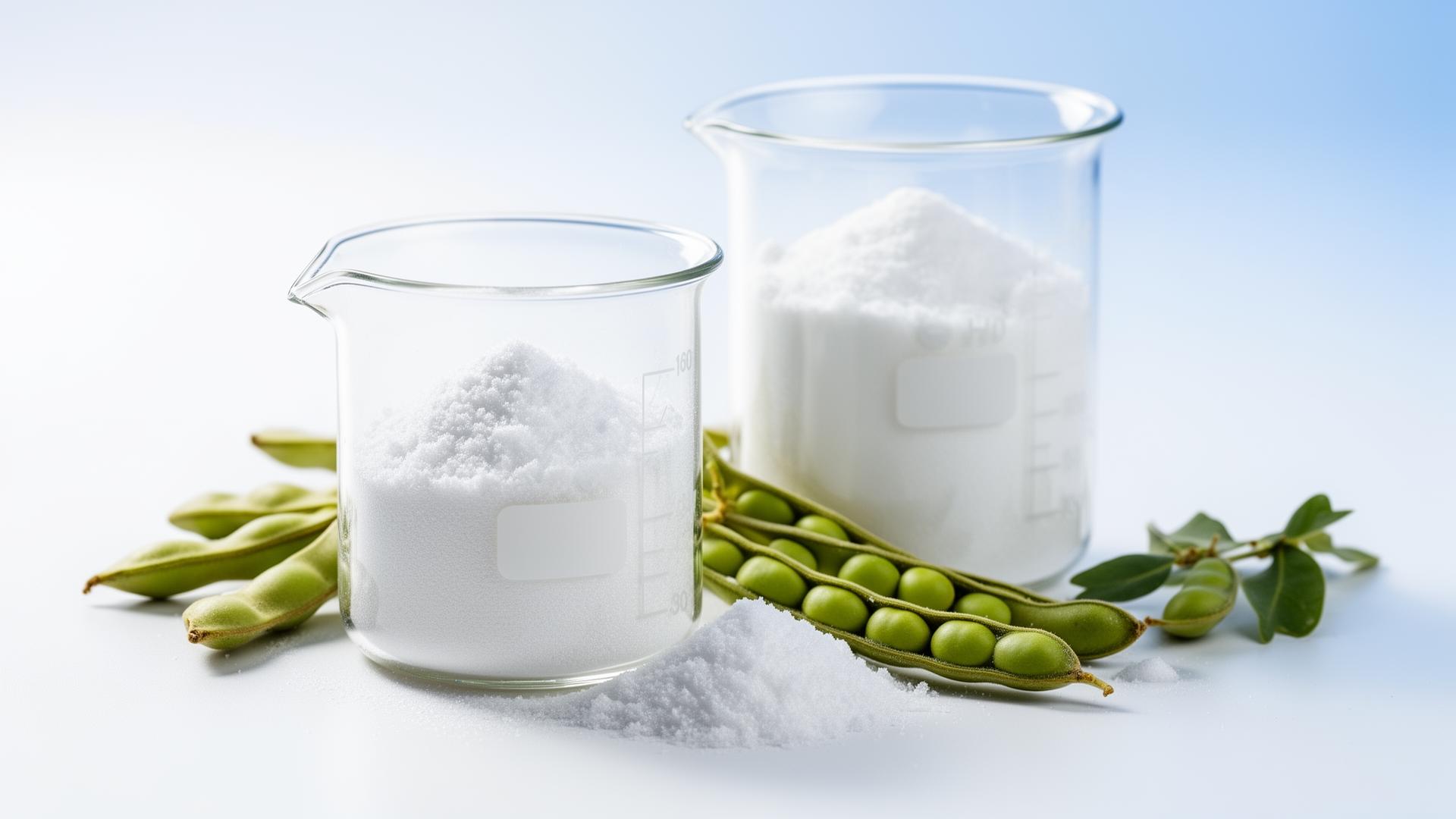
Sesbania Gum vs. Guar Gum: Choosing the Right Viscosifier for Deep-Well Oil Drilling
A technical comparison of Sesbania gum and guar gum as viscosifiers in deep-well oil drilling, examining thermal stability, alkaline resistance, and cost-efficiency in extreme down-hole conditions.
Last updated:
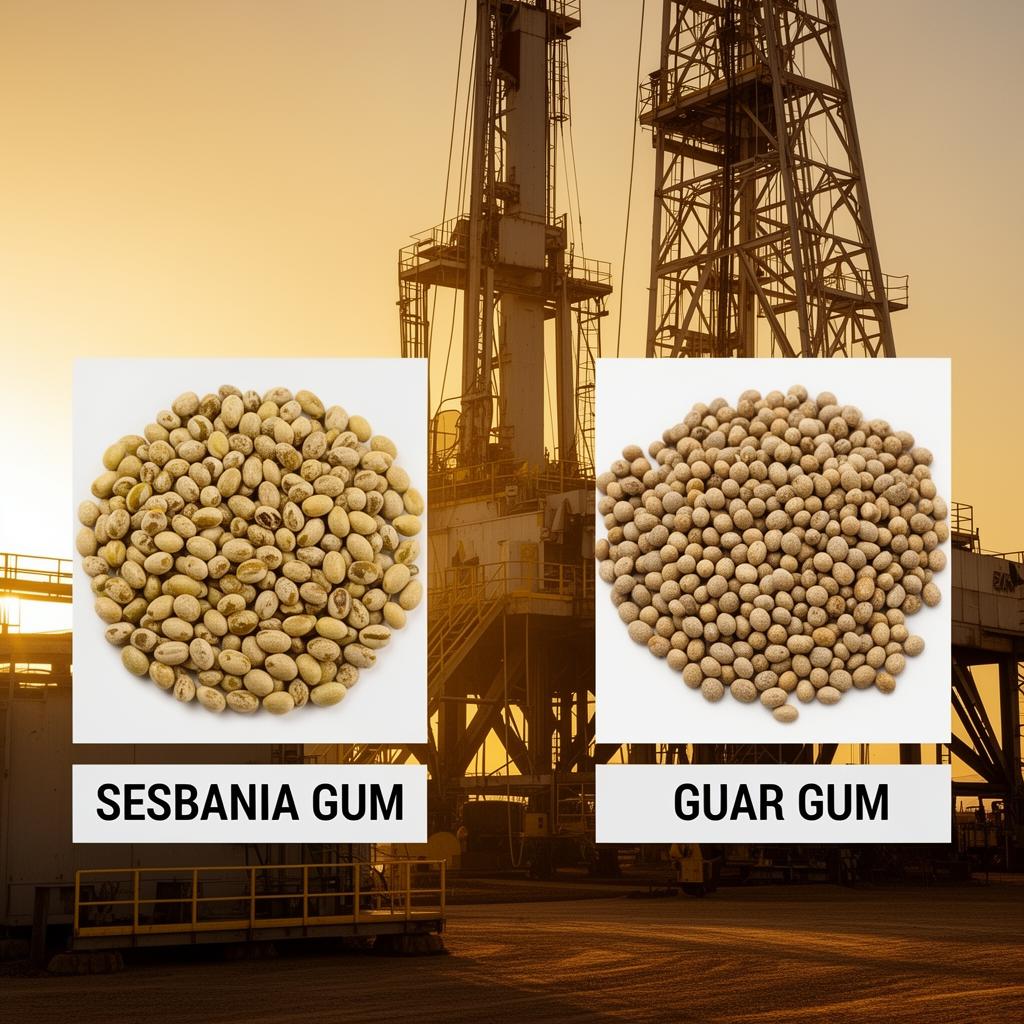
(Please note: Specific data regarding Sesbania cannabina maintaining viscosity up to 85°C and being five times more viscous than standard gums is not present in the provided sources, and you may want to independently verify that information. The provided sources do, however, detail the properties of Sesbania bispinosa—commercially known as daincha gum—and the exact limitations of guar gum in oilfield applications.)
In the highly demanding petrochemical sector, the choice of a viscosifier is dictated by the extreme thermal and chemical conditions of the wellbore. While guar gum has historically dominated the industry, alternative hydrocolloids like Sesbania gum are increasingly recognized for their superior performance in high-temperature, alkaline environments.

Deep-well drilling operations demand viscosifiers that withstand extreme temperatures and pressures.
The Baseline: Guar Gum's Role and Limitations
Guar gum and its chemical derivatives account for nearly 90% of all gelled fracturing fluids used in the oil and gas industry today. Extracted from the endosperm of the Cyamopsis tetragonolobus plant, native guar is a massive galactomannan polymer with a molecular weight of 1 to 2 million Daltons. Its molecular structure—a linear mannose backbone heavily branched with galactose—allows it to achieve tremendous viscosity through extensive hydrogen bonding via its cis-hydroxyl groups.
In drilling operations, guar gum acts as a critical suspending agent for bentonite clay in drilling muds and minimizes water loss into the surrounding rock formation.
However, native guar gum has significant limitations when subjected to the extreme conditions of deep-well drilling:
Thermal Degradation
Unmodified guar gum is thermally less stable at temperatures exceeding 100°C. Under prolonged exposure to excessive heat and high shear forces, the polymer chains undergo rapid depolymerization, drastically reducing the fluid's viscosity.
Chemical Sensitivity
While highly effective in neutral solutions, native guar solutions can be degraded by strong alkalis, acids, and oxidizing agents. To survive extreme down-hole conditions, the industry often has to rely on heavily chemically modified versions of guar, such as carboxymethylhydroxypropyl guar (CMHPG) paired with specialized high-pH zirconate or borate crosslinkers.
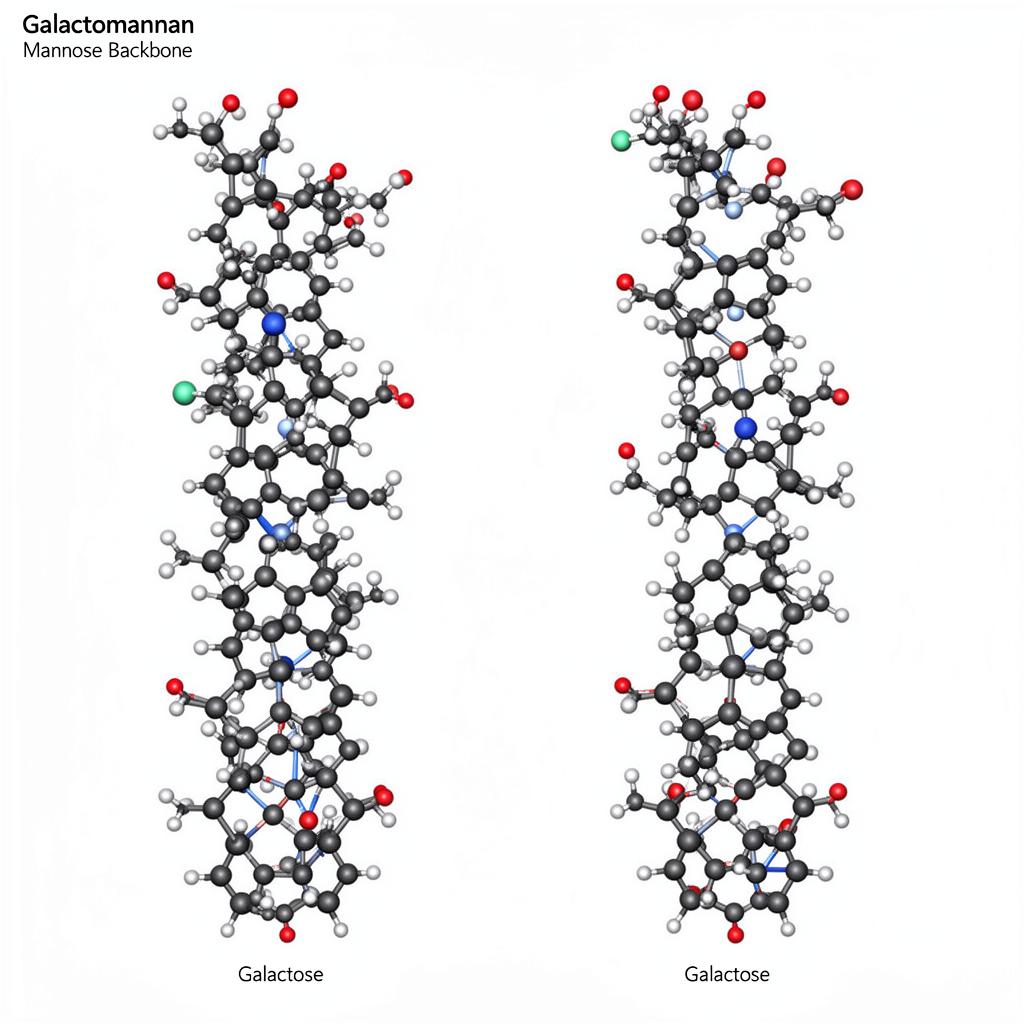
Both Sesbania and guar gum share the same fundamental galactomannan structure with a 2:1 mannose-to-galactose ratio.
The Sesbania Alternative for Challenging Formulations
To bypass the thermal and alkaline degradation of standard guar, drilling engineers are turning to robust alternatives like Sesbania gum. Sesbania cannabina is valued for maintaining high viscosity at temperatures up to 85°C and offering up to five times the viscosity of standard natural gums, which drastically improves cost-efficiency in large-scale operations.
Botanically and chemically, Sesbania belongs to the same family of galactomannan-producing plants as guar. Commercial Sesbania gum (often derived from the closely related wild annual herb Sesbania bispinosa, known industrially as daincha gum) possesses a mannose-to-galactose (M:G) ratio of 2:1, which is identical to guar gum.
Why Sesbania Aligns Better with Alkaline Muds and Bentonite
The superiority of Sesbania in specific high-stress drilling muds lies in how its polysaccharide chains interact with weighting agents and alkaline fluids.
Bentonite Suspension
Deep-well drilling muds rely heavily on bentonite, a highly purified, water-swellable smectite clay. Galactomannans are exceptionally highly efficient at binding to hydrophilic minerals like bentonite because their cis-hydroxyl pairs form strong, multi-center hydrogen bonds across the large surface area of the clay particles. A highly viscous and thermally stable polymer like Sesbania can effortlessly suspend these heavy clay particles without "breaking" under down-hole heat.
Alkaline Stability
Oilfield fluids are frequently pushed to high pH levels (often above pH 10) to activate crosslinkers and control fluid rheology. Because Sesbania is naturally more resilient to high pH and thermal breakdown, it requires lower dosage rates than standard native guar, which must be over-concentrated or chemically modified to survive similar alkaline and thermal environments.
Conclusion
Ultimately, as drilling pushes into deeper, hotter, and more chemically demanding geological formations, shifting from traditional guar gum to highly viscous, temperature-resistant alternatives like Sesbania gum ensures reliable proppant suspension, prevents fluid loss, and dramatically improves operational cost-efficiency.