What is Guar Gum? The Ultimate Guide to Uses, Benefits & Industry Applications
A comprehensive guide to guar gum (E412, guaran, galactomannan): its origins, chemistry, manufacturing, industrial applications, and health benefits — by B D Guar, manufacturers since 1983.
Last updated:
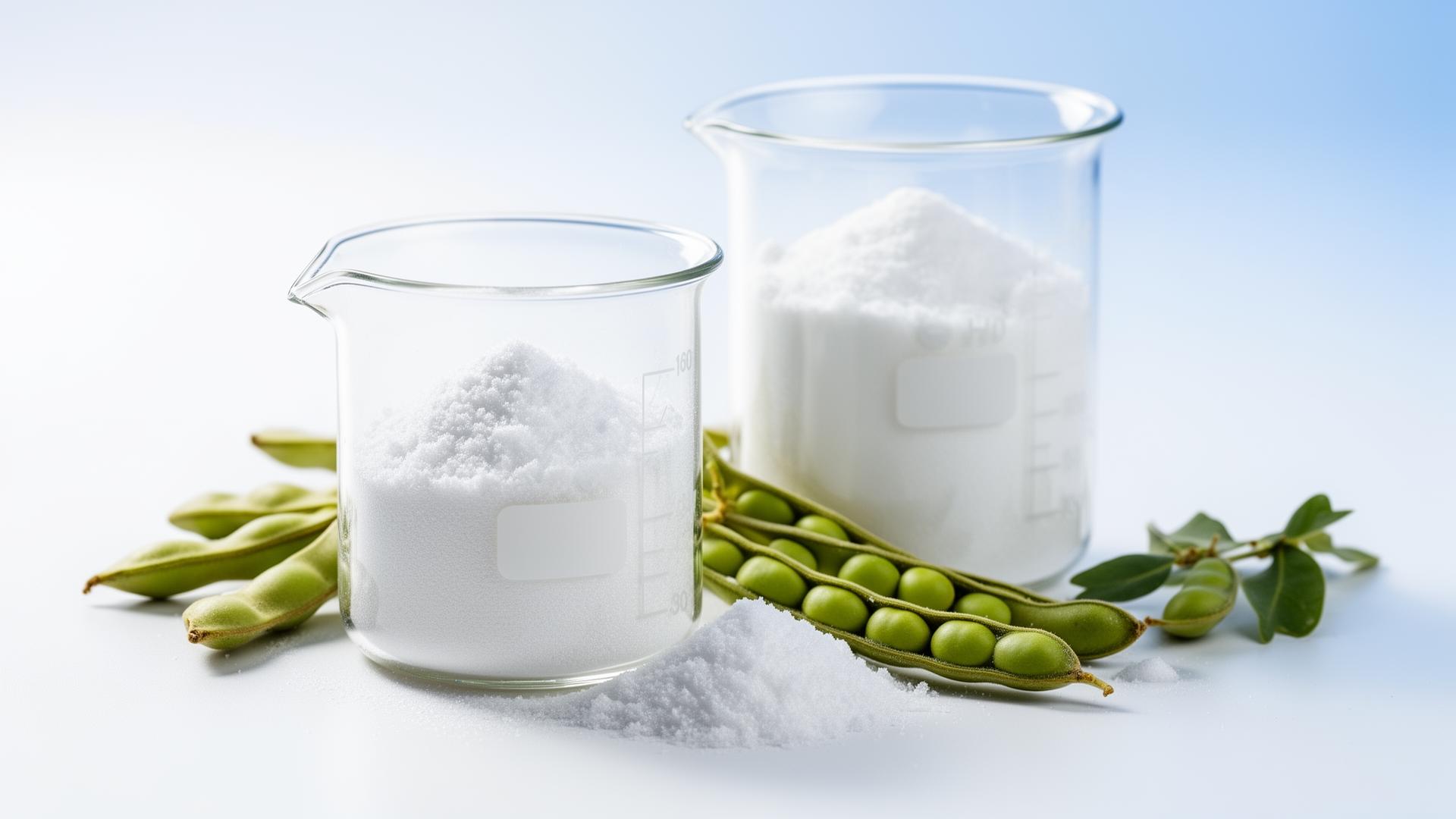
Quick Answer: Guar Gum (E412, guaran, CAS 9000-30-0) is a natural galactomannan polysaccharide extracted from the endosperm of the guar plant (Cyamopsis tetragonoloba). With a molecular weight of 1–2 million Daltons and a 2:1 mannose-to-galactose ratio, it hydrates rapidly in cold water to deliver exceptional viscosity at very low dosages — making it a critical hydrocolloid in food, oil & gas, cosmetics, pharmaceuticals, mining, and construction. India and Pakistan produce roughly 90% of global supply.
Research Overview: Whether you are scanning the ingredient list of a gluten-free bread, analyzing a silky hair conditioner, or studying the fluid mechanics of modern oil extraction, you will encounter one remarkably versatile ingredient: Guar Gum (E412, guaran, galactomannan, goma guar, 瓜尔胶, صمغ الغوار). Despite its ubiquity across dozens of global industries, the question persists — what exactly is guar gum, and why is it so important? This guide compiles the origins, chemical structure, manufacturing pipeline, industrial applications, and clinical health benefits of the world's most-traded natural hydrocolloid, drawing on B D Guar's four decades of manufacturing experience since 1983.
What is Guar Gum? The Origins
Guar gum (also known as guaran, goma guar, or cluster bean gum) is a naturally occurring, non-ionic polysaccharide extracted from the seed endosperm of the guar plant, botanically known as Cyamopsis tetragonoloba (or Cyamopsis psoraloides).
The guar plant is a drought-resistant, nitrogen-fixing annual legume that thrives in semi-arid regions with ample sunshine. While it has been introduced to the United States, Australia, and Africa, the global supply chain is heavily anchored in the Indian subcontinent. Today, India and Pakistan produce approximately 90% of the world's guar gum, with the Indian state of Rajasthan serving as the primary hub for cultivation and processing.
Historically, the guar plant was cultivated as a vegetable for human consumption and as a protein-rich feed for cattle. However, the discovery of its potent gelling and thickening properties during World War II transformed it into a highly sought-after industrial commodity.
The Chemistry: Why Does Guar Gum Work So Well?
To understand why guar gum is so effective, we have to look at its molecular structure. Guar gum is a galactomannan — a massive, linear polymer backbone composed of β(1→4)-linked D-mannopyranose units, with single α(1→6)-linked D-galactopyranose branches attached as side chains.
- The 2:1 Ratio (M:G): Approximately one galactose branch decorates every two mannose units. This branching pattern physically prevents the polymer chains from packing too tightly, making guar gum highly soluble in cold water.
- Massive Molecular Weight: Average molecular weight ranges from 1 to 2 million Daltons (g/mol), among the largest of any commercial polysaccharide.
- Hydrogen Bonding & "Superentanglement": Dense cis-hydroxyl pairs foster extensive hydrogen bonding with water. The long chains overlap and intertwine in a phenomenon known as superentanglement, building tremendous viscosity at concentrations as low as 1%.
How is Guar Gum Manufactured?
A guar seed consists of three parts: the outer hull or seed coat (14–17%), the protein-rich germ (43–47%), and the endosperm (35–42%). The prized galactomannan gum is located entirely within the endosperm.
- Splitting & Dehusking: Seeds pass through parallel plate grinders to crack them open, separating the soft germ from the endosperm halves (known as guar splits). The splits are briefly heated in a rotary kiln to loosen the tenacious outer hull.
- Hydration & Flaking: Purified splits are soaked in water and passed under heavy rollers to disrupt their tough cellular structure.
- Milling: Flaked splits are pulverized into a fine, free-flowing powder using hammer mills or ultrafine grinders, then sieved to specific mesh sizes (100–300 mesh) for commercial use.
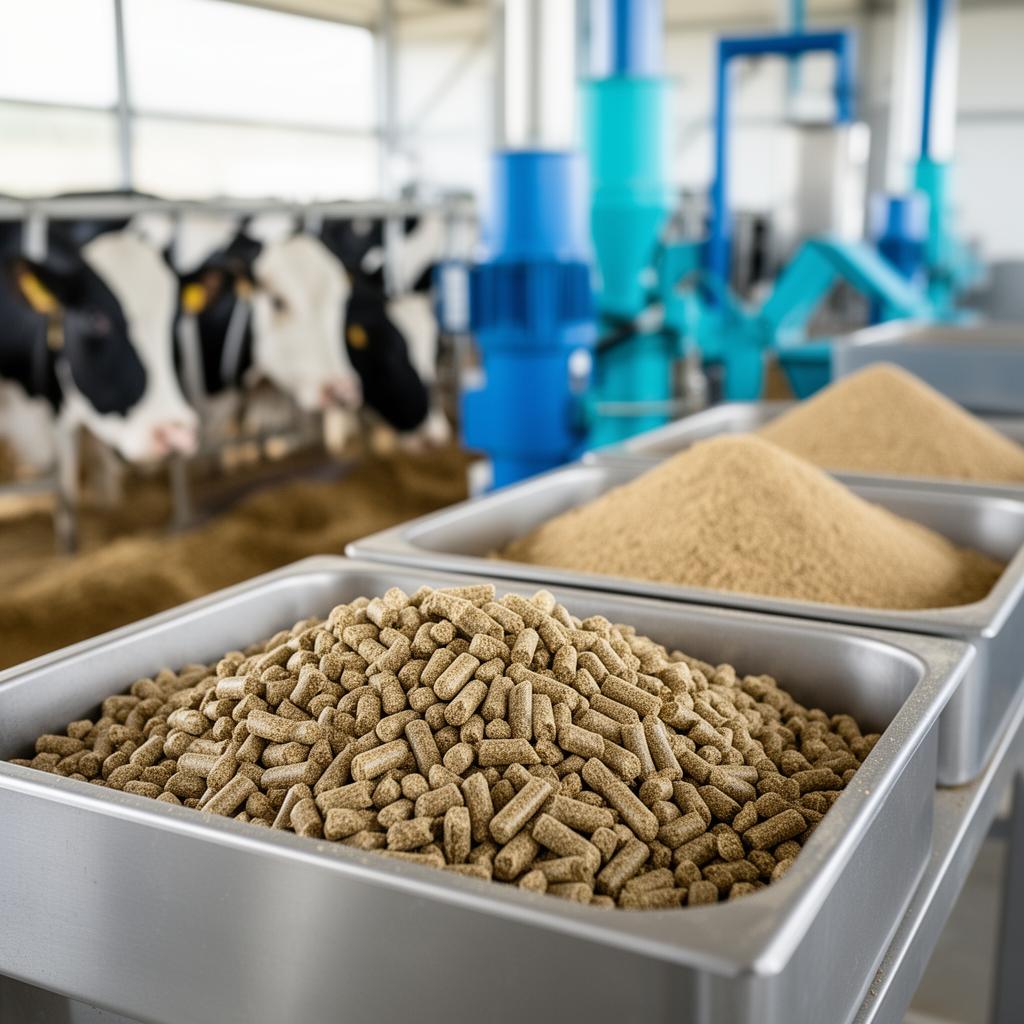
The protein-rich germ and hull by-products are not wasted: they are combined to create guar meal (Churi and Korma), a highly nutritious animal feed. Learn more in our deep dive on guar churi and high-protein livestock feed.
Major Industry Applications of Guar Gum
1. Food & Beverage Industry
Guar gum is approved globally as a Generally Recognized As Safe (GRAS) food additive (E412, FDA 21 CFR 184.1339). It manages moisture, stabilizes emulsions, and delivers a creamy mouthfeel without heat activation.
- Gluten-Free Baking: Replicates the elasticity of gluten, improving dough volume, retaining moisture, and extending shelf life of breads and pastries.
- Dairy & Frozen Foods: Stabilizes ice creams and yogurts, prevents syneresis (water separation), and retards ice-crystal growth during freeze-thaw cycles.
- Sauces & Dressings: A cold-water-dispersible thickener that prevents oil/water separation in ketchup, mayonnaise, and salad dressings.
See full specifications on our Food Grade Guar Gum page.
2. Oil & Gas (Hydraulic Fracturing)
Surprisingly, the largest consumer of guar gum is the petrochemical sector — consuming up to 60–70% of global supply. In hydraulic fracturing, high-pressure fluids are pumped underground to crack open shale rock. Fast Hydrating Guar Gum (FHGG) instantly thickens this fluid to a gel-like consistency, suspending and carrying "proppants" (heavy sand) deep into rock fractures to wedge them open. Explore our Oil Drilling Guar Gum grades.
3. Cosmetics and Personal Care
The beauty industry has embraced guar gum as consumers demand natural, sustainable ingredients. While native guar acts as a thickener, chemically modified Cationic Guar (Guar Hydroxypropyltrimonium Chloride) is a game-changer. Its positive charge binds electrostatically to negatively charged, damaged hair and skin — delivering conditioning, detangling, and anti-static performance in shampoos, shaving creams, and lotions.
4. Pharmaceuticals and Healthcare
In drug manufacturing, guar gum serves as an effective binder and disintegrant for solid tablets. Because it resists stomach acid but is rapidly degraded by colonic microflora, it is heavily utilized in colon-targeted drug delivery systems.
5. Mining, Construction & Paper
- Mining: Acts as a flocculant and depressant in the froth flotation of ores, binding worthless gangue minerals (silica, talc) so valuable metals like gold, copper, and zinc are cleanly separated.
- Explosives: A gelling and water-blocking agent for ammonium nitrate slurry explosives, ensuring stability and detonability in wet environments.
- Construction: Modified guar (Hydroxypropyl Guar) is added to wall putty, tile adhesives, and cement to provide water retention, improve workability, and prevent sag on vertical surfaces.
Health and Nutritional Benefits
Beyond its technical applications, guar gum is a highly beneficial soluble dietary fiber. When consumed, it expands in the stomach, producing satiety that aids weight management. The viscous gel it forms in the digestive tract slows absorption of sugars and fats. Clinical studies show guar gum can attenuate post-prandial blood glucose and lower serum LDL cholesterol and triglycerides — a valuable dietary tool for metabolic health and diabetes management.
To prevent excessive thickening that can cause digestive discomfort, the health industry frequently utilizes Partially Hydrolyzed Guar Gum (PHGG) — an enzymatically degraded version that provides the fiber benefits without the high viscosity.
The 2026 Outlook: Regulation, Tariffs & Supply Chain
The 2026 landscape for the global guar gum market is being reshaped by three converging forces:
- Regulatory tightening: EU ETO-free residue limits and stricter heavy-metal thresholds (per EFSA E412 reviews) are pushing buyers toward fully audited Indian manufacturers with ISO 9001:2015 systems.
- Tariff realignment: Shifting US–China trade dynamics and Red Sea logistics disruptions have elevated freight risk, accelerating buyer interest in direct-from-origin sourcing through Mundra and Kandla ports.
- Supply-chain concentration: With ~90% of global production anchored in Rajasthan and Gujarat, monsoon performance and farmer-procurement programs now directly drive global hydrocolloid prices.
For deeper market context, see our live Guar Gum price & market analysis.
Related Resources
- Guar Gum vs Xanthan Gum: A Complete Comparison
- Technical Specifications: HICOL Guar Gum Grades
- Inside the Guar Gum Manufacturing Process
Frequently Asked Questions
What is guar gum made from?
Guar gum is made from the endosperm of the guar bean (Cyamopsis tetragonoloba), a drought-resistant legume primarily grown in Rajasthan, India. The endosperm is mechanically separated, hydrated, flaked, and milled into a fine off-white powder.
Is guar gum safe to eat?
Yes. Guar gum is recognized as a safe food additive (E412) by the US FDA (GRAS), EFSA, FSSAI, and JECFA. It is a soluble dietary fiber and is used in thousands of food products globally at low concentrations (typically <1%).
What is the difference between guar gum and xanthan gum?
Guar gum is a plant-derived galactomannan that hydrates in cold water and delivers high viscosity at low cost. Xanthan gum is a microbial fermentation product offering superior shear and pH stability. They are often used synergistically in gluten-free baking and salad dressings.
Why is guar gum so important in oil & gas?
In hydraulic fracturing, Fast Hydrating Guar Gum (FHGG) instantly gels fracturing fluid so it can suspend heavy proppant sand deep into shale rock fractures. The petrochemical industry consumes 60–70% of global guar gum supply.
What is Partially Hydrolyzed Guar Gum (PHGG)?
PHGG is an enzymatically depolymerized form of guar gum that delivers the prebiotic fiber benefits (improved gut microbiome, glycemic control, satiety) without the viscosity that can cause digestive discomfort. It is commonly used in clinical nutrition and supplements.
Where does most of the world's guar gum come from?
Approximately 90% of global guar gum originates from India and Pakistan, with Rajasthan as the dominant cultivation belt. B D Guar has manufactured guar gum from Kalol, Gujarat since 1983 with 12,000 MT annual capacity, exporting to 50+ countries.
Is guar gum gluten-free?
Yes. Guar gum contains no gluten and is widely used as a binder in gluten-free baking to replicate the elasticity and moisture retention that gluten normally provides.