Roasted Guar Korma: A High-Protein Soybean Meal Replacer
Roasted Guar Korma delivers 50-56% crude protein and thermally deactivated anti-nutritional factors, giving feed mills a Superior, cost-effective soybean meal replacer in 2026.
Last updated:
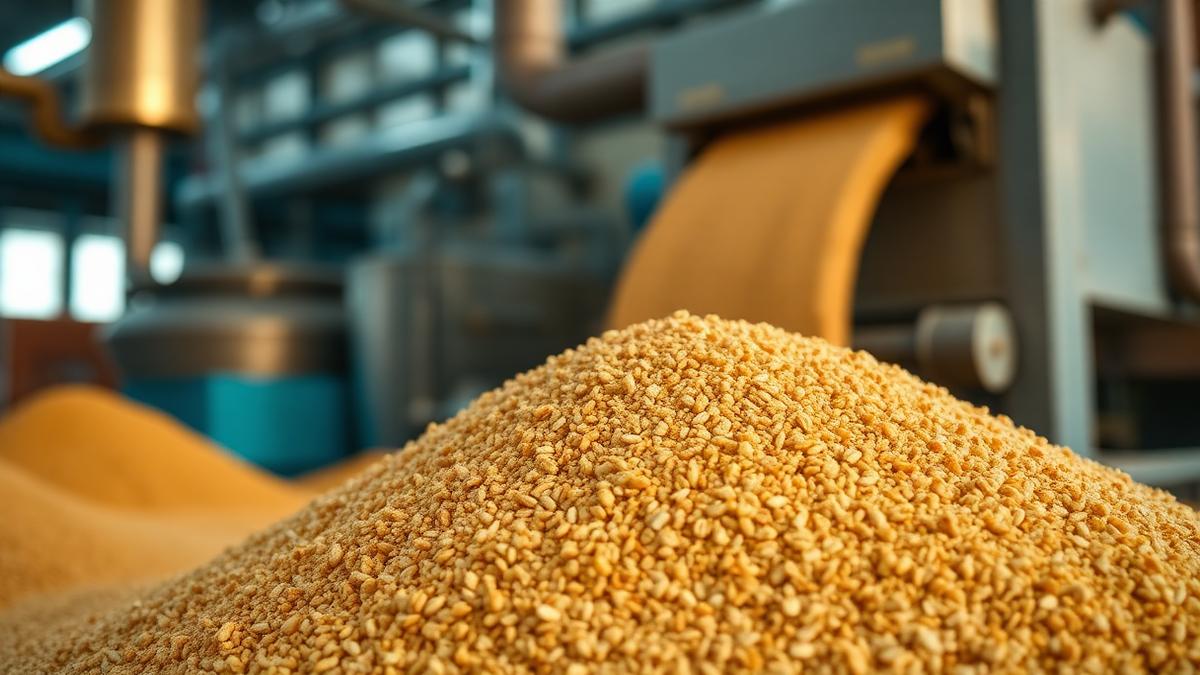
In the volatile 2026 global agricultural supply chain, Roasted Guar Korma has emerged as the definitive protein solution for feed mill nutritionists and procurement officers under pressure to secure reliable, sustainable feed. As traditional soybean meal and fishmeal commodities suffer from severe price inflation and mounting environmental scrutiny, this Superior botanical derivative delivers exceptional protein density and advanced thermal processing that ensures absolute digestibility, allowing modern livestock operations to maximize animal weight gain while drastically reducing overall formulation costs.
Research Overview: The 2026 Agricultural Protein Landscape
The 2026 global animal nutrition sector operates under immense macroeconomic and ecological pressure. Rising populations and an expanding middle class have driven demand for poultry, swine, and farmed-fish protein to record highs, while legacy soybean meal and ocean-harvested fishmeal face extreme price volatility, unpredictable yields, and sustainability rules targeting deforestation and ocean depletion. According to FAO projections, global feed protein demand continues to climb, and formulators have pivoted decisively toward specialized agricultural by-products such as Roasted Guar Korma.
The Nutritional Anatomy of a Superior Soybean Meal Replacer
For a feed ingredient to successfully replace soybean meal in commercial formulations, it must offer an uncompromising nutritional profile that supports rapid, healthy livestock growth. Roasted Guar Korma delivers exceptional metrics that satisfy the rigorous demands of 2026 animal feed standards.
Guar Korma originates from the industrial processing of the Cyamopsis tetragonoloba legume. When manufacturers fractionate the seed to isolate the endosperm for high-purity Guar Gum production, the protein-rich germ is preserved as a valuable co-product. The seed is composed of three primary botanical fractions, and understanding this split explains why Guar Korma is so nutrient-dense:
- Outer seed coat (hull): Roughly 14% to 17% of the seed, contributing fiber.
- Endosperm: Roughly 35% to 42% of the seed, isolated for the galactomannan Guar Gum polymer.
- Germ: Roughly 43% to 47% of the seed, containing the embryo and the majority of the plant's protein and lipids.
By isolating, milling, and thermally treating the germ fraction, processors create Roasted Guar Korma with a crude protein content of 50% to 56% — a figure that rivals or exceeds standard solvent-extracted soybean meal. This concentrated, non-GMO protein source provides a balanced amino acid profile suited to monogastric and ruminant diets alike.
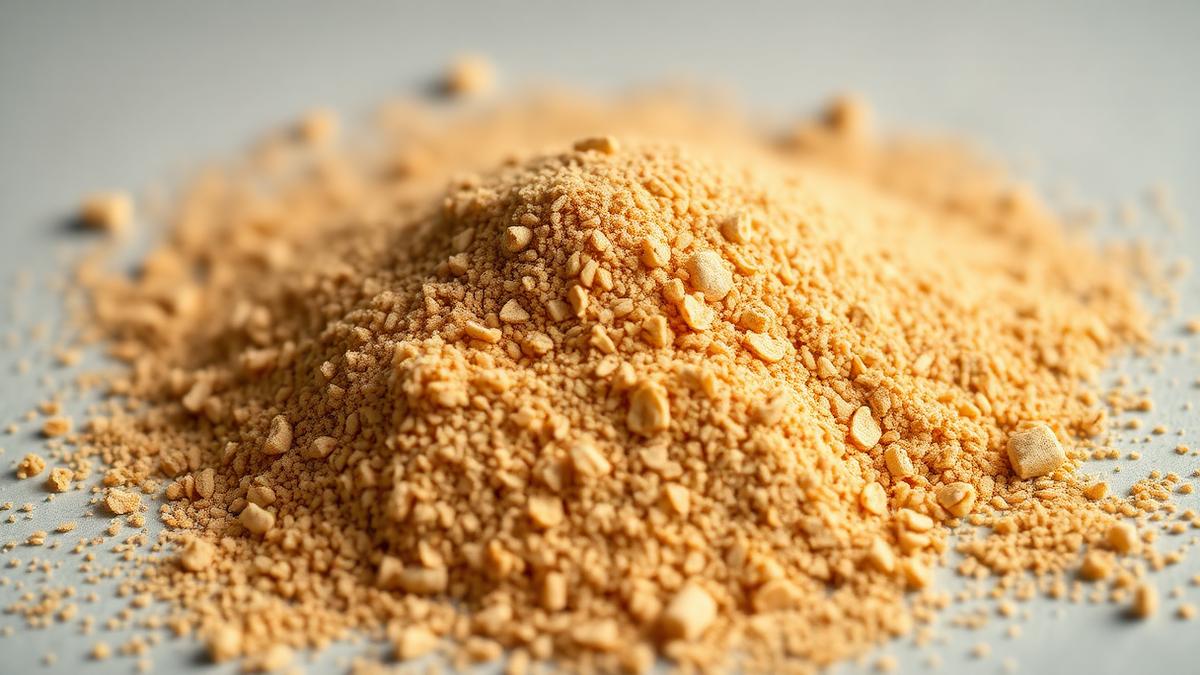 Roasted Guar Korma delivers 50% to 56% crude protein for Superior livestock nutrition.
Thermal Toasting: Deactivating Anti-Nutritional Factors
Raw guar germ, like raw soybean, naturally contains anti-nutritional factors that can suppress growth and impair protein utilization if fed untreated. The controlled roasting process is therefore the single most important step in producing a safe, high-performance feed ingredient, and it is what distinguishes Roasted Guar Korma from unprocessed guar meal.
Advanced high-temperature thermal processing achieves several critical outcomes simultaneously:
- Trypsin inhibitor deactivation: Roasting denatures heat-labile trypsin inhibitors, freeing the animal's digestive enzymes to break protein down into absorbable amino acids.
- Reduced residual gum: Heat lowers the viscosity of residual galactomannan, preventing the gut-stickiness that can otherwise depress feed intake in poultry.
- Improved palatability: The toasting reaction develops an appealing aroma and flavor that supports consistent voluntary intake.
- Microbial control: Thermal treatment reduces microbial load, supporting feed safety and shelf stability.
The result is a highly digestible protein concentrate whose bioavailability approaches that of far more expensive protein isolates. Industry studies indicate that properly toasted guar co-products can support growth performance comparable to conventional oilseed meals when balanced correctly in the ration.
Digestibility and Performance in Diverse Livestock Applications
The versatility of Roasted Guar Korma is a core reason procurement teams are standardizing on it across multiple species lines in 2026. Its nutrient-dense, toasted profile makes it an effective partial or full substitute for soybean meal in a wide range of commercial diets.
- Poultry (broilers and layers): Supports muscle development and egg production when included at balanced inclusion rates, with thermal processing ensuring the protein is fully accessible.
- Swine (including nursery diets): Provides a safe, digestible plant protein once anti-nutritional factors are deactivated, supporting weight gain and gut health.
- Dairy cattle: A meaningful portion of Guar Korma protein functions as rumen-bypass (escape) protein, absorbed in the lower gut to support efficient amino acid supply for peak milk yield.
- Aquaculture: Serves as a sustainable plant-based alternative to marine fishmeal for shrimp and carnivorous fish species, easing pressure on wild fish stocks.
Because a single, consistent ingredient can be deployed across poultry, swine, dairy, and aquafeed lines, feed mills simplify their raw material inventory while maintaining formulation flexibility. Nutritionists typically introduce Roasted Guar Korma gradually, replacing a defined share of soybean meal and re-balancing the ration for methionine and lysine, then scaling inclusion as animal performance data confirms results. This staged approach lets operations capture cost savings without compromising growth rates, feed conversion, or carcass quality.
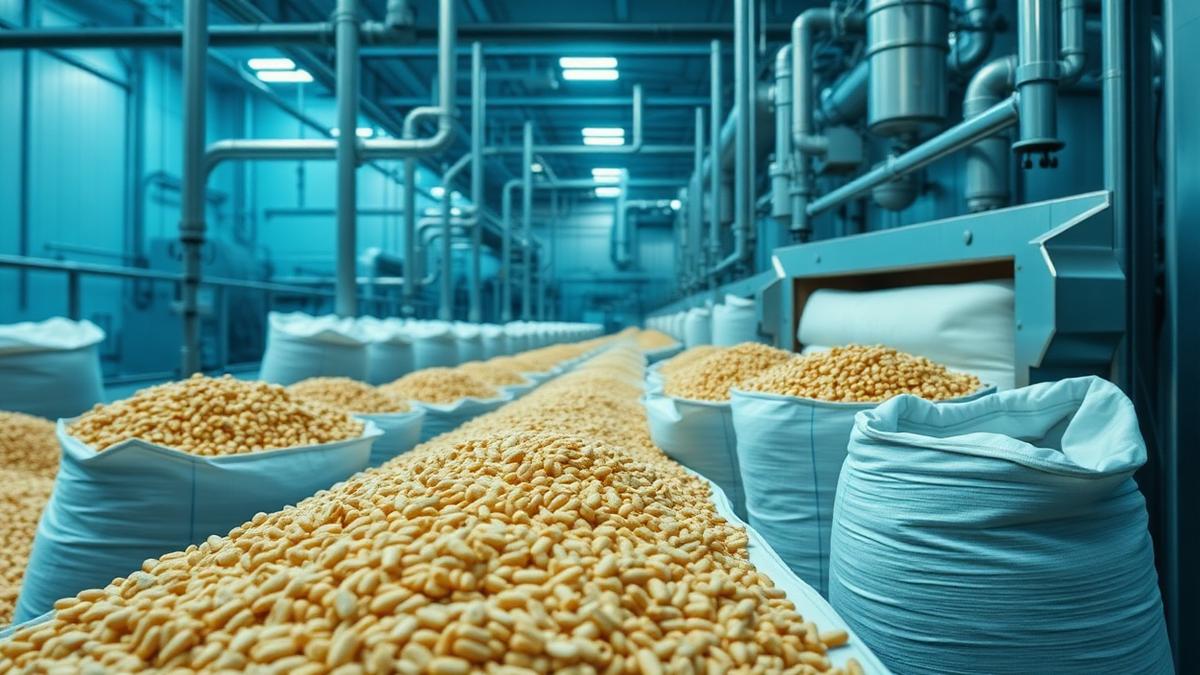 One consistent protein source serves poultry, swine, dairy, and aquaculture formulations.
Economic Viability and Global Supply Chain Dynamics
Beyond nutrition, the compelling case for Roasted Guar Korma in 2026 is economic. Priced competitively between roughly 320 and 520 USD per metric tonne in 2026, Guar Korma allows procurement officers to protect margins against the sharp swings that characterize the soybean and fishmeal markets.
Because Guar Korma is a co-product of Guar Gum manufacturing rather than a dedicated crop, its supply is anchored to the large and established industrial guar sector, insulating buyers from the boom-and-bust cycles that affect single-purpose oilseeds. Sourced from the arid guar-growing regions of Gujarat and Rajasthan, the ingredient benefits from a drought-resilient legume that requires minimal irrigation and naturally fixes nitrogen in the soil. This gives buyers a lower-water-footprint protein that aligns with corporate sustainability commitments. B.D. Guar's direct relationships with farming families support traceable, stable supply and consistent quality across every shipment, backed by a certificate of analysis. Explore the company's quality assurance program and sustainable sourcing model to see how consistency is maintained batch to batch.
- Margin protection: Competitive 2026 pricing insulates rations from soybean and fishmeal volatility.
- Supply security: Direct-from-farmer sourcing supports reliable, long-term contracts.
- Sustainability: A low-water, non-GMO, nitrogen-fixing crop supports ESG-aligned procurement.
Key Takeaways
- Unmatched protein density: Roasted Guar Korma offers a substantial 50% to 56% crude protein content, competitive with or exceeding standard soybean meal.
- Crucial thermal processing: High-temperature roasting permanently deactivates trypsin inhibitors and reduces residual gum, unlocking full digestibility.
- Versatile livestock application: The toasted profile makes Guar Korma an ideal protein substitute for poultry, swine, dairy cattle, and aquaculture.
- Economic margin protection: Priced between roughly 320 and 520 USD/MT in 2026, it lets procurement teams stabilize feed costs.
- Strict regulatory compliance: As a 100% natural, non-GMO plant derivative recognized as safe by the FAO, EFSA, and USDA, Guar Korma meets global feed standards.
Frequently Asked Questions
How does Roasted Guar Korma compare to soybean meal on protein?
Roasted Guar Korma typically delivers 50% to 56% crude protein, placing it in the same range as, or above, standard solvent-extracted soybean meal. Combined with thermal deactivation of anti-nutritional factors, this makes it a technically sound one-for-one or partial replacement in many poultry, swine, and dairy formulations when the ration is balanced for amino acids.
Why is roasting necessary before feeding guar germ?
Raw guar germ contains trypsin inhibitors and residual galactomannan that can suppress protein digestion and reduce feed intake. Controlled high-temperature roasting denatures these heat-labile compounds and lowers gum viscosity, converting the material into a highly digestible, palatable protein concentrate suitable for high-performance livestock diets.
Which animals can Roasted Guar Korma be fed to?
It is used across broilers, layers, swine including nursery piglets, dairy cattle, and aquaculture species such as shrimp and carnivorous fish. In dairy rations, a portion behaves as rumen-bypass protein, supporting efficient amino acid delivery for milk production. Inclusion rates should be set by a nutritionist for each species and life stage.
Is Roasted Guar Korma a sustainable protein source?
Yes. Guar is a drought-resilient, nitrogen-fixing legume grown in arid regions with a low water footprint, and Guar Korma is a co-product of Guar Gum manufacturing rather than a dedicated crop. This gives feed buyers a non-GMO, ESG-aligned alternative to deforestation-linked soybean meal and ocean-harvested fishmeal.
To secure a reliable, cost-effective, and Superior protein source for your 2026 feed formulations, partner with B.D. Guar Pvt. Ltd. The company provides expertly milled, thermally optimized Roasted Guar Korma engineered for maximum digestibility, consistent 50% to 56% crude protein, and full documentation. Contact the B.D. Guar technical team today to request specifications, pricing, and a sample for your next trial.