Polymer Breaker Optimization: A Clean Break for Enhanced Flowback
Guar Gum fracturing fluids engineered for predictable oxidative and enzymatic breaker reactions deliver water-like viscosity, rapid flowback and minimal residue.
Last updated:
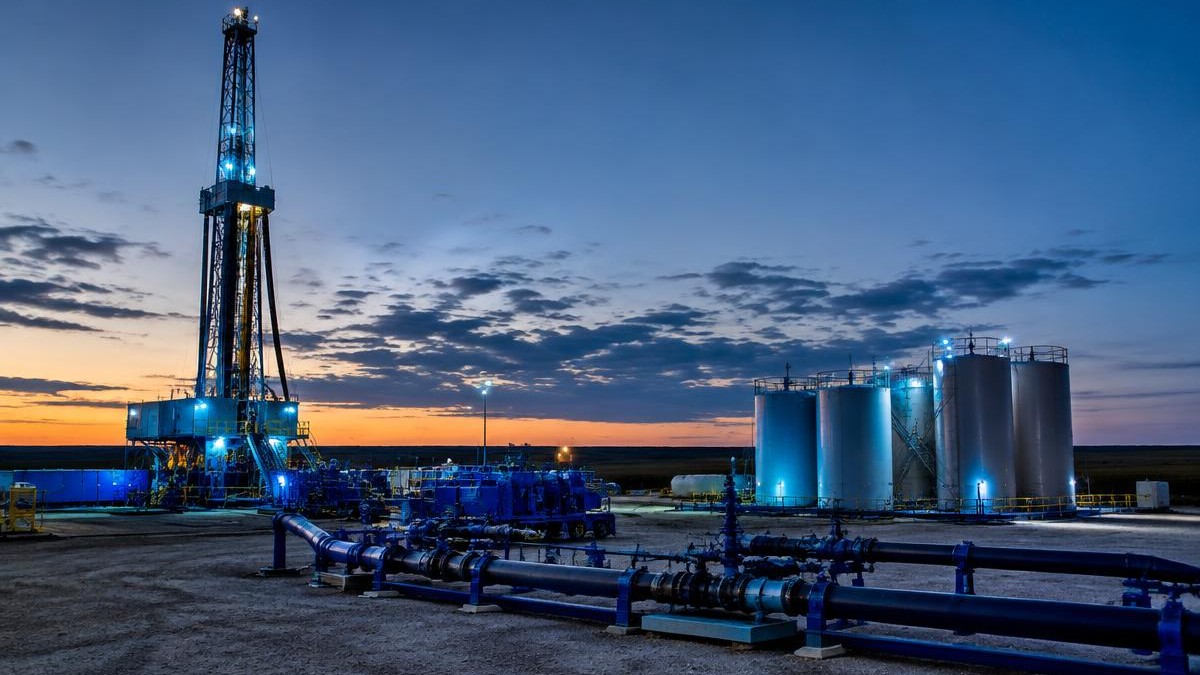
In the 2026 global oilfield market, polymer breaker optimization is a critical priority for oilfield chemists and service crew supervisors working in unconventional shale plays. Fracturing treatments rely on high-viscosity galactomannan fluids to carry proppant deep into fractures, so controlled gel degradation after placement is essential. Designing Guar Gum fluids for predictable reaction with oxidative and enzymatic breakers delivers rapid viscosity reduction to water-like levels, maximizing flowback and protecting proppant pack permeability.
Research Overview
Water-based fracturing fluids thickened with natural galactomannans and their derivatives account for the large majority of gelled stimulation treatments worldwide, according to IMARC market research. Native Guar Gum, from the endosperm of Cyamopsis tetragonoloba, is a high-molecular-weight polysaccharide with a mannose backbone and galactose side branches. Industry studies indicate that incomplete breaks can cut proppant pack conductivity sharply, making breaker design as important as gel design.
Why an Incomplete Break Damages Production
High viscoelasticity is essential for suspending proppant and limiting fluid loss, but unbroken gel remaining in the fracture network is a serious threat to long-term well productivity. Studies in the SPE Journal and Carbohydrate Polymers describe how residual gel fragments, insoluble filter cake and unbroken crosslinked networks reduce proppant pack conductivity and slow flowback.
- Target viscosity: complete depolymerization brings fluid viscosity below roughly 5 cP, approaching water.
- Mechanism: breakers hydrolyze or cleave the glycosidic linkages of the galactomannan backbone.
- Consequence of failure: trapped polymer restricts pore throats and delays load recovery.
Reliable performance begins with a polymer of consistent molecular weight and low insoluble content, which is why grade selection is covered in the B D Guar product range.
Enzymatic Breaker Kinetics and Substrate Specificity
Enzymatic breakers provide a selective, environmentally benign route to degrade Guar Gum. Hemicellulase and endo-beta-D-mannanase enzymes cleave the internal mannosidic linkages of the backbone, collapsing chain length into low-molecular-weight oligosaccharides without toxic byproducts.
- Mechanism of cleavage: targeted hydrolysis of the beta-(1-4) mannosidic bonds, with the enzyme not consumed in the reaction.
- Operating envelope: commercial systems work best at roughly 60 to 160 degrees F (15 to 71 degrees C) and pH 5.0 to 9.0.
- Zero-residue degradation: clean cleavage into water-soluble sugars leaves minimal insoluble material in the proppant pack.
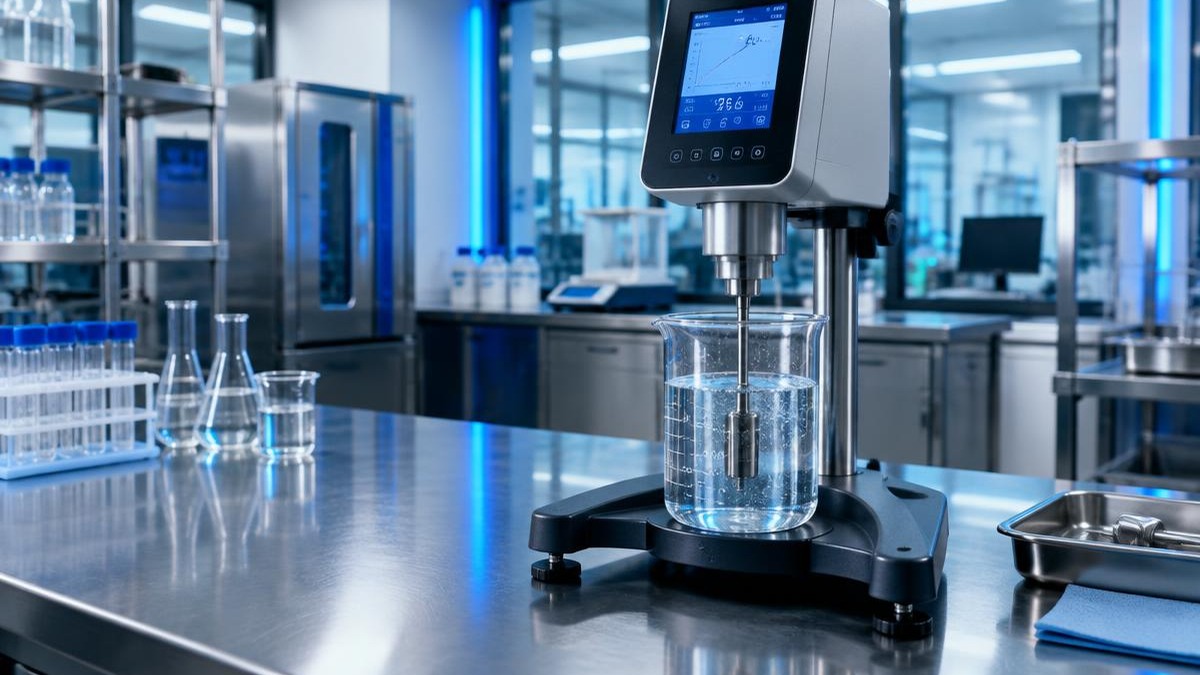
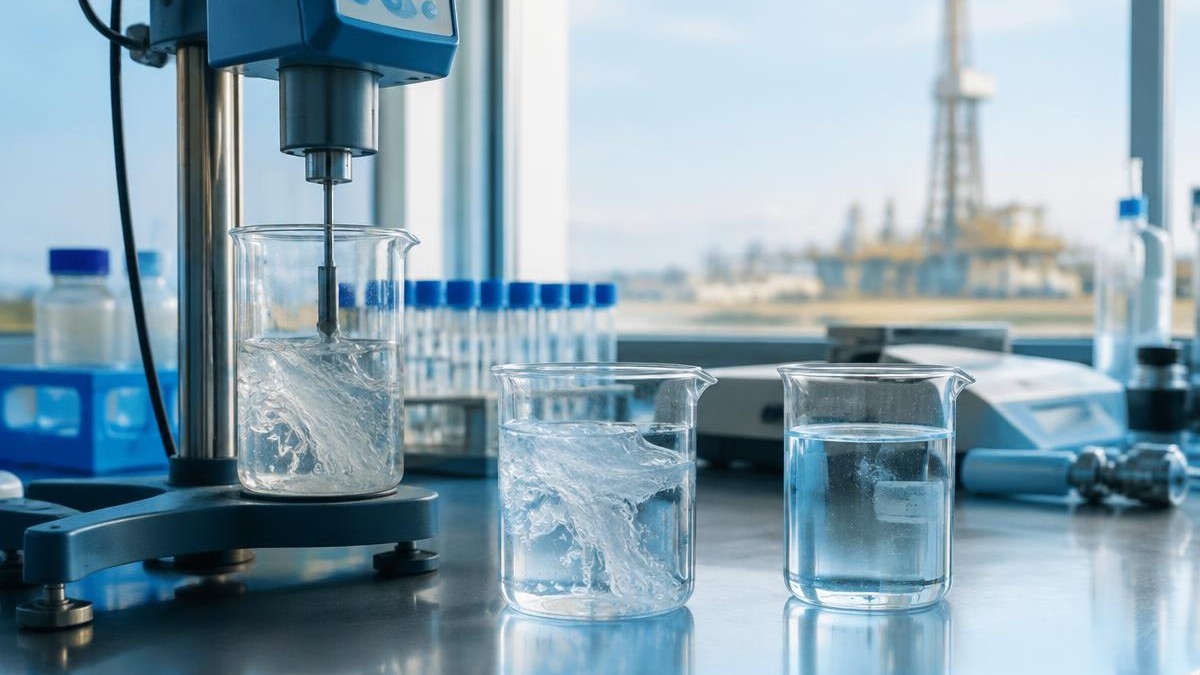 Laboratory evaluation of gel breaker performance in Guar Gum fracturing fluids.
Oxidative Breaker Systems and Free-Radical Chain Scission
Where enzymatic activity diminishes at higher temperature, oxidative breakers are the primary chemical route to predictable, complete Guar Gum degradation. Persulfates such as ammonium persulfate and sodium persulfate undergo thermal homolytic cleavage above roughly 120 degrees F, generating sulfate free radicals that attack the polymer backbone and cause random chain scission.
- Thermal activation: unencapsulated persulfates react quickly at elevated temperature and can break the fluid before proppant placement is complete.
- Encapsulation: water-permeable polymer coatings delay release of the active breaker until placement is finished.
- Viscosity thresholds: laboratory work with Fann and Brookfield viscometers confirms that optimized dosage reaches water-like viscosity.
Consistent polymer chemistry makes breaker schedules repeatable from batch to batch, a point expanded on the quality page.
Crosslinker Interactions and Breaker Chemistry Balancing
A successful break requires balance between the crosslinking chemistry that builds viscosity and the breaker that removes it.
- Borate versus zirconium: borate-crosslinked Guar Gum forms pH-reversible complexes that release as pH falls during flowback, while organo-zirconium and organo-titanium networks form stronger coordination bonds and need higher thermal activation or combined oxidative-acid breakers.
- Temperature stabilizers: in deep, hot wells, oxygen scavengers such as sodium thiosulfate protect the polymer from early degradation, yet excess thiosulfate also consumes breaker radicals, as discussed in the SPE Journal.
- Dual-breaker designs: combining a low enzymatic dose with encapsulated persulfate provides staged degradation across the treatment window.
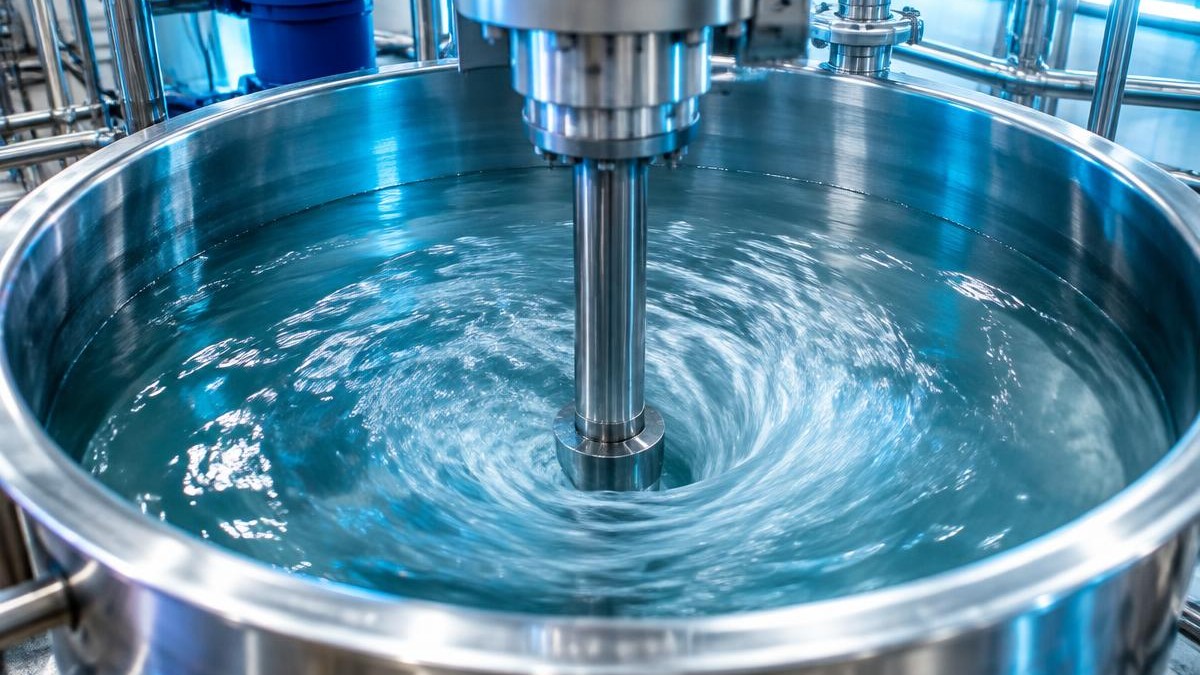
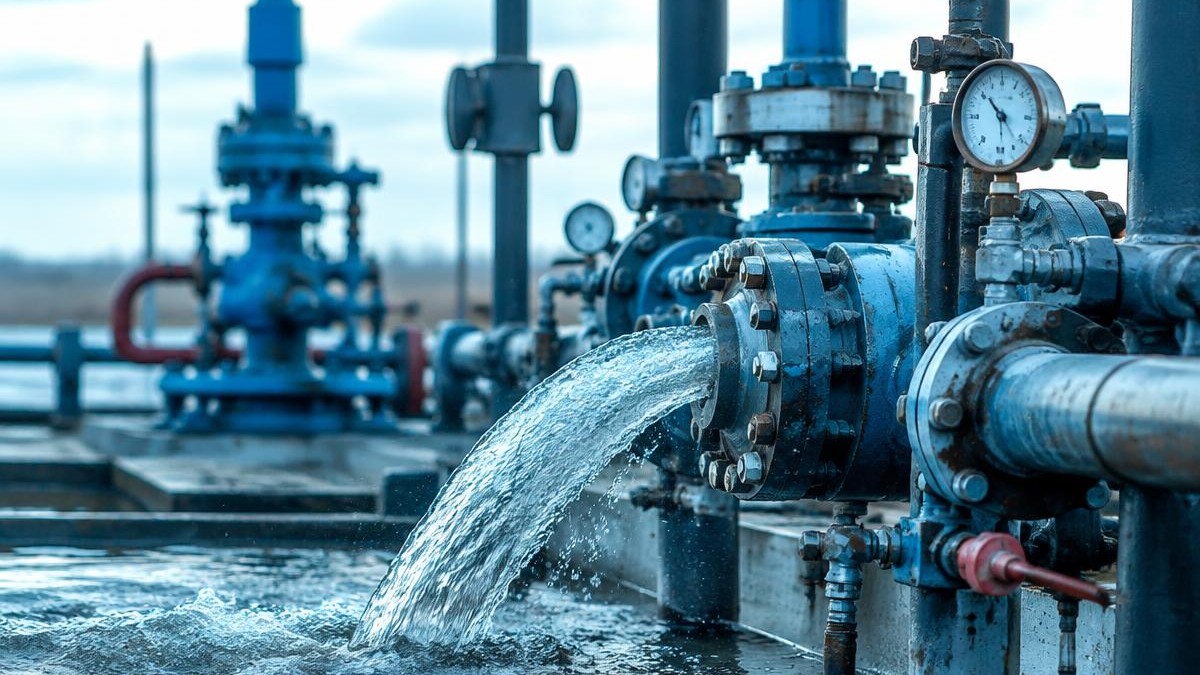 Rapid flowback depends on a complete break and a clean proppant pack.
Flowback Optimization and Proppant Pack Cleanup
The operational goal of breaker optimization is to maximize post-fracture production by removing retained fluid and restoring permeability.
- Minimizing insoluble residue: native Guar Gum carries several percent insoluble plant matter, while refined Fast Hydration Guar Gum and Hydroxypropyl Guar reduce this to low single digits, shrinking the solids left in the pack.
- Regain permeability: studies in Carbohydrate Polymers associate fully broken fluids with high regain permeability compared with incomplete breaks.
- Rapid cleanout: complete depolymerization lowers fluid resistance and accelerates load recovery.
Related derivatives and comparisons are available on the compare page.
Key Takeaways
- Predictable depolymerization: tailored breaker systems give rapid, controlled viscosity reduction to water-like levels.
- Enzymatic versus oxidative selection: enzymes deliver clean cleavage at lower temperatures, while encapsulated persulfates extend control to higher temperatures.
- Stabilizer compensation: thiosulfate consumes free radicals, so breaker loading must be balanced.
- Proppant pack protection: a complete break restores permeability and speeds flowback.
- Quality standardization: Superior purity with low insoluble content minimizes residue buildup.
Frequently Asked Questions
What is the ideal post-break viscosity for a Guar Gum fracturing fluid?
The target is below roughly 5 cP at ambient temperature, close to water. At that level the polymer no longer restricts flow, supporting rapid load recovery and high regain permeability in the proppant pack after fracture closure.
How do temperature stabilizers affect oxidative gel breaker performance?
Stabilizers such as sodium thiosulfate scavenge oxygen and prevent early thermal degradation, but they also react with radicals from persulfate breakers. Higher breaker loadings or encapsulated systems are therefore needed to achieve a clean break.
Why are encapsulated persulfate breakers preferred over unencapsulated oxidizers?
Unencapsulated persulfates react immediately on mixing, which can lower viscosity prematurely and compromise proppant transport. Encapsulation delays release until proppant is placed and the fracture has closed.
How does Guar Gum purity influence proppant pack regain permeability?
Refined, high-purity grades contain far less acid-insoluble residue and plant protein than unrefined material. Lower residue prevents pore throat plugging and helps preserve conductivity after the break.
To optimize fracturing fluid formulations, request custom product specifications, breaker compatibility data and landed freight quotes by emailing sales@bdguar.com or visiting the contact page.