PHGG: Low-Viscosity Soluble Dietary Fiber for Beverages
Discover how enzymatically produced Partially Hydrolyzed Guar Gum delivers a fully soluble, heat- and acid-stable prebiotic fiber engineered for clear functional beverages.
Last updated:
In the highly competitive 2026 functional food and beverage market, formulating with low-viscosity soluble dietary fiber has emerged as a cornerstone strategy for nutraceutical manufacturers seeking to deliver high-performance digestive wellness without compromising product texture. As global consumers increasingly demand clean-label, plant-based prebiotic solutions, Partially Hydrolyzed Guar Gum (PHGG) provides an unparalleled technical advantage over traditional high-molecular-weight hydrocolloids. Through highly selective enzymatic hydrolysis, B.D. Guar Pvt. Ltd. supplies a Superior, fully soluble dietary fiber that remains exceptionally stable across extreme processing temperatures and acidic pH levels.
Research Overview
According to 2026 market assessments by IMARC, global demand for plant-based soluble fibers is surging as functional brands replace synthetic stabilizers and chemical bulking agents. High-molecular-weight polysaccharides such as native Guar Gum are powerful viscosifying agents that form thick gel networks at low concentrations. While that viscosity is prized in dairy stabilization, it becomes a severe rheological barrier when formulating daily fiber supplements, nutritional gummies, and clear functional beverages. Controlled enzymatic depolymerization solves this challenge by producing PHGG.
The Chemistry of Controlled Enzymatic Hydrolysis
Native Guar Gum is a non-ionic galactomannan from the endosperm of the drought-resistant Cyamopsis tetragonoloba legume. Its high-molecular-weight chain (ranging from roughly 500 to 8,000 kDa) consists of a linear beta-(1,4)-D-mannopyranose backbone with alpha-(1,6)-linked D-galactopyranose branches in a 2:1 ratio. Targeted enzymatic cleavage selectively reduces this molecular weight to approximately 20 to 50 kDa, transforming a thick gel-former into an ultra-low-viscosity, highly soluble fiber that remains completely free-flowing.
The industrial transformation relies on highly selective enzymatic depolymerization rather than harsh acid or thermal degradation:
- Selective mannanase cleavage: Food-grade endo-beta-mannanase specifically targets internal beta-1,4-D-mannopyranosyl linkages within the mannan backbone, unlike non-selective acid hydrolysis that randomly degrades sugars.
- Retention of galactose branches: The process leaves pendant alpha-1,6-linked D-galactopyranose side branches intact. Research published in Carbohydrate Polymers confirms the mannose-to-galactose (M:G) ratio of PHGG remains near 2:1, preventing recrystallization and ensuring permanent cold-water solubility.
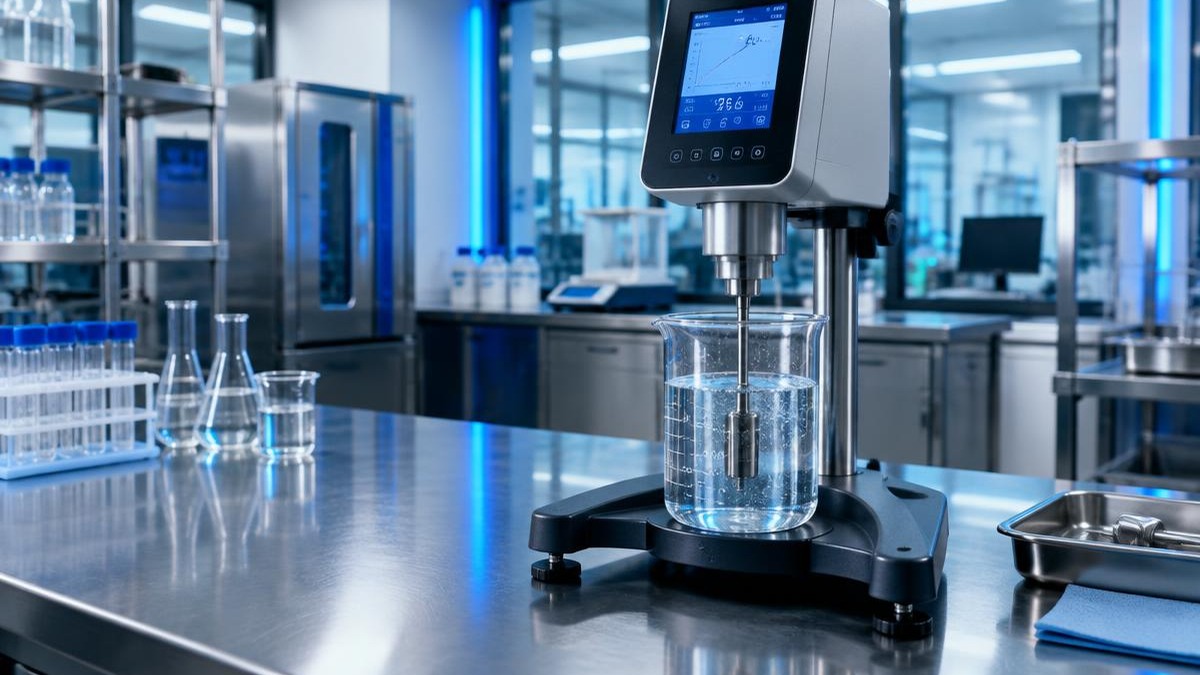
- Dramatic viscosity reduction: A 1% solution of native Guar Gum yields 3,500 to 5,500 cps, whereas a 1% PHGG solution exhibits less than 10 cps, allowing therapeutic fiber doses of 5 to 10 grams per serving with no change to the liquid rheology.
- Elimination of insoluble residues: Advanced purification and cryogenic milling remove insoluble proteins, producing a powder that dissolves instantly into a transparent, water-white solution meeting the highest nutraceutical standards.
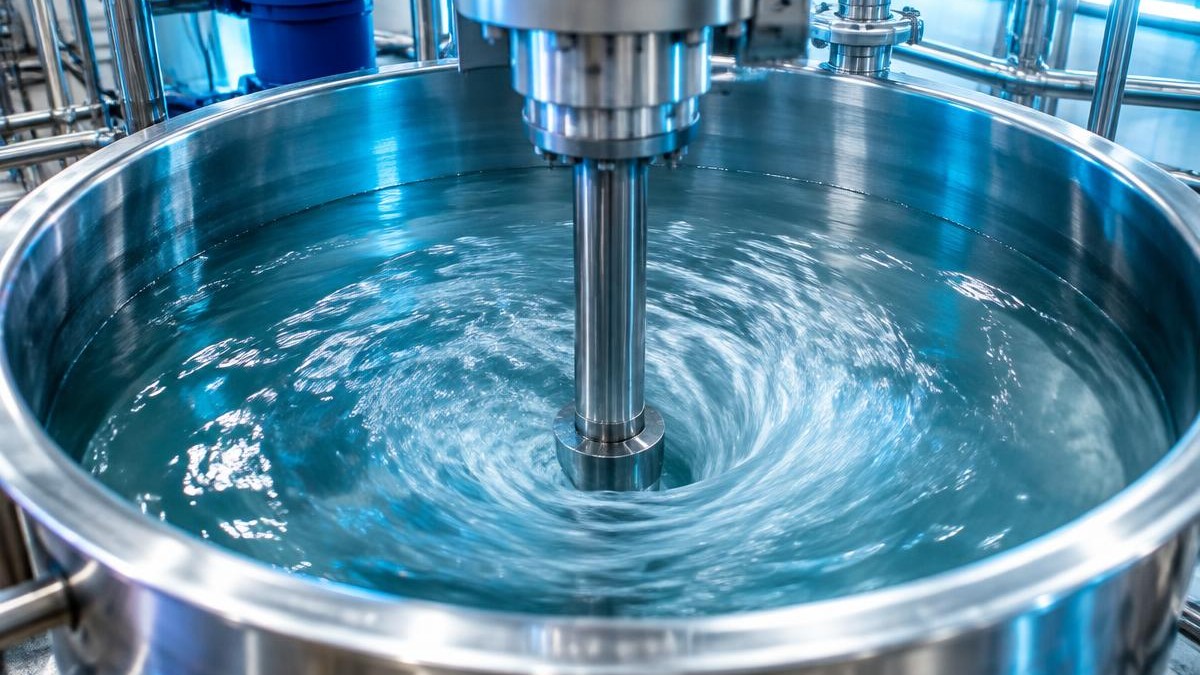
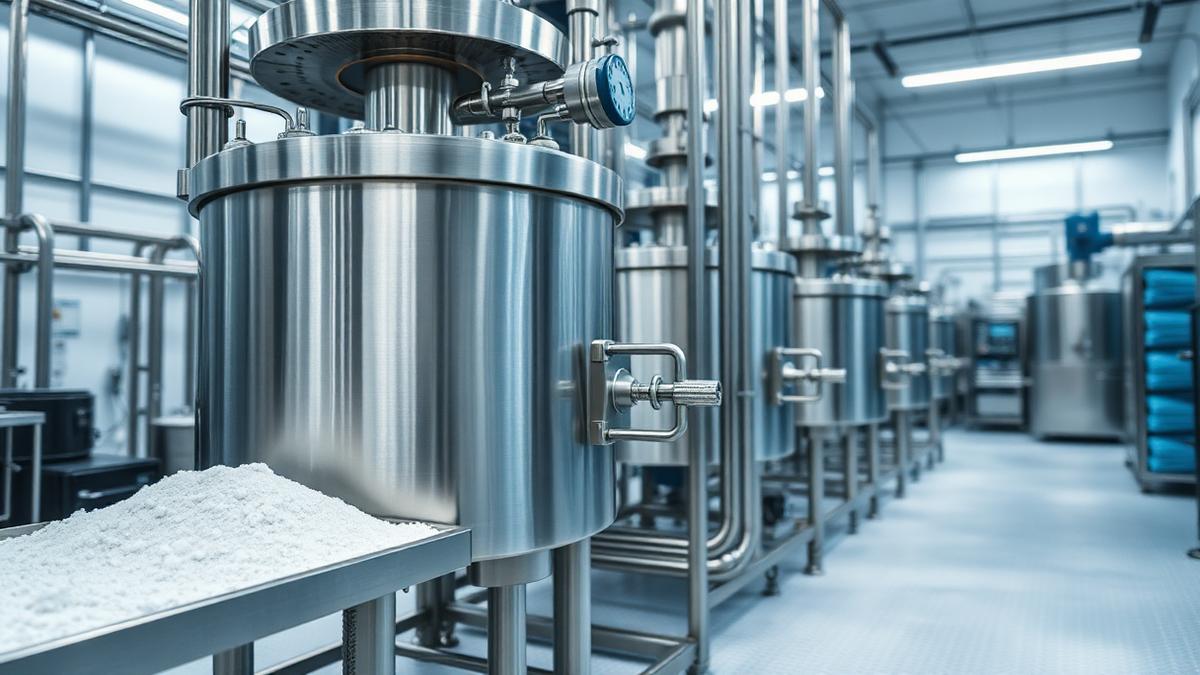 Controlled enzymatic hydrolysis converts high-viscosity Guar Gum into ultra-soluble PHGG.
Physicochemical Stability Across Extreme pH and Thermal Regimes
Functional beverage formulation requires active ingredients capable of surviving hostile manufacturing processes and long-term shelf storage without degradation. PHGG exhibits a stability profile that outclasses alternative soluble fibers such as inulin or chicory root.
- Exceptional thermal resilience: Unlike inulin, which is prone to thermal depolymerization, PHGG resists molecular-weight degradation through High-Temperature Short-Time (HTST) pasteurization and Ultra-High Temperature (UHT) sterilization.
- Impeccable acid stability: Studies published in the Journal of Food Science demonstrate that PHGG remains stable across a broad pH range of 3.0 to 10.0 with zero viscosity drift, ideal for acidic juices and flavored waters formulated at pH 2.5 to 4.0.
- Resistance to shear-induced viscosity loss: Its compact polymeric structure accommodates intense hydrodynamic shear during commercial bottling, keeping physical specifications intact.
Sensory and Textural Transparency in Functional Formulations
The success of any functional food or beverage relies on consumer sensory acceptance. A fiber-fortified product with altered taste, cloudy appearance, or slimy mouthfeel faces immediate market rejection, so PHGG is engineered for absolute sensory neutrality.
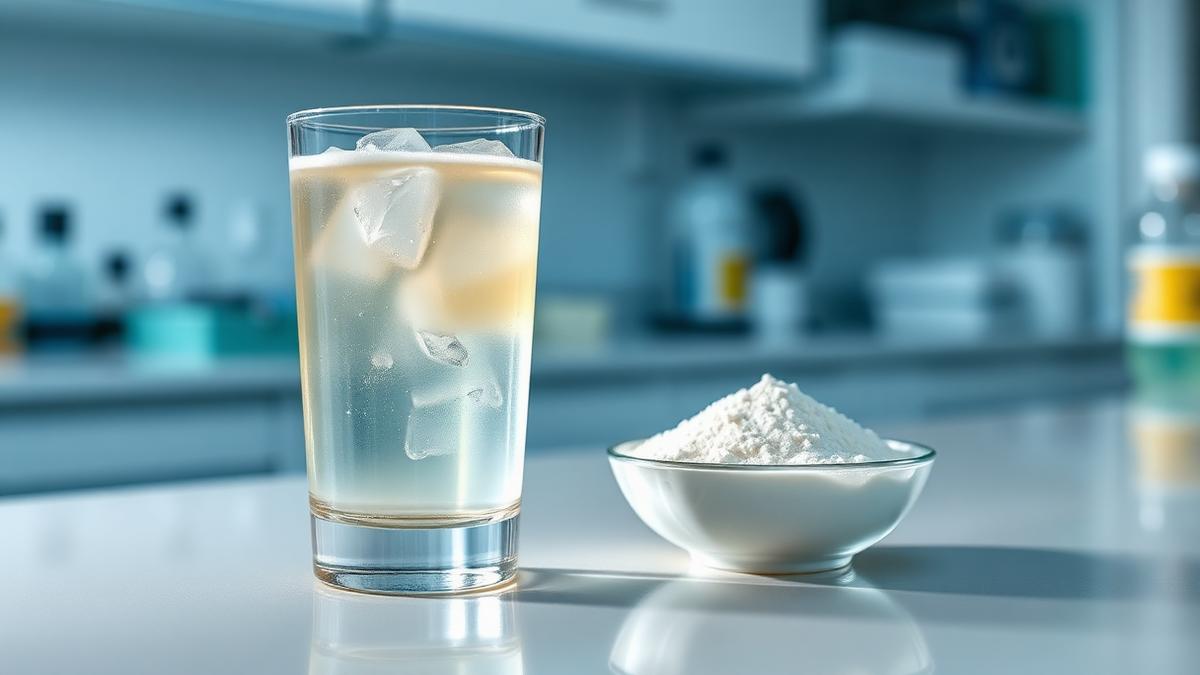
- Absolute visual clarity: PHGG produces a water-white, transparent solution with zero turbidity, making it ideal for clear functional beverages.
- Clean, odorless, tasteless profile: Pure PHGG introduces no bitter, botanical, or sweet off-notes, letting flavor chemists build delicate profiles without expensive masking agents.
- Elimination of gummy mouthfeel: Its shortened chains do not undergo macromolecular entanglement or coat the oral cavity, so the mouthfeel is indistinguishable from water.
- Synergy with high-intensity sweeteners: In sugar-free drinks, PHGG restores natural body and rounds out sweeteners like stevia without adding calories.
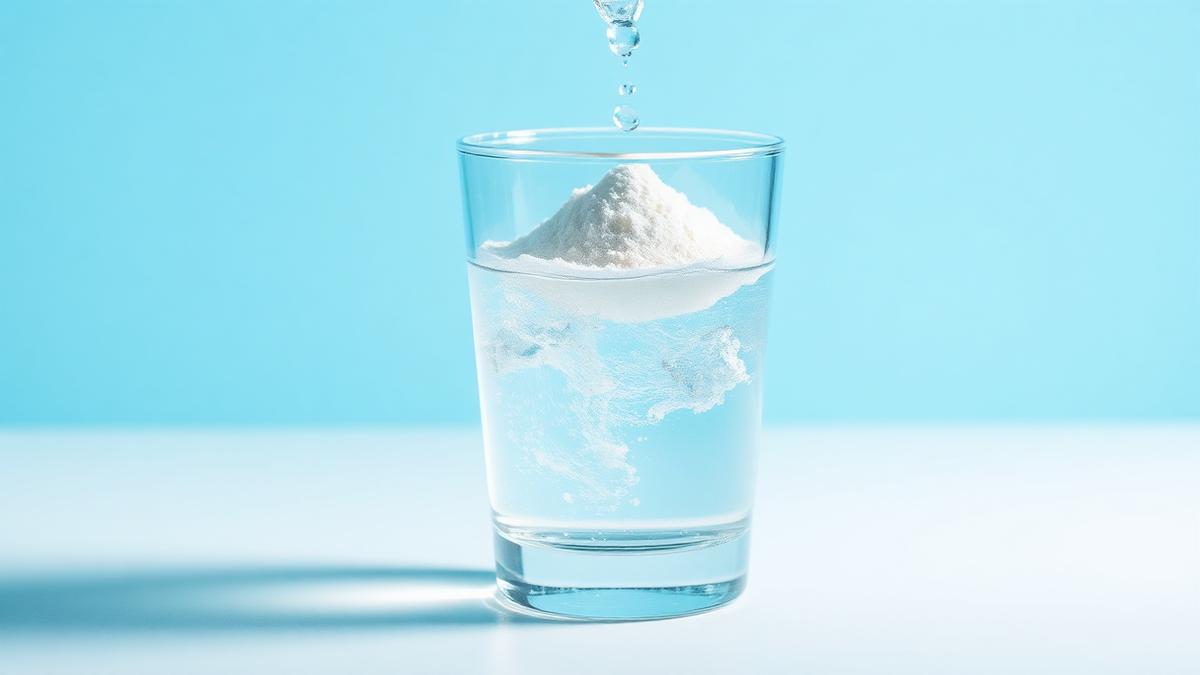 PHGG dissolves into a water-white, odorless solution built for clear functional drinks.
Prebiotic Activity, Gut Health, and Metabolic Benefits
Beyond its formulation characteristics, PHGG is a highly bioactive compound with scientifically validated health benefits. International bodies including the FAO, WHO, and EFSA recognize PHGG as a safe, effective soluble dietary fiber suitable for daily consumption.
- Sustained bifidogenic fermentation: PHGG passes undigested through the upper digestive tract and is fermented slowly in the colon by beneficial Bifidobacterium and Lactobacillus species, minimizing gas and bloating.
- Short-chain fatty acid production: Fermentation yields butyrate, acetate, and propionate, which fuel colonocytes, reinforce the gut barrier, and suppress inflammation.
- Enhanced glycemic control and satiety: Clinical studies indicate PHGG attenuates postprandial blood glucose and insulin spikes while stimulating satiety hormones that assist weight management.
- Clinical and pediatric nutrition: Its non-gassy prebiotic activity makes PHGG valuable in enteral and pediatric formulations, helping manage IBS symptoms and chronic constipation without cramping.
Key Takeaways
- Prebiotic enzymatic precision: Controlled endo-beta-mannanase hydrolysis depolymerizes high-viscosity Guar Gum into a low-viscosity soluble prebiotic fiber while preserving the vital 2:1 mannose-to-galactose branching.
- Unparalleled physicochemical stability: PHGG maintains integrity across pH 3.0 to 10.0 and high-heat HTST/UHT processing, outclassing thermally sensitive fibers like inulin.
- Absolute sensory neutrality: A water-white, transparent, odorless, and tasteless solution with no gummy mouthfeel makes it the ultimate fiber for clear functional drinks.
- Superior digestive tolerance: Slow, controlled colonic fermentation maximizes SCFA production while eliminating the gas and bloating of fast-fermenting fibers.
- Robust metabolic support: Daily PHGG intake supports insulin sensitivity, natural satiety, and gut microbiota homeostasis.
Frequently Asked Questions
What is the difference between native Guar Gum and Partially Hydrolyzed Guar Gum (PHGG)?
Native Guar Gum is a high-molecular-weight polysaccharide used primarily as an intense thickening and gelling agent. PHGG undergoes controlled enzymatic hydrolysis that shortens the polymer chains and reduces viscosity by over 99%, allowing it to function as a low-viscosity soluble dietary fiber that dissolves completely in liquids without altering their texture.
Why is PHGG preferred over inulin or FOS in acidic functional beverages?
Inulin and fructooligosaccharides (FOS) rely on weak, acid-sensitive fructose bonds that break down at low pH, converting fiber into free sugars and destroying prebiotic benefits. PHGG is bound by acid-resistant glycosidic linkages, so it remains fully intact and functional throughout the shelf life of acidic beverages formulated at pH 2.5 to 4.0.
Does PHGG cause digestive discomfort, gas, or bloating?
No. Many prebiotic fibers such as inulin ferment very quickly, leading to sudden gas and bloating. Because of its branched galactomannan structure, PHGG ferments slowly and progressively, providing Superior digestive tolerance that is comfortable for daily consumption.
How does PHGG help in managing blood sugar?
When consumed with meals or in a functional beverage, PHGG forms a gentle, microscopic barrier along the digestive tract that slows carbohydrate breakdown and glucose absorption. Clinical studies show this flattens post-meal blood sugar and insulin spikes, aiding long-term glycemic control.
To master the precise rheology, physicochemical stability, and Superior prebiotic performance required for your next generation of nutraceutical products, partner with the global hydrocolloid experts. B.D. Guar Pvt. Ltd. provides highly refined, water-soluble PHGG engineered for maximum dietary fiber fortification. Explore our product range, review our quality and testing standards, learn the science in our Guar Gum glossary, and contact our technical sales desk at sales@bdguar.com to secure stable pricing and customized grade specifications.