Paper Industry Innovations: Enhancing Strength and Printability with Guar Gum
Discover how guar gum is revolutionizing the paper industry by enhancing paper strength, printability, and operational efficiency as a natural alternative to synthetic additives.
Last updated:
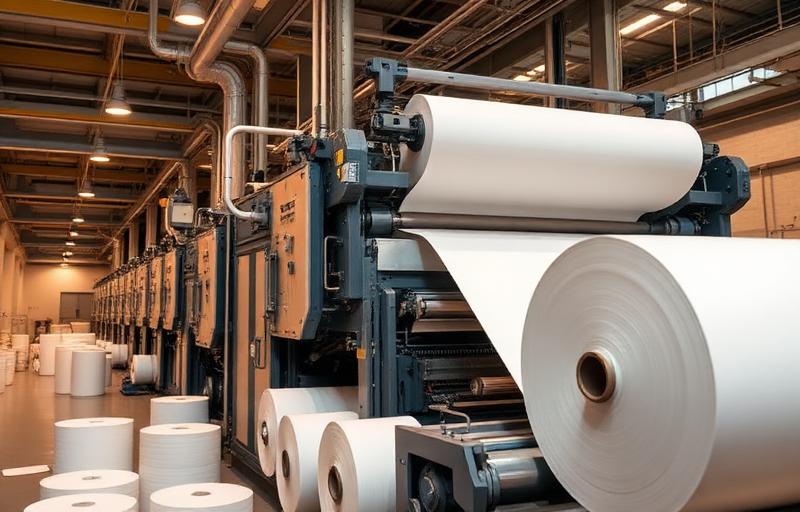
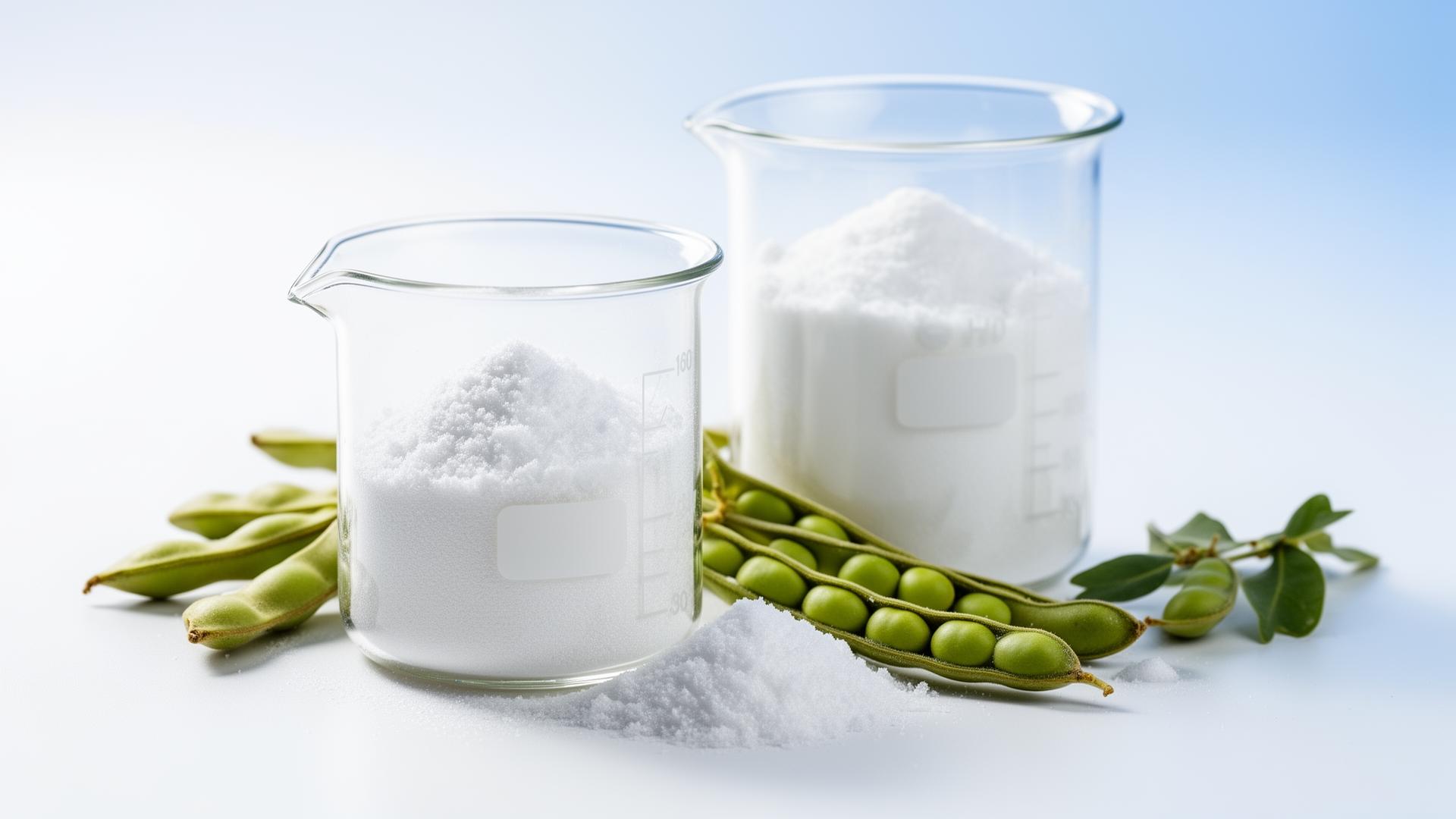
Research Overview: In the complex world of modern papermaking, manufacturers are constantly seeking ways to enhance product quality while simultaneously reducing their environmental footprint. While synthetic dry-strength additives have long been used, a natural, highly effective alternative has taken center stage: guar gum. Extracted from the endosperm of the cluster bean (Cyamopsis tetragonolobus), this versatile galactomannan polysaccharide is revolutionizing the paper industry by significantly enhancing paper strength, printability, and operational efficiency.
Mastering the Pulp Slurry: Fiber Deflocculation and Distribution
The foundation of high-quality paper lies in the initial pulp slurry. When added in small amounts to the wet end of the papermaking process, guar gum acts as a highly effective fiber deflocculent. In aqueous solutions, its massive, linear polymer chains interact with water to build viscosity, which helps to evenly suspend the fibers and prevent them from clumping together.
- Uniform fiber distribution during the formation of the paper sheet
- Prevention of weak spots and inconsistencies
- Consistent basis weight across the entire web
Bridging the Gap: Unmatched Mechanical Strength
One of the primary reasons guar gum is utilized in paper manufacturing is its remarkable ability to increase the structural integrity of the final product. Cellulose fibers in wood pulp inherently possess hydroxyl groups. Because guar gum is a galactomannan with a high density of cis-hydroxyl pairs, it has an amazing power to adhere to the surface of these cellulose fibers via extensive hydrogen bonding.
By effectively bridging and cementing the cellulose fibers together, guar gum acts as a natural replacement for hemicellulose. This intense fiber-to-fiber bonding leads to dramatic improvements in:
- Tensile strength — resistance to pulling forces
- Burst factor — resistance to rupturing pressure
- Folding endurance — ability to withstand repeated folding
- Pick resistance — surface strength during printing
The Power of Cationic Guar Gum
While native guar gum is highly effective, the paper industry has unlocked even greater potential through chemical modification, specifically by creating cationic guar gum. In a standard pulp slurry, cellulose fibers carry a natural negative (anionic) surface charge. Cationic guar gum is engineered with positively charged functional groups that are strongly attracted to these negatively charged fibers.
This electrostatic attraction ensures maximum retention of the guar gum on the fibers, preventing it from being washed away in the process water. Furthermore, because of its high molecular weight and extended polymer chains, cationic guar gum excels at promoting inter-fiber bonding through "bridging flocculation".
Studies have demonstrated that adding just 1% of a properly substituted cationic guar gum to a pulp slurry can increase the paper's burst index by up to 90%, significantly outperforming traditional additives like cationic starch.
Surface Sizing for High-Speed Printability
Beyond internal structural strength, guar gum derivatives are utilized as powerful surface sizing agents. When applied to the surface of the paper, the gum effectively fills in the microscopic surface pores and voids between the fiber matrix, drastically decreasing the paper's overall porosity.
- Denser, smoother finish ideal for high-speed printing
- Improved ink holdout — prevents excessive ink penetration
- Sharper dots and deeper colors for higher-quality printed images
- Vibrant pigment retention on the paper surface
Eco-Friendly Efficiency and Sustainable Drainage
The benefits of guar gum extend beyond the physical paper; it fundamentally optimizes the paper mill's operational efficiency. By aggregating and retaining microscopic cellulose fines that would otherwise be lost in the filtrate liquor, guar gum significantly increases the overall recovery and yield of the wood pulp.
Crucially, while it retains these fine solid particles, it also improves pulp drainage rates on the wire forming section. Faster, more efficient water drainage in the wet end means less water needs to be boiled off in the energy-intensive thermal drying section.
- Reduced water consumption in the manufacturing process
- Lower energy usage in thermal drying
- Biodegradable and sustainable alternative to petroleum-based synthetics
- Improved pulp yield through fine particle retention
For a deeper look at the wet-end chemistry behind these gains, see our technical page on guar gum as a paper dry-strength additive.