Organic Poultry Feed: Non-GMO, Plant-Based Protein for Organic Broiler Systems
Roasted organic Guar Korma and Guar Meal Churi give organic broiler and layer farms a non-GMO plant protein that supports growth, feathering and egg output.
Last updated:
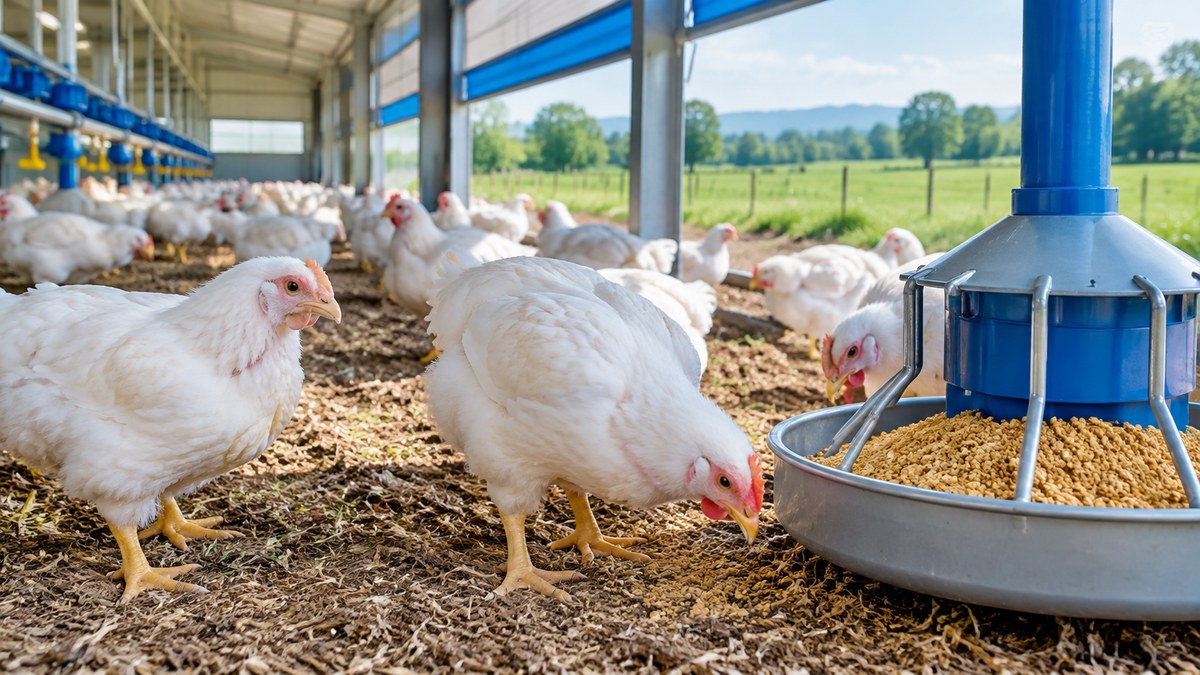
Across the 2026 global organic livestock sector, organic poultry feed formulators face a persistent challenge: sourcing certified, non-GMO protein that meets strict organic rules without depending entirely on volatile organic soybean meal markets. Organic broiler and layer operations need high-protein plant feedstuffs that are mechanically processed, fully traceable, and highly digestible. Thermally processed organic Guar Korma and Guar Meal Churi, co-products of Guar Gum manufacturing, deliver a Superior 100% plant-based protein source that supports growth, healthy feathering, and sustained egg production.
Research Overview
Organic regulatory frameworks, including the USDA National Organic Program, EU Regulation 2018/848, and CODEX Alimentarius organic guidelines, prohibit GMO ingredients and solvent-extracted meals and tightly restrict synthetic amino acids. Industry studies indicate that controlled thermal processing of guar seed fractions inactivates the majority of native trypsin inhibitors while preserving essential amino acids, positioning roasted Guar Korma as a compliant, cost-effective partial replacement for certified organic soybean meal.
Why Organic Poultry Producers Need Alternative Plant Proteins in 2026
Methionine and cysteine, the sulfur-containing amino acids, are among the most limiting nutrients in poultry diets. Methionine initiates protein synthesis and supports feather follicle development, immune antibody production, and egg mass formation. In conventional rations, synthetic DL-methionine fills this gap, but organic standards restrict that option: it is not permitted in EU organic feed and is capped under the USDA National Organic Program. Organic nutritionists must therefore meet amino acid targets primarily through whole plant proteins.
Heavy reliance on certified organic soybean meal exposes feed cooperatives to regional supply deficits and price spikes. At the same time, unprocessed legume proteins contain anti-nutritional factors (ANFs) such as heat-labile trypsin inhibitors and lectins that impair digestion in young chicks. A viable alternative protein must therefore be non-GMO, mechanically processed, and thermally conditioned.
- Regulatory pressure: No GMO inputs, no hexane-extracted meals, and strict limits on synthetic amino acids.
- Supply risk: Concentrated dependence on a single certified organic protein source.
- Nutritional precision: Sulfur amino acids and arginine must be supplied from natural ingredients.
- Digestive safety: Raw legume ANFs must be neutralized before inclusion in starter diets.
Nutritional Profile of Guar Korma and Guar Meal Churi
Guar meal is the protein-rich co-product generated when guar seeds (Cyamopsis tetragonoloba) are mechanically dehusked and split to separate the endosperm used for food-grade Guar Gum. The remaining material is separated into two fractions with distinct nutritional roles. Because processing is entirely physical (splitting, roasting, and sifting) rather than solvent-based, both fractions remain compatible with non-GMO and organic certification requirements.
- Guar Korma (germ fraction): 50% to 56% crude protein, approximately 2,200 to 2,450 kcal/kg metabolizable energy, and 5% to 7% crude fat. Its protein density makes it well suited to replacing a portion of organic soybean meal in starter and grower diets.
- Guar Meal Churi (hull and germ blend): roughly 35% to 42% crude protein with higher crude fiber (10% to 14%), providing structural bulk for gizzard development and moderate protein for pullet, layer, and breeder diets.
- Amino acid distribution: lysine of approximately 2.4% to 3.1%, arginine of 6.2% to 7.5%, and combined methionine plus cysteine of 1.4% to 1.8%.
- Arginine advantage: a higher arginine-to-lysine ratio than standard soybean meal, supporting nitric oxide synthesis, cardiovascular health, and connective tissue maintenance in fast-growing birds.
Detailed specifications for each fraction are available on the B.D. Guar products page, and definitions of key processing terms can be found in the Guar Gum glossary.
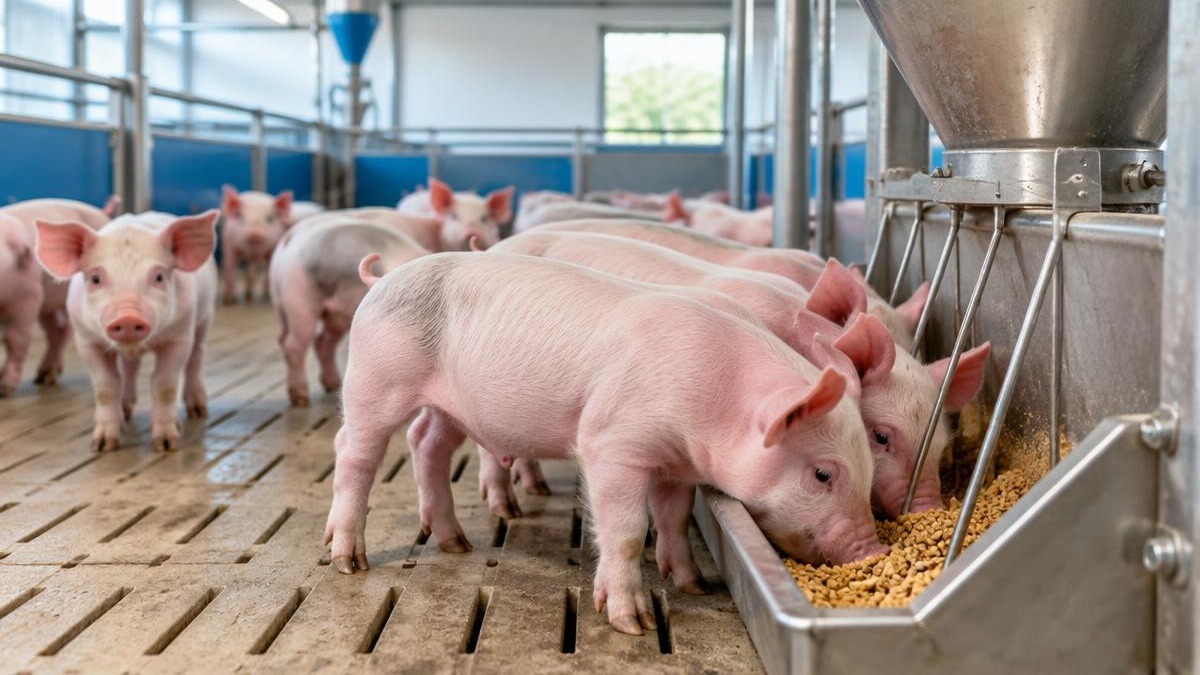
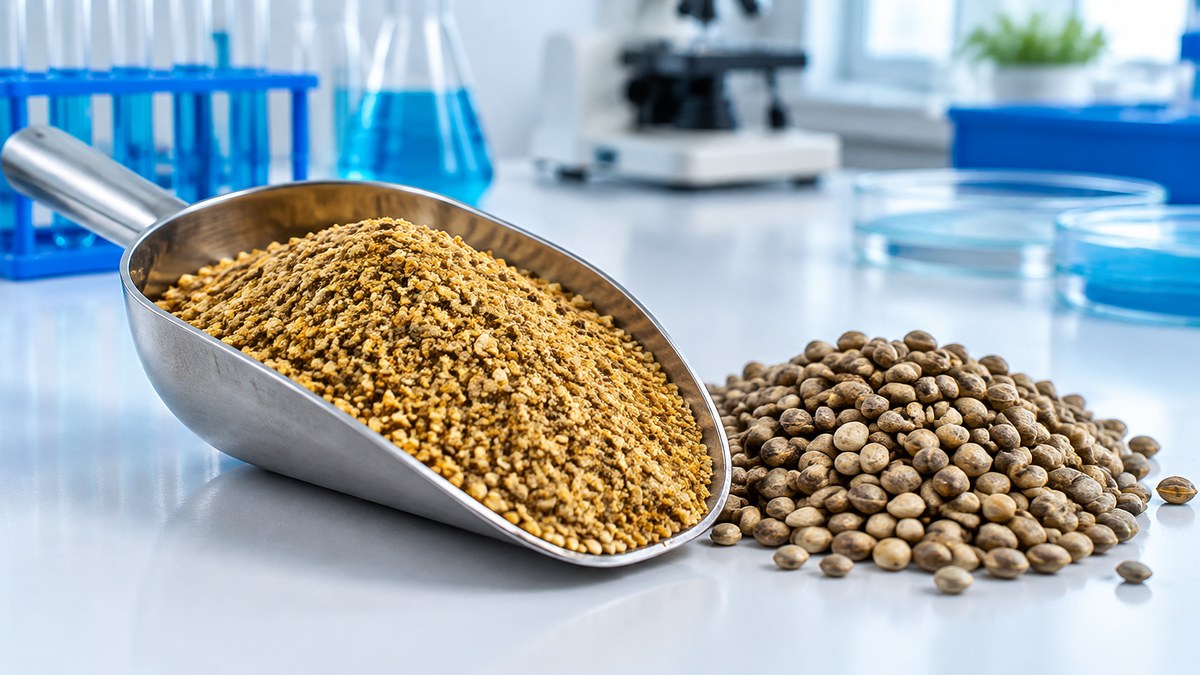 Thermally roasted Guar Korma provides a non-GMO, plant-based protein source for certified organic broiler and layer rations.
Thermal Processing: Neutralizing Anti-Nutritional Factors
Unlocking the full nutritional value of guar seed protein requires controlled thermal treatment. Raw guar germ contains native trypsin inhibitors that bind pancreatic enzymes in the chick duodenum and block peptide bond cleavage. Industry studies indicate that steam roasting at 115°C to 125°C for 20 to 30 minutes reduces trypsin inhibitor activity by more than 93% to 97% without significant lysine destruction.
- Trypsin inhibitor deactivation: Heat denatures inhibitor proteins, restoring normal protein digestion and preventing pancreatic enlargement in young birds.
- Lectin destruction: Thermal toasting inactivates lectins that would otherwise bind to intestinal microvilli and disrupt nutrient absorption.
- Reduced residual galactomannans: Roasting and fine sifting lower the soluble Guar Gum fraction that can raise digesta viscosity and cause sticky droppings.
- Biosecurity benefit: High-temperature steam treatment also reduces enteropathogenic bacteria such as Salmonella and E. coli, as well as fungal spores, supporting farm biosecurity programs.
Every lot is verified in the laboratory for protein content, moisture, and microbiological quality. More detail on these controls is available on the quality assurance page.
Avian Performance: Growth, Feathering, and Egg Production
Properly processed guar fractions contribute measurable benefits across organic production stages. Feathers are composed of more than 90% keratin, a structural protein that depends heavily on cysteine and methionine. The bioavailable sulfur amino acids in roasted Guar Korma support rapid juvenile feather cover, helping chicks regulate body temperature and reducing heat loss in free-range and pasture-based systems.
Organic broiler systems often use slower-growing or heritage breeds raised to 56 to 84 days. Over these longer finishing periods, consistent standardized ileal amino acid digestibility is essential for breast muscle deposition. Industry studies indicate that rations including roasted Guar Korma deliver weight gain and feed conversion ratios comparable to traditional organic corn-soy diets.
- Feathering: Sulfur amino acids support keratin synthesis and uniform plumage development.
- Growth: Balanced amino acids support muscle accretion over extended organic grow-out periods.
- Egg production: 3% to 6% roasted Guar Korma in layer rations supplies amino acids for albumen synthesis, yolk formation, and lay persistence.
- Enzyme synergy: Adding non-GMO beta-mannanase enzymes cleaves residual mannan linkages, lowering digesta viscosity and improving apparent metabolizable energy by an estimated 50 to 85 kcal/kg.
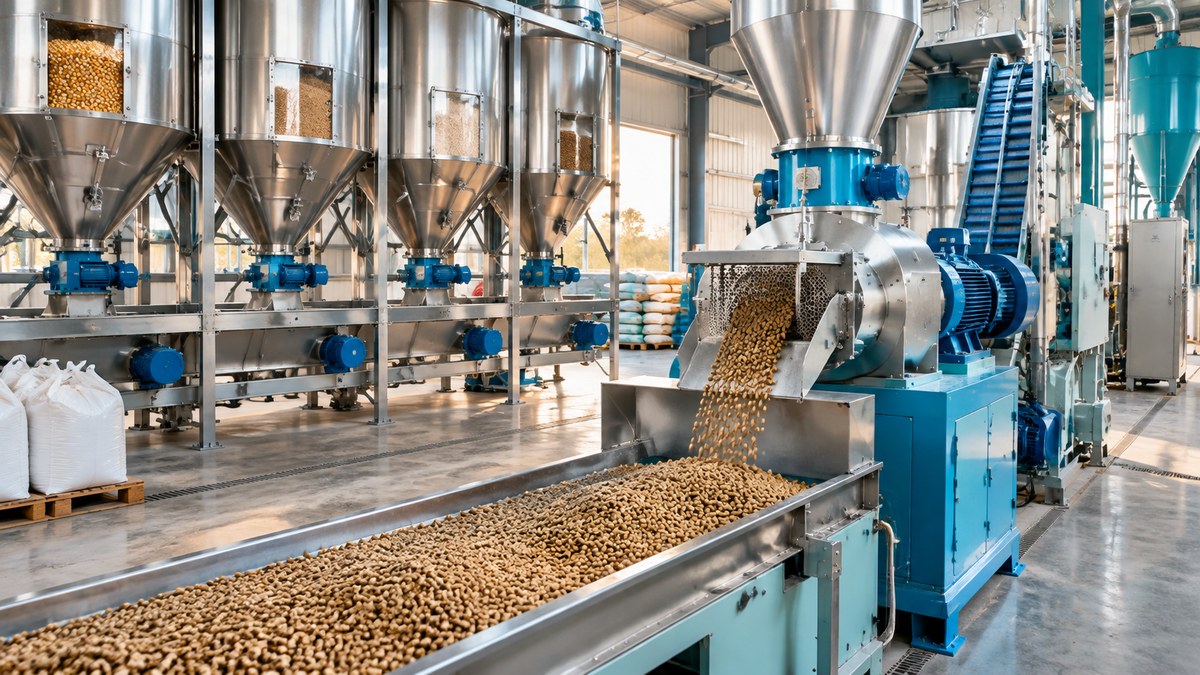 Balanced sulfur amino acids from guar protein fractions support feathering, growth, and lay persistence in organic flocks.
Formulation Guidelines and Feed Mill Integration
Achieving the best performance and cost savings requires phase-specific inclusion rates. Young chicks have developing digestive enzyme capacity, so inclusion should start conservatively and increase as the gastrointestinal tract matures. Nutritionists should formulate on digestible amino acid values and confirm results through on-farm trials.
- Broiler starter (days 1 to 14): 2.5% to 4.0% fine-ground roasted Guar Korma alongside organic grains.
- Broiler grower and finisher (day 15 to processing): 4.0% to 7.0% roasted Guar Korma, with Guar Meal Churi at 2.0% to 4.0% to provide structural fiber for gizzard development.
- Organic layers and breeders: 3.0% to 6.0% roasted Guar Korma, maintaining egg mass while reducing organic soybean meal inclusion.
Industry studies indicate that roasted Guar Korma can replace roughly 20% to 35% of certified organic soybean meal in broiler and layer rations, with reported feed cost savings in the range of USD 15 to 35 per metric ton depending on regional prices. Both fractions have a uniform granular texture (30 to 60 mesh) and a bulk density of 550 to 650 kg/m³, ensuring smooth gravity flow in batching bins, good micro-ingredient dispersion, and strong pellet durability during steam conditioning.
- Traceability: Sourcing from farming communities in Gujarat and Rajasthan supports full lot-level traceability, described on the sustainability page.
- Documentation: Organic and non-GMO certificates, specification sheets, and certificates of analysis accompany each shipment.
Key Takeaways
- Superior non-GMO protein: Roasted Guar Korma (50% to 56% CP) and Guar Meal Churi (approximately 35% to 42% CP) are 100% plant-based, mechanically processed proteins suited to organic programs.
- ANF inactivation: Controlled steam roasting inactivates more than 93% of trypsin inhibitors and destroys lectins, making guar protein safe and digestible for poultry.
- Feathering and lay support: High sulfur amino acid and arginine content supports keratin synthesis, plumage development, and lay persistence.
- Gut health: Combining guar fractions with beta-mannanase enzymes keeps digesta viscosity low and improves energy utilization.
- Cost and supply resilience: Partial replacement of 20% to 35% of organic soybean meal lowers ration costs and diversifies protein sourcing.
Frequently Asked Questions
What is the difference between organic Guar Korma and Guar Meal Churi?
Both are protein fractions produced when organic guar seeds are milled to remove the endosperm used for Guar Gum. Guar Korma is the germ fraction, with 50% to 56% crude protein and low fiber, making it ideal for broiler starter and grower feeds. Guar Meal Churi contains more hull material, with roughly 35% to 42% crude protein and 10% to 14% fiber, and suits pullet, layer, and breeder diets.
Why must guar meal be thermally processed before feeding young poultry?
Raw guar seed fractions contain heat-labile trypsin inhibitors and lectins, along with residual galactomannans. In young birds, trypsin inhibitors interfere with protein digestion and can cause pancreatic enlargement. Controlled steam roasting at 115°C to 125°C denatures the large majority of these factors, producing a highly digestible protein that is safe for broiler chicks and laying hens.
Can organic Guar Korma fully replace organic soybean meal?
Not entirely. Industry studies indicate that roasted Guar Korma can safely replace about 20% to 35% of certified organic soybean meal in broiler and layer rations. This partial substitution helps meet arginine and sulfur amino acid requirements while lowering ration costs and reducing dependence on a single protein source. Formulations should be confirmed with on-farm performance trials.
Are guar meal fractions compatible with organic certification?
Certified organic Guar Korma and Guar Meal Churi are produced without chemical solvents or genetic modification, using only mechanical splitting, roasting, and sifting. When sourced from certified organic farms and handled under a certified chain of custody, they can be used in feed programs aligned with the USDA National Organic Program, EU Regulation 2018/848, and CODEX organic guidelines.
Organic poultry producers and feed cooperatives looking to strengthen protein security can partner with B.D. Guar Pvt. Ltd. for a reliable supply of Superior certified organic Guar Korma and Guar Meal Churi. Explore the full range on the products page or contact the animal nutrition team to request specification sheets, amino acid profiles, and trial samples.