High-Energy Broiler Diets: Formulating Cost-Effective Poultry Feeds
Roasted Guar Korma delivers 50-56% crude protein with deactivated anti-nutritional factors, helping broiler feed mills cut soybean meal costs without losing growth.
Last updated:
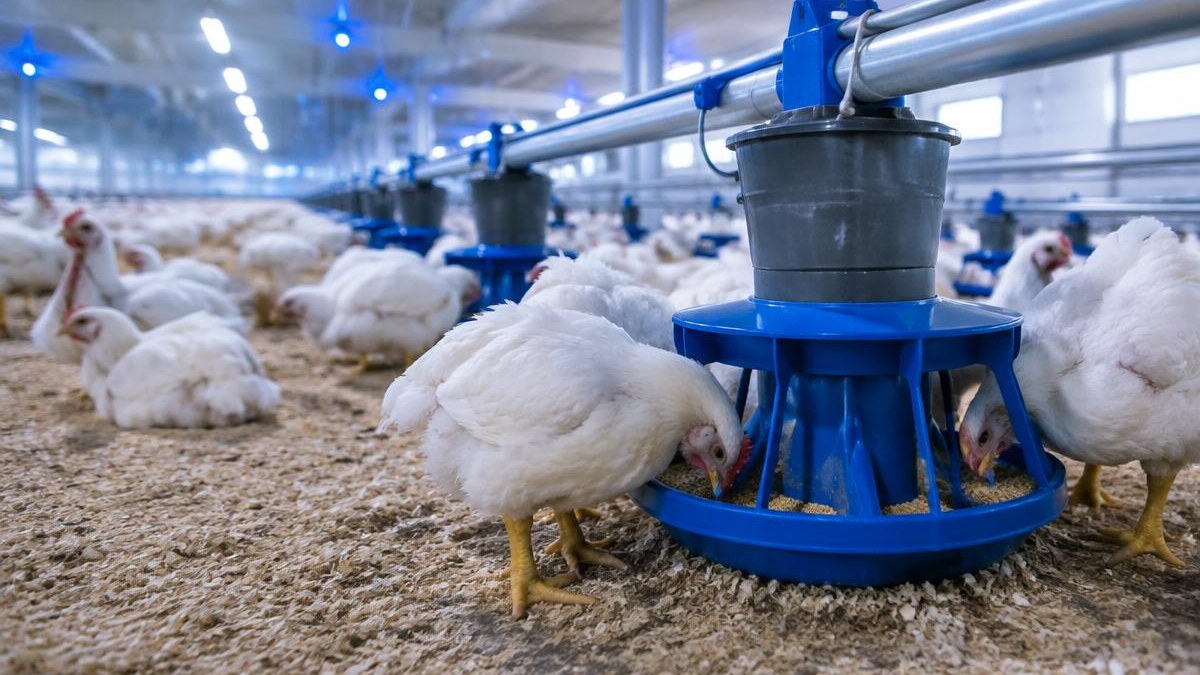
In the volatile 2026 global livestock market, formulating high-energy broiler diets with Roasted Guar Korma has become a practical lever for poultry feed mill operations managers under pressure to control feed costs. As soybean meal prices continue to fluctuate, high-protein alternative fractions are moving from niche to mainstream. Roasted Guar Korma offers a 50% to 56% crude protein profile, and controlled thermal processing deactivates its anti-nutritional factors, producing a Superior, highly digestible and cost-effective protein source for modern broiler rations.
Research Overview
Industry studies indicate that feed accounts for roughly two-thirds or more of total poultry production cost, with protein concentrates the largest single line item. Guar Korma is the protein-dense germ fraction recovered when Cyamopsis tetragonoloba seed is split to produce Guar Gum. With proper roasting and exogenous beta-mannanase, it can replace a meaningful share of soybean meal in broiler starter, grower and finisher diets while supporting intestinal health and litter quality.
From Guar Seed to Feed Protein: Where Guar Korma Comes From
Processing guar seed separates it into three anatomical fractions. The fibrous outer hull and residual meal become Guar Churi, the galactomannan-rich endosperm becomes Guar Gum splits, and the protein-dense internal germ becomes Guar Korma. The germ fraction represents a substantial share of total seed weight and carries the highest concentration of crude protein and essential amino acids.
Historically, raw guar germ faced strict inclusion limits in monogastric diets because of naturally occurring trypsin inhibitors, bitter saponins and residual galactomannan gum. Modern processing, particularly controlled high-temperature roasting and fluid-bed toasting, has changed that picture and made Roasted Guar Korma a credible partner ingredient for soybean meal in commercial broiler feeds.
- Guar Churi: hull-rich fraction with 38% to 42% crude protein, widely used in ruminant feed.
- Guar Gum splits: the endosperm fraction milled into food and industrial hydrocolloids.
- Roasted Guar Korma: germ-rich fraction with 50% to 56% crude protein, suited to poultry, swine and aquaculture diets.
Thermal Toasting: Eliminating Anti-Nutritional Factors and Maximizing Digestibility
The main barrier to using raw leguminous seed fractions in poultry nutrition is their built-in chemical defence. Raw guar germ contains compounds that interfere with digestive enzymes and nutrient absorption in the avian gut. Roasting is the step that turns this co-product into a dependable feed protein.
- Deactivation of trypsin inhibitors: Heat-labile trypsin inhibitors bind pancreatic trypsin and chymotrypsin, reducing amino acid digestibility and feed intake and causing compensatory pancreatic enlargement in broilers. Controlled roasting, typically in the 130 to 150 degrees C range, denatures these proteins; industry studies indicate reductions in trypsin inhibitor activity of more than 90%.
- Degradation of saponins: Triterpenoid saponins in raw germ impart bitterness, depress palatability and can irritate the intestinal mucosa. Thermal treatment degrades these compounds, supporting consistent daily feed intake across starter, grower and finisher phases.
- Improved amino acid availability: Precisely controlled heat partially denatures native proteins without excessive Maillard browning. Industry studies indicate standardized ileal amino acid digestibility above 85% for well-toasted Guar Korma, with a profile rich in arginine, leucine and glutamic acid.
- Biosecurity benefit: Roasting temperatures reduce enterobacterial loads such as Salmonella and E. coli, supporting compliance with feed hygiene expectations.
Over-processing is as damaging as under-processing. Excess heat can reduce lysine availability, which is why consistent, instrumented roasting and batch-level protein testing matter to feed mill buyers. Details on testing protocols are available on the B.D. Guar quality page.
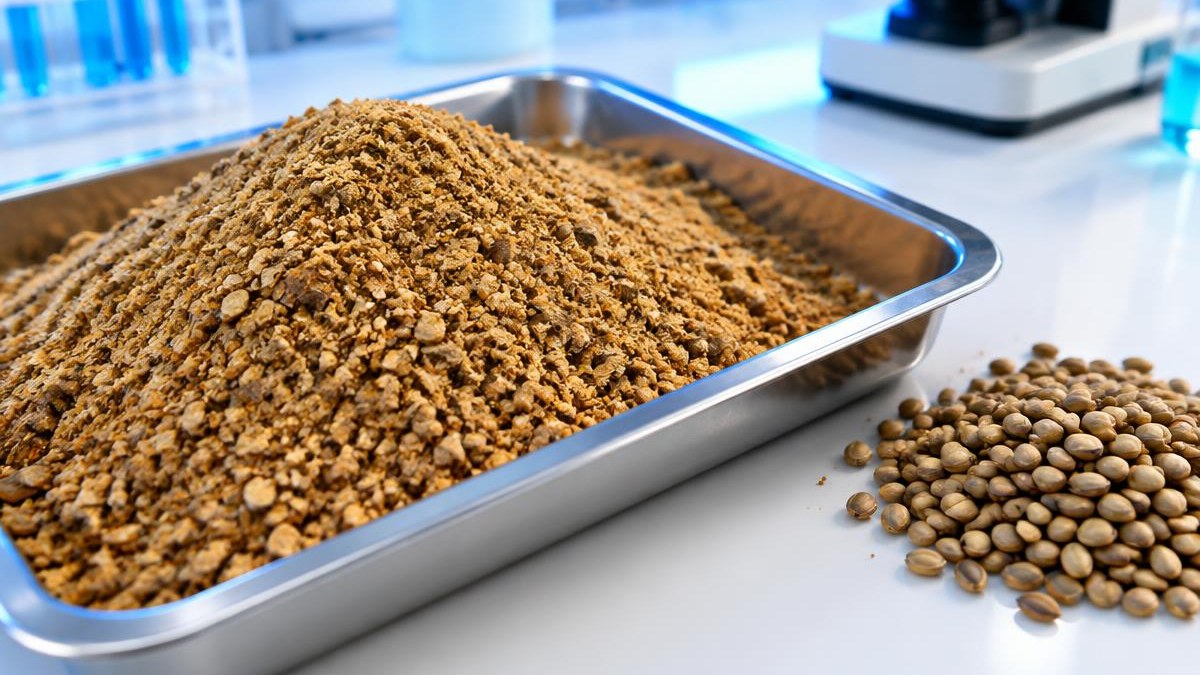 Roasted Guar Korma: a thermally processed, protein-dense germ fraction for broiler feed formulation.
Residual Galactomannan and Beta-Mannanase Synergy
Roasting eliminates heat-labile proteinaceous anti-nutritional factors, but Roasted Guar Korma retains a small share of soluble residual galactomannan, typically in the 3% to 6% range. Managing this non-starch polysaccharide is essential for digesta rheology in young birds.
- Intestinal viscosity: Galactomannan is a beta-1,4-linked mannan backbone with alpha-1,6-linked galactose side chains. Broilers lack endogenous mannan-degrading enzymes, so soluble galactomannan raises digesta viscosity, slows nutrient diffusion and can contribute to sticky droppings and wet litter.
- Beta-mannanase mode of action: Exogenous beta-mannanase (EC 3.2.1.78) cleaves internal beta-1,4 bonds of the mannan backbone, breaking long polymers into short manno-oligosaccharides (MOS).
- Prebiotic value of MOS: Industry studies indicate MOS can support beneficial cecal microbiota and help limit colonization by pathogens such as Salmonella, contributing to villus integrity.
- Energy sparing: Soluble beta-mannans can trigger an innate feed-induced immune response. Breaking them down conserves metabolic energy; industry studies indicate beta-mannanase can provide a metabolisable energy uplift in the order of tens of kcal per kg of feed, which can be redirected toward lean growth.
For a deeper look at galactomannan structure and hydration behaviour, see the Guar Gum glossary.
Phase-Specific Inclusion Rates Across the Broiler Cycle
Successful use of Roasted Guar Korma depends on matching inclusion to the physiological maturity of the broiler digestive tract. The ranges below are practical starting points that should be validated in each mill against local ingredient matrices and bird performance data.
- Starter phase (days 0 to 14): Chicks have an immature gut with developing enzyme secretion. Conservative inclusion of 2% to 4% in starter crumbles, always with beta-mannanase, delivers dense protein for early tissue development while avoiding intestinal stress.
- Grower phase (days 15 to 28): As endogenous protease output increases, inclusion can move to 5% to 8% of the diet, replacing part of the soybean meal while holding feed conversion ratio (FCR) targets.
- Finisher phase (day 29 to market): Birds consume most of their lifetime feed in this phase. Inclusion of 7.5% to 10% is commonly used, which is where absolute cost savings are greatest.
- Amino acid balancing: Guar Korma has a higher arginine-to-lysine ratio than soybean meal, so formulators should rebalance crystalline lysine and methionine to maintain an ideal amino acid profile, breast meat yield and controlled nitrogen excretion.
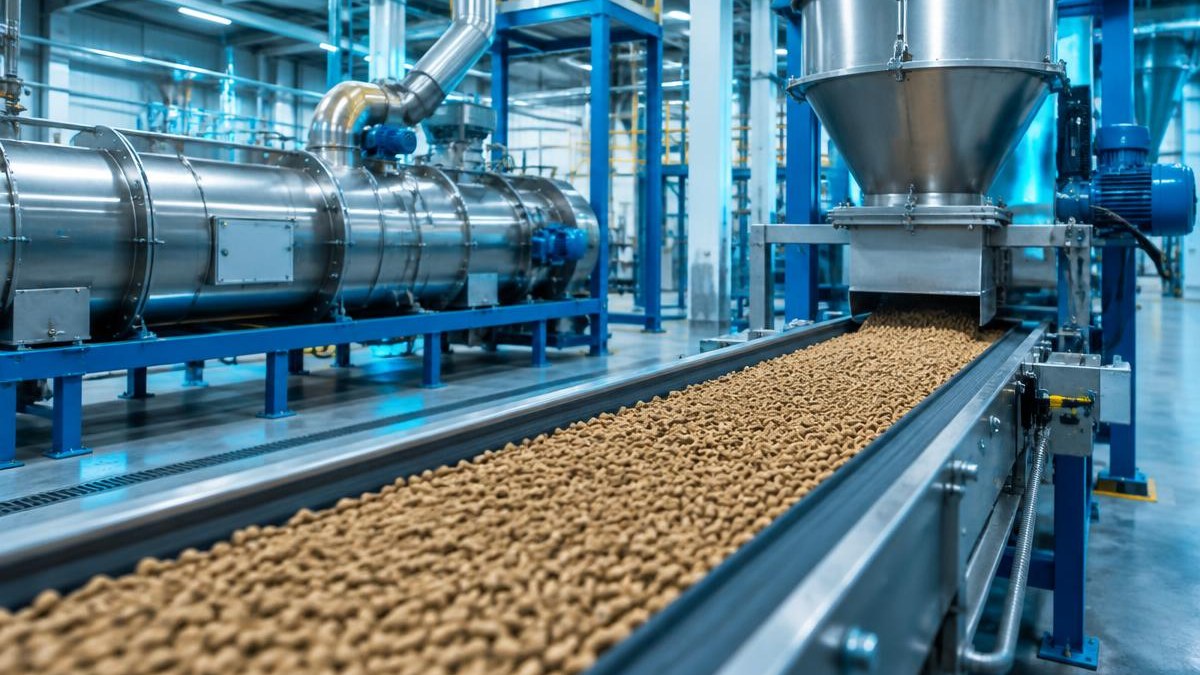 Phase-wise inclusion of Roasted Guar Korma helps feed mills balance cost, amino acid supply and pellet quality.
Economics, Pellet Quality and the 2026 Market Context
In the 2026 commodity landscape, ingredient selection comes down to net cost per unit of digestible nutrient. Roasted Guar Korma carries 50% to 56% crude protein against roughly 44% to 48% for standard solvent-extracted soybean meal, so each tonne delivers more protein into the formula.
- Soybean meal replacement economics: Moderate inclusion of 5% to 10% can lower finished-feed formula cost; the size of the saving depends on regional oilseed and guar pricing at the time of purchase.
- Non-GMO and sustainable sourcing: Guar is a rain-fed, drought-tolerant legume grown in northwest India. Guar Korma is non-GMO and supports poultry integrators working to reduce reliance on deforestation-exposed soy supply chains. More on sourcing is available on the sustainability page.
- Pellet durability: Residual functional carbohydrates act as a natural pellet binder, improving pellet durability index (PDI), reducing fines in feeders and easing handling in automated mills.
- Batch consistency: Controlled roasting and batch testing for crude protein, particle size and moisture (typically under 10%) protect mills from nutrient variability between lots.
Key Takeaways
- High protein density: Roasted Guar Korma supplies 50% to 56% crude protein, a cost-effective partial alternative to soybean meal in broiler rations.
- Thermal ANF deactivation: Controlled roasting denatures most heat-labile trypsin inhibitors and degrades bitter saponins, restoring protein digestibility and feed intake.
- Enzyme synergy: Beta-mannanase hydrolyzes residual galactomannan, reducing digesta viscosity and generating prebiotic manno-oligosaccharides.
- Phase-specific dosing: Inclusion from 2% to 4% in starter diets up to 7.5% to 10% in finisher diets balances savings with growth and litter quality.
- Sustainable and non-GMO: A rain-fed botanical co-product that helps integrators meet 2026 ESG and clean-label feed expectations.
Frequently Asked Questions
How does Roasted Guar Korma differ from raw guar meal?
Raw guar meal contains untreated anti-nutritional factors, including trypsin inhibitors and bitter saponins, which depress feed intake and reduce protein digestibility in monogastric animals. Roasted Guar Korma undergoes controlled thermal processing that deactivates trypsin inhibitors, degrades saponins and reduces microbial load, making it a safe and highly digestible protein source for broiler chickens.
Why is beta-mannanase recommended when feeding Guar Korma?
Guar Korma retains a small percentage of soluble galactomannan, the same polysaccharide that makes up Guar Gum. Beta-mannanase breaks down this non-starch polysaccharide in the small intestine, preventing higher digesta viscosity, improving nutrient absorption and converting residual gum into manno-oligosaccharides that support beneficial gut microflora.
How does its crude protein compare with soybean meal?
Roasted Guar Korma typically contains 50% to 56% crude protein, whereas standard solvent-extracted soybean meal contains around 44% to 48%. The higher protein density lets nutritionists formulate more concentrated diets, provided crystalline lysine and methionine are adjusted to account for the different amino acid profile.
Can Roasted Guar Korma fully replace soybean meal in broiler diets?
Best practice is partial replacement rather than full substitution. Inclusion of about 5% to 10% in grower and finisher diets captures meaningful cost savings while keeping amino acid balance, feed conversion and litter quality on target. Mills should validate rates through their own performance trials before scaling up.
To lower formulation costs, secure a consistent non-GMO protein supply and support broiler growth performance through 2026, work with a supplier that controls processing from seed to finished meal. B.D. Guar Pvt. Ltd. supplies Superior-grade Roasted Guar Korma processed for protein digestibility, low moisture and batch consistency. Explore the full range on the products page or contact the team for specifications, samples and formulation support.