Fast Hydration Gums in Hydraulic Fracturing: Maximizing Efficiency in 2026
How Fast Hydration Guar Gum (FHGG) is transforming shale gas operations in 2026 through rapid viscosity development, precision dosing, and advanced flowback water recycling.
Last updated:
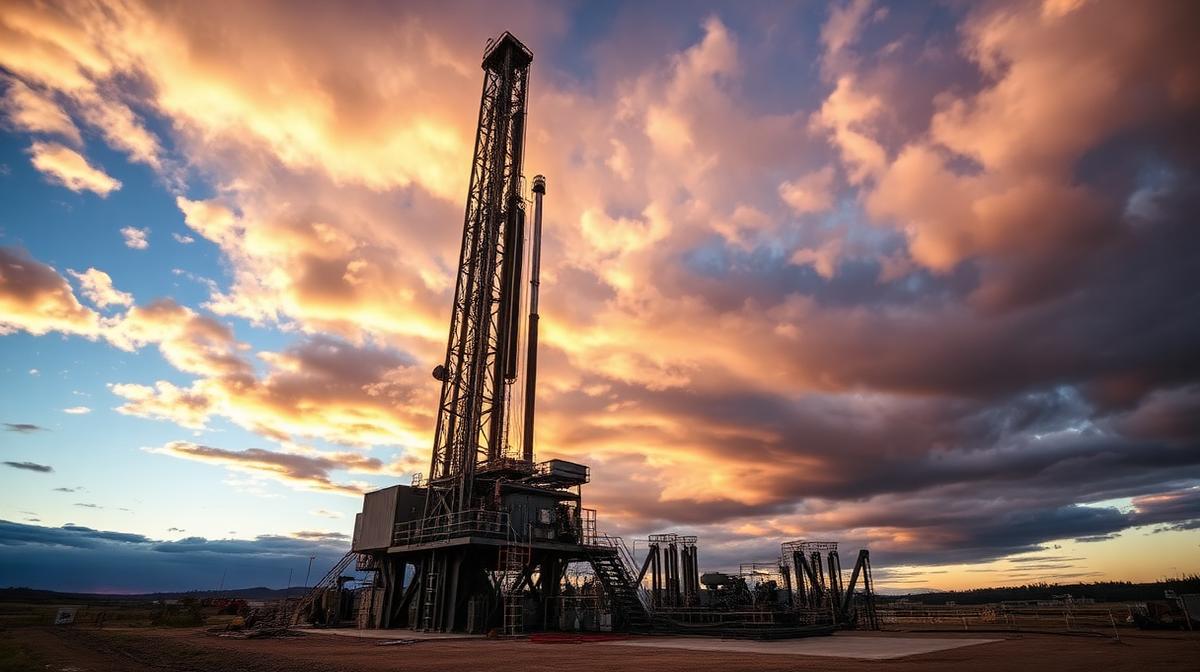
In the highly competitive landscape of 2026 shale gas exploration, operational efficiency and time management are critical variables. As operators seek to minimize costs and maximize well productivity, advanced fluid engineering has taken center stage. At the forefront of this revolution is Fast Hydration Guar Gum (FHGG)—a specialized natural polymer that is fundamentally transforming hydraulic fracturing operations by reducing downtime, optimizing proppant transport, and enabling advanced water recycling.
Research Overview
This article provides a comprehensive technical analysis of Fast Hydration Guar Gum and its critical role in modern hydraulic fracturing. We examine how FHGG eliminates the hydration bottleneck, maximizes proppant transport efficiency, enables precision on-the-fly dosing through slurriable formulations, and supports sustainable extraction via advanced flowback water filtration and reuse systems.
The Need for Speed: Eliminating the Hydration Bottleneck
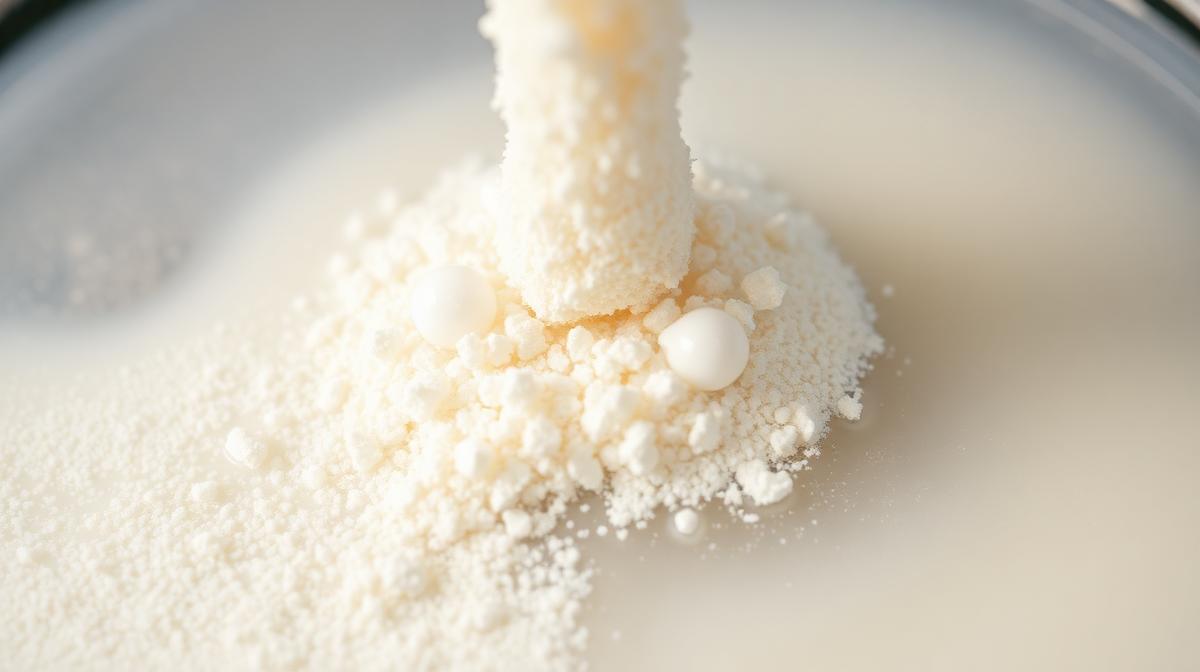
Historically, preparing fracturing fluids was a time-consuming process. Regular guar gum typically requires up to two hours to fully hydrate and reach its desired viscosity. In a fast-paced drilling environment, this waiting period necessitated the use of massive, energy-intensive hydration tanks on-site to prepare the fluid batches in advance.
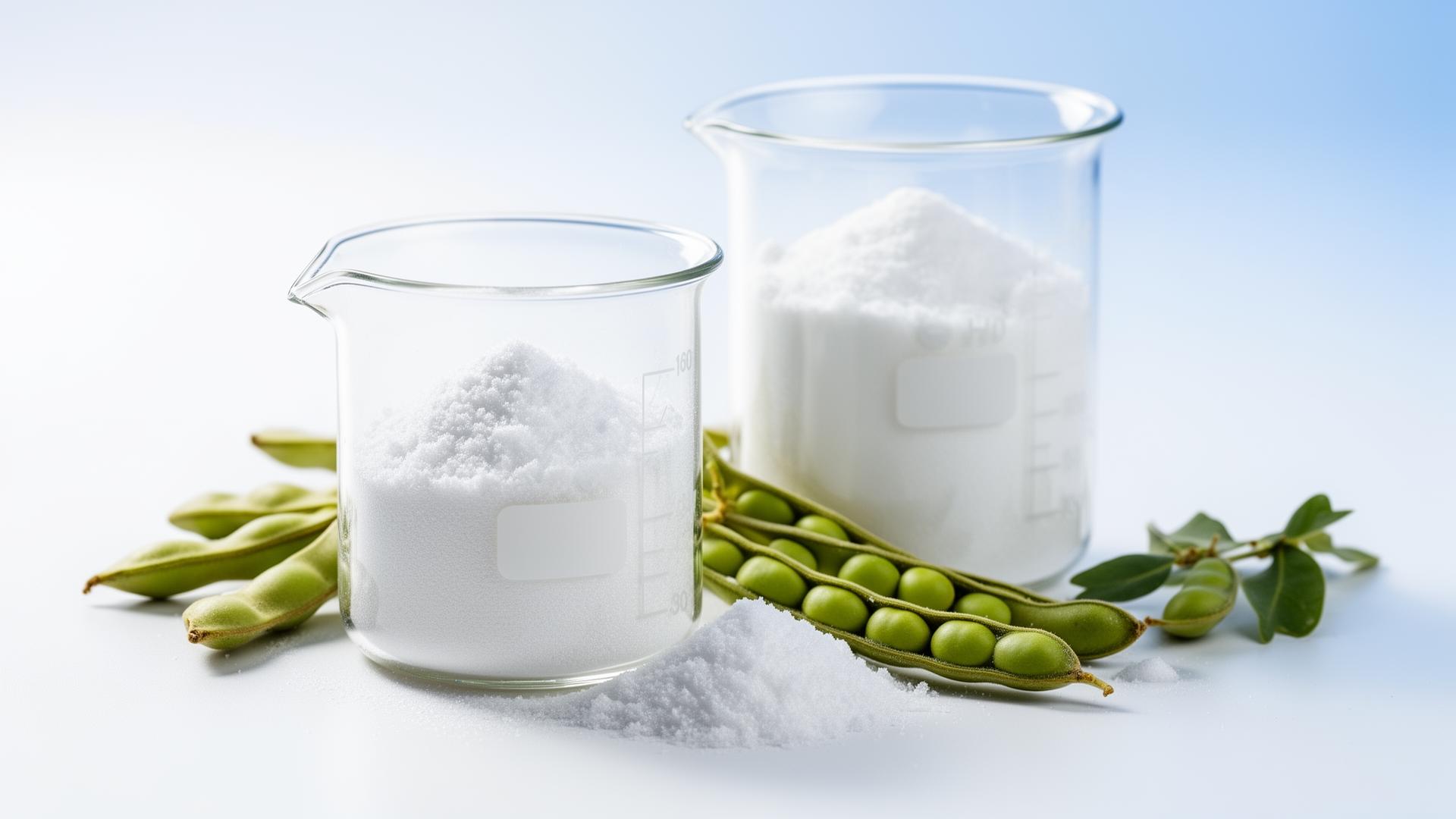
Fast Hydration Guar Gum, also referred to industrially as quick hydration or rapid hydration guar gum powder, solves this bottleneck entirely. Key advantages include:
- Peak viscosity within minutes of being added to water, compared to hours for standard guar
- Elimination of prolonged mixing and massive storage tank requirements
- Continuous, high-efficiency pumping operations that drastically reduce well completion times
Maximizing Proppant Transport and Well Yield
The primary purpose of adding FHGG to fracturing fluids is to thicken the water to a highly viscous, gel-like state. This high viscosity is absolutely essential for the efficient transport of proppants—typically graded sand or ceramic particles—deep into the rock formation.
During the high-pressure injection phase, the FHGG-thickened fluid effortlessly suspends the heavy sand, preventing it from settling out prematurely. Once the fluid wedges the rock open, the suspended proppants are driven directly into the fractures, propping the fissures open to create a permanent, highly conductive pathway for natural gas to flow back to the wellbore. Without the rapid and stable viscosity provided by FHGG, maximizing gas extraction from complex shale formations would be nearly impossible.
Precision Dosing with Slurriable Guar
To further enhance on-site efficiency, the industry has widely adopted slurriable guar formulations. Also known as diesel slurry guar or formulated in environmentally friendly, 0-BTEX mineral oils, these liquid suspensions allow for incredibly precise dosing.
Key performance characteristics of slurriable guar include:
- Excellent dispersion properties allowing seamless on-the-fly addition directly into the pumping stream
- Bypasses traditional batch mixing for faster operational tempo
- Exceptional wellbore stability across various fluid chemistries
- Highly effective in standard water-based fluids and equally robust in high-density brine-based systems (such as Sodium Bromide, NaBr) for controlling extreme bottom-hole pressures
Sustainable Extraction: Flowback Water Filtration and Reuse
While operational speed is vital, 2026 regulatory standards also demand stringent environmental sustainability. Hydraulic fracturing requires substantial volumes of water, making the recycling of produced or flowback water a top priority.
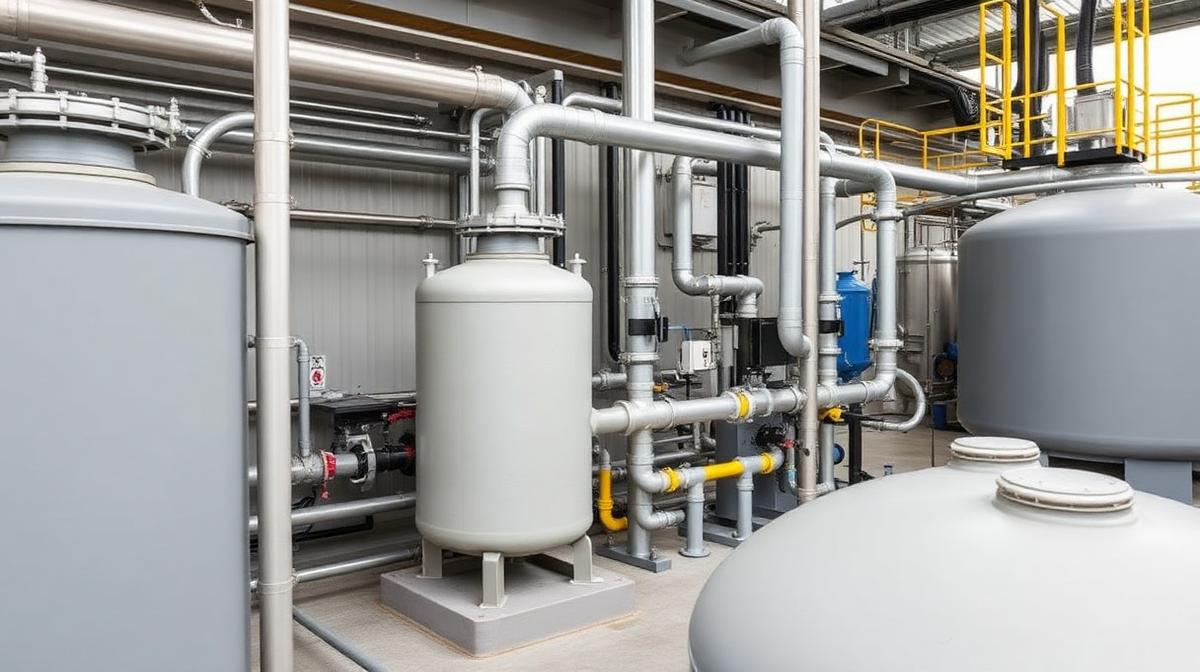
One of the historical challenges with reusing flowback water is the presence of residual polymer contaminants and un-broken guar fragments, which can cause severe formation damage if pumped back downhole. To overcome this, modern drilling operations employ:
- Advanced mechanical filtration systems paired with chemical pre-treatment
- Specific flocculants such as ferric chloride to rapidly destabilize and aggregate residual guar and suspended solids
- Polymer clumping into removable flocs allowing mechanical filters to effectively strip contaminants
The result is clean, reusable flowback water that can be continuously cycled back into the fracking operation, dramatically reducing fresh water consumption and lowering the overall environmental footprint of the drilling site.
Conclusion
As shale gas exploration pushes into deeper and more demanding formations, the margin for error shrinks. Fast Hydration Guar Gum delivers the rapid viscosity, proppant-carrying power, and system compatibility that modern operators require. By combining the precision of slurriable dosing with advanced flowback water recycling, FHGG is not just maximizing operational efficiency in 2026—it is paving the way for a more sustainable energy future.