Dairy Cattle Milk Yield: Optimizing Ruminant Energy and Protein Intake
Roasted Guar Korma delivers 50-55% crude protein and up to 55% rumen-bypass protein, escaping degradation to lift milk yield, solids, and dairy herd profitability.
Last updated:
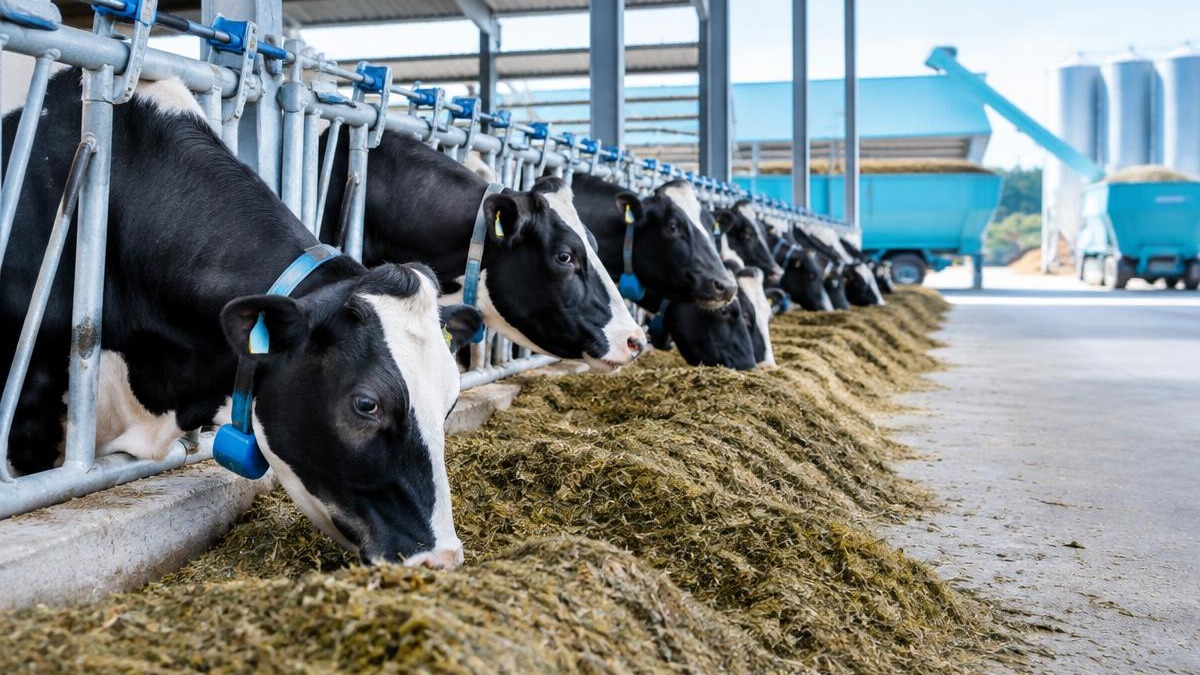
In the 2026 global dairy market, dairy cattle milk yield is the critical benchmark for cooperative purchasing managers and nutritionists aiming to maximize herd profitability. To counter volatile commodity pricing, commercial operations require nutrient-dense ingredients that enhance milk solids without stressing metabolic health. Roasted Guar Korma, derived from the germ of the guar seed, delivers an exceptional concentration of rumen-undegradable bypass protein, supplying an efficient amino acid profile that drives peak lactation performance and herd health.
Research Overview
The 2026 global animal nutrition sector operates under intense pressure to optimize feed conversion ratios while reducing reliance on ecologically taxed protein sources like conventional soybean meal and un-stabilized oilseed cakes. Ruminant physiology degrades most dietary protein into ammonia in the rumen, yet high-yielding cows producing 35 to 50 kilograms of milk per day require substantial digestible protein that bypasses this degradation entirely, and this is precisely the metabolic niche that Roasted Guar Korma fills.
From Guar Seed to Protein Concentrate: Rumen Bypass Mechanics
When the Cyamopsis tetragonoloba legume is processed to extract galactomannan polysaccharides for industrial Guar Gum applications, the seed is mechanically fractionated into three distinct botanical components: the outer hull (14% to 17%), the galactomannan endosperm (35% to 42%), and the germ (43% to 47%). While the endosperm becomes purified Guar Gum, the germ fraction is isolated to produce Guar Korma, a Superior, non-GMO protein concentrate containing 50% to 55% crude protein.
The physiological superiority of Roasted Guar Korma in dairy rations stems directly from its high proportion of Rumen Undegradable Protein (RUP), commonly referred to as bypass protein. Rather than being wasted as excreted urea, this protein reaches the intestine intact for direct absorption.
- Rumen degradation resistance: Standard proteins such as raw soybean or canola meal carry high rumen-degradable fractions; microbial enzymes rapidly cleave them into peptides and ammonia, and excess nitrogen is absorbed, converted to urea by the liver, and excreted, wasting dietary energy.
- Thermal matrix protection: Controlled roasting alters the tertiary structure of germ proteins, creating hydrophobic cross-links that resist microbial proteases in the reticulorumen.
- Targeted intestinal delivery: Approximately 45% to 55% of total crude protein passes intact through the rumen into the abomasum and small intestine.
- Direct enzymatic absorption: In the abomasum and duodenum, host proteases hydrolyze the bypass protein into free amino acids and peptides for immediate use by the mammary gland.
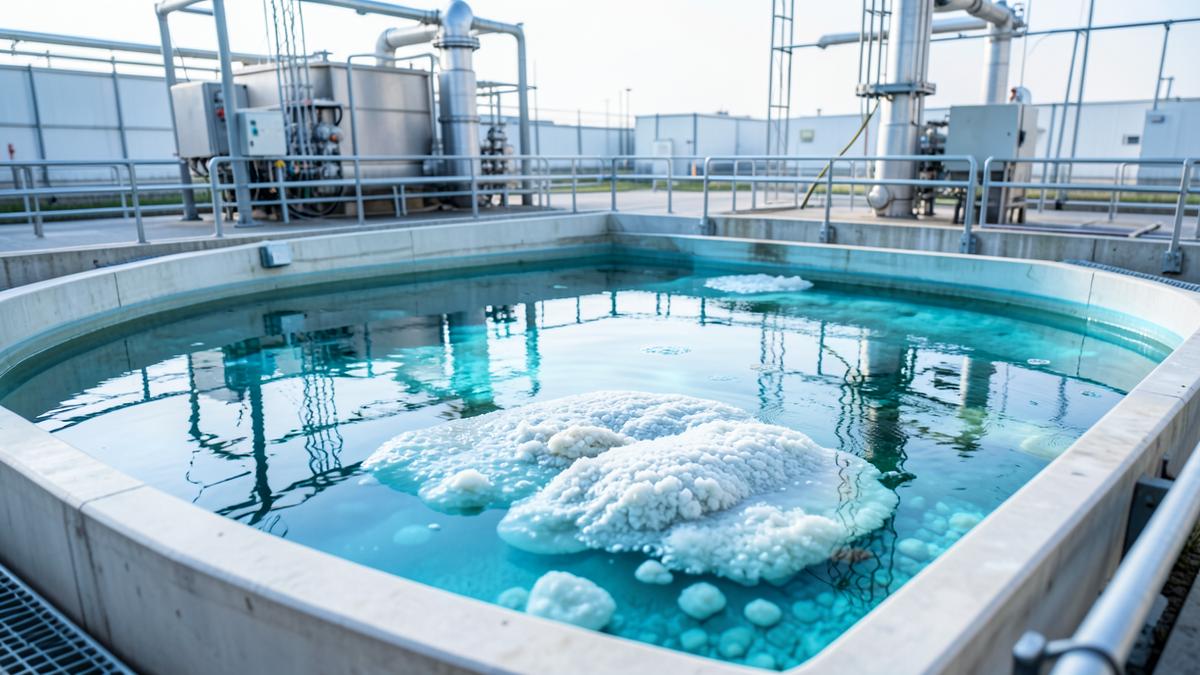
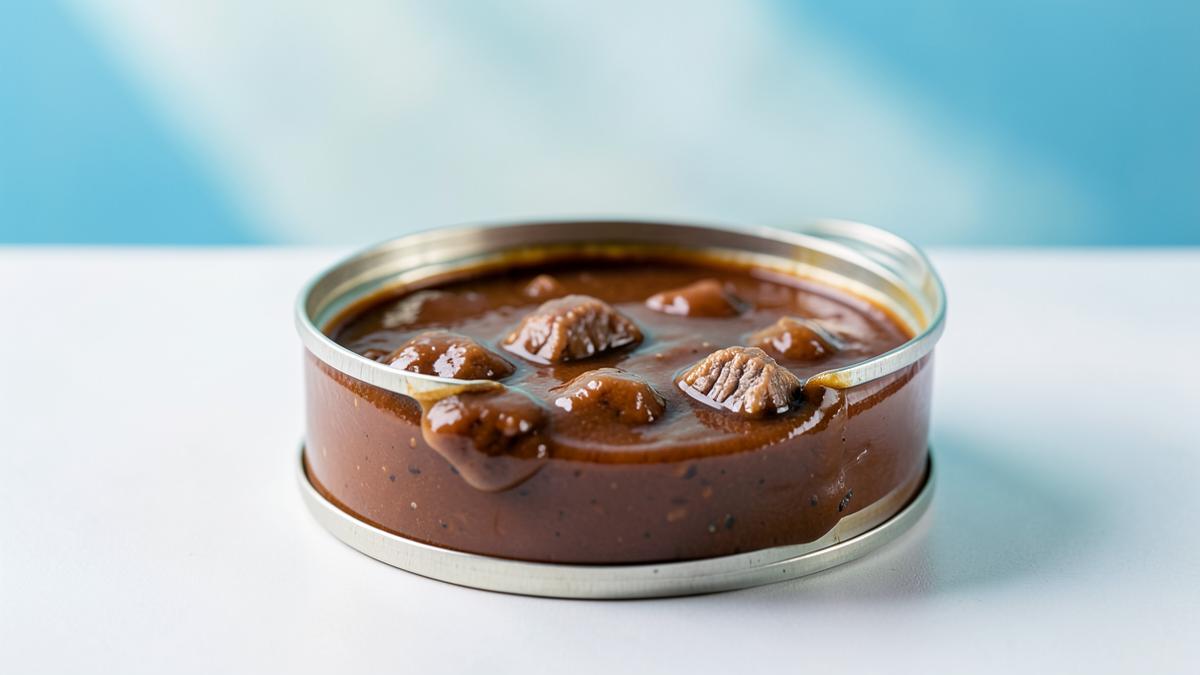
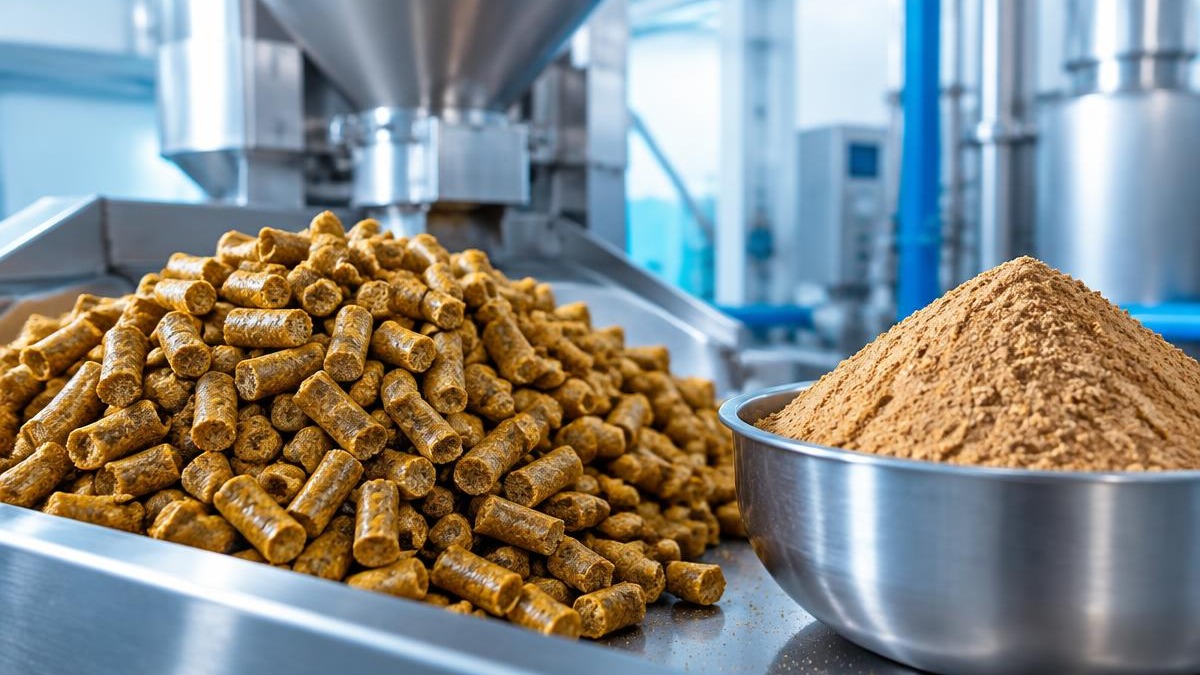 Roasted Guar Korma is isolated from the protein-rich germ fraction of the guar seed for high-performance dairy rations.
Amino Acid Optimization for Peak Lactation and Milk Solids
Lactating dairy cows synthesize milk casein and whey proteins from free amino acids circulating in the blood, so supplying an optimal amino acid balance at the intestinal absorptive site is essential for maximizing both total milk volume and milk solids percentage.
- Essential lysine and methionine balance: These are the two most limiting amino acids for milk protein synthesis. Roasted Guar Korma features a favorable profile rich in arginine, glutamic acid, and lysine that complements silage and cereal-based Total Mixed Ration diets.
- Driving milk protein and fat synthesis: Industry studies indicate that absorbing balanced bypass amino acids in the lower gut elevates milk casein content and boosts solids-not-fat (SNF) percentages, allowing cooperatives to command higher payouts under component-based pricing.
- Glucogenic energy conservation: By minimizing excess rumen ammonia, Roasted Guar Korma reduces energy-intensive hepatic ureagenesis, freeing glucose and metabolic energy for milk lactose synthesis and peak volumetric yield.
- Mitigating negative energy balance: Its residual natural lipid content (4% to 6%) provides dense metabolic calories that stabilize body condition scores during the critical early-lactation window.
Deactivation of Anti-Nutrients via Advanced Thermal Toasting
Raw agricultural seeds contain defense mechanisms designed to protect the embryo, so precise industrial processing is mandatory to transform raw guar germ into a Superior, bioavailable dairy feed. B.D. Guar applies controlled thermal toasting validated through in-house quality control.
- Eradication of trypsin inhibitors: Thermal toasting at 100°C to 120°C denatures heat-labile protease inhibitors, ensuring total intestinal protein digestibility exceeds 88% to 92%.
- Elimination of saponins and tannins: High-temperature fluid-bed roasting neutralizes bitter compounds, improving palatability and driving consistent dry matter intake.
- Pathogen elimination and shelf stability: Roasting destroys heat-sensitive pathogens such as Salmonella and Escherichia coli, while moisture below 10% prevents fungal growth and mycotoxin formation.
- Clean-label and non-GMO assurance: Per standards from the FAO, USDA, and EFSA, properly processed guar meal is a safe feed ingredient, and cultivation without genetic modification supports clean-label dairy certifications.
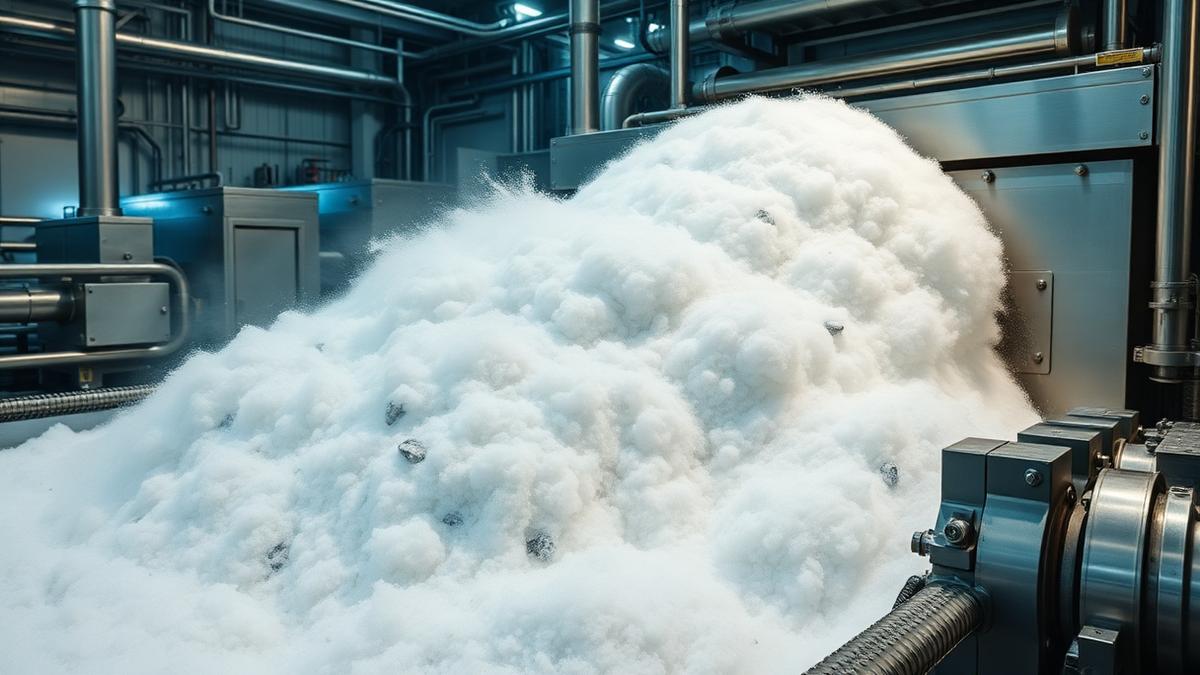
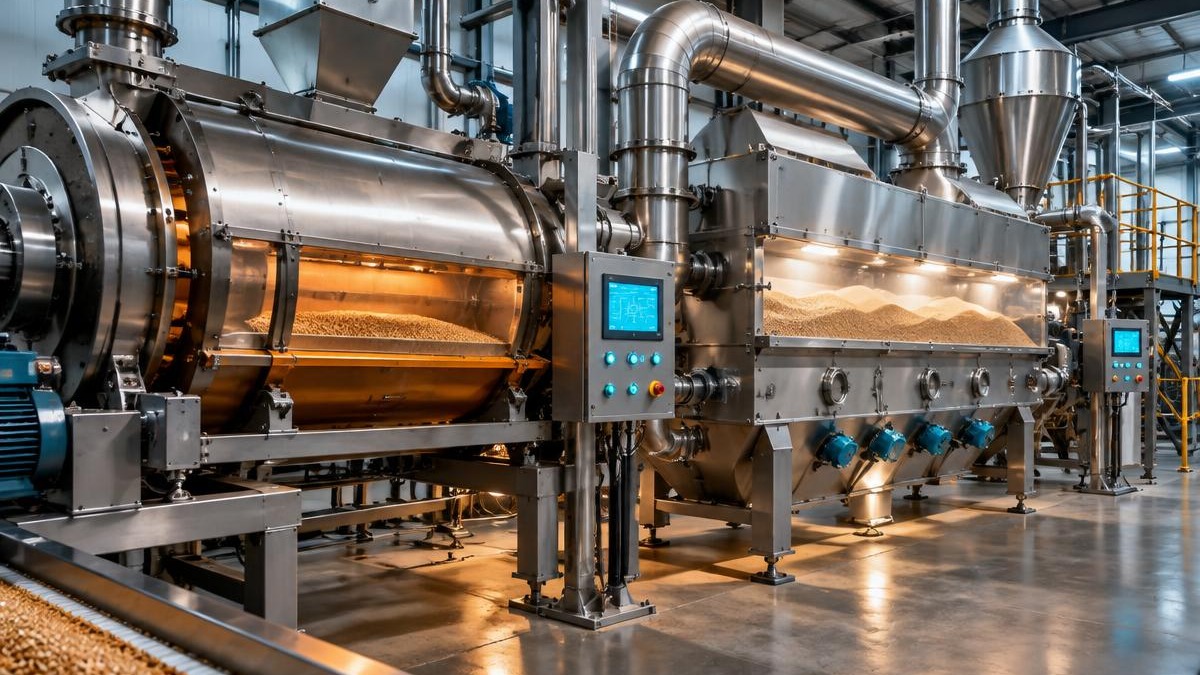 Advanced thermal toasting deactivates anti-nutritional factors, raising intestinal digestibility above 88%.
Economic Efficiency and Ration Formulations for 2026 Dairy Operations
In the 2026 global feed market, procurement officers must balance nutritional precision with raw material economics, and Roasted Guar Korma presents a highly compelling cost-benefit ratio compared to traditional protein meals. Its production is directly linked to large-scale industrial Guar Gum extraction, keeping supply robust and buffering cooperatives against localized soy crop failures.
- Direct replacement of costly supplements: According to data from IMARC and global agricultural trade reports, high-quality guar meal and korma trade competitively against solvent-extracted soybean meal and fishmeal, and can safely replace 50% to 100% of conventional protein oilcakes without depressing digestibility.
- TMR inclusion rates: Nutritionists typically incorporate Roasted Guar Korma at 5% to 12% of total ration dry matter (roughly 1.5 to 3.0 kg per cow per day) without altering rumen fiber fermentation.
- Reduced feed cost per liter: Raising daily milk production by 1.0 to 2.2 liters per cow while lowering TMR cost per kilogram delivers a measurable improvement in income over feed cost (IOFC).
Dairy cooperatives pursuing traceable, sustainably sourced protein can review terminology and grade definitions in the Guar Gum glossary before finalizing 2026 formulations.
Key Takeaways
- Superior rumen bypass protein: Roasted Guar Korma provides 50% to 55% crude protein, with up to 55% escaping microbial degradation to be absorbed as amino acids in the lower gut.
- Enhanced milk yield and solids: Direct intestinal absorption of essential amino acids optimizes milk protein synthesis, elevating daily volume, fat percentage, and solids-not-fat metrics.
- Thermal deactivation of anti-nutrients: Advanced roasting destroys trypsin inhibitors and saponins, yielding excellent palatability and intestinal digestibility above 88%.
- Metabolic energy conservation: Lower rumen ammonia reduces hepatic urea synthesis, conserving ATP and glucose for lactose production and early-lactation energy balance.
- Cost-effective non-GMO ingredient: Priced competitively against soy and oilseed cakes in the 2026 market, it maximizes income over feed cost while supporting clean labels.
Frequently Asked Questions
What is the metabolic advantage of bypass protein over rumen-degradable protein for dairy cows?
Rumen-degradable protein is broken down by rumen microorganisms into ammonia used for microbial protein, but high-yielding cows exceed the capacity of microbial protein alone. Rumen-undegradable (bypass) protein escapes ruminal degradation and travels to the abomasum and small intestine, where host enzymes release amino acids that are absorbed and delivered to the mammary gland for rapid milk and protein synthesis.
How does Roasted Guar Korma compare to standard soybean meal in crude protein and amino acid delivery?
Roasted Guar Korma contains 50% to 55% crude protein, outperforming standard soybean meal at 44% to 48%. It also carries a higher proportion of bypass protein thanks to protective thermal roasting, delivering a dense stream of essential amino acids, including arginine, glutamic acid, and lysine, directly to the small intestine without wasteful rumen ammonia losses.
Why is thermal roasting necessary before feeding Guar Korma to cattle?
Raw guar germ contains trypsin inhibitors that block digestive enzymes and bitter saponins that reduce palatability. Controlled industrial roasting permanently deactivates the inhibitors and destroys the saponins, transforming raw germ into a highly palatable, safe, and easily digestible Superior feed ingredient.
What is the recommended inclusion rate of Roasted Guar Korma in high-producing dairy rations?
Livestock nutritionists generally recommend 5% to 12% of total ration dry matter, roughly 1.5 to 3.0 kilograms per cow per day in a balanced Total Mixed Ration. At this level it supplies maximum bypass protein and metabolic energy without disrupting rumen microbial fiber digestion or volatile fatty acid production.
To optimize your dairy herd's lactation performance, lower daily feed costs, and secure a stable supply of high-yield bypass protein for your 2026 feeding programs, partner with a global hydrocolloid and animal feed expert. B.D. Guar Pvt. Ltd. supplies expertly milled, thermally roasted, Superior-grade Roasted Guar Korma engineered for maximum amino acid absorption, animal health, and farm profitability. Contact B.D. Guar Pvt. Ltd. today to request product specifications, bulk pricing, and custom formulation guidance for your dairy cooperative operations.