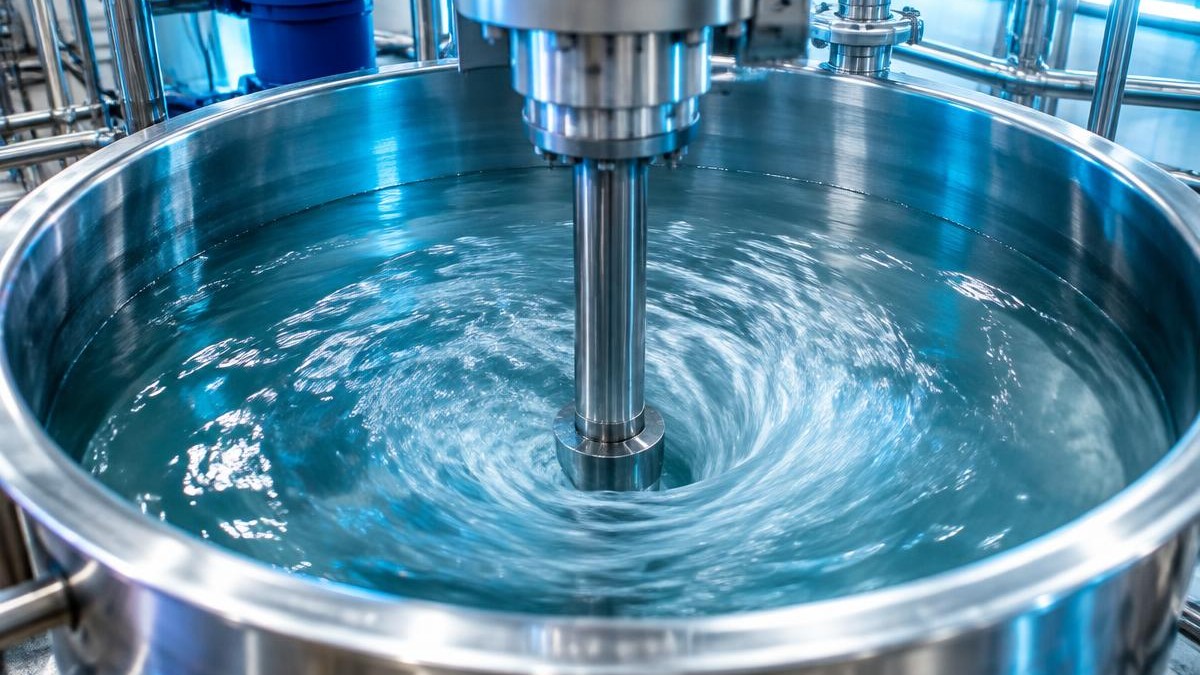
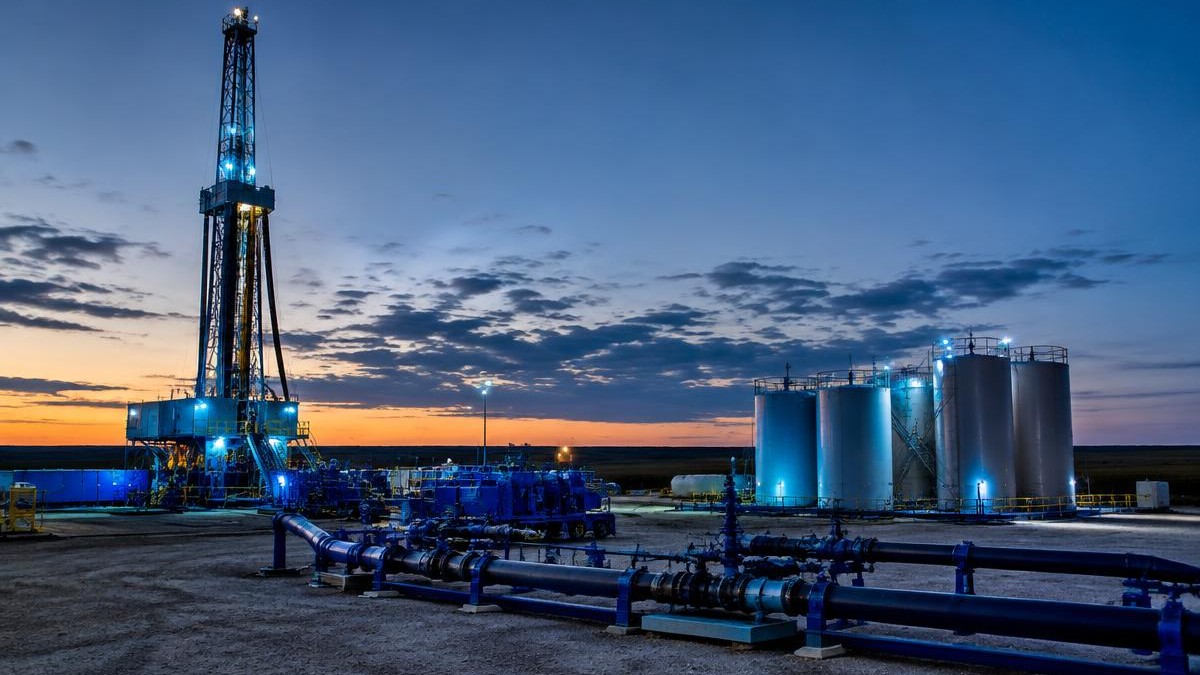
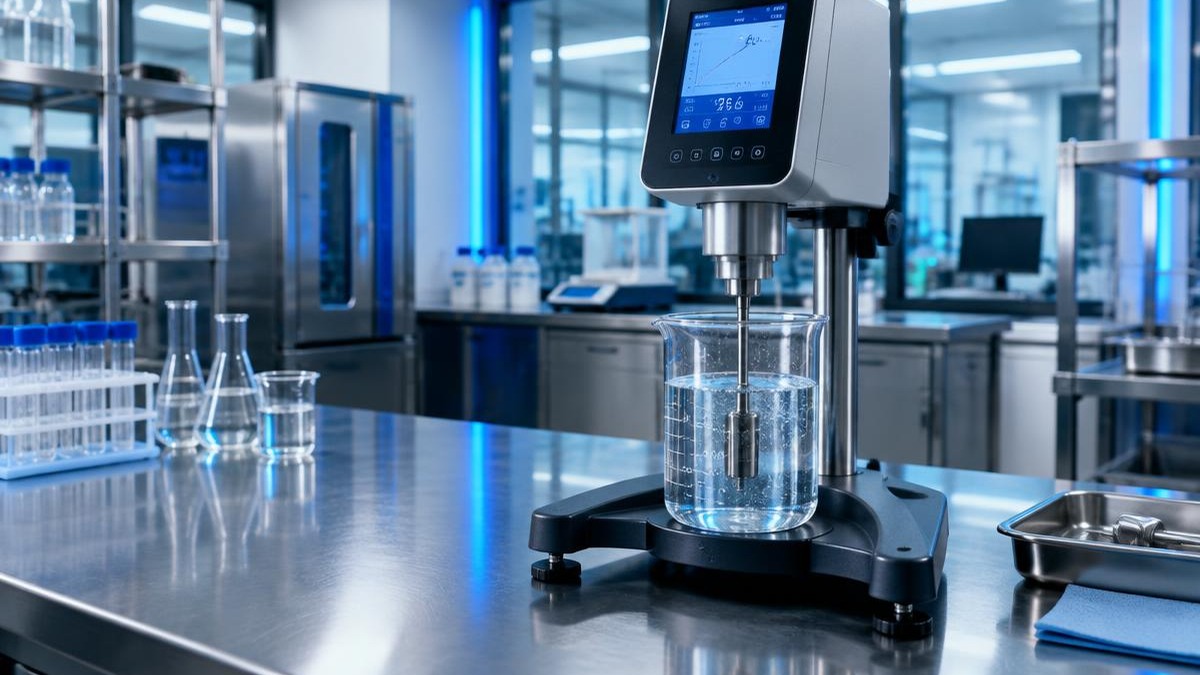
Brine-Compatible Linear Gels for High-Salinity Wellbores
See how non-ionic Guar Gum linear gels stay stable in high-TDS produced water, letting operators reuse brine, cut freshwater costs, and protect fracture productivity.
Last updated:
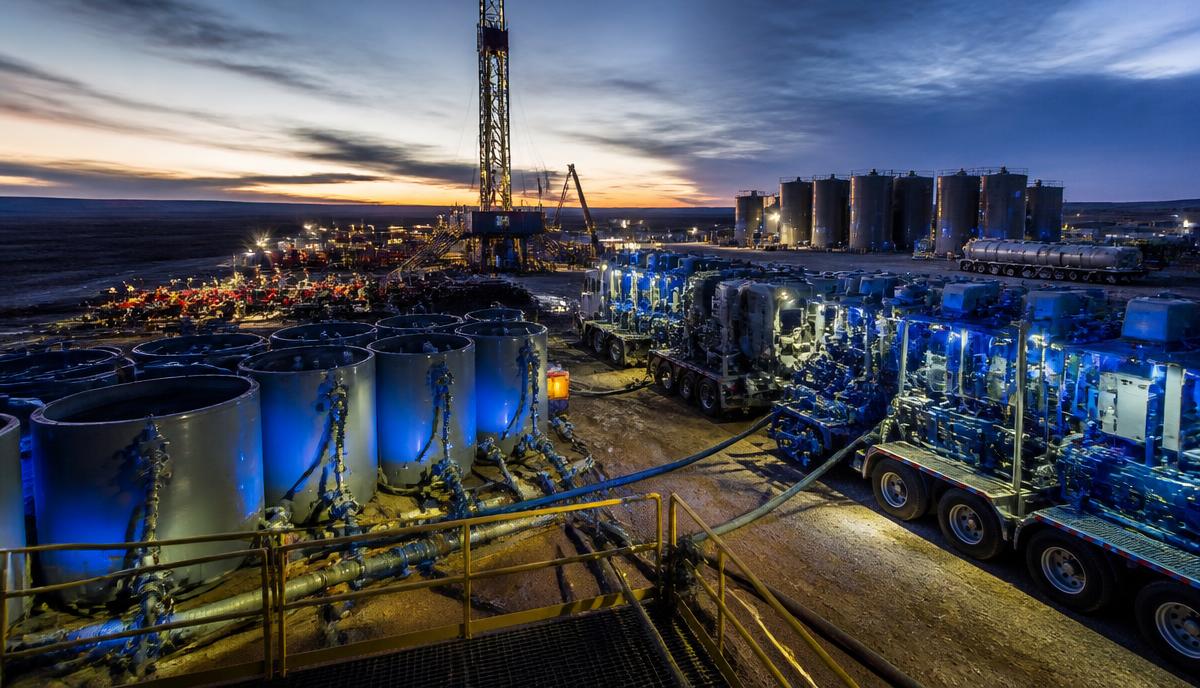
In the demanding 2026 unconventional oil and gas sector, Brine-Compatible Linear Gels have become an operational priority for drilling fluid formulators optimizing hydraulic fracturing in high-salinity wellbores. As fresh water grows scarce and flowback disposal costs climb, operators must shift toward salt-tolerant biopolymers. Advanced Guar Gum chemistry lets formulators prepare high-performance fluids directly with high-total-dissolved-solids produced water while safeguarding viscosity under extreme downhole conditions.
\n\nResearch Overview
\nThe global oil and gas industry in 2026 operates under rising energy demand, stringent environmental regulation, and a constant push for completion efficiency. Unconventional stimulation in high-output shale plays has sustained record production, and market assessments by IMARC link this surge to intensified demand for high-viscosity fracturing additives. Yet this expansion coincides with severe regional water constraints, forcing a decisive shift in how service companies manage their fluid lifecycles and freshwater dependence.
\nHistorically, hydraulic fracturing relied almost exclusively on pristine fresh water to hydrate polymer thickeners. In 2026, the ecological and financial toll of trucking millions of gallons to remote wellsites, plus deep-well injection disposal of flowback, has rendered traditional linear systems uneconomical. Formulators are now mandated to design fluids that use produced water, which is co-extracted with hydrocarbons and typically carries 50,000 to 200,000 ppm of sodium, calcium, and magnesium salts.
\n\nThe Salinity Barrier and Galactomannan Chemistry
\nThe primary obstacle to hypersaline mixing is the physical chemistry of polymer hydration. Conventional synthetic thickeners such as partially hydrolyzed polyacrylamides (HPAM) are highly anionic and undergo severe molecular coil collapse when exposed to divalent cations like calcium and magnesium. The positive salt ions shield the negative charges along the synthetic backbone, neutralizing the electrostatic repulsion that keeps the chain stretched. The result is an immediate loss of hydrodynamic volume, a catastrophic viscosity drop, and a total failure in proppant-carrying capacity.
\nTo overcome this barrier, rheologists rely on the unique structure of natural galactomannans. As documented in Carbohydrate Polymers, natural Guar Gum is a non-ionic polysaccharide built from a linear backbone of beta-(1,4)-linked D-mannopyranose units with alpha-(1,6)-linked D-galactose side branches in a regular 2:1 ratio. Because the backbone lacks ionic charges, hydration and molecular extension are driven by extensive hydrogen bonding with water rather than electrostatic repulsion.
\n- \n
- Structural neutrality: The absence of backbone charge makes Guar Gum inherently more tolerant of dissolved monovalent and divalent salts than synthetic anionic alternatives. \n
- Hydrogen-bonded network: Hydroxyl groups anchor water molecules, sustaining viscosity where charged polymers collapse. \n
- Foundation for design: This baseline tolerance is the starting point for advanced, salt-tolerant linear gel systems. \n
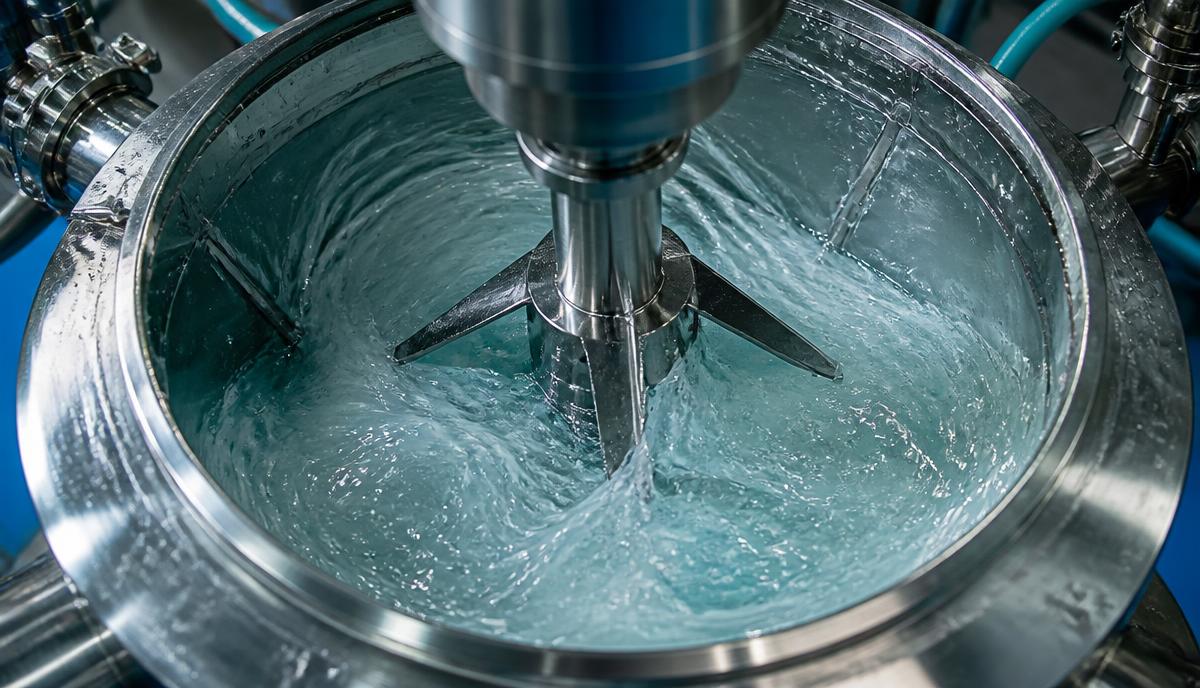 Salt-tolerant Guar Gum linear gels are mixed on-the-fly with high-TDS produced water at the well pad.\n\n
Chemical Mechanisms of Salt Tolerance in Modified Derivatives
\nWhile native Guar Gum offers excellent baseline salinity tolerance, engineers in 2026 use structurally modified derivatives to satisfy the rigorous criteria of deep, high-temperature reservoirs. Chemical etherification lets formulators customize solubility and thermal thresholds for specific brine environments.
\n- \n
- HPG steric stabilization: Hydroxypropyl Guar is synthesized by reacting native splits with propylene oxide under alkaline conditions, adding neutral hydroxypropyl groups. Industry studies indicate these bulky, non-ionic substituents provide steric hindrance that prevents tight entanglement or premature precipitation in heavy calcium or magnesium brines, while cutting insoluble residue to roughly 2 to 4 percent versus 8 to 10 percent for native gum. \n
- CMHPG double derivatization: For high-density brines using sodium bromide or calcium bromide, Carboxymethyl Hydroxypropyl Guar is a Superior standard. Anionic carboxymethyl groups alongside neutral hydroxypropyl groups build a coordinated network that holds viscosity at pH 10 to 12 and reacts synergistically with zirconate and borate crosslinkers even in heavy divalent brine. \n
- Cationic Guar Gum enhancement: Research in the International Journal of Biological Macromolecules shows quaternary-ammonium cationic derivatives deliver extraordinary rheological stability in seawater and concentrated produced water, with permanent positive charges strengthening the polymer network. \n
Achieving Circularity with Produced Water and Heavy Brines
\nThe core operational goal of brine-compatible linear gels is a closed-loop, circular water system at the wellsite, converting an expensive liability into a high-performance asset. Salt-tolerant Guar Gum derivatives make that circularity practical.
\n- \n
- Direct preparation with untreated produced water: Advanced derivatives let formulators mix fluids on-the-fly with raw, high-TDS produced water, bypassing costly chemical softening systems on the well pad. \n
- Managing divalent ion interactions: Produced water often carries barium and sulfate that risk scale precipitation. As analyzed in SPE Journal, such ions can cause localized polymer degradation; brine-compatible formulations stay thermodynamically stable and suppress scale. \n
- Reducing environmental footprint: Replacing 100 percent of freshwater with recycled produced water or local seawater minimizes the regional footprint and aligns with global sustainability mandates. \n
- Lowering completion logistics: Reusing produced water on-site cuts truck traffic, emissions, and disposal fees, saving operators up to 30 percent in fluid-related logistics costs per well. \n
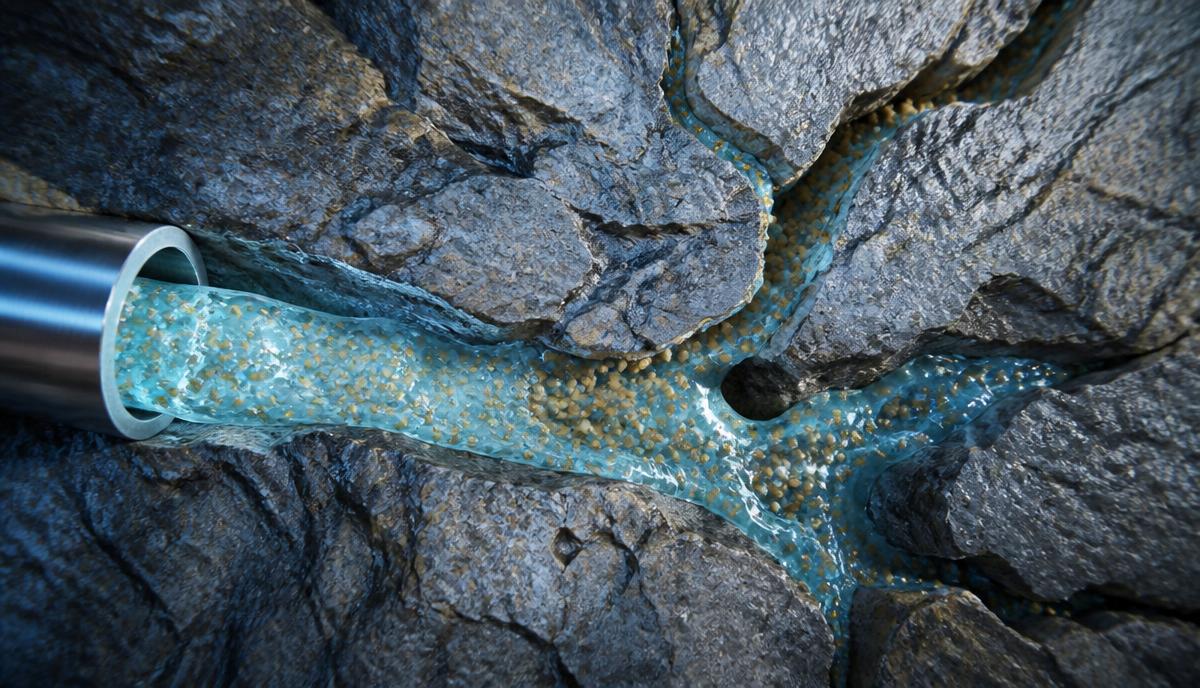 Rapid rheological recovery keeps proppant suspended as fluid enters the fracture network.\n\n
Rheological Stability and Proppant Transport Under HPHT Conditions
\nOnce injected, the linear gel must hold its target rheology under the dual stress of high salinity and scorching reservoir temperatures.
\n- \n
- Viscosity preservation at high temperatures: Deep completions often exceed 250 to 350 F (121 to 177 C). CMHPG formulated with customized stabilizer packages and zirconium crosslinkers maintains robust shear and temperature resistance where standard polymers hydrolyze. \n
- Friction reduction and pseudoplastic flow: Hydrated Guar Gum gels are strongly shear-thinning; under the extreme shear of the casing the chains align with flow, acting as efficient friction reducers and cutting pump horsepower. \n
- Superior proppant carrying capacity: As the fluid exits the casing and shear drops, the molecules re-tangle and recover their zero-shear viscosity, keeping silica sand or ceramic beads suspended deep into the fissures and preventing screen-outs. \n
Operational Best Practices for Blending and Fluid Preparation
\nSuccessful deployment depends on rigorous blending and mixing protocols in the field.
\n- \n
- Managing hydration pH and kinetics: Modified derivatives hydrate most efficiently at neutral to slightly alkaline pH (6 to 8), then are buffered to optimize downhole crosslinker activation. \n
- Avoiding fish eyes: Incomplete dispersion in high-salinity brine creates dry-core clumps that reduce yield and clog equipment; high-shear tri-blenders ensure every particle is wetted uniformly. \n
- Controlled gel breaking and cleanup: Brine-compatible gels respond to standard oxidative and enzymatic breakers, cleaving the galactomannan backbone to below 2 to 5 cP for clean, residue-free flowback. \n
Key Takeaways
\n- \n
- Non-ionic salinity tolerance: The hydrogen-bonded galactomannan structure of Guar Gum resists salt-induced collapse far better than synthetic anionic polymers in high-TDS water. \n
- Circularity and water reuse: Brine-compatible linear gels enable direct reuse of untreated produced and flowback water, cutting freshwater use, trucking, and disposal costs. \n
- Steric hindrance in heavy brines: HPG and CMHPG use neutral steric groups to hold viscosity and prevent precipitation in concentrated heavy salt brines. \n
- Excellent HPHT transport: With zirconium or borate crosslinkers, these Superior gels withstand temperatures up to 350 F while transporting proppant into deep fractures. \n
- Clean flowback recovery: The biodegradable Guar Gum backbone responds to specialized breakers, minimizing formation damage and maximizing recovery. \n
Frequently Asked Questions
\nWhy do synthetic polyacrylamides fail in high-salinity produced water while Guar Gum succeeds?
\nPolyacrylamides such as HPAM rely on negative charges along the chain to stay stretched and build viscosity. In salt-rich produced water, sodium, calcium, and magnesium ions shield those charges, collapsing the polymer into a tight coil and stripping its thickness. Guar Gum is non-ionic and thickens through hydrogen bonding rather than electrostatic repulsion, making it structurally immune to salt-induced collapse.
\nWhat is the functional difference between HPG and CMHPG in heavy brine systems?
\nHPG is a single-derivative polymer modified with hydroxypropyl groups to maximize thermal stability and reduce insoluble residue. CMHPG is a double derivative carrying both hydroxypropyl and carboxymethyl groups. That coordinated network lets CMHPG hold viscosity and form exceptionally strong crosslinked gels in concentrated alkaline heavy brines such as sodium bromide.
\nHow do brine-compatible linear gels reduce overall well-completion costs?
\nOperators can mix fracturing fluids directly with raw recycled produced water or local seawater, bypassing expensive freshwater softening. This lowers freshwater procurement, cuts trucking logistics, and eliminates deep-well injection disposal fees for flowback, saving up to 30 percent in completed well costs.
\nDo these natural biopolymer gels cause permanent reservoir damage?
\nNo. Unlike synthetic polymers that resist breakdown and can permanently clog pore throats, Guar Gum is a 100 percent natural, biodegradable biopolymer. After proppant placement, standard enzyme or oxidizer breakers fully cleave the carbohydrate chain, leaving minimal residue and ensuring clean, undamaged flowback.
\n\nTo master precise downhole rheology, secure water circularity, and formulate Superior, salt-tolerant fluids for demanding high-salinity wellbores, partner with the global biopolymer experts. B.D. Guar Pvt. Ltd. provides highly refined, custom-modified Guar Gum derivatives engineered for extreme salinity, HPHT stability, and optimized cost-in-use. Explore our oilfield-grade Guar Gum products, review our batch-tested quality and R&D standards, see how our sustainable sourcing supports water circularity, and compare performance in our Guar Gum vs xanthan gum guide. Contact B.D. Guar Pvt. Ltd. today at sales@bdguar.com to streamline your oilfield logistics.