Textile Dye Fixation: Improving Productivity with Guar Gum
Discover how modified Guar Gum thickeners accelerate reactive dye fixation, prevent migration, and cut steaming times for Superior textile output in 2026.
Last updated:
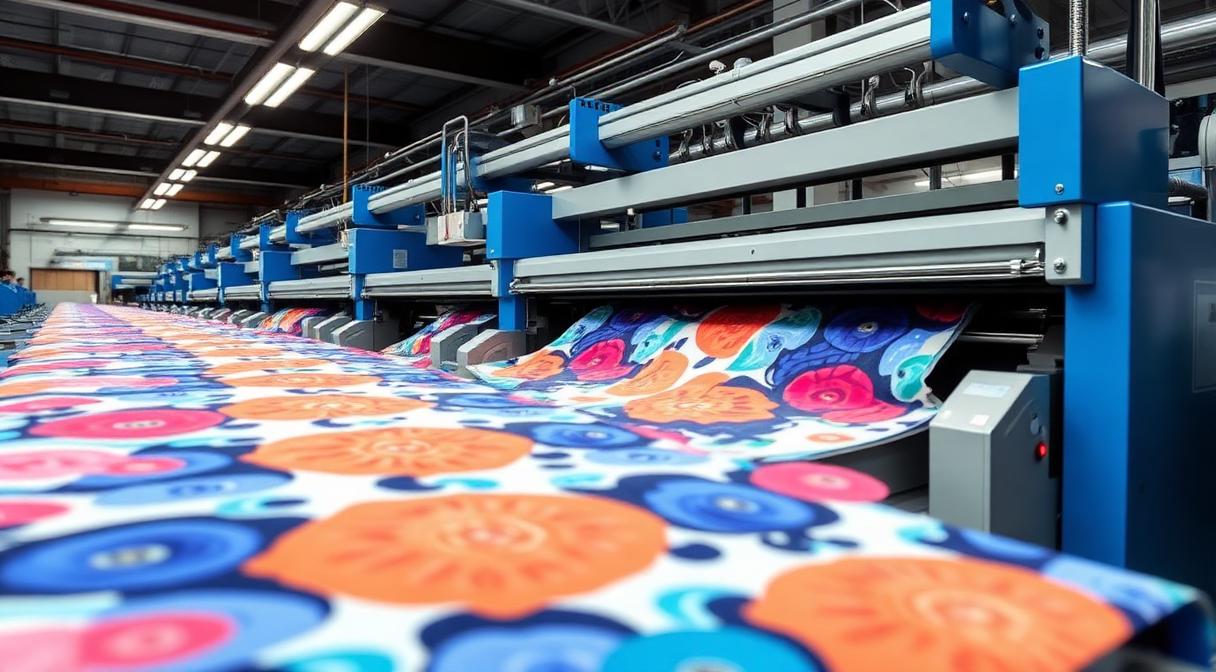
In the rapidly accelerating 2026 global manufacturing landscape, optimizing textile dye fixation guar gum formulations has become an operational imperative for facilities facing strict energy constraints and high-throughput demands. As the textile industry aggressively transitions toward sustainable chemistry to meet stringent zero liquid discharge mandates, engineers are actively replacing synthetic polymers with advanced, bio-based galactomannans. By deploying highly engineered, modified Guar Gum derivatives, print houses achieve a Superior rheological profile that ensures deeper colorant penetration, eradicates dye migration during high-temperature steaming, and drastically shortens fixation cycles for flawless, high-efficiency fabric production.
Research Overview: The Chemistry of Reactive Dyeing and Hydrocolloids
The global textile chemicals sector is undergoing a profound transformation in 2026. Driven by volatile energy markets and unprecedented regulatory pressure to eliminate non-biodegradable compounds from industrial effluent, textile engineers are fundamentally reevaluating the chemical auxiliaries utilized in fabric printing. In the realm of printing cellulosic fibers — such as cotton, linen, and viscose — reactive dyes remain the industry gold standard due to their brilliant color yield and exceptional wash fastness. Reactive dyes function by forming permanent, covalent chemical bonds with the hydroxyl groups present within the cellulosic fiber matrix. However, to successfully transfer these highly reactive aqueous dyes onto a fabric substrate without the color bleeding or wicking uncontrollably along the capillary networks of the woven yarns, a high-performance thickening agent is absolutely required.
Historically, the textile printing industry relied heavily on sodium alginate, a polysaccharide extracted from marine brown algae. According to research published in Carbohydrate Polymers, sodium alginate is favored because its inherent carboxylate groups carry a strong negative (anionic) charge. Because reactive dyes also possess negatively charged sulfonic acid groups, the two substances experience mutual electrostatic repulsion. This prevents the dye from chemically reacting with the thickener itself, allowing the paste to be easily washed off after the fixation process. However, as the 2026 global supply chain for marine-derived alginates faces severe climatic disruptions and massive price inflation, textile mills have been forced to seek viable, cost-effective alternatives. Synthetic thickeners, such as polyacrylic acids, have been utilized as substitutes; however, industry studies indicate that these petroleum-derived polymers suffer from poor outline sharpness and are entirely non-biodegradable, leading to severe chemical oxygen demand (COD) loading in wastewater and violating modern environmental compliance standards.
To resolve this critical industry bottleneck, polymer chemists have turned to Guar Gum. Extracted from the endosperm of the Cyamopsis tetragonoloba legume, Guar Gum is a massive, high-molecular-weight galactomannan biopolymer. Its molecular architecture consists of a linear backbone of beta-1,4-linked D-mannopyranose units with pendant alpha-1,6-linked D-galactopyranose side branches, occurring at a highly regular mannose-to-galactose ratio of approximately 2:1. While native Guar Gum possesses extraordinary water-binding capabilities, its natural structure contains a vast number of highly reactive primary and secondary hydroxyl groups. Through precise chemical modification into Carboxymethyl Guar Gum (CMG), engineers have created a Superior, 100% biodegradable printing thickener that not only perfectly mimics the anionic repulsive behavior of sodium alginate but actively improves the kinetics of dye fixation, thereby maximizing textile productivity on the factory floor.
Rheological Precision: The Mechanics of a Modified Guar Thickener Textile
The physical application of dye to fabric using rotary or flatbed screen printing equipment requires a fluid that disobeys standard Newtonian physics. To achieve high-speed, high-resolution prints, the printing paste must behave simultaneously as a flowable liquid and a rigid solid, a transition entirely governed by the rheological properties of the modified Guar Gum matrix.
- Pseudoplastic (Shear-Thinning) Flow Behavior: In high-speed 2026 textile printing ranges, the printing paste is continuously pumped into the interior of a rapidly rotating cylindrical screen. Inside the screen, a metal squeegee blade or a magnetic roller forces the paste through microscopic mesh openings. Modified Guar Gum solutions exhibit extreme pseudoplasticity. Under the intense mechanical shear stress applied by the squeegee, the massive, superentangled galactomannan polymer chains temporarily untangle and align themselves parallel to the direction of the applied force. This causes the internal friction of the fluid to plummet, allowing the highly concentrated dye paste to flow smoothly and rapidly through the screen and deeply penetrate the interstitial spaces of the fabric yarns.
- Instantaneous Viscosity Recovery: The moment the squeegee passes and the printing paste is deposited onto the surface of the textile, the mechanical shear force drops instantly to zero. Unlike synthetic polymers that may experience a delayed structural recovery, the highly flexible chains of Guar Gum immediately relax and re-entangle. Intermolecular hydrogen bonding is rapidly re-established, instantly restoring the paste to its original, highly viscous, semi-solid state. This rapid recovery is critical — it immediately locks the dye particles in place, physically preventing the liquid from wicking outward along the fabric's capillary channels. This rheological control guarantees razor-sharp print outlines and intricate design resolution, even when printing fine geometric lines or delicate halftone gradients.
- Controlling Migration During Intermediate Drying: After the dye paste is printed, the wet fabric must be transported through continuous hot-air drying chambers before it can be steamed. If the thickener lacks structural integrity, the rapid evaporation of water from the surface of the fabric will create a strong capillary vacuum, dragging the dissolved dye molecules back out of the fiber core and depositing them on the extreme outer surface of the yarn. This phenomenon, known as migration, results in frosty, uneven, and pale prints. Because Guar Gum possesses an exceptionally high density of hydroxyl and newly grafted carboxymethyl groups, it engages in massive intermolecular hydrogen bonding with the water in the paste. By binding this free moisture tightly within a dense pseudo-gel matrix, the Guar Gum severely restricts the kinetic mobility of the water, ensuring that it evaporates uniformly without dragging the dye molecules to the surface, thereby preserving the structural and visual integrity of the print.
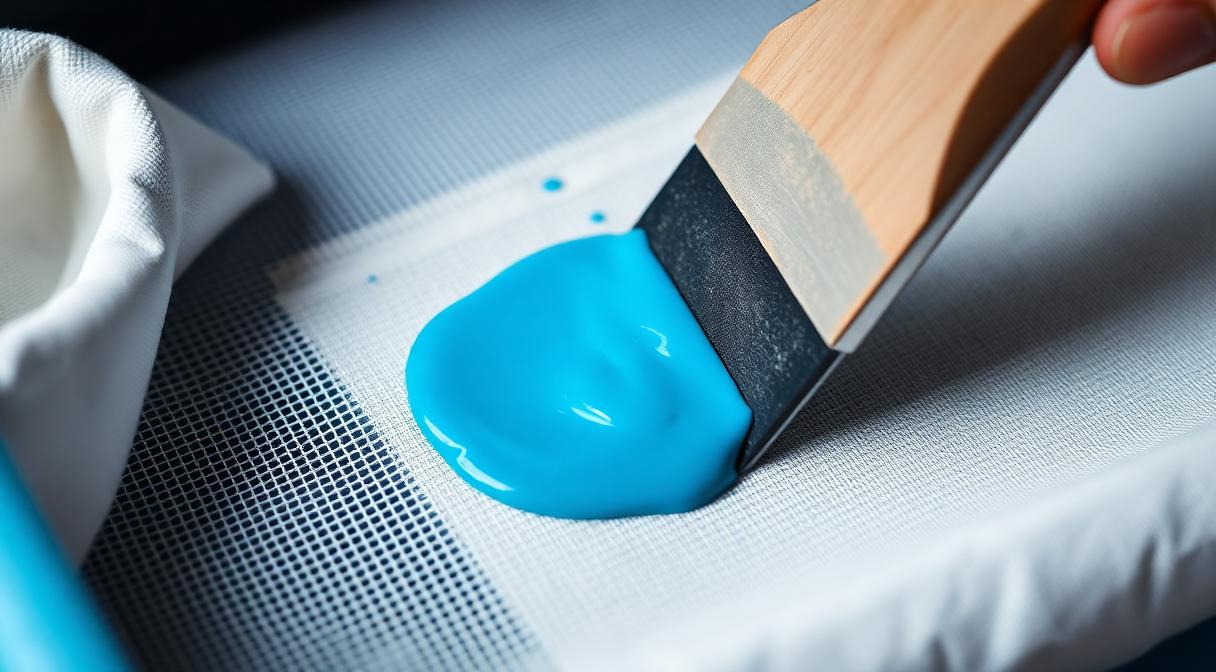 Modified Carboxymethyl Guar Gum ensuring precise rheological control in a high-speed rotary screen textile printing operation.
Accelerating Fixation Kinetics During the Steaming Phase
The actual chemical reaction between the reactive dye and the cellulosic fabric does not occur during the printing step; it occurs during the subsequent high-temperature steaming phase. The physical behavior of the Guar Gum thickener film inside the steamer directly dictates how quickly and efficiently this fixation reaction can proceed, directly impacting the overall productivity of the textile facility.
- Thermodynamic Activation and Moisture Condensation: When the dried, printed fabric enters a continuous loop steamer, it is exposed to an atmosphere of 100% saturated steam at temperatures typically ranging from 102°C to 105°C. Because the fabric enters the chamber relatively cold, the steam immediately condenses onto the surface of the printed areas, releasing a massive amount of latent heat. This sudden spike in thermal energy activates the chemical reactivity of the dye molecules and the alkaline agents present within the paste.
- Rapid Plasticization of the Galactomannan Film: For the dye molecules to leave the printed film and penetrate the solid cellulose fibers, the dried Guar Gum thickener film must rapidly absorb the condensed steam and swell, transforming from a hard crust into a highly permeable, aqueous hydrogel layer. Because the specific 2:1 branching ratio of the Guar Gum molecule prevents dense crystalline packing, water vapor can penetrate the polymer matrix almost instantaneously. Industry studies indicate that this rapid, uniform swelling creates a highly lubricated, open molecular environment that drastically reduces the diffusion resistance of the thickener layer.
- Enhancing the Diffusion Coefficient of the Dye: Once the Guar Gum film has swollen into a hydrogel, the highly soluble reactive dye molecules become fully mobile. Driven by the concentration gradient and the intense thermal energy of the steamer, the dye molecules diffuse rapidly out of the Guar Gum matrix, cross the phase boundary, and enter the swollen, amorphous regions of the cotton or viscose fibers. Because the modified anionic Guar Gum actively repels the anionic dye molecules via electrostatic forces, it literally pushes the dye out of the thickener film and into the fabric, maximizing the diffusion coefficient.
- Shortening Fixation Cycle Times: The combination of rapid film plasticization and enhanced dye diffusion means that the required chemical reaction reaches completion significantly faster. While traditional synthetic thickeners or poorly modified natural gums may require prolonged steaming times of 10 to 15 minutes to achieve acceptable color yields, optimized Guar Gum formulations allow the reaction to reach maximum fixation much quicker. This reduction in required dwell time allows textile engineers to increase the mechanical running speed of the continuous loop steamers. By processing more linear meters of fabric per hour, the facility vastly improves its overall throughput and reduces the massive energy expenditures associated with generating high-pressure industrial steam.
Molecular Engineering: Overcoming Polymer-Dye Crosslinking
To fully realize the productivity and quality benefits of Guar Gum in the 2026 textile industry, the raw agricultural polymer must be subjected to sophisticated chemical engineering. Unmodified, native Guar Gum is entirely unsuited for reactive printing, necessitating the implementation of advanced derivatization techniques.
- The Hazard of Hydroxyl Reactivity: Reactive dyes are engineered to form highly stable ether or ester linkages with the aliphatic hydroxyl (-OH) groups of cellulose. Unfortunately, the galactomannan backbone of native Guar Gum is also composed entirely of hexopyranose sugars, meaning it presents a massive concentration of primary and secondary hydroxyl groups to the dye. During the steaming process, the alkaline conditions trigger the reactive groups on the dye (such as vinyl sulfone or monochlorotriazine functional groups) to attack the Guar Gum molecule just as aggressively as they attack the fabric.
- Covalent Thickener Fixation: When the dye reacts with the Guar Gum, it creates strong covalent crosslinks between the thickener, the dye, and the fabric itself. This turns the printed area into a rigid, intractable, crosslinked polymer mesh. During the final, critical washing-off process — where unfixed dye and thickener must be removed to ensure color fastness — this crosslinked Guar Gum refuses to dissolve. The resulting printed fabric feels stiff, harsh, and crusty to the touch, a catastrophic quality failure in the Superior-grade apparel market. Furthermore, because a significant portion of the expensive dye is wasted reacting with the thickener rather than the fabric, the visual color yield is unacceptably weak and dull.
- Carboxymethylation via Green Synthesis: To circumvent this chemical hazard, polymer scientists modify the Guar Gum via an alkaline etherification reaction. Native Guar Gum powder is dispersed in a solvent and treated with sodium hydroxide (NaOH) to form a highly reactive alkoxide intermediate. Monochloroacetic acid (MCA) is then introduced into the reactor under controlled thermal conditions. Through a Williamson ether synthesis pathway, the MCA reacts with the alkoxide sites, effectively replacing a calculated percentage of the reactive hydroxyl groups with anionic carboxymethyl (-CH2COO-) groups. This process converts the non-ionic native gum into Carboxymethyl Guar Gum (CMG).
- Mutual Anion Repulsion and Superior Wash-Off: The introduction of carboxymethyl groups fundamentally alters the interaction between the thickener and the dye. Because modern reactive dyes feature heavily sulfonated structures to ensure water solubility, they carry a dense negative charge. The newly synthesized CMG is also heavily negatively charged. According to principles of electrostatics, these similar charges forcefully repel one another. This mutual anion repulsion creates a powerful shielding effect, physically preventing the dye molecules from approaching close enough to the Guar Gum backbone to initiate a chemical reaction. Consequently, the thickener remains entirely uncrosslinked during the steaming phase. During the post-print washing sequence, the highly soluble, anionic Guar Gum simply dissolves and washes away effortlessly, leaving behind a brilliantly colored fabric with a luxuriously soft, natural handle.
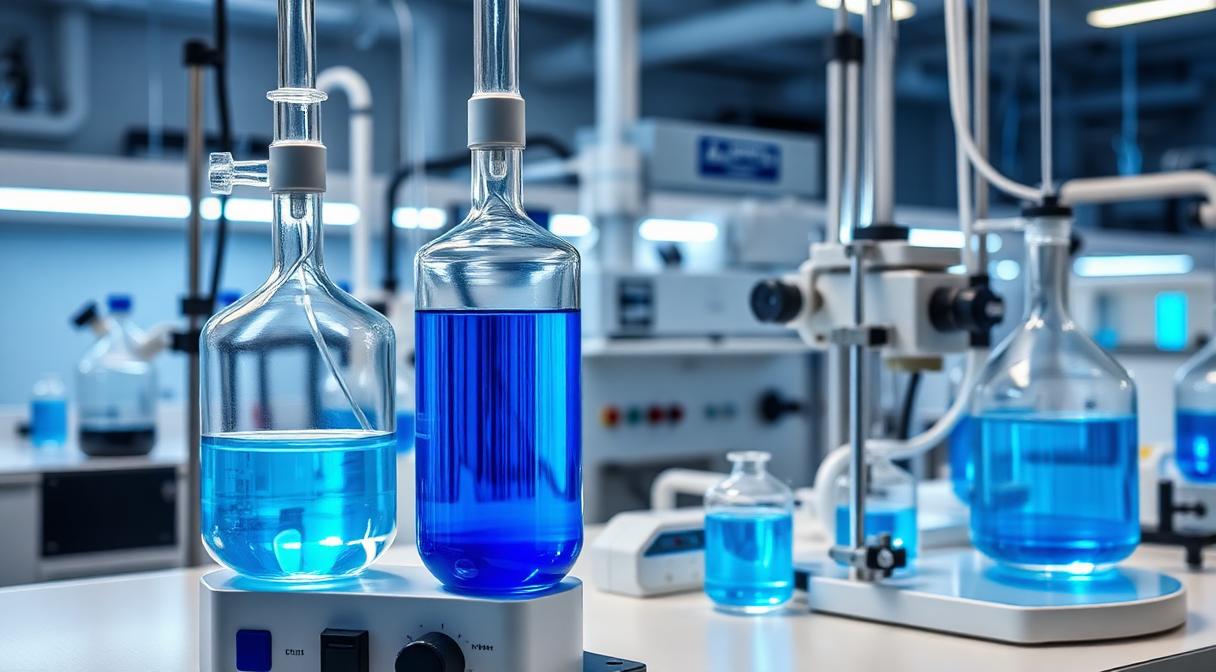 Laboratory synthesis of Carboxymethyl Guar Gum (CMG) via controlled alkaline etherification — the key to Superior reactive textile printing performance.
Operational Economics and Guar Gum Textile Productivity in 2026
The strategic shift toward modified Guar Gum thickeners is not merely a chemical preference; it is deeply rooted in the harsh macroeconomic and environmental realities governing the 2026 global textile supply chain. As profit margins constrict and ecological regulations tighten, procurement engineers are prioritizing raw materials that deliver holistic operational efficiency. Learn more about B.D. Guar's sustainability credentials and our rigorous quality assurance standards.
- Supply Chain Elasticity and Cost Stability: The historical reliance on marine-harvested sodium alginate has exposed textile manufacturers to extreme supply chain vulnerability. Alginate production is heavily constrained by oceanic climate shifts, restrictive harvesting quotas, and highly localized processing infrastructure, leading to frequent global shortages and massive price spikes. Conversely, Guar Gum is derived from an annual, drought-resistant agricultural crop extensively cultivated across the semi-arid plains of India and Pakistan. According to agricultural intelligence data, India consistently accounts for 80% to 90% of the world's total guar seed production. The modern, highly mechanized agrarian infrastructure surrounding the guar crop allows for rapid scaling of cultivation in response to global demand. This agricultural elasticity ensures that textile mills have access to a vast, highly predictable, and economically stable supply of base polymer, shielding their operational budgets from crippling raw material inflation.
- Compliance with Zero Liquid Discharge (ZLD) Mandates: In 2026, the primary textile manufacturing hubs across Asia — including India, Bangladesh, and China — are operating under intensely scrutinized environmental frameworks. Regulatory agencies have mandated severe restrictions on industrial wastewater toxicity, heavily enforcing Zero Liquid Discharge (ZLD) protocols for major dyehouses. The use of synthetic polyacrylic thickeners presents a massive compliance liability, as these petroleum-derived polymers persist indefinitely in aquatic ecosystems, drastically elevating the Chemical Oxygen Demand (COD) and Biological Oxygen Demand (BOD) of the facility's effluent. Modified Guar Gum offers an immediate, structural solution. As a natural-origin, plant-based galactomannan, it is 100% biodegradable. By transitioning printing lines to Guar Gum thickeners, textile engineers can drastically reduce the chemical toxicity and non-biodegradable load of their wastewater streams, ensuring seamless compliance with international environmental laws while significantly reducing the daily operational costs associated with running complex, energy-intensive effluent treatment plants.
- Standardized Color Fastness and Quality Assurance: The ultimate metric of productivity in a textile mill is the percentage of first-quality, defect-free fabric produced. Formulating with Superior-grade Carboxymethyl Guar Gum guarantees consistent, predictable outcomes that rival or exceed the most expensive sodium alginates. Industry studies indicate that when tested against strict international protocols (such as AATCC standardized testing), fabrics printed utilizing CMG thickeners and industry-standard reactive dyes — including Reactive Orange M2RJ and Reactive Yellow M3R — demonstrate exceptional performance. These modified Guar Gum systems routinely achieve wet and dry crocking scores of 3 to 4, alongside maximum wash fastness scores of 4 for cotton substrates and 5 for wool staining. This uncompromising quality assurance drastically reduces the incidence of rejected lots, costly reprocessing cycles, and customer claims, thereby maximizing the true, realized productivity of the manufacturing facility.
Key Takeaways
- Rheological Mastery: The extreme pseudoplastic (shear-thinning) behavior of Guar Gum ensures deep, uniform dye penetration under mechanical pressure while instantly recovering viscosity at rest to prevent lateral wicking and preserve razor-sharp print resolution.
- Accelerated Fixation Dynamics: Guar Gum's massive water-binding capacity enables the dried thickener film to swell rapidly upon exposure to saturated steam, vastly increasing the dye diffusion coefficient and allowing manufacturers to significantly shorten energy-intensive fixation cycles.
- Eliminating Polymer Crosslinking: Through precise carboxymethylation, reactive hydroxyl groups on the native guar backbone are substituted with anionic charges, creating mutual electrostatic repulsion with the reactive dye, completely preventing covalent crosslinking and ensuring a luxuriously soft fabric handle after washing.
- ZLD Environmental Compliance: As a 100% biodegradable, agriculturally derived plant polymer, Guar Gum actively replaces persistent synthetic polyacrylates, drastically lowering the chemical oxygen demand (COD) of textile effluent and ensuring compliance with stringent 2026 Zero Liquid Discharge mandates.
- Supply Chain Resilience: Supported by the massive, highly elastic agricultural output of the Indian subcontinent, Guar Gum provides textile engineers with a highly stable, cost-effective alternative to unpredictable marine-harvested sodium alginates. Explore a full comparison of Guar Gum versus alternative thickeners.
Frequently Asked Questions
Why must native Guar Gum be modified before use in reactive textile printing?
Native Guar Gum features a massive number of highly reactive hydroxyl (-OH) groups. Under the high temperatures and alkaline conditions required to fix reactive dyes, these hydroxyl groups will covalently bond with the dye molecules. This chemical reaction essentially glues the thickener to the fabric, resulting in pale color yields and leaving the textile feeling stiff and unusable. Chemical modification via carboxymethylation is mandatory to suppress this reactivity and produce a commercially viable thickener.
How does Carboxymethyl Guar Gum (CMG) prevent chemical crosslinking with reactive dyes?
During the modification process, many of the reactive hydroxyl groups on the Guar Gum are replaced with negatively charged (anionic) carboxymethyl groups. Because commercial reactive textile dyes also carry a strong negative charge due to their sulfonic acid groups, the thickener and the dye physically repel each other. This electrostatic shielding allows the CMG to thicken the paste flawlessly without chemically bonding to the colorant, ensuring it washes out completely after fixation for a soft, vibrant fabric finish.
How does Guar Gum improve the operational productivity of the steaming process?
For the dye to transfer from the printed paste into the fibers, the thickener film must absorb steam and swell into an aqueous gel. Guar Gum's unique, highly branched molecular architecture prevents crystalline packing, allowing it to hydrate and swell almost instantaneously in the steamer. This rapid plasticization accelerates the diffusion rate of the dye, allowing the chemical fixation reaction to reach completion faster. Shorter steaming times mean the machinery can be run at higher speeds, processing more fabric per hour and saving massive amounts of energy.
Is Guar Gum compliant with 2026 sustainable textile manufacturing regulations?
Absolutely. Sourced from the drought-resistant cluster bean, Guar Gum is a renewable, plant-based biopolymer that is 100% biodegradable. By replacing petroleum-derived synthetic thickeners, textile facilities drastically reduce the toxicity, heavy metal contamination, and Chemical Oxygen Demand (COD) of their wastewater, seamlessly aligning with strict 2026 global Zero Liquid Discharge (ZLD) environmental mandates. Read more about B.D. Guar's commitment to sustainable manufacturing.
To dramatically increase your printing throughput, achieve flawless color yield, and ensure absolute environmental compliance in your modern textile operations, partner with the global hydrocolloid experts. B.D. Guar Pvt. Ltd. provides expertly synthesized, Superior-grade Carboxymethyl Guar Gum (CMG) engineered specifically for maximum rheological performance, unparalleled dye compatibility, and rapid wash-off. Contact B.D. Guar Pvt. Ltd. today to integrate our advanced HICOL brand formulations into your production lines and elevate your textile manufacturing to the highest global standards.