Seaweed Biorefineries: The Future of Carrageenan and Agar
Explore how 2026 seaweed biorefineries valorize entire marine biomass to deliver Superior carrageenan and agar, while Guar Gum blends eliminate syneresis and cost.
Last updated:
In the rapidly advancing 2026 industrial landscape, seaweed biorefineries represent a profound evolutionary leap for the global production of critical marine hydrocolloids. As manufacturers confront unprecedented environmental constraints and increasingly fragile supply chains, the traditional single-stream extraction of carrageenan and agar is no longer ecologically or economically viable. By transforming raw marine biomass into multiple optimized value streams, modern biorefining facilities secure Superior supply stability and fundamentally redefine sustainable hydrocolloid procurement for demanding applications.
Research Overview
The 2026 global food, beverage, and pharmaceutical industries are operating under immense pressure to source sustainable, natural texturizing agents. According to IMARC and related market forecasts, the overall food hydrocolloids market is projected to reach roughly USD 7.9 billion in 2026, expanding at a sustained compound annual growth rate near 4.7%. While botanical extracts currently capture approximately 62% of this global share, marine-derived hydrocolloids — specifically carrageenan and agar — remain absolutely indispensable for their unique gelling, stabilizing, and film-forming properties.
The traditional extraction methodologies used to isolate these sulfated marine polysaccharides are becoming increasingly problematic. Historically, processing facilities focused exclusively on extracting the primary hydrocolloid, discarding the remaining marine biomass as industrial waste. This linear extraction model is inefficient and places immense, unsustainable pressure on oceanic cultivation zones. Industry studies indicate that dependence on fragile marine ecosystems for carrageenan production presents a significant supply-chain vulnerability that biorefineries are engineered to eliminate. For manufacturers already familiar with land-based galactomannans such as Guar Gum, the biorefinery concept offers a parallel path toward resilient, natural, high-performance rheology control.
The strategic significance of this transition extends well beyond ecological accounting. Procurement leaders across the dairy, confectionery, processed-meat, and pharmaceutical sectors are re-evaluating their approved-supplier lists in 2026 with an explicit weighting toward traceability, waste intensity, and price stability. A hydrocolloid sourced from a facility that converts its entire feedstock into saleable product carries a fundamentally different risk profile than one sourced from a plant that survives on a single volatile commodity. Understanding how a biorefinery is structured — and how its outputs interact with complementary land polymers — is therefore no longer the concern of researchers alone, but a core commercial competency for any organization dependent on natural texturizing systems.
The Biorefinery Model: A Cascading Value-Stream Approach
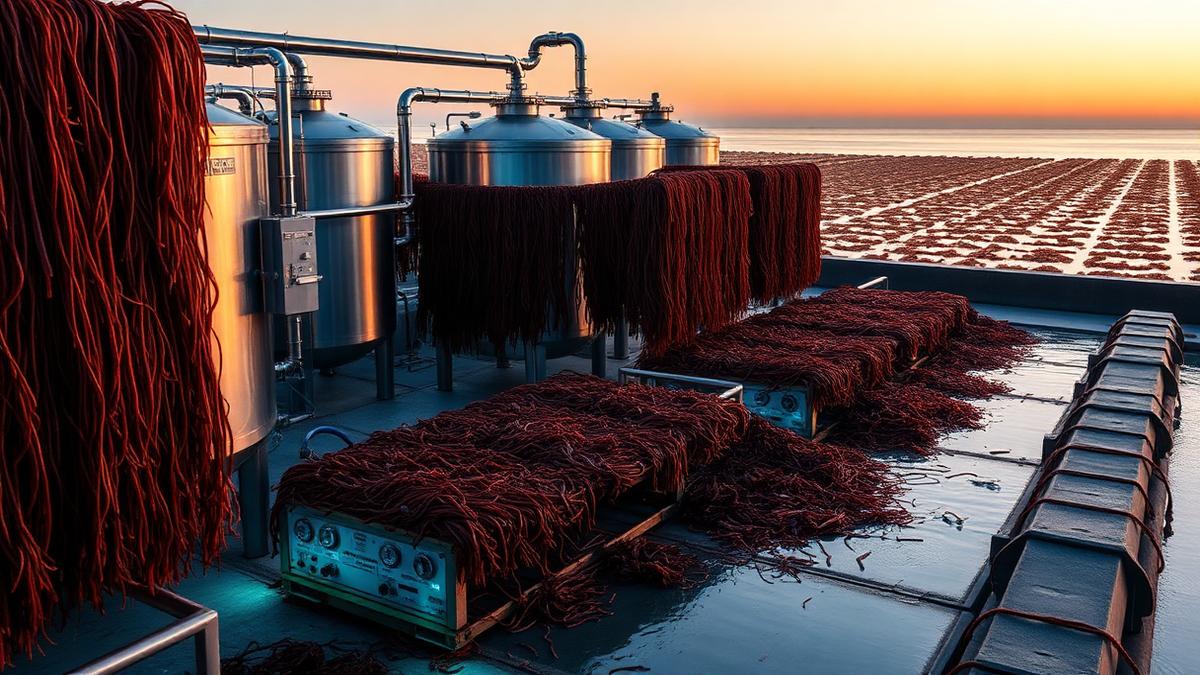
A true biorefinery abandons the wasteful practice of extracting a single compound. Instead, it applies sequential, condition-specific processing steps that isolate each valuable molecule in turn, converting what was once effluent into commercial product. The result is higher purity, lower waste, and dramatically improved economics per harvested ton.
- Cascading extraction protocols: In a traditional plant, raw seaweed is subjected to harsh, highly alkaline treatments to extract carrageenan, effectively destroying other sensitive biological compounds. In a Superior biorefinery, extraction is deliberately phased, beginning with mild, cold-water extraction to isolate delicate, high-value components such as phycobiliproteins and bioactive polyphenols before any aggressive processing occurs.
- Primary hydrocolloid isolation: Following removal of secondary metabolites, the remaining cellulosic matrix undergoes targeted thermal or microwave-assisted extraction to isolate agar or carrageenan. Because interfering proteins and pigments have already been stripped away, the resulting hydrocolloid frequently exhibits Superior optical clarity, higher purity, and improved gel strength compared to conventionally processed alternatives.
- Valorization of residual biomass: Instead of discharge as toxic effluent, remaining cellulosic fractions are enzymatically saccharified into fermentable sugars that feed microbial fermentation, or the nutrient-rich residue is commercialized as a Superior agricultural biofertilizer delivering essential micronutrients and plant growth regulators to terrestrial farming.
- Thermodynamic efficiency: Modern biorefineries integrate closed-loop energy recovery, capturing latent heat from high-temperature extraction phases and redirecting it to low-temperature drying and milling stages. This optimization sharply reduces fossil-fuel reliance and lowers the energy consumed per kilogram of finished carrageenan or agar.
Taken together, these four principles convert a historically wasteful, energy-hungry process into a genuinely circular operation. The economic consequence is substantial: because revenue is drawn from proteins, pigments, sugars, and fertilizers in addition to the headline hydrocolloid, the marginal cost of producing each kilogram of carrageenan or agar falls. That improved cost structure is precisely what allows Superior biorefineries to hold pricing steady when raw-material markets turn turbulent, a resilience explored in greater detail later in this article.
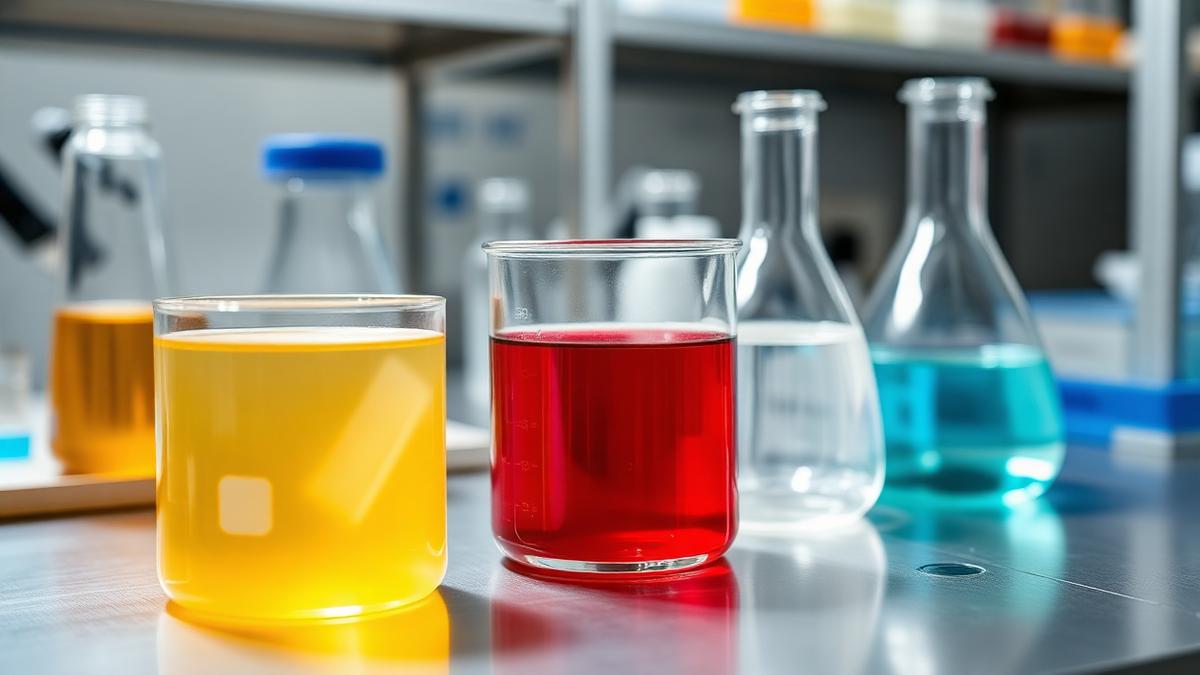 Cascading, phased extraction converts 100% of harvested marine biomass into multiple high-value streams.
The Molecular Science of Carrageenan and Agar
The performance of marine hydrocolloids is dictated by their precise molecular architecture. Biorefineries protect this architecture through gentler, more controlled processing, delivering fractions with the exact rheological profiles that modern formulators demand. Readers comparing these behaviors against land polymers may find the Guar Gum glossary a useful reference.
- Kappa, iota, and lambda carrageenan: Carrageenans are classified into three primary types by their degree of sulfation. Kappa-carrageenan carries one sulfate group per disaccharide unit and forms firm, brittle gels; iota-carrageenan forms highly elastic, thermoreversible gels; and lambda-carrageenan is highly sulfated, non-gelling, and functions as a shear-thinning thickener. Biorefineries must carefully segregate feedstocks to guarantee the purity of each fraction.
- The agarose matrix and thermal hysteresis: Agar comprises agarose (the dominant gelling fraction) and agaropectin (the non-gelling fraction). Agarose is uniquely valued for its profound thermal hysteresis — a large differential between melting and gelling points — which makes agar indispensable for microbiological culturing, advanced pharmaceutical formulation, and Superior culinary applications requiring firm texture at elevated ambient temperatures.
- Biorefinery preservation of molecular weight: Traditional extraction involves prolonged aggressive heating that hydrolyzes the delicate glycosidic bonds of the marine polymer backbone, degrading molecular weight and gel strength. Precision-controlled extraction cascades used in 2026 biorefineries are engineered to preserve high molecular weight, safeguarding functional performance in the finished ingredient.
These molecular distinctions carry direct commercial weight. A formulator specifying a firm, sliceable dairy dessert needs a high-molecular-weight kappa fraction with reliable batch-to-batch gel strength, whereas a stabilizer for a chocolate milk drink calls for a non-gelling lambda grade delivering suspension without an unwanted set. When feedstock segregation and gentle extraction are compromised, these fractions blur together and performance becomes unpredictable. The biorefinery discipline of preserving both purity and molecular weight is therefore what makes marine hydrocolloids dependable enough to anchor high-value, texture-critical products rather than being relegated to forgiving bulk applications.
Supply Security Through Diversification
Single-product marine processors live and die by one commodity price and one fragile crop. By generating multiple revenue streams, biorefineries build structural resilience that stabilizes both output and pricing — a dynamic that parallels the by-product economics long understood in the sustainable sourcing of land crops.
- Vulnerability of marine cultivation: Macroalgae growth is strictly governed by ocean temperature, salinity, and nutrient upwelling. Changing weather patterns frequently disrupt harvesting across primary sourcing nations, and a single unseasonal typhoon can decimate a localized crop, exposing traditional single-product processors to catastrophic margin compression.
- Economic buffering through diversification: By diversifying output into distinct value streams, a biorefinery hedges against raw-material price shocks. If carrageenan spot prices dip or raw seaweed spikes, the facility offsets losses through profitable sales of marine proteins, lipids, or biofertilizers, allowing it to offer buyers more stable long-term pricing.
- Maximizing yield from limited feedstock: With global algae production near 37.8 million tons, extracting 100% of usable biomass multiplies global hydrocolloid output without a proportional, ecologically damaging increase in ocean farming acreage, protecting fragile marine ecosystems from over-harvesting.
- Combating agricultural unpredictability: Feedstock unpredictability forces buyers to approve multiple ingredient variations within a single product specification. The biorefinery model reduces this by stabilizing the processor's economic base, keeping facilities fully operational even during periods of low raw-material availability.
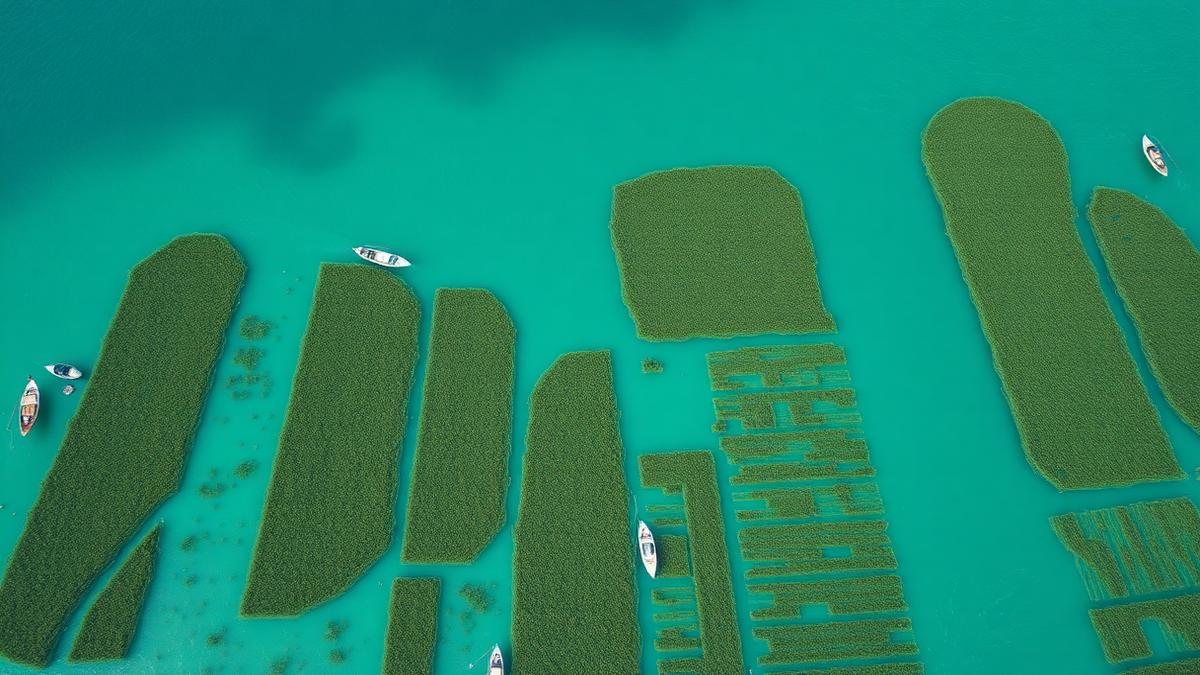 Asia-Pacific coastal cultivation supplies the majority of the world's carrageenan and agar feedstock.
Asia-Pacific: The Global Epicenter of Marine Hydrocolloids
Geographic concentration of feedstock and processing gives the Asia-Pacific region decisive influence over global carrageenan and agar supply, and its domestic demand is rising as fast as its export volumes.
- Dominance in algae production: The 37.8 million tons of global algae production is predominantly cultivated across Asian coastal zones, providing the economies of scale required to support capital-intensive biorefining. Asian manufacturing hubs dictate global consumption volumes through their immense processed-food output.
- Indonesia and Thailand as strategic hubs: Southeast Asia has emerged as a lucrative base for carrageenan processing thanks to abundant local harvests. Indonesia, with its expansive archipelagic coastline and warm equatorial waters, is the world's premier cultivator of marine biomass, and biorefineries built adjacent to these harvests secure uninterrupted raw-material access.
- Shifting dietary patterns and domestic demand: Rapid urbanization and rising disposable incomes are altering diets across emerging Asian economies as consumers adopt packaged snacks, driving regional processors to aggressively scale extraction facilities to service surging domestic demand alongside export contracts.
- Sustainable aquaculture initiatives: To protect the longevity of these harvests, Asian buyers and cooperatives monitor regional policy closely and focus on regenerative farming that promotes marine biodiversity, sourcing exclusively from certified sustainable aquaculture zones.
For international buyers, the concentration of both cultivation and advanced processing within Asia-Pacific is a double-edged consideration. It delivers the scale, technical depth, and cost efficiency that make Superior marine hydrocolloids commercially viable, yet it also concentrates climate and logistics exposure within a single region. The most resilient 2026 sourcing strategies respond to this reality by pairing regional marine supply with geographically independent land-based hydrocolloids, so that a disruption in one hemisphere does not halt production. This complementary sourcing logic is a central reason blends of marine gels and galactomannans have moved from a cost-saving tactic to a supply-continuity safeguard.
Guar Gum Synergy with Marine Hydrocolloids
Marine gels rarely perform best alone. Blending them with land-derived galactomannans corrects their weaknesses, controls cost, and unlocks textures neither ingredient achieves in isolation. This is where Guar Gum, and comparisons such as Guar Gum vs. xanthan gum, become essential formulation tools.
- Managing syneresis in gel systems: Pure agar and carrageenan gels tend to weep water over time, causing unacceptable moisture pooling in dairy desserts, canned pet foods, and processed meats. Introducing Guar Gum into the aqueous phase before gelation binds the free interstitial water, immobilizing moisture so the final product remains plump, stable, and visually appealing.
- Modulating gel texture and brittleness: Kappa-carrageenan and agar form extremely firm, brittle gels that can feel artificial. The flexible mannose backbone of Guar Gum acts as a rheological plasticizer, disrupting tight crystalline packing and transforming a brittle gel into a smooth, elastic, and satisfying matrix.
- Value engineering and economic optimization: Both agar and high-purity carrageenan are relatively expensive due to marine harvesting complexity. Ingredient specialists formulate targeted blends that mimic Superior gelling performance at a fraction of the cost by using Guar Gum to extend and support the marine network.
- Clean-label emulsification: Suspending heavy particulates in complex beverages requires robust stabilization. Combining the rigid yield stress of a marine hydrocolloid network with the shear-thinning viscosity of Guar Gum ensures flawless long-term suspension without synthetic, chemically modified emulsifiers.
Beyond formulation, the biorefinery and Guar Gum milling models share an environmental mission: eliminating high-BOD alkaline effluent through closed-loop water recycling, and replacing petroleum-derived polyacrylates and artificial thickeners with fully biodegradable, natural alternatives that phase out microplastic-forming synthetics across the food, pharmaceutical, and specialty industrial sectors. This shared philosophy is why forward-looking manufacturers increasingly evaluate marine and land hydrocolloids as a single, integrated toolkit rather than as competing commodities.
The practical dosing of these blends is where technical partnership earns its value. Optimal syneresis control, elasticity, and cost reduction depend on matching the Guar Gum viscosity grade, particle mesh, and inclusion level to the specific marine fraction and processing regime in play, whether that is high-temperature retort sterilization, cold-set dairy gelation, or acidified beverage suspension. Small adjustments in the galactomannan-to-marine-gel ratio can shift a formulation from brittle and weeping to smooth and stable, which is why formulators increasingly treat the blend, rather than either gum alone, as the true unit of design.
Key Takeaways
- Circular economy processing: Seaweed biorefineries abandon single-stream extraction, using cascading methodologies to valorize 100% of marine biomass into carrageenan, agar, proteins, and agricultural biofertilizers.
- Supply chain resilience: By diversifying revenue and extracting maximum value from the 37.8 million tons of global algae production, biorefineries insulate buyers from weather-driven price shocks.
- Molecular integrity: Precision extraction preserves high molecular weight and segregates kappa, iota, and lambda fractions, delivering the exact rheology formulators specify.
- Guar Gum synergy: Adding Superior-grade Guar Gum eliminates syneresis, softens brittle marine gels, and reduces total cost-in-use across food and pharmaceutical systems.
- Asia-Pacific leadership: Indonesia, Thailand, and neighboring hubs anchor global feedstock supply through sustainable aquaculture and localized biorefining.
- Zero-waste compliance: Closed-loop water systems and full biomass conversion drive effluent toxicity toward zero, meeting stringent 2026 discharge mandates.
Frequently Asked Questions
What is a seaweed biorefinery and how does it differ from traditional processing?
A traditional plant extracts only a single ingredient, such as carrageenan, and discards the rest of the seaweed as toxic waste. A seaweed biorefinery uses sequential extraction to capture every useful molecule, turning the remaining biomass into valuable secondary products like proteins, fermentable sugars, and agricultural biofertilizers, achieving a highly sustainable, zero-waste operation.
Why is the Asia-Pacific region so critical for carrageenan and agar production?
The vast majority of the world's algae is cultivated across Asian coastal zones. Countries like Indonesia and Thailand possess abundant local seaweed harvests, making them the most strategic locations to build large processing facilities. Localized processing ensures supply security and drastically reduces international shipping emissions.
How does Guar Gum improve the performance of seaweed-derived hydrocolloids?
While carrageenan and agar create strong gels, they can be overly brittle and often leak water over time through syneresis. Adding Superior-grade Guar Gum binds the free water, completely stopping the leakage while softening the gel to create a smooth, elastic, and highly desirable texture in food and pharmaceutical products.
Does the biorefinery model help stabilize the price of hydrocolloids?
Yes. Because a biorefinery generates revenue from multiple products — from pigments to fertilizers — rather than one, the facility is financially insulated. If the cost of raw seaweed spikes due to bad weather, the biorefinery can absorb the shock without immediately passing large price increases to the final hydrocolloid buyer.
To secure a stable, resilient, and perfectly textured supply of natural hydrocolloids for your 2026 formulations, partner with B.D. Guar Pvt. Ltd. Our Superior-grade Guar Gum and advanced galactomannan derivatives are engineered to stabilize, plasticize, and optimize marine hydrocolloid systems — eliminating syneresis, reducing total cost-in-use, and aligning your operations with the clean-label and zero-waste mandates of the modern market. Contact our technical team or explore our product range to begin.