The Water Footprint of Guar: A Drought-Resilient Hydrocolloid
Discover why Guar Gum's low water footprint and drought-resilient cultivation make it a Superior sustainable hydrocolloid for environmentally conscious brands in 2026.
Last updated:
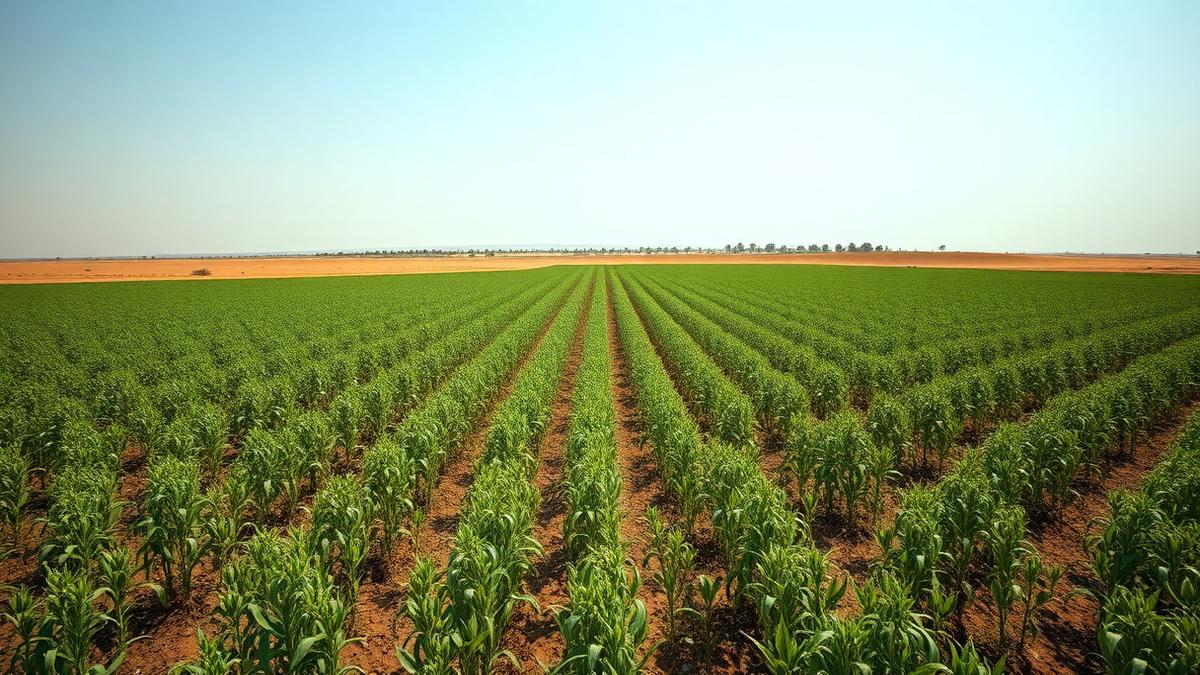
As ingredient buyers finalize 2026 sustainability commitments, the Guar Gum water footprint has become a decisive factor in hydrocolloid selection. Derived from the drought-tolerant legume Cyamopsis tetragonoloba, cultivated across the arid plains of northwest India, Guar Gum offers a naturally low-water, soil-enriching alternative to synthetic thickeners and water-intensive gums. For corporate sustainability officers weighing supply-chain resilience against climate volatility, the crop's agronomy tells a compelling environmental story.
Research Overview
Guar is a rainfed kharif legume grown chiefly in Rajasthan and Gujarat, regions receiving limited monsoon rainfall. Because the plant fixes atmospheric nitrogen and tolerates prolonged dry spells, it typically requires little or no supplemental irrigation. Industry studies indicate that this agronomic profile gives Guar Gum a markedly smaller water and carbon footprint than many irrigated crop-derived or petroleum-based rheology modifiers used across food and industrial sectors. For procurement teams building climate-aligned ingredient portfolios, understanding how the crop is grown is as important as understanding how the finished gum performs, because the field is where the largest share of environmental impact is determined.
Why Guar Thrives Where Water Is Scarce
Guar is exceptionally adapted to arid and semi-arid climates. Its deep taproot accesses subsoil moisture, while a waxy leaf cuticle limits transpiration losses during heat stress. These traits allow the crop to complete its cycle largely on monsoon rainfall, avoiding the groundwater extraction that burdens more thirsty commodity crops.
According to the Food and Agriculture Organization (FAO), legumes cultivated under rainfed systems generally exhibit among the lowest blue-water footprints in agriculture. Guar's placement in India's naturally low-rainfall belt reinforces this advantage, converting a challenging growing environment into a sustainability asset.
This resilience carries strategic weight in 2026. As climate volatility disrupts irrigated agriculture and intensifies competition for freshwater, sourcing ingredients from crops that flourish under water scarcity insulates supply chains from both physical and regulatory risk. A hydrocolloid whose parent crop does not compete for irrigation water is inherently less exposed to drought-driven price shocks and emerging water-stewardship mandates.
- Deep root architecture reaches residual soil moisture without irrigation infrastructure.
- Heat and salinity tolerance keeps yields stable through erratic monsoon seasons.
- Short growing cycle of roughly 90 to 120 days limits total seasonal water demand.
- Rainfed dominance means the majority of the crop relies on precipitation rather than extracted freshwater.
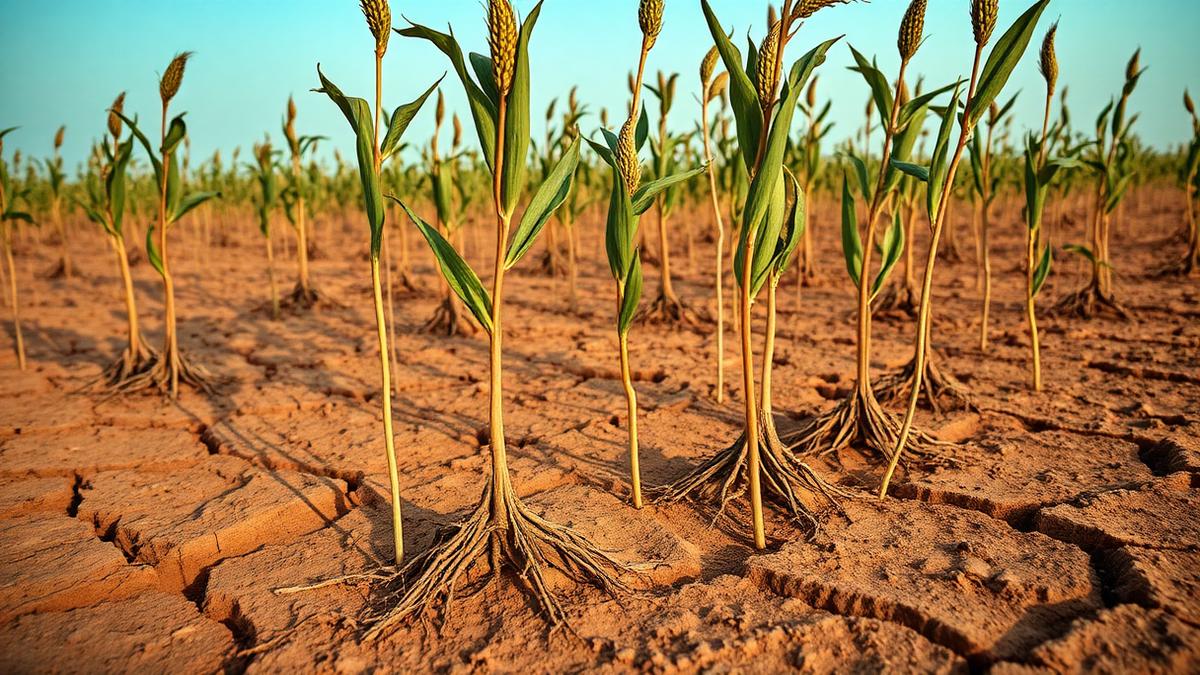 Rainfed Guar cultivation across the arid plains of northwest India.
The Nitrogen-Fixation Advantage
Beyond water efficiency, Guar delivers a regenerative benefit rarely matched by synthetic ingredients. As a leguminous plant, it hosts symbiotic Rhizobium bacteria in root nodules that convert atmospheric nitrogen into plant-available form. This natural fertilization enriches the soil, reducing the need for energy-intensive synthetic nitrogen inputs whose manufacture carries a substantial carbon cost.
The residual nitrogen left in the field improves fertility for subsequent crops in rotation, supporting healthier long-term soil systems. For brands quantifying Scope 3 emissions, sourcing a hydrocolloid whose parent crop actively reduces fertilizer dependence strengthens the environmental profile of the finished product.
Synthetic nitrogen manufacture is energy-intensive and a recognized contributor to agricultural greenhouse-gas emissions. By displacing a portion of that demand, leguminous crops like Guar deliver an indirect climate benefit that extends well beyond the field. Industry studies indicate that nitrogen-fixing rotations can meaningfully improve soil organic matter over successive seasons, reinforcing carbon-sequestration potential in the wider farming system.
- Root-nodule bacteria capture atmospheric nitrogen at no energy cost.
- Soil organic nitrogen rises, benefiting following rotation crops.
- Reduced synthetic fertilizer use lowers upstream carbon emissions.
- Improved soil structure enhances resilience against erosion and drought.
Comparing Guar Gum to Alternative Thickeners
When ingredient buyers benchmark rheology solutions, the sourcing footprint varies widely. Petroleum-derived polymers such as certain polyacrylamides depend on fossil feedstocks and are not readily biodegradable. Water-intensive plant gums, by contrast, may carry heavy irrigation burdens. Guar Gum occupies a favorable middle ground: plant-derived, biodegradable, and cultivated with minimal freshwater draw.
Guar Gum also demonstrates strong performance-per-gram, delivering high viscosity at low dosage, which further reduces material intensity across a formulation. Buyers evaluating trade-offs can review a detailed side-by-side on our product comparison page and explore grade options in the Guar Gum product range.
It is useful to distinguish the components of a crop's water footprint. Green water refers to rainfall stored in soil and consumed by the plant; blue water refers to surface and groundwater withdrawn for irrigation; and grey water represents the volume needed to dilute pollutants from fertilizers and chemicals. Because Guar is predominantly rainfed and nitrogen-fixing, its footprint leans heavily on green water while keeping blue and grey water demands low, an especially favorable balance for water-stressed sourcing regions.
For a shared vocabulary on these terms and other technical concepts, buyers and formulators can consult the Guar Gum glossary, which defines hydrocolloid and sustainability terminology in plain language.
- Biodegradability: Guar Gum breaks down naturally, unlike many synthetic rheology modifiers.
- Renewability: An annually replanted crop rather than a finite fossil feedstock.
- Dosage efficiency: High viscosity at low concentration lowers total ingredient use.
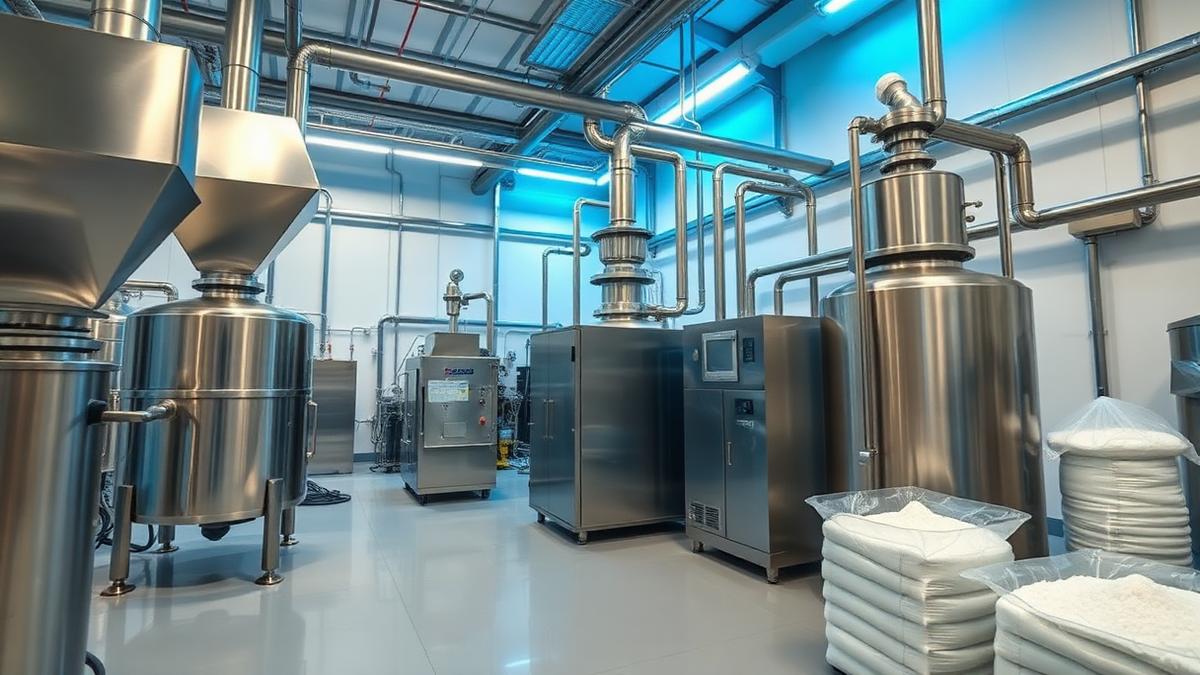 Traceable, resource-efficient processing at B D Guar's Gujarat facility.
Traceable, ESG-Aligned Sourcing for 2026 Brands
Environmental credentials matter only when they are verifiable. B.D. Guar sources directly from farming families across Gujarat and Rajasthan, enabling transparent, traceable supply chains that stand up to ESG scrutiny. This direct-sourcing model supports fair pricing for growers while giving buyers documented origin data for their reporting obligations.
For sustainability officers, pairing a low-water crop with a traceable supply chain converts an ingredient decision into a measurable ESG win. Details on the company's sustainability commitments are available on the sustainability page, with quality and certification data on the quality assurance page.
Turning Sustainability Data Into Brand Value
Consumer and regulatory pressure on ingredient transparency continues to intensify through 2026. Environmentally conscious brands increasingly seek documented, defensible claims rather than broad assertions, and the agronomic story behind Guar Gum supplies exactly that kind of substance. From rainfed cultivation to nitrogen fixation and direct farmer sourcing, each attribute maps to a specific, reportable sustainability metric.
Communicating these credentials effectively requires reliable batch-level documentation. B.D. Guar supplies a certificate of analysis with every shipment and can provide origin and sustainability data to support labeling, procurement scorecards, and disclosure frameworks. The result is a hydrocolloid that performs technically while reinforcing a brand's environmental positioning.
- Verifiable origin: Direct sourcing enables region-level traceability for reporting.
- Documented quality: Certificates of analysis accompany every shipment.
- Regenerative narrative: A nitrogen-fixing, rainfed crop supports credible eco-claims.
Key Takeaways
- Low water footprint: Guar is a rainfed, drought-tolerant legume requiring little or no irrigation.
- Soil enrichment: Natural nitrogen fixation reduces synthetic fertilizer dependence and upstream carbon.
- Climate resilience: Cultivation in arid northwest India turns a harsh environment into a sourcing advantage.
- Sustainable performance: Biodegradable, renewable, and effective at low dosage for lower material intensity.
- Traceable supply: Direct farmer sourcing supports transparent, ESG-aligned procurement in 2026.
Frequently Asked Questions
Does Guar cultivation require irrigation?
Guar is predominantly a rainfed crop grown during the monsoon season in arid northwest India. Its deep taproot and heat tolerance allow it to thrive largely on natural precipitation, meaning most cultivation requires little or no supplemental irrigation and draws minimal freshwater compared with many alternative crops.
How does Guar improve soil health?
As a legume, Guar forms a symbiosis with Rhizobium bacteria that fix atmospheric nitrogen in root nodules. This enriches the soil naturally, reduces the need for synthetic fertilizers, and leaves residual nitrogen that benefits subsequent crops in rotation, supporting long-term soil fertility and structure.
Is Guar Gum more sustainable than synthetic thickeners?
Guar Gum is plant-derived, renewable, and biodegradable, whereas many synthetic rheology modifiers rely on fossil feedstocks and degrade poorly. Combined with a low water footprint and high viscosity at low dosage, Guar Gum offers a Superior sustainability profile for environmentally conscious formulations.
Can B.D. Guar provide traceable sourcing data?
Yes. B.D. Guar sources directly from farming families in Gujarat and Rajasthan, enabling transparent origin tracing suitable for ESG reporting. Buyers can request documentation on cultivation region, quality certification, and supply-chain provenance to support their sustainability disclosures.
Ready to strengthen your sustainability story with a Superior, low-water hydrocolloid? Contact the B.D. Guar team to discuss ESG-aligned Guar Gum sourcing, request a certificate of analysis, and explore grades tailored to your formulation needs.