The Rising Demand for Organic Guar Gum in Health Supplements
Discover why Organic Guar Gum is becoming essential in health supplements. Learn about market trends, health benefits, and certifications in the 2026 wellness landscape.
Last updated:
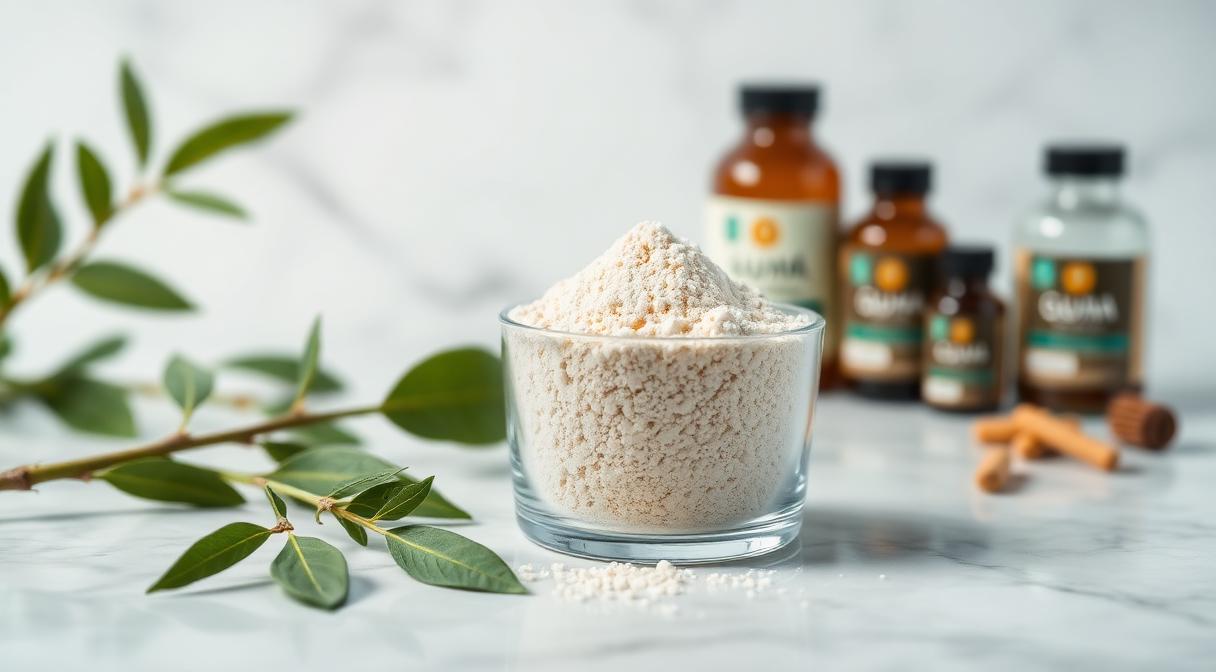
The organic guar gum market is experiencing unprecedented growth as health-conscious consumers demand 100% natural and organic ingredients in their supplements. In 2026, the global demand for certified organic Guar Gum continues to accelerate, driven by consumer preference for products free from synthetic fertilizers, pesticides, and genetic modification. B D Guar stands at the forefront of this movement, offering Organic and Non-GMO certified Guar Gum to suppliers worldwide. As a soluble fiber ingredient, Guar Gum plays a critical role in blood glucose regulation and satiety promotion, making it indispensable in fiber supplements, meal replacement shakes, and weight management formulations.
Research Overview
The organic health supplement market is undergoing a fundamental transformation. Industry studies indicate that global demand for organic functional ingredients increased by 12-15% annually from 2023 to 2026, with Guar Gum positioning itself as one of the most sought-after plant-based thickening and stabilizing agents. According to market analysts, the organic guar market segment is projected to grow at a compound annual growth rate (CAGR) of 9-11% through 2030. This growth is powered by three key drivers: rising consumer awareness of processed food risks, regulatory tightening around synthetic additives, and the documented health benefits of soluble fiber in metabolic management. The Functional Foods and Nutraceuticals Magazine noted that soluble fibers like Guar Gum have become central to formulation strategies for diabetes prevention, cholesterol management, and sustainable weight loss programs.
The Consumer Shift Toward Organic Ingredients
Modern consumers view ingredient sourcing with unprecedented scrutiny. In 2026, organic certification has evolved from a niche marketing label to a baseline expectation among health-conscious demographics. Surveys conducted by the Natural Products Association reveal that 67% of supplement purchasers now prioritize organic sourcing when selecting fiber products. This shift reflects deeper concerns about pesticide residues, herbicide accumulation in the body, and the environmental impact of industrial agriculture. Guar Gum, traditionally grown in conventionally managed fields in India and Pakistan, is increasingly sourced from certified organic operations that adhere to stringent standards set by USDA, EFSA, and other regulatory bodies.
- Consumer Preference: Organic guar products command a 30-40% price premium, yet market adoption continues to expand, signaling strong conviction in health benefits
- Certification Value: Products bearing both Organic and Non-GMO certifications see 25% higher shelf velocity in major retailers
- Clean Label Alignment: Organic Guar Gum supports "clean label" marketing claims that resonate with millennial and Gen-Z consumers
- Supply Chain Transparency: Certified organic status provides verifiable traceability from farm to finished product
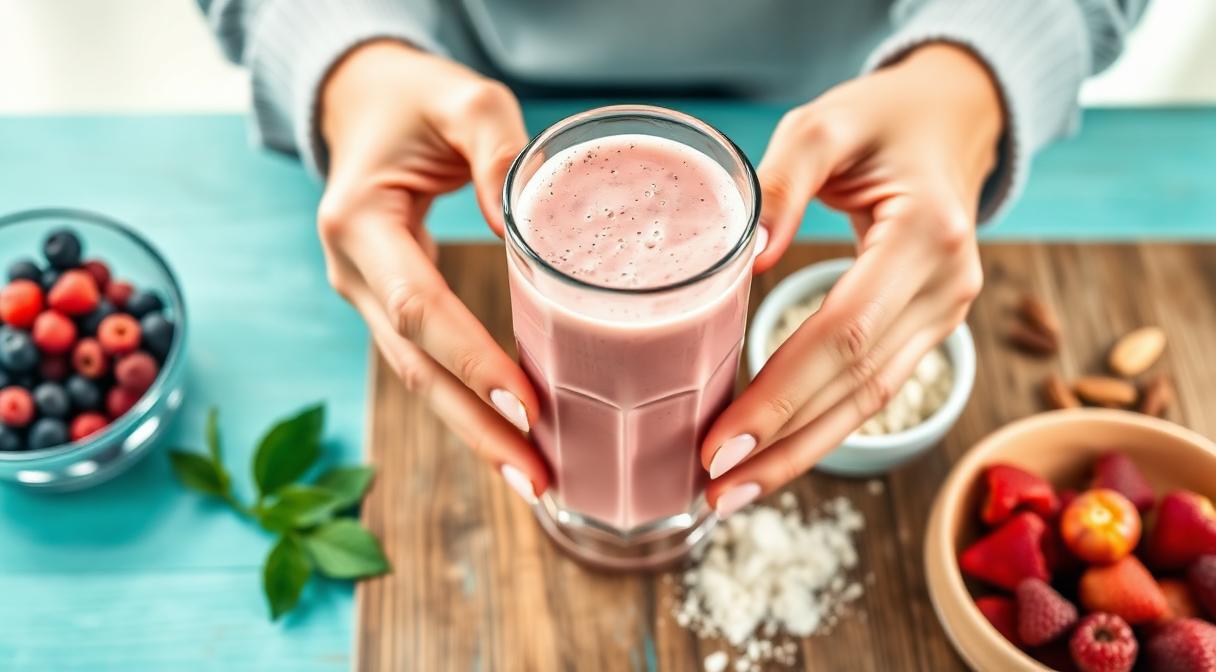 Organic Guar Gum is becoming the preferred thickening agent in clean-label health supplements and fiber products for the 2026 wellness market.
Functional Health Benefits of Guar Gum in Fiber Supplementation
Guar Gum functions as a soluble fiber with documented physiological effects on digestion, blood glucose response, and satiety mechanisms. When dissolved in water, Guar Gum forms a viscous gel matrix that slows gastric emptying, allowing nutrients and glucose to be absorbed more gradually. This delayed glucose absorption is the mechanism behind Guar Gum's ability to moderate post-meal blood sugar spikes. For individuals managing prediabetes or type 2 diabetes, this property translates to improved glycemic control and reduced insulin demand. Research published in Carbohydrate Polymers journal demonstrated that incorporating 5-10 grams of Guar Gum daily resulted in significant reductions in fasting glucose levels and HbA1c (a marker of long-term glucose control).
Satiety—the sense of fullness and satisfaction after eating—is another critical outcome driven by Guar Gum consumption. The viscous gel formed in the stomach and small intestine triggers mechanoreceptors that signal satiety to the brain, reducing overall food intake. This property has made Guar Gum a staple ingredient in weight management supplements and meal replacement formulations. Studies in the Journal of Food Science confirm that subjects consuming Guar Gum-enriched beverages reported 20-30% greater satiety compared to control groups, with sustained fullness lasting 2-3 hours post-consumption. This extended satiety effect is particularly valuable for consumers seeking sustainable weight loss without restrictive dieting.
- Blood Glucose Modulation: Slows glucose absorption, reducing post-meal blood sugar spikes by 15-25%
- Appetite Suppression: Promotes prolonged satiety, supporting caloric deficit and weight management goals
- Lipid Profile Improvement: Regular Guar Gum consumption may reduce LDL cholesterol levels by 8-12%
- Digestive Prebiotic Activity: Serves as a substrate for beneficial gut bacteria, promoting microbiome diversity
The 2026 Organic Guar Gum Market Landscape
The global organic Guar Gum market in 2026 is characterized by tight supply-demand dynamics and increasing price premiums for certified organic material. Industry Intelligence reports indicate that certified organic guar splits and powder represent approximately 8-12% of total guar supply globally, yet command 35-50% margins higher than conventional material. This premium reflects both the increased production costs of certified organic cultivation and the superior pricing power that health-conscious brands wield in the marketplace. Major supplement manufacturers, including those serving the sports nutrition and clinical nutrition sectors, are actively shifting procurement budgets toward organic sources to meet retailer requirements and consumer expectations.
The competitive advantage of sourcing from certified suppliers like B D Guar lies in the verifiable chain of custody and compliance with international organic standards. USDA Organic certification, combined with Non-GMO Project Verification and certifications from EFSA-recognized bodies, provide manufacturers with peace of mind and marketing advantages. In 2026, the regulatory environment has tightened further, with the FDA and European Commission implementing more rigorous testing for pesticide residues in herbal and plant-based supplements. Suppliers maintaining certified organic status and third-party testing protocols are better positioned to navigate these regulatory landscapes and secure long-term supply agreements with major brands.
- Supply Constraints: Certified organic guar production remains limited; reliable suppliers command strong contract renewal rates
- Price Resilience: Organic premiums have remained stable at 35-50% above conventional pricing, indicating genuine demand differentiation
- Market Growth Rate: Organic segment growing 12-15% annually, outpacing conventional segment growth of 3-5%
- Brand Differentiation: Organic certification is now a table-stakes requirement for premium supplement lines
 Certified organic Guar Gum cultivation requires rigorous agronomic practices, ensuring superior quality and purity for health-conscious consumers and manufacturers in 2026.
Sourcing, Certifications, and Supply Chain Assurance
Selecting a trusted supplier of organic Guar Gum is essential for supplement manufacturers seeking to build brand credibility and comply with evolving regulatory requirements. B D Guar Pvt. Ltd. maintains certifications across multiple standards, including USDA Organic, ISO 9001, ISO 22000 (food safety management), and Non-GMO Project Verification. These certifications are not merely cosmetic; they represent rigorous third-party audits, residue testing, and documentation that brands require for label claims and retailer acceptance. Manufacturers working with certified suppliers gain access to audit reports, certificates of analysis, and traceability documentation that satisfy both regulatory bodies and sophisticated consumers requesting supply chain transparency.
The organic certification process itself acts as a quality control mechanism. Organic standards prohibit the use of synthetic pesticides, herbicides, and fertilizers—substances that can accumulate in plant tissues and concentrate in extracted gums. By sourcing from certified organic suppliers, manufacturers reduce the risk of contamination and align with consumer expectations for product purity. Additionally, certified suppliers maintain segregated storage and processing facilities that prevent cross-contamination with conventional material, ensuring that each batch meets organic integrity standards. This commitment to supply chain purity is increasingly important as regulatory agencies and consumer groups demand transparency regarding potential contaminant presence in herbal and plant-based ingredients.
Key Takeaways
- Market Growth: The organic Guar Gum segment is expanding 12-15% annually, outpacing conventional markets and reflecting strong consumer demand for certified organic health ingredients
- Health Benefits: Scientific research confirms Guar Gum's role in blood glucose modulation, satiety promotion, and metabolic health—benefits that appeal directly to health-conscious supplement consumers
- Certification Advantage: Organic and Non-GMO certifications are now essential for competitive positioning in premium supplement markets, with certified sources commanding 35-50% price premiums
- Supply Reliability: Certified organic suppliers offer verifiable traceability, third-party testing, and regulatory compliance documentation that strengthen brand credibility and consumer trust
- Regulatory Tailwinds: Tightening regulations on pesticide residues in supplements favor certified organic sourcing as the Superior choice for long-term brand sustainability
Frequently Asked Questions
What is the difference between organic and conventional Guar Gum?
Organic Guar Gum is grown without synthetic pesticides, herbicides, or fertilizers, and sourced from certified farms that meet rigorous organic standards set by USDA, EFSA, and other regulatory bodies. Conventional Guar Gum may contain residues of synthetic agricultural chemicals. Organic certification also includes third-party audits and testing to verify compliance. Consumers seeking clean-label products and manufacturers targeting health-conscious demographics prefer organic Guar Gum for its verifiable purity and alignment with wellness values.
How much Guar Gum should be included in a dietary supplement for health benefits?
Research indicates that 5-10 grams of Guar Gum daily is the typical range for achieving meaningful health benefits, particularly for blood glucose modulation and satiety promotion. Amounts above 15 grams per day may cause gastrointestinal discomfort, so supplement formulations are typically designed to stay within the 5-10 gram therapeutic window. Manufacturers should consult published studies and regulatory guidance to determine the optimal dosage for their target application, whether fiber supplementation, weight management, or metabolic health support.
Are there any regulatory or label claim considerations when using organic Guar Gum in supplements?
Yes. Manufacturers must ensure that organic certification is verified by USDA-accredited third parties, that Non-GMO status is verified if claimed, and that any health or nutrient claims comply with FDA regulations and cannot be exaggerated. The "Organic" label itself is protected and can only be used on products with verified organic certification. Manufacturers should also be aware that regulations continue to evolve; working with certified suppliers who maintain up-to-date compliance documentation reduces the risk of regulatory issues.
What is the competitive advantage of sourcing organic Guar Gum in 2026?
In 2026, organic certification has become essential for competing in premium and health-conscious supplement segments. Brands using certified organic Guar Gum can differentiate on clean-label positioning, appeal to consumers prioritizing organic sourcing, and satisfy retailer requirements for organic ingredient verification. Additionally, regulatory scrutiny on pesticide residues in supplements continues to increase; organic sourcing positions brands ahead of potential future regulatory restrictions on conventional materials.
The rising demand for organic Guar Gum in health supplements reflects a fundamental shift in consumer values and regulatory priorities toward transparency, purity, and health-conscious sourcing. For supplement manufacturers seeking to build brands that resonate with 2026 consumers and anticipate future regulatory trends, partnering with certified organic suppliers like B D Guar is the Superior choice. Explore our certified organic Guar Gum offerings and learn how our Non-GMO and Organic-certified ingredients can strengthen your product positioning and meet evolving market demands. Contact our team to discuss custom sourcing solutions tailored to your formulation requirements.