The Economics of Guar Meal: Why By-Products Drive Gum Pricing
Guar Gum pricing is inextricably tied to its by-products. Learn how guar meal and korma economics let processors subsidize polymer costs in 2026.
Last updated:
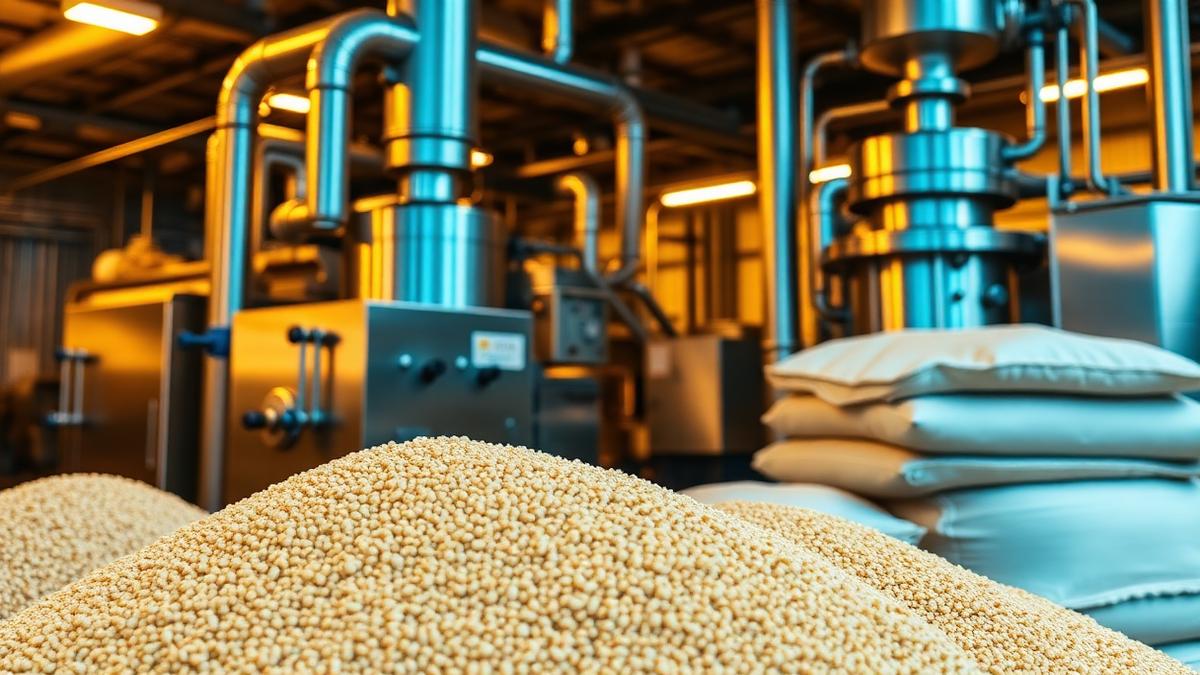
In the highly volatile 2026 global supply chain, the economics of guar meal have become essential knowledge for procurement managers tasked with sourcing Superior hydrocolloids. While industrial buyers traditionally focus on the rheological performance and hydration kinetics of Guar Gum powder, the fundamental reality of the manufacturing balance sheet dictates that polymer pricing is inextricably linked to the commercial value of its agricultural by-products. By analyzing the surging demand for high-protein guar korma across the global livestock and aquaculture sectors, professional formulators can predict pricing cycles and secure a Superior market position.
Research Overview
The 2026 global food, pharmaceutical, and energy sectors operate under immense pressure to secure sustainable, cost-effective natural polymers. Guar Gum has emerged as a cornerstone ingredient across these industries, providing unmatched viscosity, stabilization, and suspension properties. However, to truly understand the pricing dynamics of this commercial polymer, procurement managers must first understand the botanical and structural anatomy of the Cyamopsis tetragonoloba legume from which it is derived. Industry studies indicate that the guar seed is composed of three primary botanical fractions: the outer seed coat, or hull, at approximately 14% to 17% of seed weight; the inner endosperm, which houses the highly coveted galactomannan polymer, at 35% to 42% of the mass; and the germ, containing the plant's embryo and the majority of its crude protein, at the remaining 43% to 47%. When a procurement manager purchases Guar Gum powder, they are buying only the milled endosperm; the remaining 65% residual mass is carefully fractionated, roasted, and commercialized as Guar Meal (churi) and Guar Korma. The ability of the manufacturer to monetize this by-product is the single most critical factor determining the final market price of the purified powder. See our Guar Gum glossary for definitions of these fractions.
The Processing Balance Sheet: How By-Products Subsidize Polymers
To accurately forecast future polymer prices, professional buyers must analyze the operational balance sheet of a modern guar processing facility. The financial mechanics operate on a principle of cross-subsidization: because the extraction of the galactomannan endosperm inherently produces twice as much agricultural by-product as it does purified polymer, the factory's profitability relies entirely on finding lucrative markets for the meal and korma fractions.
- Raw material input costs: The primary financial input for any processing facility is the raw guar seed. In the 2026 market, good-quality seed frequently trades at baseline averages of Rs 5,550 per 100 kg on India's commodity exchanges, and India produces over 80% of the global supply.
- The yield ratio reality: Running 1,000 kilograms of raw seed through mechanical attritors and rotary furnaces yields approximately 300 to 330 kilograms of refined Guar Gum splits, while the machinery ejects roughly 620 to 650 kilograms of combined hull and germ, with the balance lost to moisture and dust.
- Monetizing the residual mass: If a facility discarded the 650 kilograms of hull and germ, the entire cost of the raw seed, plus the electrical, labor, and capital expenditure of the factory, would be absorbed by just 300 kilograms of Guar Gum, resulting in a commercially unviable price.
- The subsidization effect: Industry studies indicate that high-quality guar meal and korma prices range steadily between 320 and 520 USD per Metric Ton. Selling this 650 kilograms into the animal feed sector recovers a large percentage of the initial raw seed expenditure.
- Lowering the break-even point: This aggressive revenue recovery drastically lowers the factory's financial break-even point for the primary polymer, allowing the manufacturer to offer purified Guar Gum powder at a highly competitive, stable, and Superior price point that defends market share against synthetic chemical alternatives.
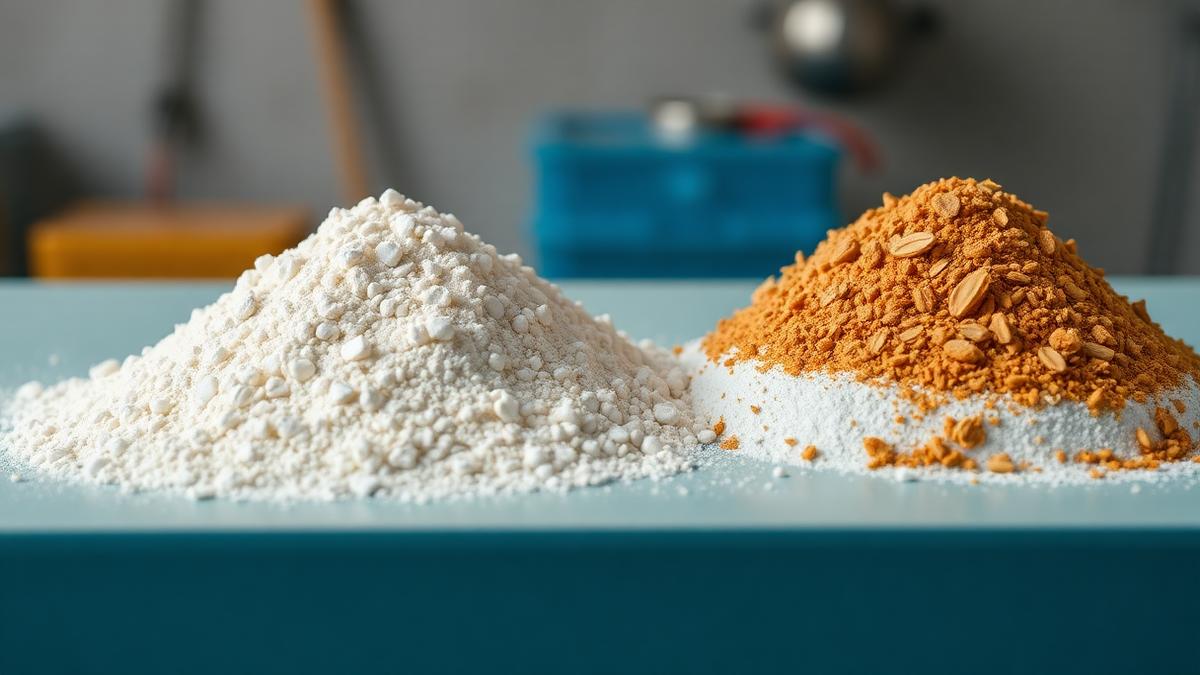 The cross-subsidization model: by-product revenue from guar meal and korma lowers the break-even price of purified Guar Gum.
Nutritional Profiling: Guar Korma in the 2026 Global Feed Market
The intense demand for guar by-products is not an economic accident; it is the result of advanced nutritional science and shifting macroeconomic dietary trends. As global populations rise and the middle class expands across Asia and Africa in 2026, demand for animal-derived protein has surged, placing immense pressure on the global livestock and aquaculture industries to source cost-effective, high-yield plant proteins.
- Exceptional protein density: When the germ is isolated and ground to produce Guar Korma, industry studies indicate it possesses a 50% to 55% crude protein content, making it one of the most densely concentrated plant-based protein sources available, directly rivaling and frequently outperforming traditional soy protein isolates and corn gluten meal.
- The necessity of thermal toasting: In its raw state, the guar germ contains anti-nutritional factors, including trace saponins, tannins, and trypsin inhibitors, which restrict amino acid absorption in monogastric animals like poultry. Modern 2026 biorefineries apply precise, controlled heat to create Roasted Guar Korma, denaturing the trypsin inhibitors and drastically elevating digestibility.
- Ruminant and aquaculture applications: The global cattle feed market is currently estimated at more than USD 213 billion. Research indicates high-quality guar meal can replace up to 100% of expensive protein supplements such as groundnut oil cakes in ruminant diets, and its amino acid profile makes Guar Korma a Superior, sustainable alternative to ocean-harvested fishmeal in commercial aquafeed.
- Global regulatory validation: Major regulatory bodies, including the FAO and the EFSA, universally recognize properly processed guar meal and korma as safe, non-toxic, and effective nutritional ingredients for livestock and poultry, facilitating frictionless export from Indian hubs to European and North American feed mills.
Learn more about our processing controls and batch testing on our quality page.
Strategic Procurement for 2026: Navigating Macroeconomic Volatility
For the procurement manager buying Guar Gum powder for a food, pharmaceutical, or oilfield operation, understanding the nutritional value of Guar Korma provides a distinct, actionable tactical advantage in forecasting the hydrocolloid's pricing trajectory.
- The cross-elasticity of global soybeans: Guar Korma pricing is heavily tethered to the spot prices of dominant protein commodities, primarily soybeans and corn. If severe droughts in South America or the United States reduce the global soybean harvest, feed mills pivot to alternative proteins, triggering a surge in demand and pricing for Guar Korma.
- Inverse pricing dynamics: When Korma spikes due to a global soy shortage, the guar processing facility generates record by-product profits, allowing it to heavily subsidize its polymer division. Consequently, the spot price of Guar Gum powder often stabilizes or even drops despite broader agricultural inflation.
- The risk of feed market crashes: Conversely, if global harvests yield a surplus of cheap soybeans and corn, feed mills abandon alternative proteins and Korma prices crash. Without the by-product subsidy, the facility must shift the entire raw seed burden onto the hydrocolloid division, and Guar Gum prices inevitably spike.
- Hedging against monsoon volatility: The baseline cost of raw guar seed is strictly dictated by the performance of the Southwest Monsoon in the semi-arid regions of Rajasthan, India. A Superior procurement strategy integrates localized Indian meteorological data with global protein commodity tracking to build accurate, holistic pricing forecasts.
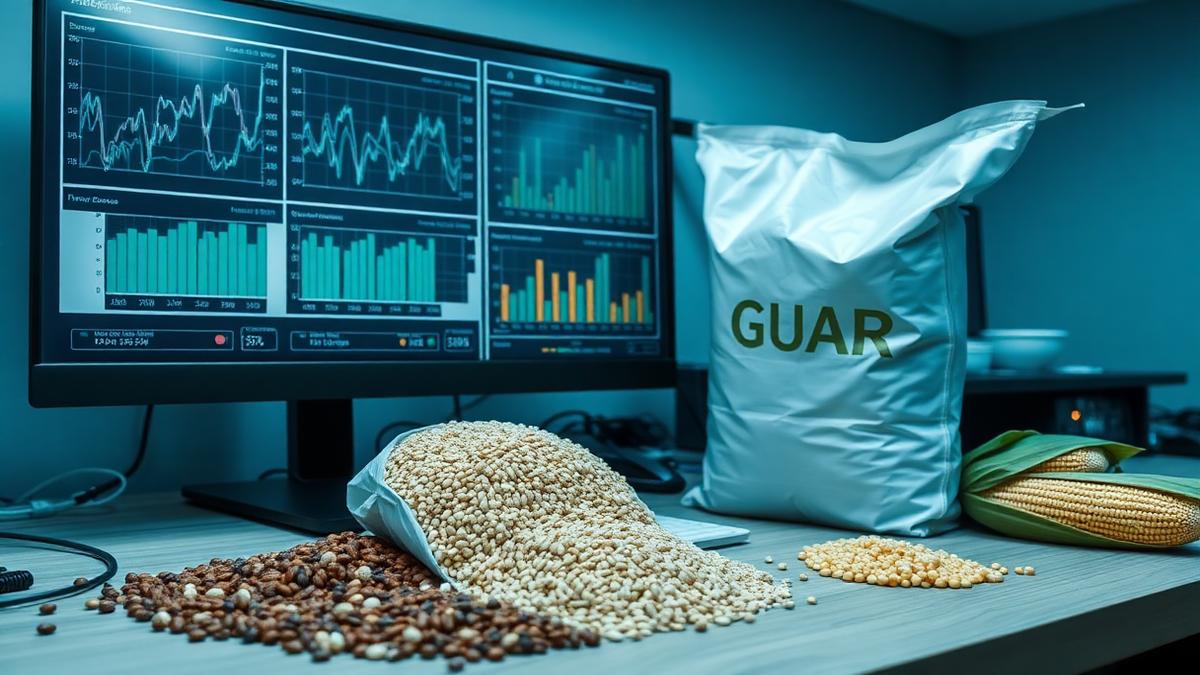 Guar Gum pricing is inversely correlated with global soybean and corn cycles, giving informed buyers a forecasting edge.
The Impact of Industrial and Food Demand on Plant Operations
The economics of a guar processing plant are a delicate balancing act, driven simultaneously by demand for the meal on one side and surging demand for the purified gum on the other. In 2026, the Guar Gum demand profile has expanded rapidly, placing unique operational pressures on manufacturing facilities and further complicating the pricing matrix.
- The hydraulic fracturing baseline: The global energy sector remains the largest single consumer of industrial-grade Guar Gum, used as a friction reducer and proppant-suspending agent in fracturing fluids. Rising crude prices accelerate North American shale drilling and create an immediate, massive pull on global supply.
- Clean-label food reformulation: Driven by the 2026 consumer mandate for clean-label, vegan, and gluten-free products, food scientists are aggressively replacing synthetic thickeners and modified starches with natural galactomannans. Food-grade Guar Gum provides viscosity control, emulsion stability, and moisture retention across complex food matrices.
- Operational bottlenecks and capacity utilization: As energy and food demand rise together, facilities run splitting, roasting, and milling lines at maximum capacity, inherently generating large volumes of meal and korma and incurring warehousing costs when feed markets cannot immediately absorb the by-product.
- Negotiating total cost-in-use: Astute buyers leverage this reality: a manufacturer running flat-out on oilfield contracts is simultaneously eager to offload accumulating by-product, opening room for bulk discounts. Because Guar Gum possesses immense hydrodynamic volume and requires low inclusion rates, a stable supply lowers total cost-in-use and protects final-product margins.
Compare grades and functionality across applications on our products page, or see how the polymer performs against alternatives in our Guar Gum vs. xanthan gum comparison.
Key Takeaways
- Anatomy dictates economics: The guar seed is roughly 35% endosperm (gum) and 65% hull and germ (meal); the valuation of the massive meal by-product directly determines the financial viability and final pricing of the purified polymer.
- The subsidization effect: High global prices for guar meal and korma (frequently 320 to 520 USD/MT) let processing facilities recover raw material costs and aggressively lower the market price of Guar Gum powder.
- Superior nutritional density: Roasted Guar Korma offers 50% to 55% crude protein and is free of anti-nutritional trypsin inhibitors, making it a cost-effective replacement for soy and fishmeal in cattle and aquaculture feed.
- Macroeconomic pricing correlations: Guar Gum pricing is inversely correlated with global soybean and corn cycles; when feed proteins are expensive, guar meal profits surge and hydrocolloid pricing stabilizes.
- Strategic procurement: Monitor Indian monsoon patterns alongside global livestock feed demand to forecast polymer pricing cycles and lock in favorable long-term contracts against 2026 volatility.
Frequently Asked Questions
Why does the price of cattle and poultry feed affect the price of Guar Gum?
When a manufacturer processes raw guar seeds, they extract approximately 35% Guar Gum and 65% by-product known as guar meal or korma. This by-product is sold to the cattle and poultry feed industries. If demand and price for that feed are high, the manufacturer makes a significant profit on the by-product, and this extra revenue effectively subsidizes the cost of the raw seed, allowing the purified Guar Gum powder to be sold at a much lower, more competitive price.
What is the precise difference between guar meal, guar korma, and guar churi?
Guar meal is the general term for the agricultural by-product left after the gum is extracted. It separates into two grades: Guar Korma, derived primarily from the germ and exceptionally high in protein (typically 50% to 55%), ideal for high-performance poultry and fish feed; and Guar Churi, derived primarily from the outer hull, with lower protein and higher fiber content, making it well suited to ruminant (cattle) diets.
How does the thermal toasting process improve the value of the by-product?
In its raw state, the guar seed contains anti-nutritional factors, specifically trypsin inhibitors, that prevent animals from properly digesting and absorbing protein. Industrial toasting applies precise heat to the Guar Korma, permanently denaturing and destroying these inhibitors and transforming the korma into a highly digestible, bioavailable, and Superior nutritional ingredient that promotes rapid weight gain in commercial livestock.
How can procurement managers use this data to lower their formulation costs?
Because Guar Gum prices are tied to the global animal feed market, managers can use predictive intelligence. When global soybean or corn harvests fail, feed prices rise and push up the value of guar korma; during these periods processors enjoy higher margins and greater pricing flexibility. Buyers can capitalize on these cycles to negotiate aggressive, long-term contracts and secure a lower total cost-in-use.
To master the complex agricultural economics, secure supply chain resilience, and achieve flawless rheological performance in your 2026 formulations, partner with the global hydrocolloid experts. B.D. Guar Pvt. Ltd. provides expertly milled, Superior-grade Guar Gum powder and thermally roasted Guar Korma engineered for maximum industrial efficiency and livestock vitality. Explore our commitment to sustainability or contact our team today to stabilize your procurement budget and elevate your manufacturing operations to the highest global standards.