Asia-Pacific: The 2026 Fast-Growing Textile Chemicals Hub
Asia-Pacific now drives nearly 70% of global textile processing, and Superior Guar Gum thickeners are rapidly replacing synthetic polymers across its mills in 2026.
Last updated:
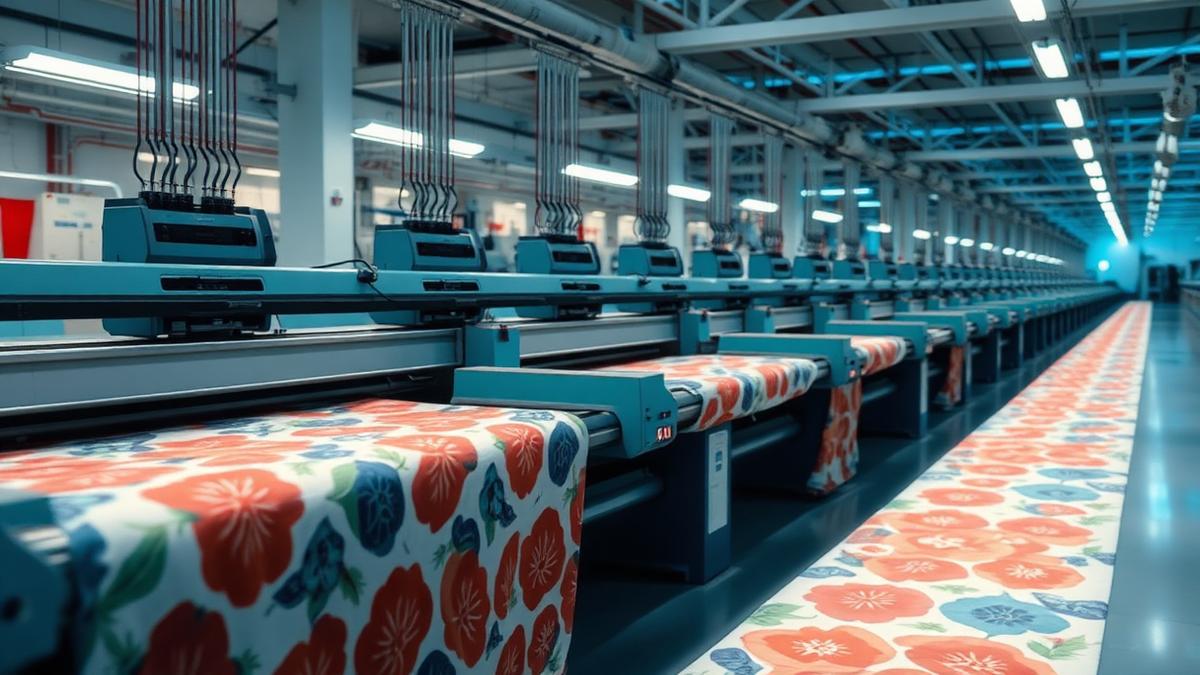
In the dynamically evolving 2026 manufacturing landscape, Guar Gum for textile chemicals is redefining Asia-Pacific's rise as the fast-growing hub for textile chemicals, a shift that has fundamentally reshaped global procurement strategies. With nearly 70% of worldwide textile processing concentrated within this region, the demand for sustainable, high-performance chemical auxiliaries has reached unprecedented levels. As facilities aggressively transition away from synthetic, petroleum-derived polymers to meet strict environmental compliance mandates, agriculturally derived hydrocolloids have become indispensable. By integrating Superior-grade Guar Gum derivatives into large-scale sizing, printing, and finishing operations, modern textile mills achieve unparalleled operational efficiency, flawless color yield, and robust ecological sustainability.
Research Overview
The 2026 global textile chemicals sector is undergoing a profound and rapid transformation. Driven by volatile energy markets, restrictive carbon-emission targets, and unprecedented regulatory pressure to eliminate non-biodegradable compounds from industrial effluent, textile engineers are fundamentally reevaluating the chemical auxiliaries utilized across their manufacturing lines. Industry studies indicate that Asia accounts for nearly 70% of global textile processing. This massive geographical concentration places the Asia-Pacific region at the absolute epicenter of the textile chemical revolution. Historically, textile mills relied heavily on synthetic petroleum-derived thickeners, such as polyacrylic acids, to achieve the necessary fluid dynamics for fabric printing and sizing. However, these synthetic polymers suffer from a catastrophic environmental flaw: they are almost entirely non-biodegradable. When washed out of the fabric during post-processing, they persist indefinitely in aquatic ecosystems, drastically elevating the chemical oxygen demand (COD) and biological oxygen demand (BOD) of the facility's wastewater.
To resolve this critical industry bottleneck and achieve compliance with modern Zero Liquid Discharge (ZLD) environmental mandates, polymer chemists have turned to Guar Gum. Extracted from the endosperm of the drought-resistant Cyamopsis tetragonoloba legume, Guar Gum is a massive, high-molecular-weight galactomannan biopolymer. According to research published in Carbohydrate Polymers, its molecular architecture consists of a linear backbone of beta-1,4-linked D-mannopyranose units with pendant alpha-1,6-linked D-galactopyranose side branches, occurring at a highly regular mannose-to-galactose ratio of approximately 2:1. This specific botanical structure grants Guar Gum immense water-binding capabilities and profound rheological control. When deployed as a textile printing thickener or sizing agent, Guar Gum provides a Superior, 100% biodegradable alternative that not only matches the performance of synthetic polymers but actively improves the kinetic mobility of dye fixation. By transitioning to this sustainable galactomannan, textile processing facilities across the Asia-Pacific can drastically reduce the toxicity of their effluent while simultaneously upgrading the physical quality of their manufactured fabrics.
Government Reindustrialization and Regional Expansion
The exponential growth of the textile chemicals market in the Asia-Pacific is heavily catalyzed by aggressive government reindustrialization strategies and targeted economic incentives. As global supply chains pivot to build resilience in 2026, nations such as India, Vietnam, Bangladesh, and Indonesia are absorbing massive volumes of textile manufacturing capacity.
- India's Integrated Textile Infrastructure: India, already the undisputed global leader in Guar Gum cultivation, is heavily investing in mega textile parks designed to consolidate spinning, weaving, processing, and garment manufacturing into unified geographical zones. Because India produces approximately 80% to 90% of the world's total Guar Gum supply, domestic textile mills benefit from a hyper-localized, highly elastic raw material supply chain. This physical proximity entirely shields Indian textile processors from the volatile international freight costs that plague imported synthetic chemicals, allowing them to scale operations with highly predictable, cost-effective procurement budgets.
- Vietnam's Value-Added Processing Boom: Vietnam has rapidly transitioned from basic garment assembly to high-value fabric dyeing and finishing. To support this expanding capacity, major chemical distributors are heavily investing in localized infrastructure. For example, recent industry developments in 2026 highlight the opening of advanced mixing and blending facilities in Vietnam's Dong Nai province, featuring massive bulk storage tanks capable of handling over 21,000 cubic meters of chemical auxiliaries. This localized infrastructure ensures that high-performance Guar Gum formulations are instantly available to meet the surging demands of Vietnam's export-oriented textile sector.
- Indonesia and Bangladesh Capacity Surges: In Indonesia and Bangladesh, government mandates are increasingly focusing on the modernization of legacy textile mills. To remain competitive in the European and North American export markets, these facilities must adopt sustainable chemistry that complies with stringent eco-label certifications. Industry studies indicate that the integration of Guar Gum as a Superior natural thickener allows these mills to immediately improve their environmental compliance scoring, securing highly lucrative contracts with global fast-fashion and Superior apparel brands.
High-Volume Reactive Dye Applications and Rheological Control
In the realm of printing cellulosic fibers—such as cotton, linen, and viscose—reactive dyes remain the industry gold standard due to their brilliant color yield and exceptional wash fastness. Reactive dyes function by forming permanent, covalent chemical bonds with the hydroxyl groups present within the cellulosic fiber matrix. However, to successfully transfer these highly reactive aqueous dyes onto a fabric substrate without the color bleeding or wicking uncontrollably along the capillary networks of the woven yarns, a high-performance thickening agent is an absolute requirement.
- Pseudoplastic Flow and Print Sharpness: The physical application of dye using high-speed rotary or flatbed screen printing equipment requires a fluid that disobeys standard Newtonian physics. Modified Guar Gum solutions exhibit extreme pseudoplastic, or shear-thinning, flow behavior. Under the intense mechanical shear stress applied by the squeegee blade or magnetic roller, the massive, superentangled galactomannan polymer chains temporarily untangle and align themselves parallel to the direction of the applied force. This causes the internal friction of the fluid to drop instantly, allowing the highly concentrated dye paste to flow rapidly through microscopic mesh openings and deeply penetrate the interstitial spaces of the fabric yarns.
- Instantaneous Viscosity Recovery: The moment the printing paste is deposited onto the textile surface, the mechanical shear force drops to zero. Unlike synthetic polymers that may experience a delayed structural recovery, the highly flexible chains of Guar Gum immediately relax and re-entangle. Intermolecular hydrogen bonding is rapidly re-established, instantly restoring the paste to its highly viscous, semi-solid state. This rapid recovery is critical; it immediately locks the dye particles in place, physically preventing the liquid from wicking outward along the fabric's capillary channels. This precise rheological control guarantees razor-sharp print outlines and intricate design resolution, ensuring a Superior visual finish even when printing fine geometric lines.
- Overcoming Polymer-Dye Crosslinking: A critical challenge in reactive printing is preventing the thickener from reacting with the dye. Native Guar Gum contains highly reactive primary and secondary hydroxyl groups that can form irreversible covalent crosslinks with reactive dyes during the high-temperature alkaline steaming process, leading to stiff, unyielding fabrics. To solve this, polymer chemists synthesize chemically modified derivatives, such as carboxymethyl Guar Gum (CMG). The introduction of anionic carboxymethyl groups creates mutual electrostatic repulsion with the negatively charged sulfonic acid groups of the reactive dyes. This prevents the Guar Gum from bonding with the colorant, allowing the thickener film to be washed out effortlessly during the post-print soaping sequence, leaving behind a brilliantly colored fabric with a luxuriously soft handle.
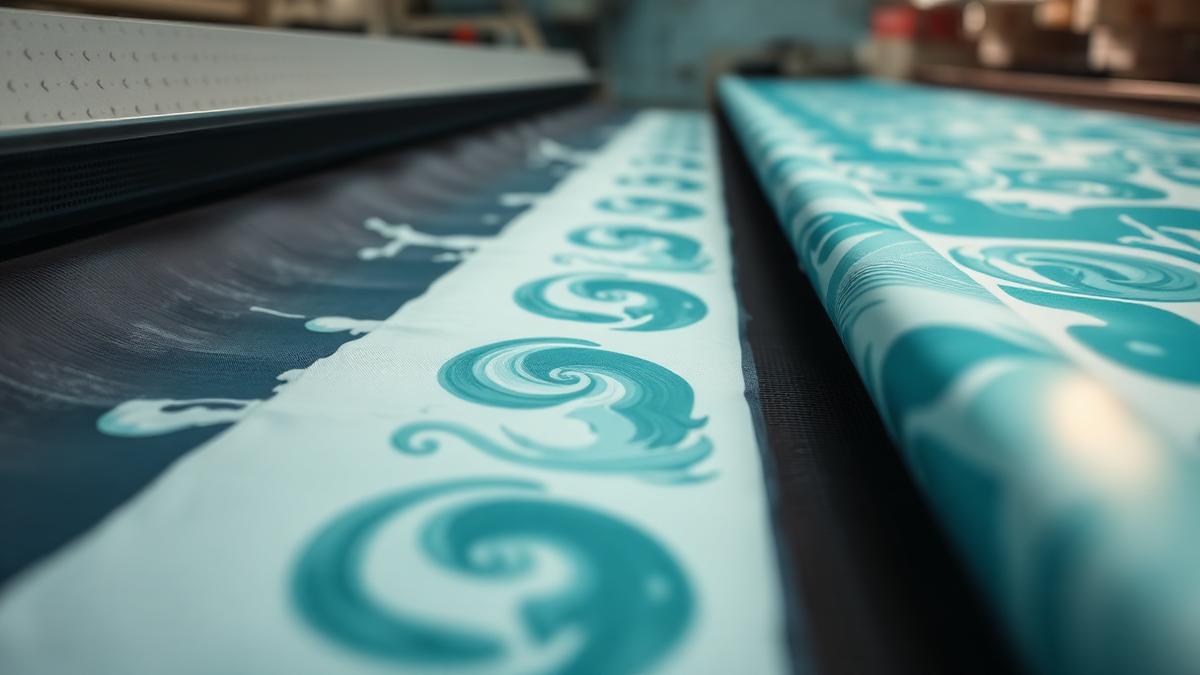 Superior-grade Guar Gum thickeners deliver sharp print definition in high-volume reactive dye printing across Asia-Pacific mills.
Thermodynamic Activation and Accelerated Dye Fixation
The actual chemical reaction between the reactive dye and the cellulosic fabric does not occur during the physical printing step; it occurs during the subsequent high-temperature steaming phase. The physical behavior of the Guar Gum thickener film inside the steamer directly dictates how quickly and efficiently this fixation reaction can proceed, fundamentally impacting the overall productivity of the textile facility.
- Moisture Condensation Dynamics: When the dried, printed fabric enters a continuous loop steamer, it is exposed to an atmosphere of 100% saturated steam at temperatures typically ranging from 102°C to 105°C. Because the fabric enters the chamber relatively cold, the steam immediately condenses onto the surface of the printed areas, releasing a massive amount of latent heat. This sudden spike in thermal energy activates the chemical reactivity of the dye molecules and the alkaline agents present within the paste.
- Rapid Plasticization of the Galactomannan Film: For the dye molecules to leave the printed film and penetrate the solid cellulose fibers, the dried Guar Gum thickener film must rapidly absorb the condensed steam and swell, transforming from a hard crust into a highly permeable, aqueous hydrogel layer. Because the specific 2:1 branching ratio of the Guar Gum molecule prevents dense crystalline packing, water vapor can penetrate the polymer matrix almost instantaneously. Industry studies indicate that this rapid, uniform swelling creates a highly lubricated, open molecular environment that drastically reduces the diffusion resistance of the thickener layer.
- Shortening Fixation Cycle Times: The combination of rapid film plasticization and enhanced dye diffusion means that the required chemical reaction reaches completion significantly faster. While traditional synthetic thickeners or poorly modified natural gums may require prolonged steaming times of 10 to 15 minutes to achieve acceptable color yields, optimized Guar Gum formulations allow the reaction to reach maximum fixation much quicker. This reduction in required dwell time allows textile engineers to increase the mechanical running speed of the continuous loop steamers. By processing more linear meters of fabric per hour, the facility vastly improves its overall throughput and reduces the massive energy expenditures associated with generating high-pressure industrial steam.
Advancements in Yarn Sizing and Fabric Finishing
Beyond the printing department, Guar Gum has established itself as a critical operational additive in the preparatory and finishing stages of textile manufacturing, directly impacting the mechanical efficiency of the entire weaving facility.
- Superior Film Formation in Yarn Sizing: Before cotton or blended yarns can be woven on high-speed industrial looms, they must undergo a process known as sizing. Sizing involves coating the warp yarns with a protective polymeric film to increase their tensile strength and withstand the immense abrasive friction of the weaving machinery. Guar Gum offers exceptional film-forming capabilities. When applied in a sizing bath, the galactomannan polymers create a tough, flexible, and highly cohesive coating around the individual fibers. Industry studies indicate that Guar Gum-based sizing agents drastically reduce yarn breakage rates, minimizing loom downtime and maximizing the overall weaving efficiency of the plant. Furthermore, because Guar Gum is highly water-soluble, the sizing film can be easily and cleanly removed (desized) using hot water and mild enzymes, unlike synthetic polyvinyl alcohol (PVA) sizes which require aggressive, environmentally damaging chemical desizing protocols.
- Enhancing Fabric Hand-Feel in Finishing: In the final finishing stages of textile production, chemical auxiliaries are applied to alter the tactile and physical properties of the woven fabric. Guar Gum is increasingly utilized in finishing formulations to impart enhanced softness, bulk, and anti-wrinkle properties. The highly hydrophilic nature of the galactomannan polymer allows it to retain microscopic amounts of structural moisture within the fabric matrix, providing a permanent, luxurious, and breathable hand-feel that cannot be replicated by stiff, synthetic petroleum resins.
- Compatibility with Digital Textile Printing: As the Asia-Pacific region aggressively adopts digital textile printing technologies, the demand for specialized pre-treatment chemicals is surging. Digital inkjet printers require fabrics to be pre-coated with a thickener to prevent the micro-droplets of ink from spreading upon impact. Guar Gum is increasingly preferred by textile formulators for digital printing pre-treatments due to its exceptionally stable viscosity profile and its ability to provide precise control over ink droplet behavior and dye penetration. This ensures that digital prints achieve maximum color vibrancy, sharp contours, and photographic resolution.
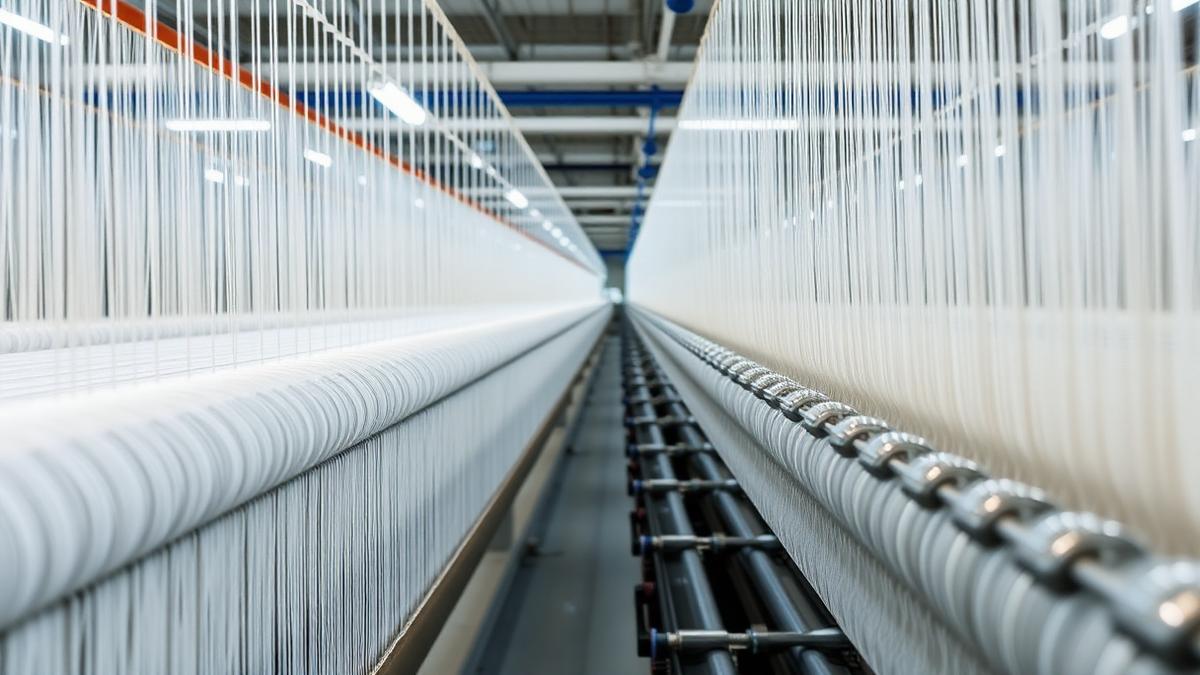 Biodegradable Guar Gum films improve yarn sizing and fabric hand-feel while easing wash-off and effluent load.
Economic Viability and Supply Chain Resilience in 2026
The strategic shift toward Guar Gum in the Asia-Pacific textile sector is not merely an ecological preference; it is fundamentally driven by the harsh macroeconomic realities of modern chemical procurement.
- Agricultural Elasticity and Cost Stability: The historical reliance on synthetic polyacrylic thickeners and marine-harvested sodium alginates exposed textile manufacturers to extreme supply chain vulnerability and massive price inflation. Conversely, Guar Gum is derived from an annual, drought-resistant agricultural crop. The modern, highly mechanized agrarian infrastructure surrounding the guar crop in India allows for rapid scaling of cultivation in response to global industrial demand. This agricultural elasticity ensures that textile mills across Asia have access to a vast, highly predictable, and economically stable supply of base polymer, effectively shielding their operational budgets from the volatile price swings of global crude oil markets.
- Lower Inclusion Rates and Cost-in-Use: Guar Gum delivers profound economic advantages through its extreme thickening efficiency. Because of its massive hydrodynamic volume, Guar Gum requires exceptionally low inclusion rates to achieve target viscosities. Industry studies indicate that textile formulators can utilize significantly less Guar Gum by weight compared to modified starches or synthetic thickeners, drastically lowering the overall raw material costs per linear meter of printed fabric.
- Navigating Environmental Tariffs: In 2026, major consumer markets in Europe and North America have implemented stringent carbon border adjustment mechanisms and ecological tariffs on imported textiles. Garments manufactured using non-biodegradable, petroleum-based chemicals face significant financial penalties. By adopting 100% natural, biodegradable Guar Gum derivatives, textile exporters in the Asia-Pacific region seamlessly navigate these complex legislative frameworks, ensuring their products maintain preferential market access and command Superior retail pricing in global distribution channels.
Key Takeaways
- Regional Dominance: With nearly 70% of global textile processing centered in the Asia-Pacific, the region is the primary growth engine for natural hydrocolloid adoption, driven by aggressive government reindustrialization and modernization mandates.
- Rheological Precision: The extreme pseudoplastic (shear-thinning) behavior of Guar Gum ensures deep, uniform dye penetration under mechanical pressure while instantly recovering viscosity at rest to prevent lateral wicking and preserve razor-sharp print resolution.
- Eliminating Polymer Crosslinking: Through precise chemical modification, such as carboxymethylation, reactive hydroxyl groups on the native guar backbone are substituted with anionic charges. This creates mutual electrostatic repulsion with reactive dyes, completely preventing covalent crosslinking and ensuring a luxuriously soft fabric handle after washing.
- Accelerated Fixation Dynamics: Guar Gum's massive water-binding capacity enables the dried thickener film to swell rapidly upon exposure to saturated steam, vastly increasing the dye diffusion coefficient and allowing manufacturers to significantly shorten energy-intensive fixation cycles.
- ZLD Environmental Compliance: As a 100% biodegradable, agriculturally derived plant polymer, Guar Gum actively replaces persistent synthetic polyacrylates, drastically lowering the chemical oxygen demand (COD) of textile effluent and ensuring compliance with stringent 2026 Zero Liquid Discharge mandates.
Frequently Asked Questions
Why is the Asia-Pacific region driving the demand for Guar Gum in textiles?
The Asia-Pacific region accounts for nearly 70% of the world's textile processing. As governments in India, Vietnam, and Indonesia push for industrial modernization and strict environmental compliance, textile mills are rapidly shifting away from polluting synthetic chemicals. Because India produces up to 90% of the global Guar Gum supply, mills in the region have localized, cost-effective access to this Superior, eco-friendly thickener, driving massive regional adoption.
How does Guar Gum improve high-volume reactive dye printing?
Reactive dye printing requires a thickener that can carry the dye into the fabric without reacting with it. Modified Guar Gum perfectly simulates the repulsive anionic charge needed to prevent the thickener from bonding to the dye. Furthermore, its highly shear-thinning rheology allows it to flow easily through printing screens under pressure and instantly thicken once deposited, preventing color bleeding and ensuring extremely sharp, high-resolution prints.
Why is Guar Gum preferred over synthetic polymers for yarn sizing?
Yarn sizing requires coating threads with a protective film to prevent breakage on high-speed weaving looms. While synthetic polymers like PVA offer good strength, they are environmentally destructive and difficult to remove. Guar Gum forms a highly cohesive, flexible film that provides excellent mechanical protection during weaving, but because it is a natural carbohydrate, it can be washed out effortlessly with warm water and enzymes, perfectly aligning with sustainable manufacturing goals.
Does using Guar Gum help textile mills save on operational costs?
Yes. Guar Gum is exceptionally efficient due to its massive molecular weight. It requires significantly lower inclusion rates to achieve the same viscosity as starches or synthetic thickeners, lowering raw material costs. Additionally, because the Guar Gum film absorbs steam and plasticizes rapidly during the dye fixation process, mills can run their steamers at higher speeds for shorter durations, resulting in massive reductions in energy and utility expenditures.
To dramatically increase your printing throughput, achieve flawless color yield, and ensure absolute environmental compliance in your modern textile operations, partner with the global hydrocolloid experts. B.D. Guar Pvt. Ltd. provides expertly synthesized, Superior-grade Guar Gum derivatives engineered specifically for maximum rheological performance, unparalleled dye compatibility, and rapid wash-off. Contact B.D. Guar Pvt. Ltd. today to integrate our advanced natural formulations into your production lines and elevate your textile manufacturing to the highest global standards in the booming Asia-Pacific market.