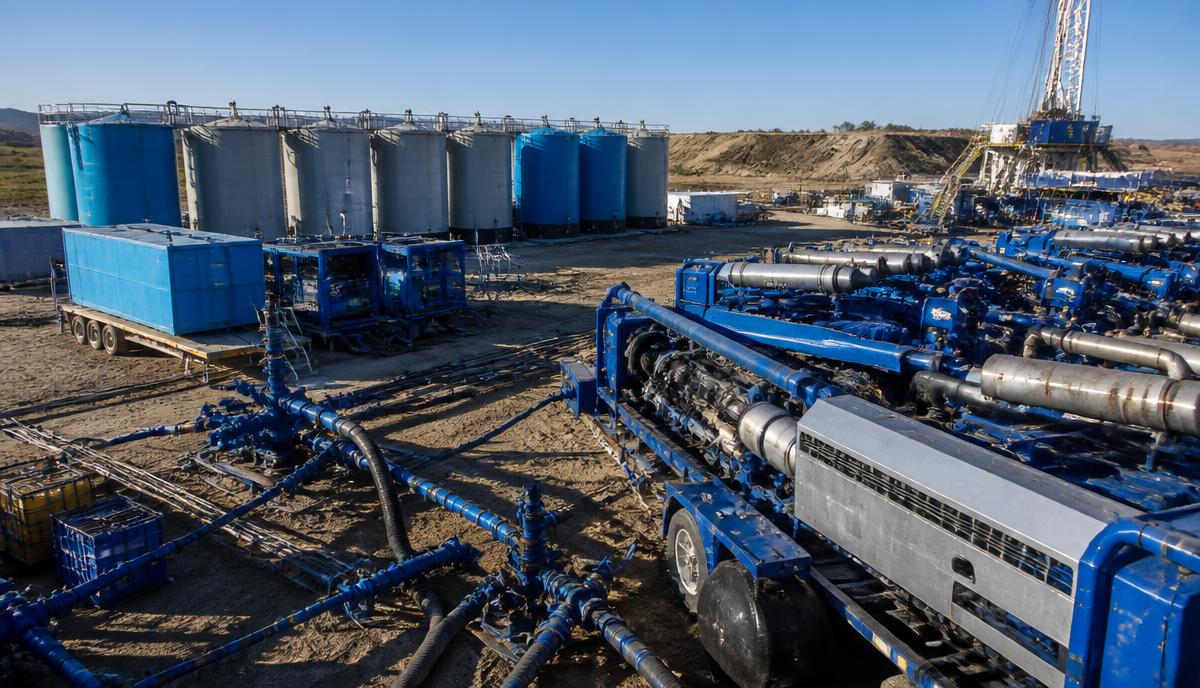
Mine Froth Flotation: Depressing Talc and Gangue Minerals
Discover how biodegradable Guar Gum acts as a selective talc depressant in froth flotation, producing cleaner concentrates, fewer smelter penalties, and higher metal yields.
Last updated:
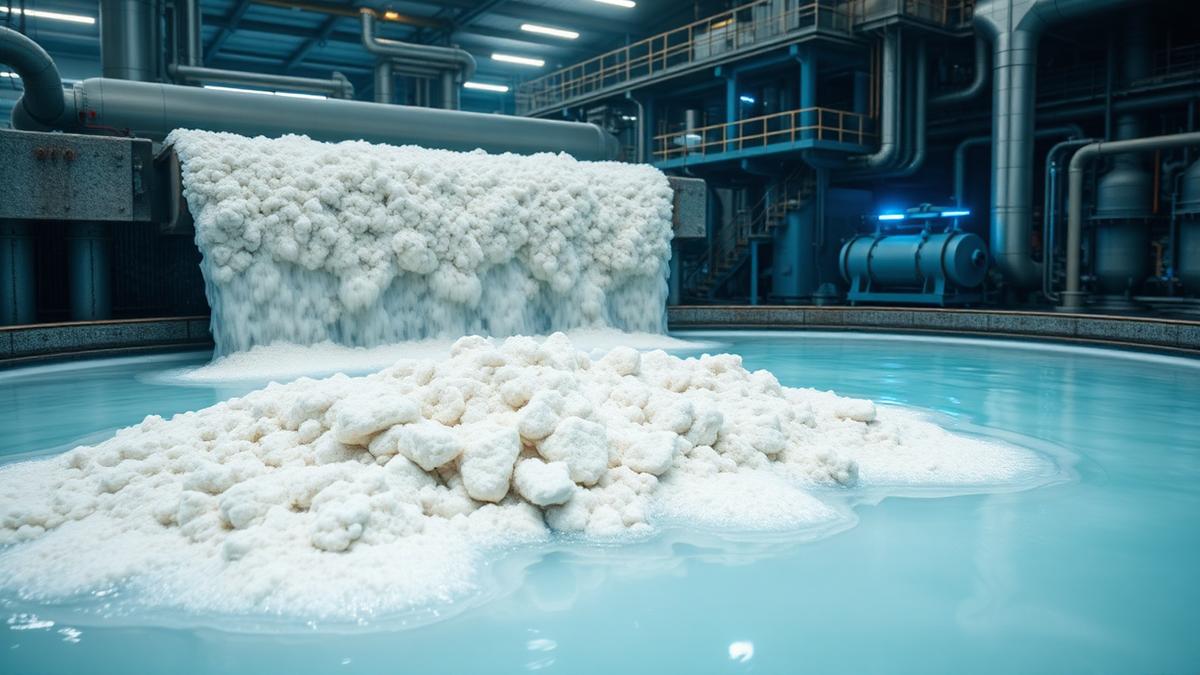
In the highly regulated 2026 global metallurgical sector, mastering Mine Froth Flotation and the selective depression of talc and gangue minerals has become an absolute necessity for economically viable ore extraction. As ore grades steadily decline and environmental mandates tighten, mine operations managers are rapidly abandoning synthetic, toxic reagents in favor of bio-based macromolecules. By deploying Superior, naturally derived Guar Gum as a selective depressant, metallurgical engineers can render hydrophobic gangue hydrophilic, improving concentrate purity and downstream smelting efficiency.
Research Overview: The 2026 Mineral Processing Landscape
The 2026 global commodities market is defined by an unprecedented surge in demand for green energy metals such as copper, nickel, and rare earth elements needed to support electric vehicle and renewable energy infrastructure. Yet the world's easily accessible, high-grade ore deposits have largely been depleted. Modern operations must now process complex, low-grade ores where valuable minerals are deeply disseminated within massive volumes of worthless rock, known as gangue.
To economically extract these metals, the mining industry relies heavily on froth flotation. Crushed ore is mixed with water to form a slurry, and chemical collectors such as alkyl xanthates render valuable sulfide surfaces hydrophobic. When air is sparged through the cell, hydrophobic metal particles attach to rising bubbles and are carried into a mineral-rich froth that is skimmed off as concentrate. The primary obstacle is the natural behavior of gangue minerals, most notably talc, silica, and complex phyllosilicates. Talc is naturally hydrophobic and, without intervention, floats into the froth alongside the valuable copper or nickel, diluting the concentrate. To resolve this bottleneck, industry studies indicate that operations rely on Guar Gum to selectively depress these gangue minerals.
The Molecular Mechanism of Guar Gum Adsorption
The extraordinary efficiency of Guar Gum as a selective mineral depressant is dictated by its complex botanical chemistry and its physical interaction with mineral surfaces at the molecular level.
- Galactomannan Architecture: Guar Gum is a non-ionic, high-molecular-weight heteropolysaccharide extracted from the endosperm of the Cyamopsis tetragonoloba legume. Research published in Carbohydrate Polymers details a linear, highly flexible backbone of 1,4-linked beta-D-mannopyranose units heavily populated with 1,6-linked alpha-D-galactopyranose side branches.
- Targeted Surface Adsorption: When hydrated and introduced into the slurry, the massive polymer chains seek out the surfaces of talc, calcite, and silica. The unique branching density allows the galactomannan to stretch across and bind aggressively to the gangue crystal lattice through intense intermolecular hydrogen bonding and chemical adsorption.
- Rendering Gangue Hydrophilic: Once adsorbed, Guar Gum forms a dense, microscopic polymeric film over the gangue particle. Because the molecule presents an immense density of free hydroxyl (-OH) groups facing outward into the water, it masks the hydrophobic nature of the talc, and the particle instantly becomes highly hydrophilic.
- Blocking Collector Adsorption: The tight coating also acts as a steric barrier, physically preventing chemical collectors from accessing and activating the gangue. Weighed down by water and insulated from collectors, the gangue is selectively depressed and sinks to be discharged as tailings, ensuring only pure, valuable ore rises into the froth.
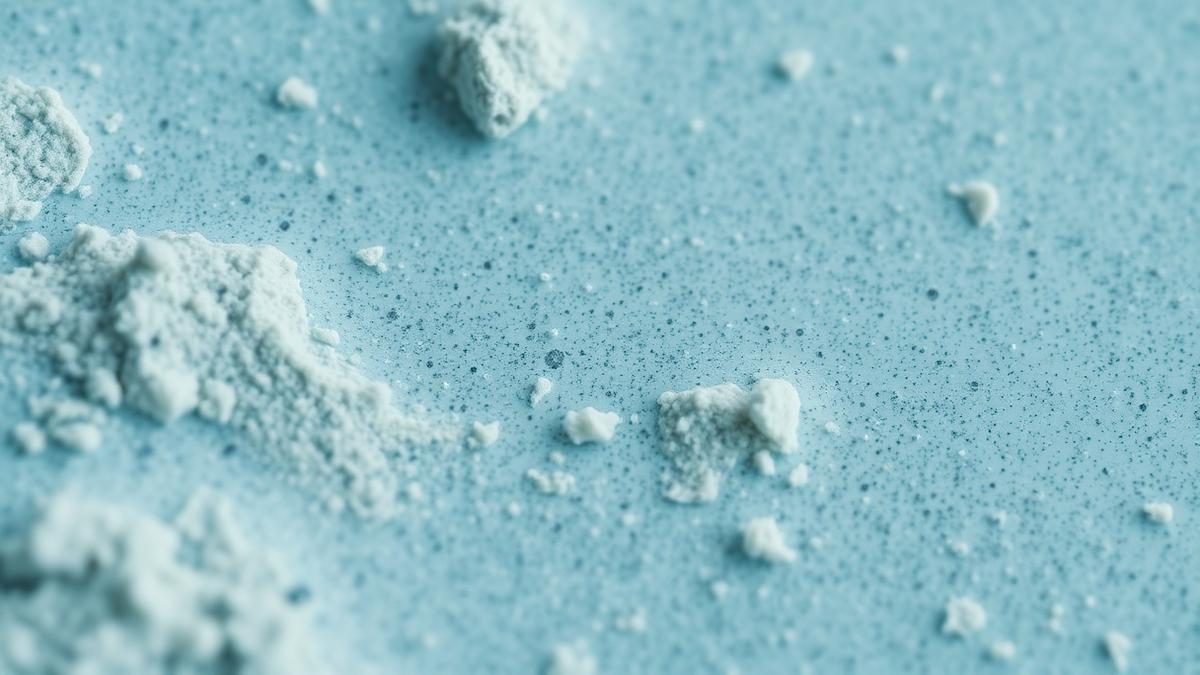 Guar Gum adsorbs onto talc surfaces, rendering gangue hydrophilic and depressing it into the tailings.
Producing Cleaner Concentrates and Enhancing Smelting Efficiency
Deploying Guar Gum in the flotation circuit fundamentally transforms the downstream economics of the entire mining operation, primarily by protecting the thermodynamic efficiency of the smelting process.
- Combating Concentrate Dilution: When hydrophobic talc floats into the froth it massively dilutes the final product. A mine expecting a 30% copper concentrate might see yield drop to 20% due to talc contamination. Selectively depressing these silicates with Guar Gum maximizes the mass pull of the target metal, producing a Superior-grade concentrate.
- Lowering Freight and Transport Costs: In 2026, transporting heavy concentrates from remote mine sites to coastal smelters is exceptionally expensive. A concentrate contaminated with worthless talc means paying premium freight rates to transport dirt. Leaving gangue behind in the tailings dam drastically reduces total tonnage shipped and lowers logistics expenditures.
- Optimizing Smelter Thermodynamics: Talc and silica contain high levels of magnesium oxide (MgO). When MgO enters a smelting furnace it increases the melting temperature and the viscosity of the molten slag, forcing the smelter to expend additional thermal energy and expensive fluxes to keep the slag pourable.
- Eliminating Smelter Penalties: Because processing high-MgO concentrates is difficult and energy-intensive, commercial smelters aggressively penalize contaminated ores, sometimes reducing payout by millions of dollars annually. A highly selective Guar Gum depressant step yields a pure, low-MgO concentrate that avoids these penalties and secures the highest market valuation.
Rheological Control and Slurry Stabilization
While its primary chemical role is selective depression, Guar Gum also functions as an indispensable rheological modifier within the chaotic fluid environment of a commercial flotation cell.
- Preventing Premature Sedimentation: Flotation relies on maintaining crushed rock in continuous, uniform suspension. According to the International Journal of Mineral Processing, the massive hydrodynamic volume of the Guar Gum polymer slightly elevates the viscosity of the aqueous phase, stabilizing the suspension and preventing premature sedimentation of fine ore.
- Enhancing Bubble-Particle Attachment: To float, a metallic particle must collide with an air bubble and remain attached as it rises. Precise viscosity control smooths the chaotic fluid dynamics, maximizing collision frequency and enhancing bubble-particle attachment time so valuable metal is not sheared away before reaching the froth.
- Best Practices for Hydration: To achieve these Superior rheological benefits, the powder must be correctly prepared. Industry studies indicate the polymer should be hydrated using high-shear mixers to eliminate dry lumping. When properly hydrated under controlled temperature and pH, Guar Gum delivers repeatable, batch-to-batch performance.
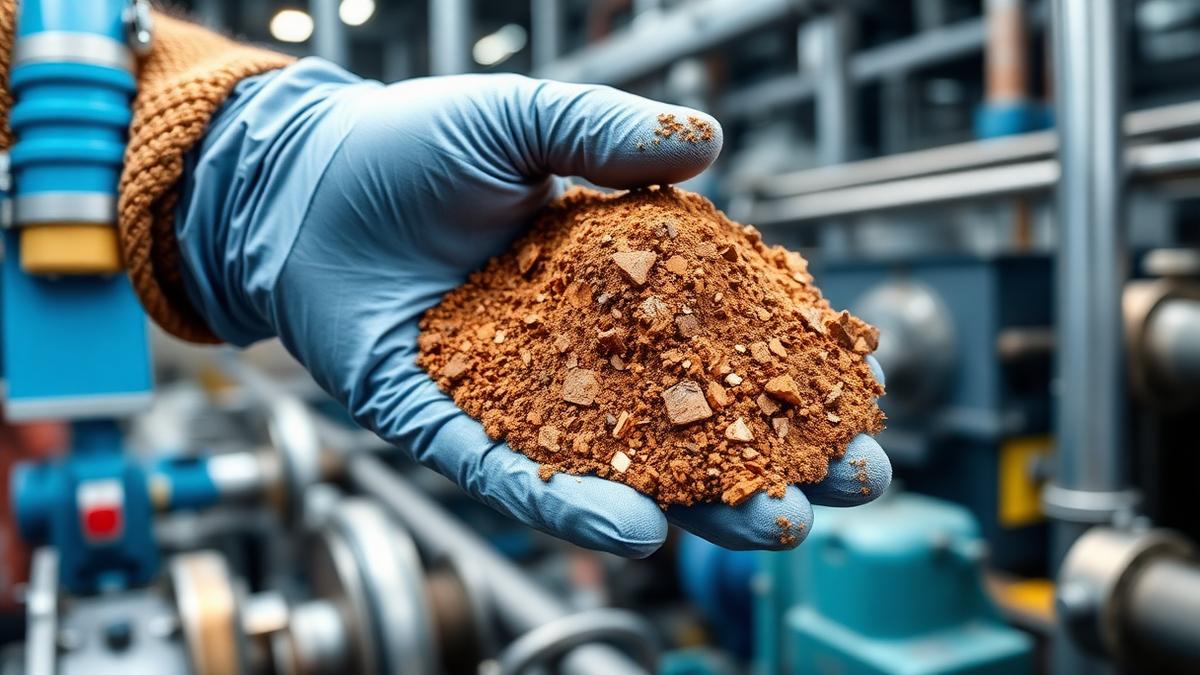 Selective depression with Guar Gum yields a cleaner, higher-grade concentrate and reduces smelter penalties.
Biodegradability and Eco-Conscious Mining Compliance
The commercial viability of any mineral processing reagent in the 2026 landscape is strictly dictated by aggressive environmental legislation and rigorous ESG compliance frameworks.
- Replacing Toxic Synthetic Depressants: The industry historically relied on toxic, environmentally persistent chemicals such as cyanides and complex polyacrylamides. As regulators restrict these hazardous compounds, Guar Gum has emerged as the green alternative.
- 100% Natural and Biodegradable: Guar Gum is a 100% natural, agriculturally derived plant extract milled from the guar legume, containing no petroleum derivatives, volatile organic compounds, or synthetic toxins. Major international organizations, including the FAO, recognize the base polymer as safe and non-toxic.
- Safe Tailings Management: When depressed gangue is pumped into tailings dams, residual Guar Gum accompanies it. As a natural carbohydrate, it rapidly biodegrades, broken down by native soil bacteria, leaving no persistent chemical footprint and eliminating long-term ecological liability.
Key Takeaways
- Targeted Selective Depression: The highly branched galactomannan structure of Guar Gum adsorbs aggressively onto talc, silica, and gangue surfaces, rendering them hydrophilic and sinking them in the flotation cell.
- Blocked Collector Action: By forming a dense polymeric shield, Guar Gum physically prevents chemical collectors from activating gangue particles, ensuring only valuable metals float.
- Superior Smelting Economics: Preventing talc contamination keeps magnesium oxide (MgO) levels low, helping operations avoid smelter penalties and reduce freight costs on diluted concentrates.
- Slurry Stabilization: Beyond depression, Guar Gum acts as a rheological modifier, preventing premature settling of fine ores and enhancing bubble-particle attachment for maximum recovery.
- 100% Eco-Compliant: As a fully biodegradable, globally recognized natural extract, Guar Gum lets modern operations replace toxic synthetic depressants and navigate strict 2026 environmental regulations.
Frequently Asked Questions
Why is talc considered a major problem in mineral froth flotation?
Talc is a naturally hydrophobic gangue mineral. Unlike most waste rock, which naturally sinks, talc easily attaches to air bubbles and floats to the surface without any chemical collector. Because it floats so readily, it competes directly with valuable copper, nickel, or gold particles, severely diluting the final ore concentrate and causing inefficiencies during downstream smelting.
How exactly does Guar Gum selectively depress these gangue minerals?
Guar Gum is a massive, water-loving polymer chain covered in hydroxyl (-OH) groups. When added to the slurry, it seeks out and bonds to the surface of talc and silica particles. Once attached, it masks the talc's natural hydrophobicity, wrapping the rock in a water-loving film that makes the gangue too heavy and hydrophilic to float, forcing it to sink to the bottom of the tank.
Which types of mining operations benefit most from Guar Gum depressants?
Industry studies indicate Guar Gum is highly effective in the beneficiation of nonferrous metallic ores. It is deployed globally in the extraction of copper, nickel, gold, uranium, and potash minerals, where the precise separation of the valuable target metal from complex, silicate-heavy gangue is critical for economic viability.
Is Guar Gum safe for the environment when discharged into mine tailings?
Yes. In 2026, environmental compliance is a top priority for the mining sector. Guar Gum is a 100% natural, plant-based carbohydrate extracted from agricultural legume seeds and is entirely biodegradable. When discharged into tailings dams with waste rock, it naturally decomposes without leaving toxic or persistent synthetic residue, reducing the mine's ecological footprint.
To master the precise surface chemistry, rheological control, and environmental compliance required to elevate mineral processing operations, partner with the global hydrocolloid experts at B.D. Guar Pvt. Ltd. We provide expertly milled, Superior-grade Guar Gum products engineered for maximum hydration, selective gangue depression, and optimized cost-in-use, backed by rigorous batch quality control and sustainable sourcing. Contact our team at sales@bdguar.com to safeguard your flotation circuits and maximize metallurgical yields across your 2026 mining portfolio.