Low-Residue Guar Gum: Minimizing Formation Damage in Wells
How specialized refining of Low-Residue Guar Gum protects pore throats, delivers a clean gel break, and keeps formation permeability open for maximum well productivity.
Last updated:

Across the 2026 unconventional landscape, operators are scrutinizing every dollar of recovery, and fluid selection has moved to the center of that conversation. Low-Residue Guar Gum has emerged as a decisive lever for reservoir engineers seeking to protect near-wellbore conductivity. Where conventional gums can leave insoluble plant material lodged in pore throats and the proppant pack, specialized refining removes that debris before it ever reaches the formation, preserving the permeability that ultimately governs well productivity.
Research Overview
Formation damage from polymer residue is one of the most studied causes of impaired post-fracture flow. Industry studies indicate that unbroken or insoluble gel components can reduce fracture conductivity by a substantial margin, and SPE Journal literature has long linked retained permeability to the cleanliness of the fracturing fluid. Low-Residue Guar Gum addresses the problem at the source: cleaner raw material and controlled processing mean fewer insolubles to strand in the proppant pack.
Where Formation Damage Originates
Guar-based fluids build viscosity from galactomannan polymer chains that suspend and transport proppant into the fracture. Once the treatment is complete, the polymer must degrade and flow back so the fracture can conduct hydrocarbons. Damage occurs when this cleanup is incomplete.
The mechanisms are well characterized in reservoir engineering practice, and most trace back to material quality and break chemistry rather than the polymer concept itself.
- Insoluble residue: Plant husk, protein, and cellulosic fragments that never hydrate remain as solids in the fluid.
- Pore-throat plugging: Fine insolubles migrate into the formation face and bridge across narrow pore throats, throttling flow.
- Proppant-pack blockage: Residue concentrates in the pack as filtrate leaks off, forming a low-permeability filter cake on the fracture walls.
- Incomplete break: Under-designed breaker schedules leave high-molecular-weight fragments that resist flowback.
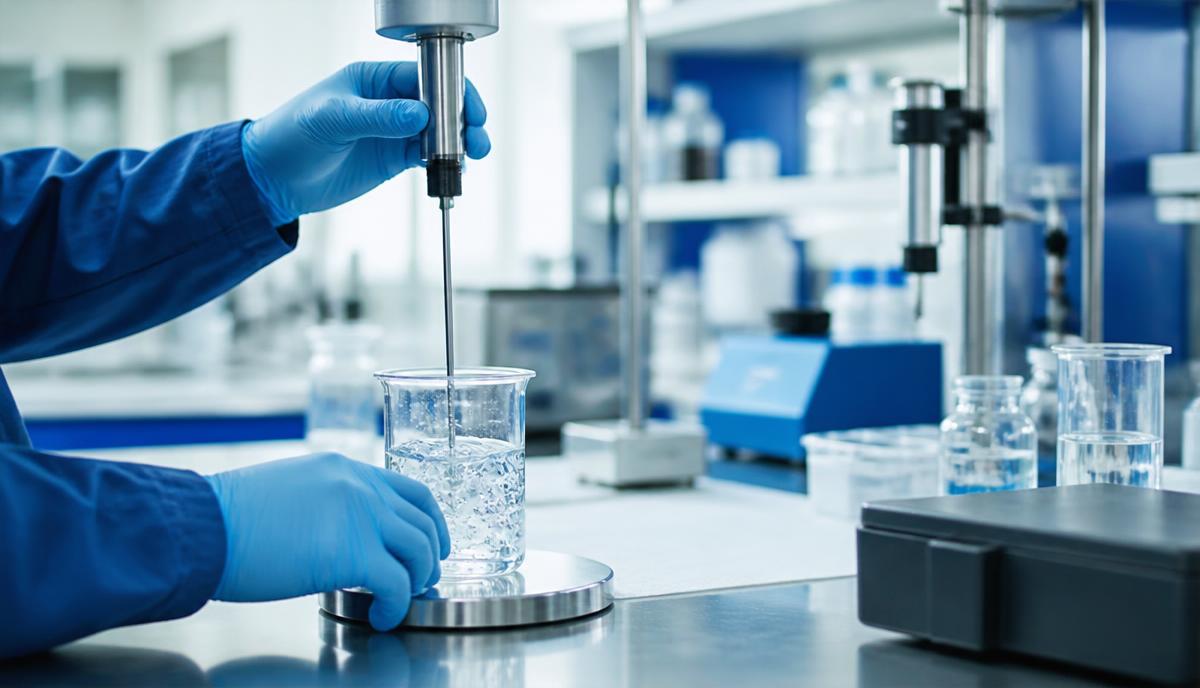 Controlled refining reduces the insoluble content that drives near-wellbore formation damage.
How Specialized Refining Removes Insolubles
The distinction between a standard gum and a Low-Residue grade is set during manufacturing. Superior processing separates the endosperm from the hull and germ with greater precision, then filters and grades the split so that insoluble content is driven down before the powder ever leaves the facility.
This upstream discipline is why Low-Residue Guar Gum performs so differently downhole. Cleaner input polymer means the fluid carries fewer solids into the fracture in the first place, which is far more effective than attempting to remedy residue after placement.
- Refined endosperm separation lowers the baseline insoluble load per unit of active polymer.
- Controlled particle sizing supports complete, uniform hydration with minimal unhydrated "fish-eyes."
- Consistent batch quality, documented on the certificate of analysis, lets engineers model cleanup with confidence.
The Clean Gel Break and Retained Permeability
A Low-Residue system is engineered to break cleanly to a near water-like viscosity so the fluid flows back readily. When the break is complete and the residual solids are minimal, the proppant pack retains a higher fraction of its original conductivity and the formation face stays open.
Reservoir engineers evaluate this through retained-permeability and regained-conductivity testing, comparing baseline flow capacity to the value measured after the fracturing fluid has been broken and flowed back.
- Design the breaker package to match reservoir temperature and desired break time.
- Confirm the fluid degrades to low viscosity without leaving high-molecular-weight fragments.
- Measure regained conductivity across the proppant pack to quantify residual damage.
- Correlate cleaner fluid performance with improved flowback and stabilized production.
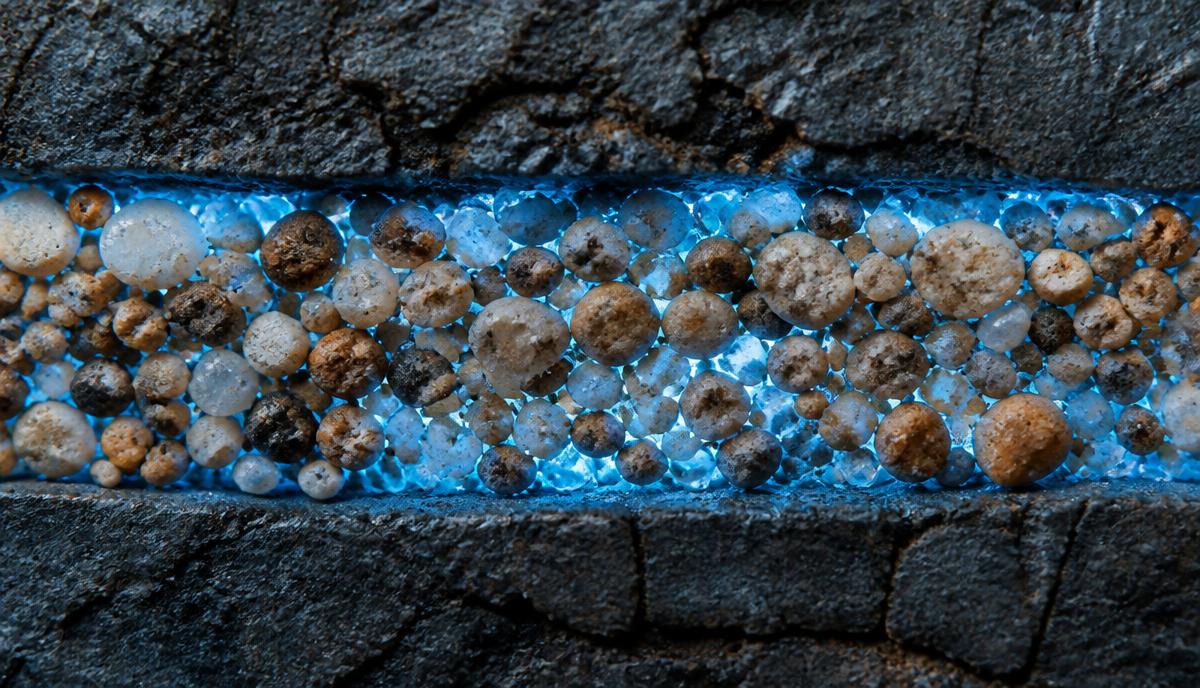 A clean gel break preserves proppant-pack conductivity and protects long-term well productivity.
Selecting a Low-Residue Grade for Your Reservoir
Not every well demands the same fluid, but wherever near-wellbore permeability is the production bottleneck, residue control pays back quickly. Tight formations with small pore throats, high-value horizontal completions, and any application where regained conductivity drives the economic case are strong candidates for a Low-Residue grade.
For more demanding thermal or chemical conditions, refined derivatives extend the same low-damage philosophy. Operators can review the full range on the products page and compare hydrocolloid options on the comparison resource, while the quality program documents the batch-to-batch consistency that reservoir modeling depends on.
- Match insoluble specification and viscosity grade to formation permeability and treatment volume.
- Pair the polymer with a validated breaker schedule for the target reservoir temperature.
- Use certificate-of-analysis data to standardize cleanup expectations across a pad.
Key Takeaways
- Residue is the root cause: Insoluble plant material, not the guar concept, drives most polymer-related formation damage.
- Refining sets performance: Superior endosperm separation lowers insoluble load before the fluid reaches the well.
- Clean break protects flow: A complete break to low viscosity keeps pore throats and the proppant pack open.
- Retained permeability is measurable: Regained-conductivity testing quantifies the productivity benefit of a Low-Residue grade.
- Consistency enables modeling: Documented batch quality lets engineers predict cleanup and production reliably.
Frequently Asked Questions
What makes a Guar Gum "low-residue"?
A low-residue grade is manufactured with more precise endosperm separation and controlled filtration, so it contains far fewer insoluble husk, protein, and cellulosic fragments. Lower insoluble content means the fracturing fluid carries fewer solids into the formation, which is the primary driver of protected near-wellbore permeability and cleaner flowback.
How does residue cause formation damage?
Insoluble particles and unbroken high-molecular-weight polymer migrate to the fracture face and proppant pack, where they bridge pore throats and form a low-permeability filter cake. This restricts the path hydrocarbons must travel to reach the wellbore, reducing conductivity and long-term well productivity even after a technically successful fracture.
Does a clean break really improve well productivity?
Yes. When the gel breaks completely to a near water-like viscosity and residual solids are minimal, a higher fraction of the proppant pack's conductivity is retained. Reservoir engineers confirm this through regained-conductivity and retained-permeability testing, which correlates cleaner fluids with improved flowback and more stable production.
To specify a Low-Residue Guar Gum grade for your next completion or to request retained-permeability documentation, contact the B.D. Guar technical team and align the fluid system to your reservoir before you pump.