Hydrocolloids in High-Fiber Satiety Foods: Guar Gum's Role
Discover how high-viscosity hydrocolloids like Guar Gum and konjac gum enhance satiety, slow gastric emptying, and power the 2026 functional food market.
Last updated:
In the 2026 global nutritional landscape, hydrocolloids in high-fiber satiety foods have become paramount for functional food manufacturers addressing the escalating obesity epidemic. As consumers increasingly prioritize weight management and metabolic health, the integration of natural, high-viscosity polysaccharides is a critical formulation strategy. By utilizing agriculturally derived ingredients like Guar Gum and konjac glucomannan, food scientists can precisely modulate gastric emptying rates and enhance digesta thickness, creating a Superior feeling of fullness without contributing additional calories.
Research Overview: The Metabolic Necessity for Functional Dietary Fibers
The 2026 global food and beverage industry is operating under immense public health pressure. Obesity and metabolic syndromes have reached critical levels; recent epidemiological data indicates that over 25% of adults across many U.S. states struggle with obesity, while the International Diabetes Federation projects that global diabetes prevalence will continue to rise rapidly. In response, the "food as medicine" macro-trend has revolutionized consumer purchasing behavior, with shoppers actively seeking functional foods that provide sustained energy, stabilize blood glucose, and promote satiety to aid in weight management.
To meet these physiological demands, functional food manufacturers are heavily investing in natural hydrocolloids. According to 2026 market projections, the global food hydrocolloids market has reached a valuation of USD 7.9 billion, expanding at a sustained compound annual growth rate of 4.7%. Within this market, thickener functionalities represent a substantial 38% share, driven largely by the need to manipulate the texture and digestive profile of consumable goods.
While traditional insoluble fibers such as wheat bran provide roughage, they do not fundamentally alter the fluid dynamics of the human digestive tract. Soluble, high-molecular-weight hydrocolloids, specifically Guar Gum and konjac gum, behave entirely differently. When consumed, these polysaccharides engage in massive water-binding, transforming the liquid contents of the stomach into a dense, viscous hydrogel. Industry studies indicate that this rheological transformation physically stretches the stomach walls, triggers satiety hormones, and profoundly slows the rate at which food exits the stomach. To compare functional profiles, formulators often review our Guar Gum versus xanthan gum analysis.
The Mechanics of Viscosity and Delayed Gastric Emptying
The core physiological benefit of utilizing Guar Gum in satiety foods relies entirely on its exceptional molecular architecture and its subsequent behavior in aqueous environments. Food scientists must understand the precise physics of this hydrocolloid to formulate effective weight-management products.
- Massive Volumetric Expansion: Guar Gum is a non-ionic galactomannan extracted from the endosperm of the drought-resistant Cyamopsis tetragonoloba legume, with a linear backbone of beta-1,4-linked D-mannopyranose units and alpha-1,6-linked D-galactopyranose side branches at a ratio of approximately 2:1. This branching density prevents crystalline packing and allows rapid cold-water hydration. Industry studies indicate that Guar Gum can swell as much as 20-fold in an aqueous environment, physically distending the stomach and activating gastric mechanoreceptors that send immediate satiety signals to the brain.
- Modulating Gastric Emptying: The high molecular weight of Guar Gum, frequently exceeding 2,000,000 Daltons, generates massive fluid viscosity. Research published in advanced nutritional literature confirms that dietary fibers directly affect the viscosity of simulated human gastric and small-intestinal digesta. By transforming stomach contents into a thick pseudo-gel, Guar Gum significantly delays the rate of gastric emptying, translating directly to prolonged satiation.
- The Bulking Effect and Diffusivity: As the viscous digesta moves into the small intestine, the dense hydrocolloid network acts as a physical barrier, inhibiting the diffusivity of digestive enzymes such as alpha-amylase and blocking their access to carbohydrate substrates. This viscous matrix physically entraps released glucose molecules, slowing their diffusion across the intestinal mucosa and into the bloodstream.
- Glycemic Attenuation: By restricting glucose absorption kinetics, Guar Gum prevents rapid blood-sugar spikes and subsequent insulin crashes. Clinical studies confirm powerful effects on glycemic control and serum lipoproteins, smoothing the postprandial curve and eliminating the sudden hunger pangs typically associated with high-carbohydrate meals.
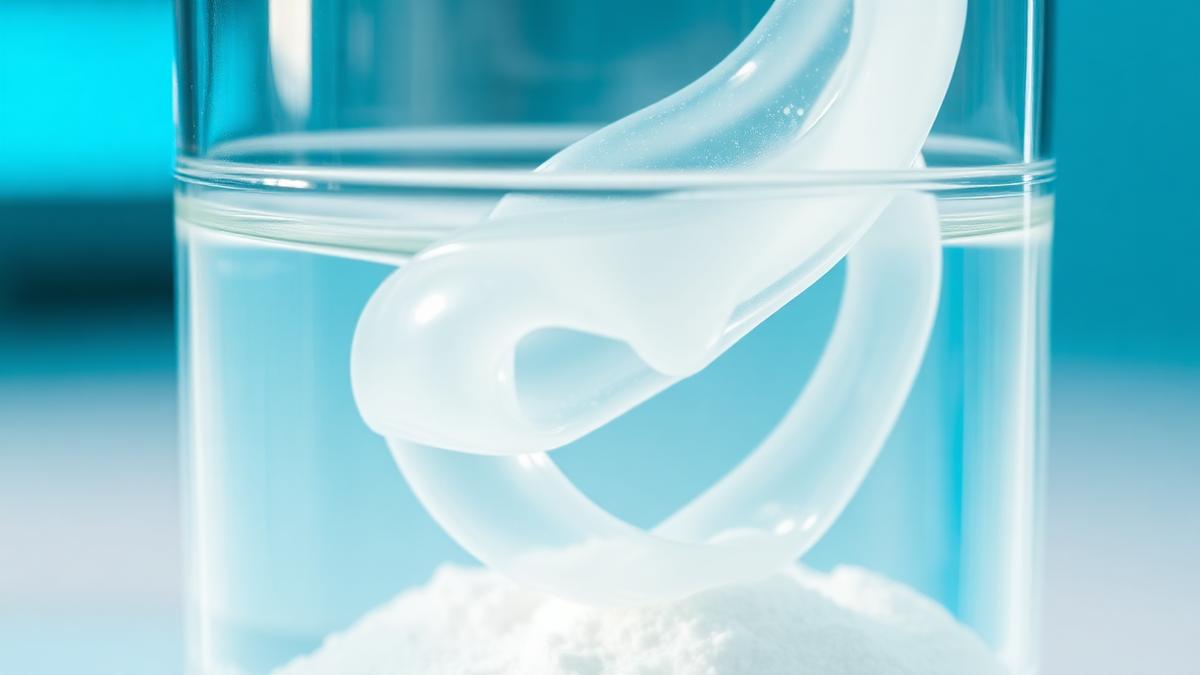 High-viscosity Guar Gum forms a dense hydrogel that slows gastric emptying and prolongs the feeling of fullness.
Konjac Glucomannan: A Synergistic Approach to Zero-Calorie Satiety
While Guar Gum provides unparalleled viscosity, 2026 functional food formulation relies heavily on the synergistic blending of multiple botanical hydrocolloids to achieve optimal texture and sensory appeal. Konjac gum has emerged as a highly complementary partner to Guar Gum in the development of satiating foods.
Konjac is derived from large tuber plants extensively cultivated in East Asian countries, producing tubers that weigh 2 to 5 kg. The tuber contains a unique glucomannan polysaccharide that constitutes up to 40% of its dry mass, built of a linear chain of beta-1,4-linked mannopyranose and glucopyranose units. Like Guar Gum, it boasts an exceedingly high molecular weight ranging from 200,000 to 2,000,000 Daltons.
- Zero-Calorie Texturization: Konjac glucomannan is entirely nondigestible in the human gastrointestinal tract, functioning purely as a water-soluble dietary fiber. Because it bypasses human enzymatic digestion, it contributes almost no calories, which is why it is used as a primary ingredient in zero-calorie noodles and functional gummies.
- Synergistic Gelation: When formulators combine Guar Gum and konjac gum, a profound rheological synergy occurs. While Guar Gum alone produces thick, highly viscous fluids, it does not naturally form a rigid gel. The smooth regions of the konjac molecule interact directly with the galactomannan chains, creating robust, three-dimensional junction zones. Blending the two engineers highly stable, thermoreversible gels that simulate the firm, satisfying chewiness of higher-calorie foods while keeping caloric contribution near zero.
For definitions of the technical terms used throughout this article, formulators can consult the Guar Gum glossary.
Partially Hydrolyzed Guar Gum (PHGG): Engineering Invisible Fiber
A significant challenge in formulating satiety products is optical clarity. Native Guar Gum, due to its massive superentangled polymer chains, creates cloudy, opaque liquids, making it unsuitable for the rapidly growing market of clear functional beverages, flavored waters, and sports drinks. To resolve this, the 2026 industry heavily utilizes Partially Hydrolyzed Guar Gum (PHGG).
- Enzymatic Depolymerization: PHGG is a water-soluble dietary fiber produced through the controlled enzymatic hydrolysis of native Guar Gum. Industrial biotechnology firms use specific bacterial mannanases to selectively cleave the long mannan backbone. Crucially, the mannose-to-galactose ratio remains unchanged at approximately 2:1, preserving the critical galactose side branches.
- Optical Clarity and Low Viscosity: Because insoluble portions are eliminated and molecular weight is drastically reduced, PHGG produces a completely colorless, transparent, water-white solution. It dissolves instantly in cold water without contributing heavy viscosity or gummy textures, allowing beverage formulators to add massive doses of soluble dietary fiber to clear health drinks without altering the refreshing mouthfeel.
- Microbiome Modulation and SCFAs: While PHGG does not provide the gastric swelling of native Guar Gum, it delivers exceptional satiety through gut-microbiome modulation. As it travels into the colon, PHGG is readily fermented by beneficial intestinal microflora, yielding high concentrations of Short-Chain Fatty Acids including butyrate and propionate.
- Ameliorating Type 2 Diabetes: SCFA production triggers the release of satiety hormones such as GLP-1 and PYY from the colonic epithelium, suppressing appetite centrally. Extensive clinical studies demonstrate that continuous PHGG intake ameliorates Type 2 Diabetes Mellitus by decreasing fasting blood glucose and improving insulin resistance, making it a Superior, invisible, and tasteless functional ingredient.
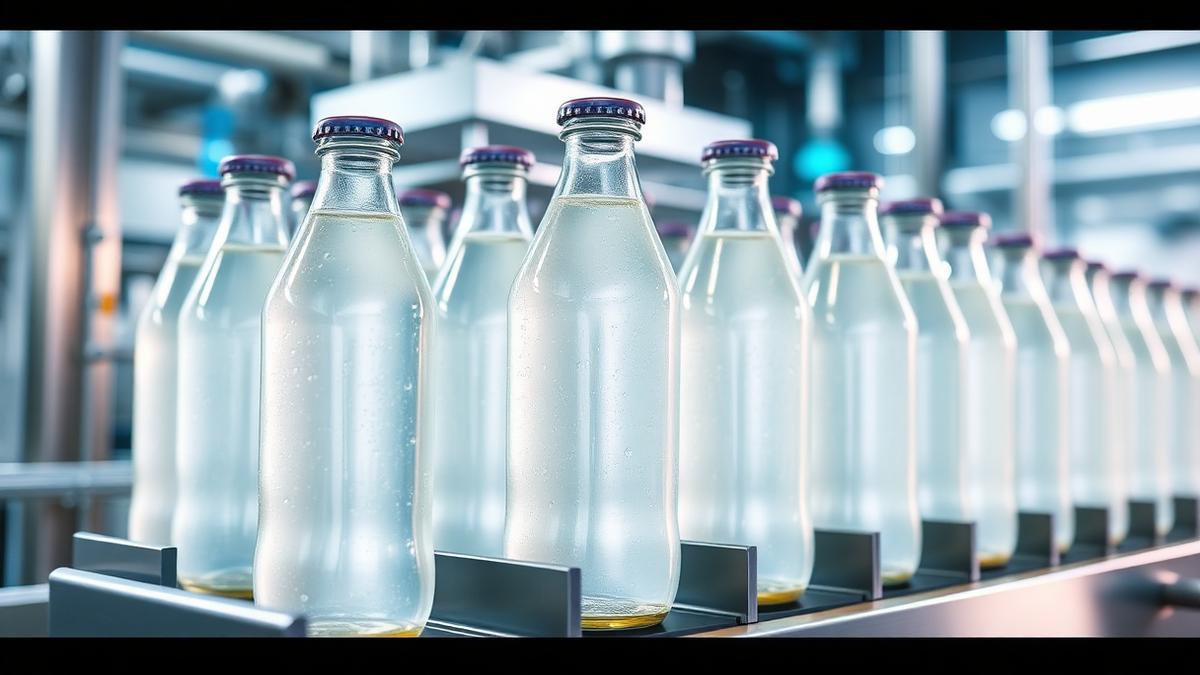 Partially Hydrolyzed Guar Gum dissolves clear, enabling high-fiber fortification of transparent functional beverages.
2026 Market Economics and Clean-Label Compliance
The commercial viability of high-fiber satiety foods in the 2026 global landscape is strictly dictated by intense consumer scrutiny over ingredient labels and the economic realities of large-scale manufacturing. Hydrocolloids are the linchpin for satisfying both demands simultaneously.
- The Clean-Label Imperative: As health and wellness dominate consumer priorities, shoppers actively avoid chemical-sounding synthetic additives such as synthetic polyacrylates or artificial methylcellulose. In 2026, botanical sources are expected to dominate the global food hydrocolloids sector, capturing approximately 62% of market share due to natural label appeal. Guar Gum and konjac gum let brands display "Natural," "Plant-Based," and "High-Fiber" claims.
- Global Regulatory Acceptance: Guar Gum (E412) is globally recognized as a safe, non-toxic food additive by the FAO, the USDA, and the EFSA. Enzyme-depolymerized PHGG products have been approved by the U.S. FDA as safe food additives, granting formulators total confidence in global compliance.
- Fat Replacement and Margin Protection: A customized Guar Gum blend acts as an advanced fat mimetic. Because the hydrated galactomannan network is highly pseudoplastic, it remains thick at rest but instantly thins and coats the palate under the shear of chewing, simulating the lubricating melting profile of Superior dairy fat. This lowers formulation costs, protects margins against agricultural inflation, and delivers a luxurious mouthfeel in low-calorie diet foods.
Every batch is backed by full documentation and testing, detailed on our quality assurance page, and sourced through drought-resilient agriculture described under sustainability.
Key Takeaways
- Volumetric Satiety Induction: Native Guar Gum can swell up to 20-fold in the stomach, activating gastric mechanoreceptors to provide an immediate, calorie-free feeling of fullness.
- Glycemic Control via Viscosity: The viscosity of hydrated galactomannans delays gastric emptying and creates an intestinal bulking effect, inhibiting digestive enzymes and slowing glucose diffusion to prevent blood-sugar spikes.
- Zero-Calorie Synergistic Texturization: Konjac glucomannan bypasses human digestion and blends with Guar Gum to create Superior, thermoreversible gels for firm, low-calorie functional foods.
- Invisible Fiber Fortification: Partially Hydrolyzed Guar Gum offers a colorless, non-thickening option for clear beverages, functioning as a prebiotic that improves insulin resistance and triggers hormonal satiety.
- 2026 Clean-Label Dominance: With the global hydrocolloids market reaching USD 7.9 billion, botanical extracts like Guar Gum enable cost-effective fat replacement while meeting demand for 100% natural, biodegradable ingredients.
Frequently Asked Questions
How exactly do hydrocolloids like Guar Gum make consumers feel full?
Guar Gum works through two primary mechanisms. First, it hydrates rapidly in the stomach and can swell up to 20-fold, physically expanding the stomach and sending fullness signals to the brain. Second, it drastically increases the viscosity of stomach contents; this thick gel takes much longer to pass through the digestive tract, so the consumer feels full for a significantly extended period after eating.
Can these thick hydrocolloids be used in clear health drinks or waters?
Native Guar Gum is generally not used in clear waters because its massive polymer chains scatter light and create a cloudy appearance. For clear applications, food scientists use Partially Hydrolyzed Guar Gum (PHGG), which is enzymatically broken into smaller fragments so it dissolves completely clear and does not thicken the water, while still delivering large doses of satiety-inducing dietary fiber.
Why do manufacturers mix konjac gum with Guar Gum?
Guar Gum is exceptional at holding water and providing thick texture, but it does not form a firm, sliceable gel on its own. Konjac gum has smooth molecular regions that bind tightly to the Guar Gum chains. Blending the two creates a synergistic, highly stable gel structure that mimics the satisfying chewiness of higher-calorie foods while keeping the calorie count near zero.
Are these satiety-inducing gums safe and clean-label compliant for the 2026 market?
Yes. Both Guar Gum and konjac gum are 100% natural, agriculturally derived botanical extracts with no synthetic chemicals or petroleum derivatives. They are recognized as safe and non-toxic by major regulatory authorities including the USDA, the FDA, and the EFSA, allowing brands to label products as natural and clean-label in line with modern consumer preferences.
To master the precise rheology, sensory perfection, and rigorous clean-label compliance required to elevate your high-fiber functional foods above the competition, partner with the global hydrocolloid experts. B.D. Guar Pvt. Ltd. provides expertly milled, Superior-grade Guar Gum, fast-hydration variants, and advanced synergistic blends engineered for maximum hydration, unparalleled texture control, and optimized cost-in-use. Contact our team today, or explore our full range of Guar Gum products to safeguard your supply chain and maximize profitability across your entire 2026 functional food portfolio.