The Synergy of Guar Gum and Xanthan Gum in Low-pH Salad Dressings
The galactomannan-xanthan synergy stabilizes acidic dressing emulsions through polymer chain interlocking, delivering Superior texture at a lower total gum loading.
Last updated:
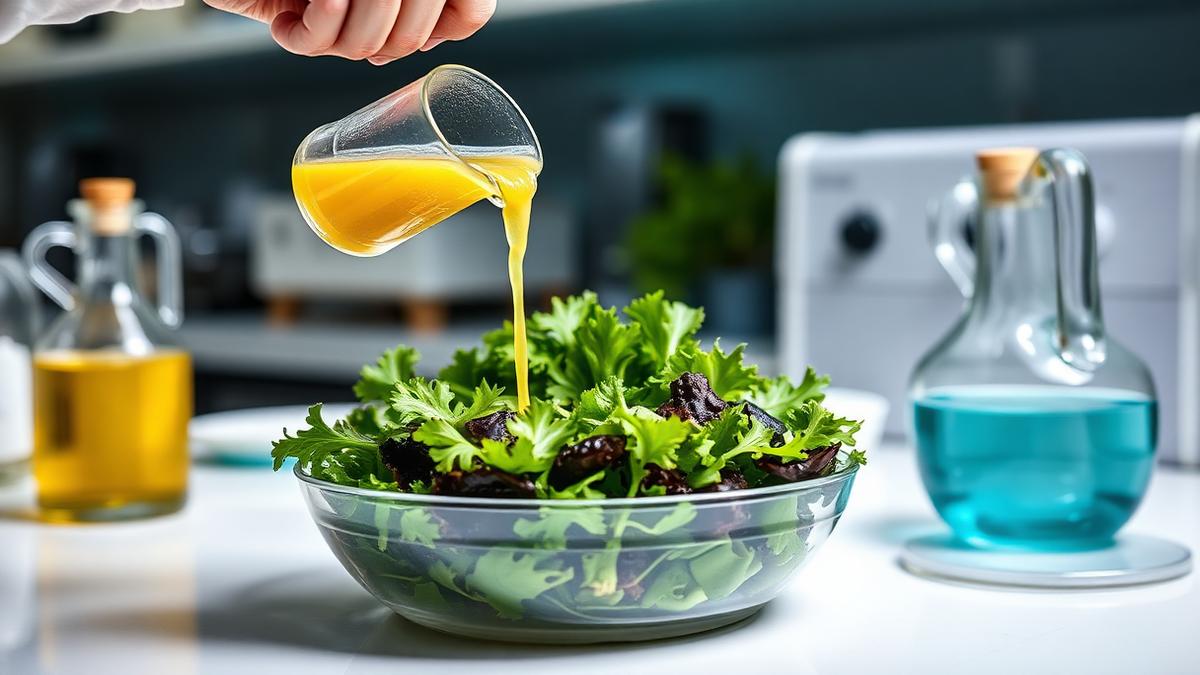
In 2026, formulators developing low-pH salad dressings face mounting pressure to deliver clean-label stability while controlling ingredient costs, and the pairing of Guar Gum with xanthan gum has become a cornerstone solution. This galactomannan-xanthan combination produces a synergistic viscosity increase that neither hydrocolloid delivers alone, stabilizing acidic oil-in-water emulsions against creaming and phase separation. For dressings and sauces R&D teams, mastering this interaction unlocks Superior texture at a reduced total gum loading.
Research Overview
The interaction between Guar Gum and xanthan gum is among the most extensively documented in food hydrocolloid science. Work reported in Carbohydrate Polymers and the Journal of Food Science describes how the smooth, unsubstituted mannose regions of the galactomannan backbone associate with the ordered xanthan helix, generating a viscosity multiplier effect. In the acidic environment of vinaigrettes and creamy dressings, this synergy sustains emulsion stability where single-gum systems weaken.
Understanding the Polymer Chain Interlocking Mechanism
Guar Gum is a galactomannan built from a linear mannose backbone with galactose side units attached at roughly a 2:1 mannose-to-galactose ratio. The regions of the backbone that carry no galactose substitution, the so-called smooth zones, are free to interact with other polymers. Xanthan gum, by contrast, adopts a rigid, ordered helical conformation in solution.
When the two are combined, the smooth mannose segments of the Guar Gum chain associate with the xanthan helix through hydrogen bonding and physical entanglement. This intermolecular junction creates a weak, three-dimensional network that behaves very differently from either polymer in isolation, producing a pronounced increase in low-shear viscosity and the development of gel-like elasticity.
Because the association is physical rather than covalent, the network is reversible and thermally recoverable, which keeps the system firmly within clean-label expectations while still delivering robust structure.
- The unsubstituted mannose smooth regions act as binding sites for the xanthan helix.
- Hydrogen bonding and chain entanglement lock the polymers into a continuous network.
- The network raises yield stress, which is what suspends droplets and particulates.
- The interaction is physical and reversible, keeping the label clean and simple.
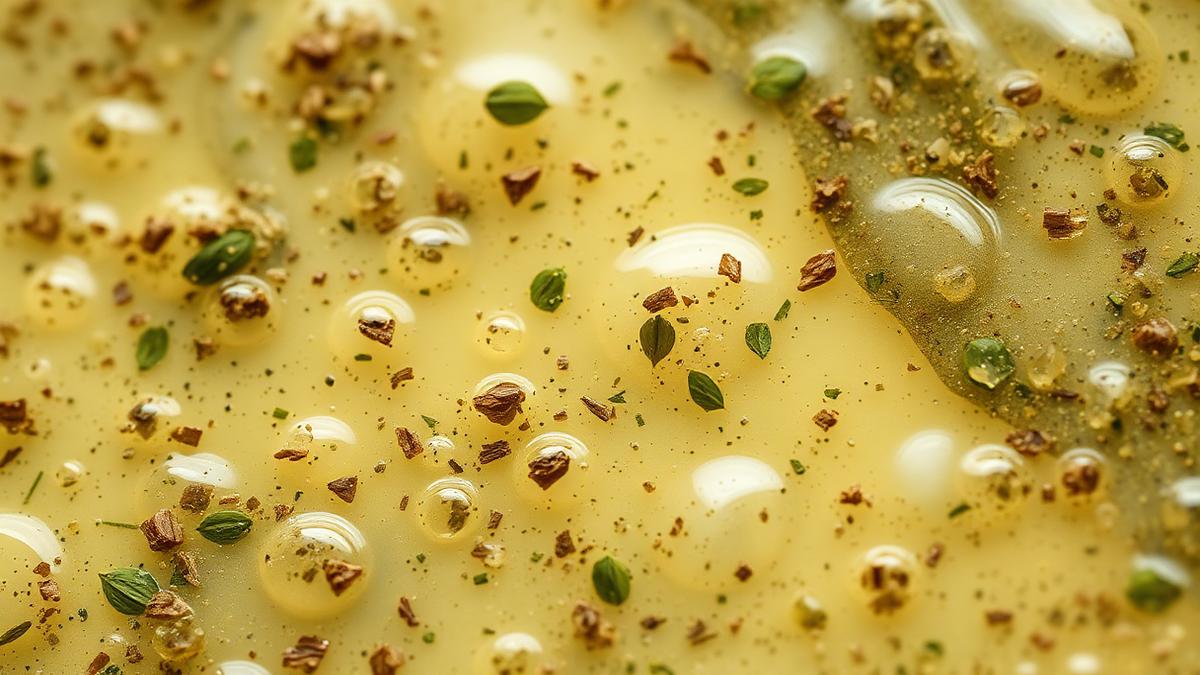 The interlocking galactomannan-xanthan network that stabilizes low-pH dressing emulsions.
Why Low-pH Dressings Demand Synergistic Stabilization
Salad dressings are acidic by design. Vinegar, citrus, and other acidulants push the pH well below 4.0, an environment that is hostile to many thickeners. A stabilizer system must build enough structure to hold oil droplets and particulates in suspension, yet remain pourable and pleasant on the palate.
Guar Gum performs reliably across a wide pH band and hydrates fully in cold water, making it well suited to acidic dressings that are not heat processed. Xanthan gum contributes exceptional acid and salt tolerance along with a strong yield stress. Together they cover one another limitations and deliver an emulsion that resists creaming through months of shelf storage and repeated temperature cycling.
- Acid and salt stability: the blend holds viscosity where pH and ionic strength would degrade lesser systems.
- Yield stress: sufficient structure keeps oil droplets and herbs suspended without settling.
- Pseudoplastic flow: the dressing thins under shaking and pouring, then rebuilds body at rest.
- Cling and mouthfeel: the network delivers the coating texture consumers associate with quality.
The Viscosity Multiplier Effect and Cost Efficiency
The commercial appeal of the Guar Gum and xanthan combination lies in the viscosity multiplier effect. Because the two polymers reinforce one another, a blend reaches a target viscosity at a lower total gum concentration than either gum used alone. Industry studies indicate that optimized ratios can meaningfully reduce total stabilizer usage while matching or exceeding single-gum performance.
For an R&D team costing a formulation, this translates directly into savings on one of the most expensive functional line items, without sacrificing the Superior sensory profile the finished product requires. The blend also supports label simplification, since a smaller quantity of two well-recognized hydrocolloids can replace more complex stabilizer systems.
- Lower total gum dosage to reach the same viscosity target.
- Reduced formulation cost on a per-batch and per-unit basis.
- Consistent batch-to-batch rheology when a pre-standardized blend is used.
- Simpler, cleaner ingredient declarations for retail shelves.
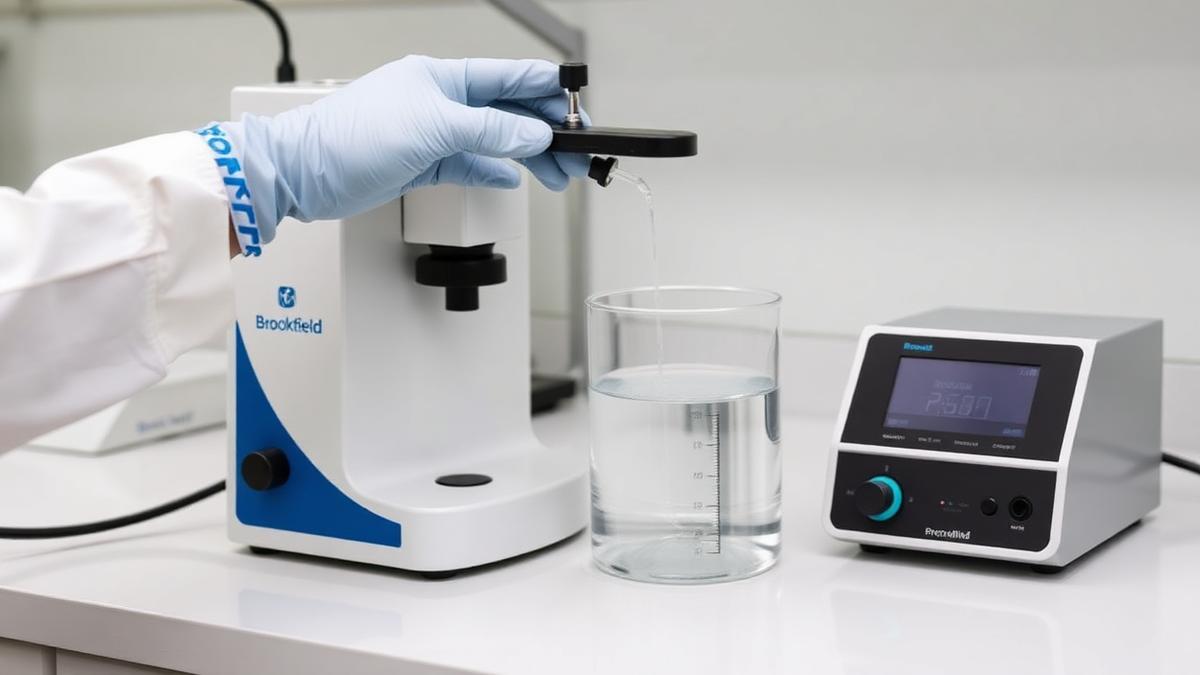 Custom-milled Guar Gum and xanthan blends standardized to a target viscosity specification.
Custom Blending Services and Formulation Guidance
The exact ratio of Guar Gum to xanthan gum that produces peak synergy depends on the target viscosity, the oil phase, the acidulant system, and the desired mouthfeel. Rather than leaving formulators to iterate blindly, B D Guar supplies pre-standardized, custom-milled blends matched to a customer specification, along with viscosity and particle-size data on every batch.
Selecting the correct mesh size is equally important. Finer grades hydrate rapidly for smooth, lump-free dispersion, while coarser grades disperse more easily before hydrating. Pre-blending the gums with sugar or another dry ingredient before adding them to the water phase prevents clumping and ensures uniform network development.
Teams deciding between a single hydrocolloid and a synergistic blend can review the detailed comparison on our Guar Gum versus xanthan gum resource, explore grade options across our product range, and review the testing protocols behind every shipment on our quality page.
Key Takeaways
- Synergy is structural: the smooth mannose regions of Guar Gum interlock with the xanthan helix to form a network stronger than either gum alone.
- Built for acidity: the blend maintains emulsion stability and viscosity in the low-pH conditions typical of dressings.
- Viscosity multiplier: a target viscosity is reached at a lower total gum loading, cutting cost without cutting performance.
- Pseudoplastic and stable: the system pours easily yet rebuilds body at rest, delivering cling and suspension.
- Custom blends simplify development: pre-standardized ratios and correct mesh selection remove guesswork from the lab.
Frequently Asked Questions
What ratio of Guar Gum to xanthan gum works best in salad dressings?
There is no single universal ratio, because the optimum depends on target viscosity, oil content, and acidulant load. Many dressing systems perform well with the two gums in comparable proportions, but the peak synergy point should be confirmed against the specific formulation. B D Guar can supply pre-standardized blends matched to a defined viscosity specification.
Does the synergy survive low-pH and high-salt conditions?
Yes. Xanthan gum contributes strong acid and salt tolerance, while Guar Gum hydrates fully in cold, acidic water. The combined network is robust across the pH and ionic-strength range found in vinaigrettes and creamy dressings, which is why it sustains emulsion stability through extended shelf life and repeated temperature cycling.
How should the blend be dispersed to avoid lumps?
Add the gum blend slowly into the vortex of a high-shear mixer, or pre-blend it with a dry ingredient such as sugar or salt to separate the particles before they contact water. Correct mesh selection also matters, as finer grades hydrate quickly and smoothly while coarser grades disperse before hydrating.
Can the blend reduce my formulation cost?
Frequently, yes. Because the two polymers reinforce each other, a blend can reach the required viscosity at a lower total gum dosage than a single gum, reducing one of the most costly functional ingredients. The exact saving depends on the starting formulation and the viscosity target.
Ready to optimize your dressing or sauce with a synergistic Guar Gum and xanthan blend? Contact the B D Guar technical team to request custom-milled blends, viscosity data, and formulation support tailored to your product.