Sustainable Guar Gum: Natural Flocculant for Water Treatment
Guar Gum is revolutionizing wastewater treatment in 2026. Discover how this organic flocculant replaces harsh synthetic chemicals while meeting environmental regulations.
Last updated:
Guar Gum is rapidly emerging as a Superior, eco-friendly alternative to synthetic flocculants in wastewater and water treatment applications across 2026. With municipal and industrial sectors facing unprecedented pressure to reduce environmental impact while meeting strict discharge regulations, this natural polymer offers exceptional performance in particle removal without the chemical residues associated with traditional treatment methods. As global water scarcity intensifies and environmental compliance becomes non-negotiable, organic Guar Gum from certified sources represents a cornerstone technology for green water treatment infrastructure.
Understanding Flocculant Technology and Natural Alternatives
Flocculation is a critical step in water treatment processes that aggregates fine suspended particles into larger, settleable masses. Conventional synthetic flocculants like aluminum sulfate and ferric chloride have dominated this market for decades, but they leave chemical residues in treated water and sludge. Guar Gum, a natural polymer extracted from guar seeds, offers a fundamentally different approach. Its high molecular weight—typically 200,000 to 300,000 Daltons—combined with abundant hydrogen-bonding groups, creates an ideal three-dimensional network that captures and binds suspended solids.
- Superior Particle Bridging: Guar Gum molecules form bridges between particles, causing them to clump and settle rapidly.
- Biodegradable Chemistry: Unlike synthetic polymers, natural Guar Gum degrades in the environment without leaving harmful residues.
- Cost Efficiency: Industry studies indicate that Guar Gum dosages of 0.5–2.0 mg/L achieve comparable or Superior particle removal rates versus 5–20 mg/L of aluminum-based flocculants.
- pH Neutral Performance: Guar Gum maintains effectiveness across a wide pH range, reducing the need for pH adjustment chemicals.
2026 Environmental and Regulatory Landscape
The global water treatment chemicals market is undergoing fundamental transformation. Stricter regulations in Europe, North America, and parts of Asia now limit the use of aluminum compounds in drinking water treatment due to potential neurotoxicity concerns. India's Water (Prevention and Control of Pollution) Act and similar legislation worldwide are mandating reduced chemical residues in discharged effluent. Pharmaceutical and food & beverage manufacturers—major generators of wastewater—are actively seeking organic alternatives to reduce their environmental footprint. Market researchers project that bio-based flocculants will capture 12–15% of the global $3.2 billion water treatment chemicals market by 2028, up from less than 5% in 2024.
This shift creates a compelling opportunity for producers of organic Guar Gum. Certified organic and Non-GMO guar from India and Pakistan meets the growing demand for sustainable inputs in water treatment, wastewater recycling, and agricultural runoff management. B.D. Guar's commitment to quality and environmental stewardship positions the company as a trusted supplier to municipalities and industrial users prioritizing green technology.
Technical Performance in Municipal Wastewater Treatment
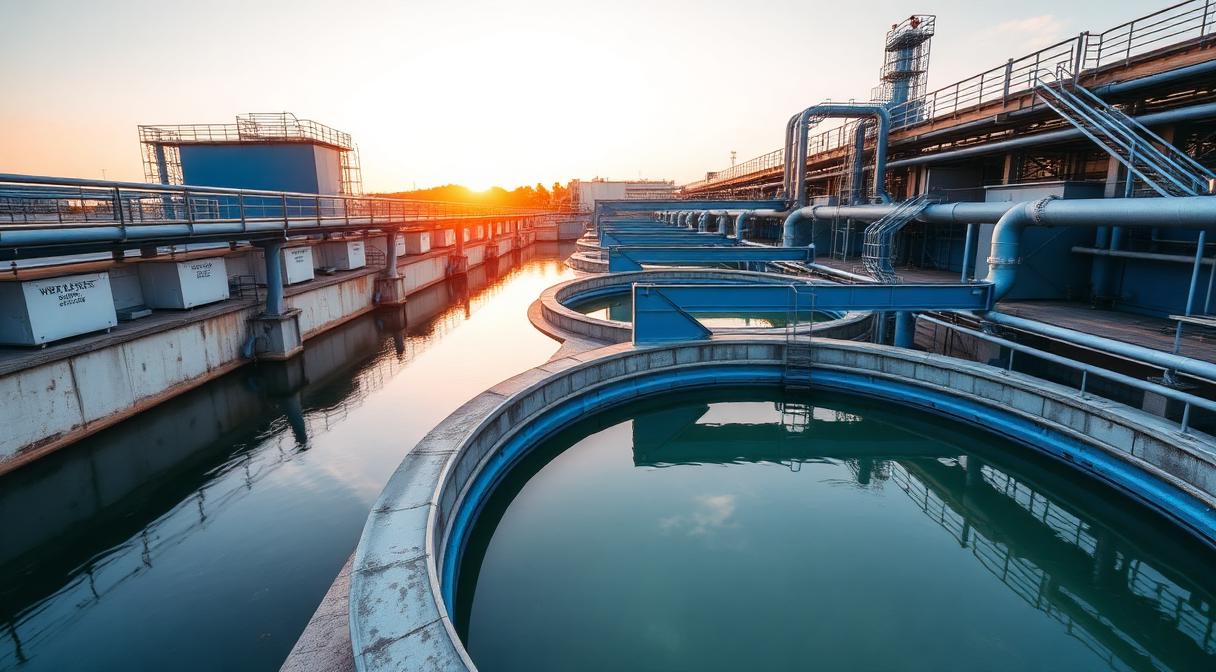
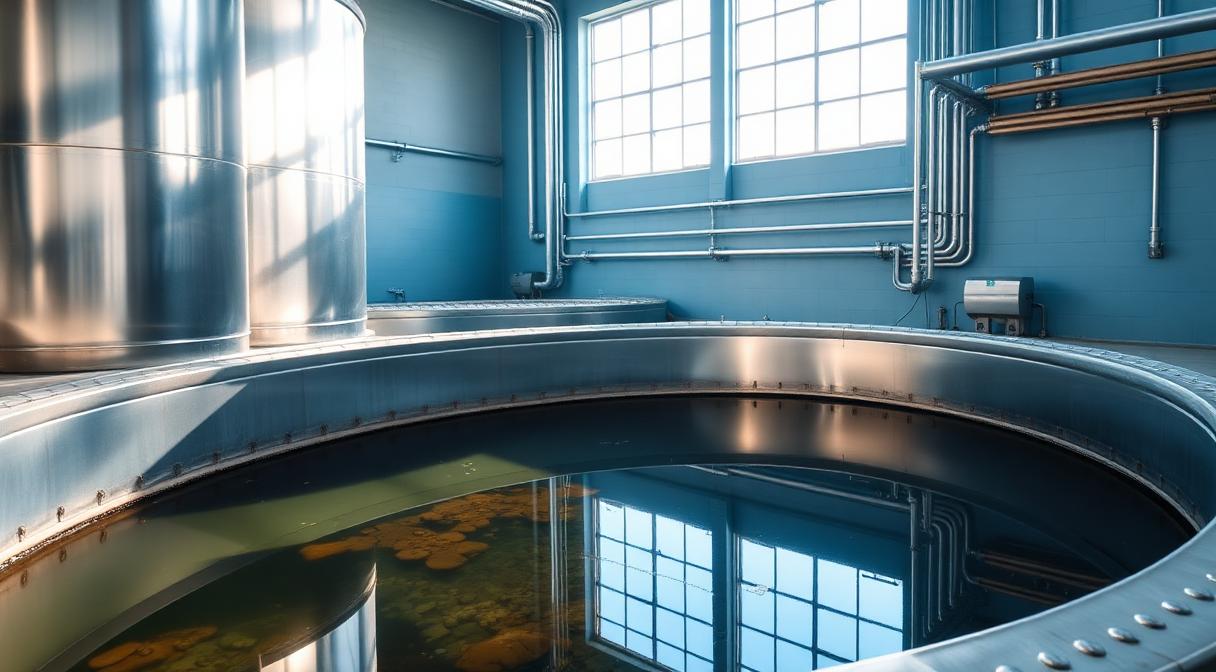 Advanced wastewater treatment facilities integrate Guar Gum for Superior organic particle removal and environmental compliance.
In municipal wastewater treatment plants, Guar Gum is deployed in the primary and secondary clarification stages to accelerate solids separation. The polymer works synergistically with coagulation chemistry to optimize settling rates. A treatment sequence typically involves: (1) coagulation with an inorganic coagulant (ferric chloride or aluminum sulfate) to destabilize colloidal particles, and (2) addition of Guar Gum as a flocculant aid to bridge and aggregate destabilized particles. This hybrid approach, known as coagulation-flocculation, reduces the total chemical load by allowing lower doses of synthetic coagulants when paired with organic flocculants.
- Settling Time Reduction: Guar Gum-assisted flocculation can reduce settling time from 4–6 hours to 45–90 minutes, increasing plant throughput.
- Sludge Volume Reduction: Tighter floc formation reduces sludge volume by 15–25% compared to conventional flocculants, lowering disposal costs.
- Turbidity Removal: Industry studies indicate turbidity removal rates exceeding 90% at optimal Guar Gum dosages, meeting stringent effluent standards.
- Odor Reduction: Faster settling minimizes anaerobic conditions in clarifier zones, reducing volatile sulfur compound odors.
Industrial Applications: Food, Beverage, and Pharmaceutical Wastewater
Industrial wastewater streams from food processing, beverage production, and pharmaceutical manufacturing present unique challenges: high organic content, variable suspended solids loads, and presence of emulsified oils. Conventional flocculants often fail to achieve adequate separation or leave chemical residues that complicate downstream treatment. Guar Gum-based treatment systems achieve Superior results in these applications.
A cheese whey processing facility in Northern Europe recently transitioned to Guar Gum-assisted treatment and reported 40% reduction in total chemical usage while improving final effluent clarity. A soft-drink bottling plant in India reduced suspended solids by 35% and achieved consistent compliance with strict discharge standards by integrating 1.5 mg/L Guar Gum into its primary clarifier. Pharmaceutical manufacturers value Guar Gum because it is non-toxic, leaves no detectable residues, and is compatible with subsequent activated carbon adsorption and membrane filtration stages.
The Superior performance of Guar Gum in industrial settings stems from its ability to form looser, more porous flocs that still settle rapidly. This characteristics also allows faster dewatering of sludge—a critical economic factor in operations running 24/7.
Agricultural Runoff and Constructed Wetlands
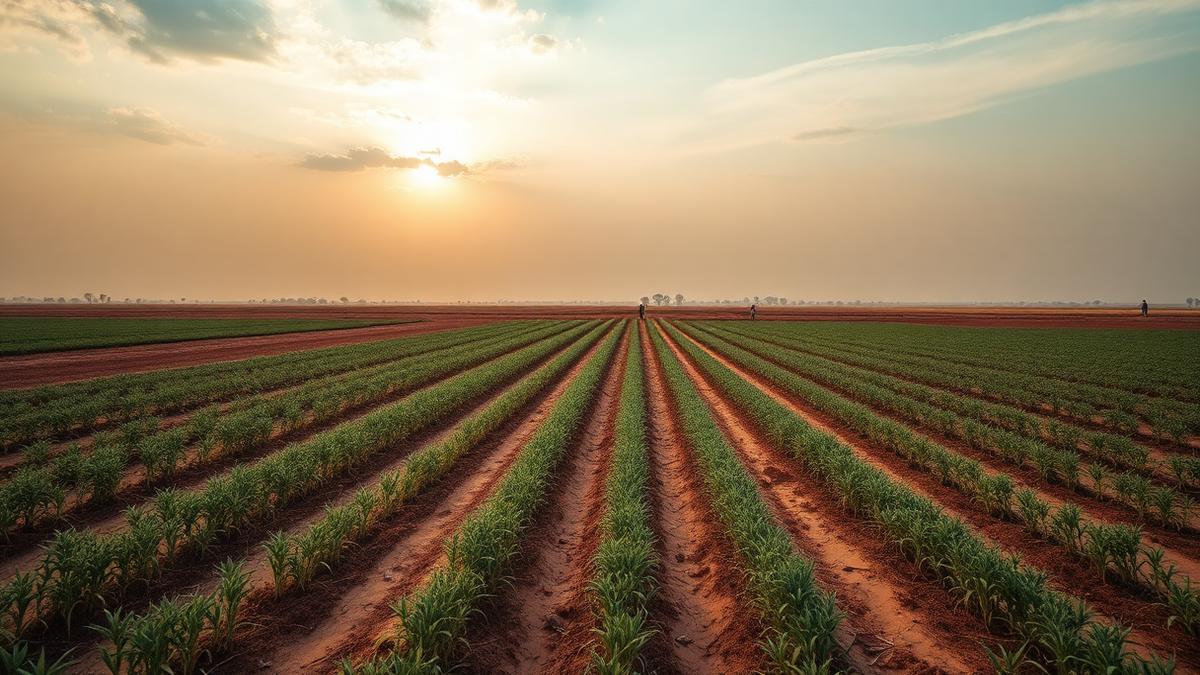
 Constructed wetlands and agricultural treatment systems leverage Guar Gum for Superior sediment and nutrient management.
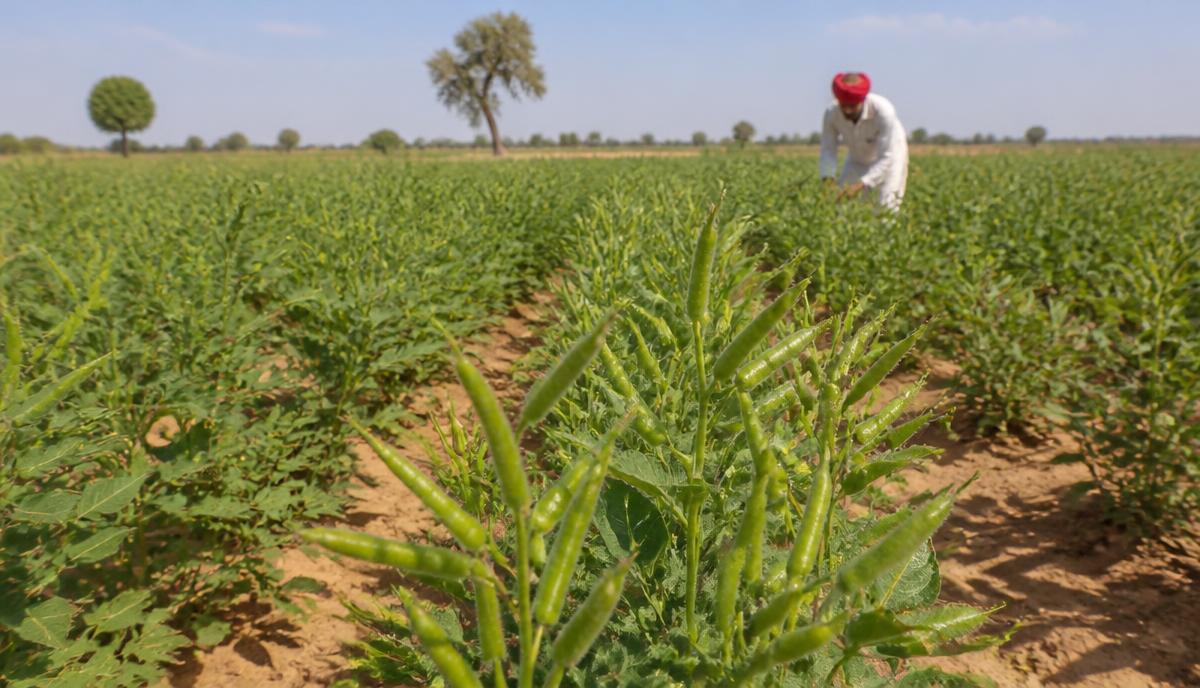
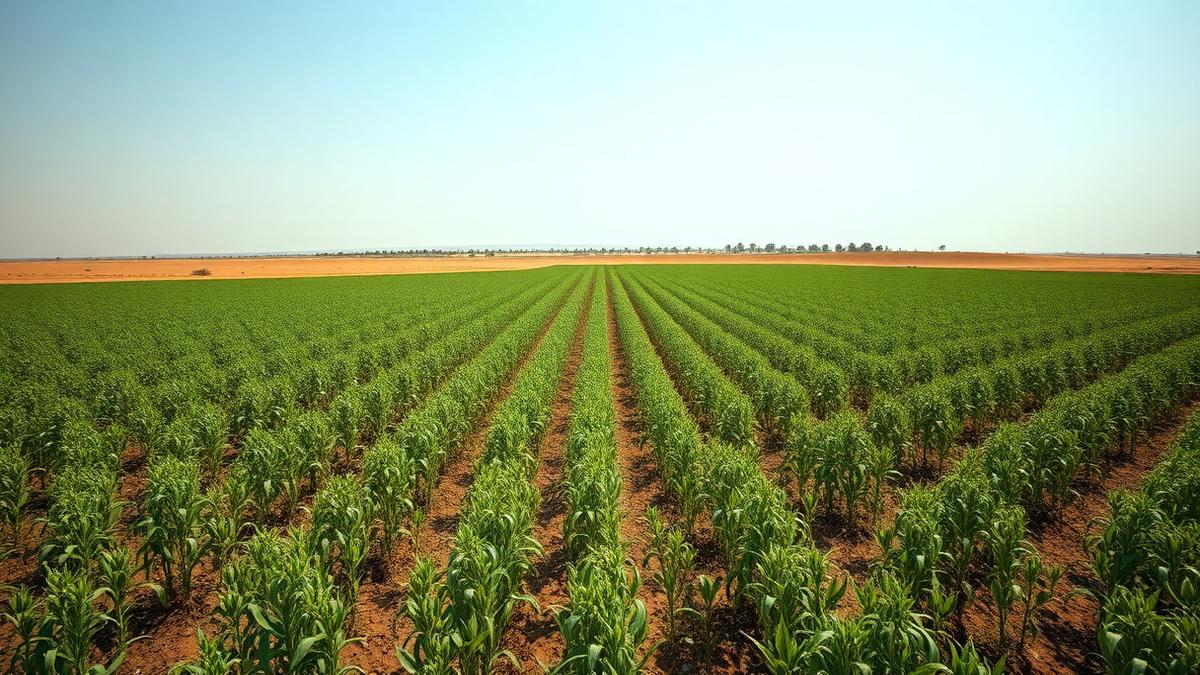
Eutrophication from agricultural runoff—driven by nitrogen and phosphorus-laden suspended particles—remains a global water quality crisis. Guar Gum plays a critical role in treating runoff at the source. When applied to agricultural runoff at 0.8–1.5 mg/L, Guar Gum aggregates fine clay and silt particles, facilitating their removal in constructed wetlands or on-farm settling ponds. Organic farmers particularly favor Guar Gum because it is certified for use in systems adhering to organic standards and leaves no synthetic chemical traces in receiving waters.
Constructed wetlands in the Netherlands, India, and China are increasingly incorporating Guar Gum pre-treatment to enhance phosphorus removal efficiency. Studies presented at the International Water Association conferences in 2025–2026 indicate that Guar Gum-treated inflow achieves 15–20% higher phosphorus retention compared to untreated runoff, reducing nutrient loading to downstream water bodies.
Key Takeaways
- Environmental Advantage: Guar Gum is fully biodegradable and leaves no toxic residues, aligning with 2026 global environmental compliance requirements.
- Regulatory Compliance: As synthetic flocculant restrictions tighten, organic Guar Gum offers municipal and industrial users a legally secure, future-proof solution.
- Superior Cost Performance: Lower dosage requirements and reduced sludge generation deliver measurable economic savings over conventional flocculants.
- Versatile Application: From municipal clarification to industrial wastewater to agricultural runoff, Guar Gum performs across diverse water treatment scenarios.
- Sustainable Sourcing: Certified organic and Non-GMO Guar Gum from B.D. Guar ensures supply chain transparency and environmental responsibility.
- Market Growth Trajectory: As water scarcity and regulatory pressure intensify globally, demand for Superior natural flocculants is projected to accelerate through 2030.
Frequently Asked Questions
How does Guar Gum compare to other natural flocculants like chitosan or potato starch?
While chitosan (derived from shellfish) and potato starch are natural alternatives, Guar Gum offers Superior performance in several key areas. Guar Gum maintains consistent effectiveness across wider pH and temperature ranges, exhibits higher molecular weight for faster floc formation, and comes from certified organic sources free of allergenic concerns. Industry studies show Guar Gum-assisted clarification outperforms starch-based systems in both speed and sludge dewatering characteristics.
Is Guar Gum safe for drinking water treatment?
Yes. Guar Gum is approved for use in food additives (E412 in the European Union) and meets strict safety standards for drinking water treatment. When applied at therapeutic dosages (0.5–2.0 mg/L), residual Guar Gum is removed through subsequent filtration stages, and any trace amounts that remain are non-toxic and biodegradable.
What is the typical cost comparison between Guar Gum and synthetic flocculants?
On a per-kilogram basis, liquid Guar Gum typically costs 20–30% more than aluminum sulfate. However, because Guar Gum requires 5–10 times lower dosages, the actual treatment cost per cubic meter of water is often Superior—frequently 15–30% lower than conventional flocculants. Additional savings come from reduced sludge disposal costs.
Can Guar Gum be used alongside existing water treatment infrastructure?
Absolutely. Guar Gum integrates seamlessly into existing coagulation-flocculation systems, secondary clarifiers, and membrane pretreatment stages. Most facilities can adopt Guar Gum with minimal capital modification, simply adjusting dosing equipment and chemistry controls.
Ready to transition to Superior, sustainable water treatment? B.D. Guar's premium organic Guar Gum is specifically engineered for water treatment applications, backed by technical expertise and a commitment to environmental stewardship. Contact our water treatment specialists to discuss how Guar Gum can optimize your facility's performance while reducing environmental impact. Explore our complete range of hydrocolloid solutions or learn more about our quality certifications and sustainability standards.