Guar Gum in the Mining Industry: From Dust Suppression to Mineral Flotation
Discover how guar gum serves as a critical tool in modern mining — from forming protective dust-suppressing crusts on haul roads to acting as a selective depressant in mineral froth flotation.
Last updated:
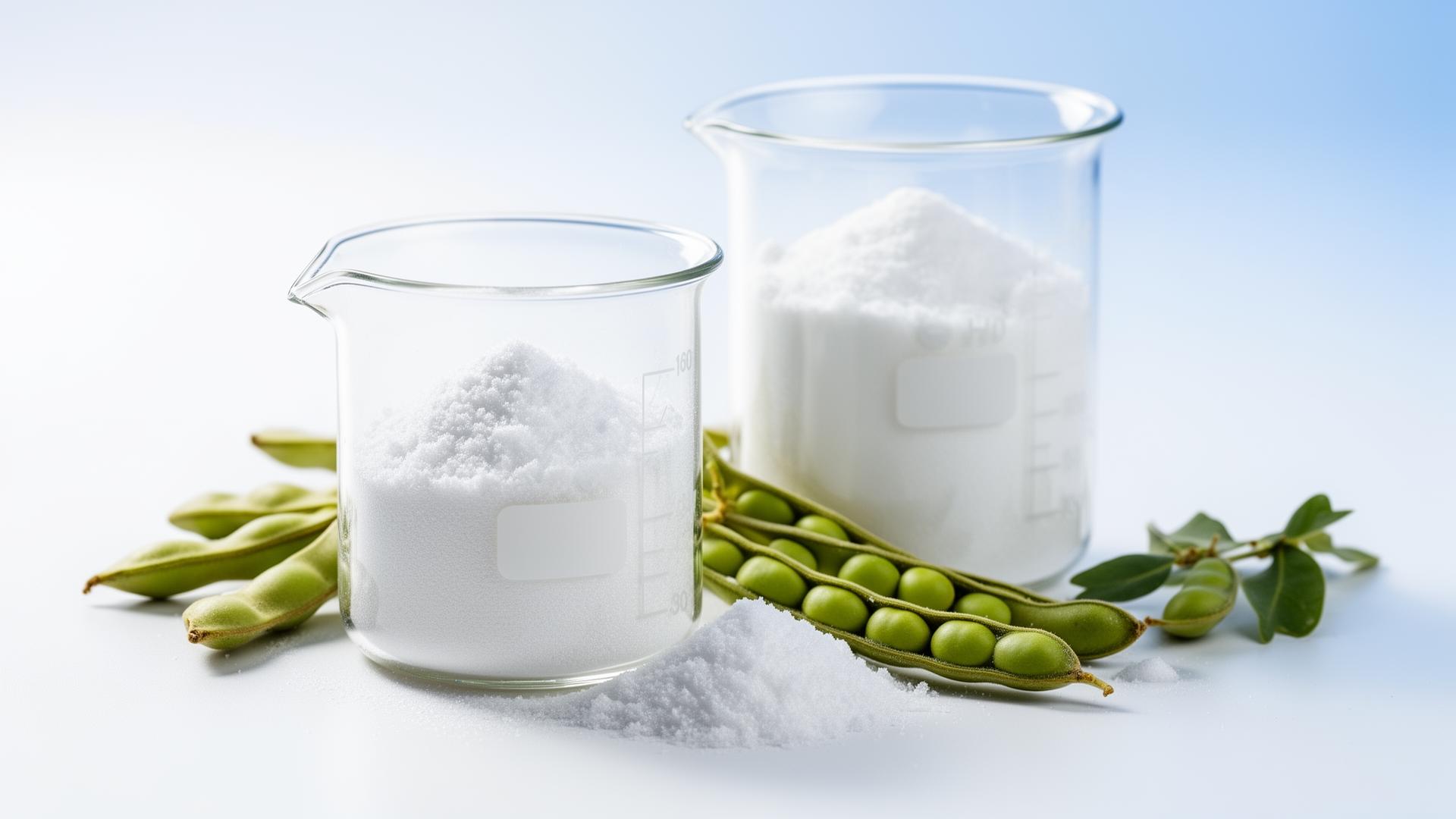
When we think of mining, we often picture heavy machinery, explosives, and massive earth-moving operations. However, some of the most crucial tools in modern extractive industries operate at a molecular level. Enter guar gum: a natural polysaccharide extracted from guar beans. While it is widely known as a thickening agent in the food industry, this versatile hydrocolloid has become a powerhouse in mining operations.
From protecting workers' lungs to extracting precious metals from stubborn rock, guar gum serves multiple critical, heavy-duty functions. Here is a look at how this natural polymer is transforming mining operations from the ground up.
1. Taming the Dust: Surface Binding and Respiratory Safety
One of the most immediate and visible challenges in any mining operation is fugitive dust. The continuous crushing, hauling, and processing of rock generates vast amounts of airborne particulate matter. This dust is not just a nuisance; it is a severe respiratory hazard for workers and a pollutant for surrounding ecosystems.
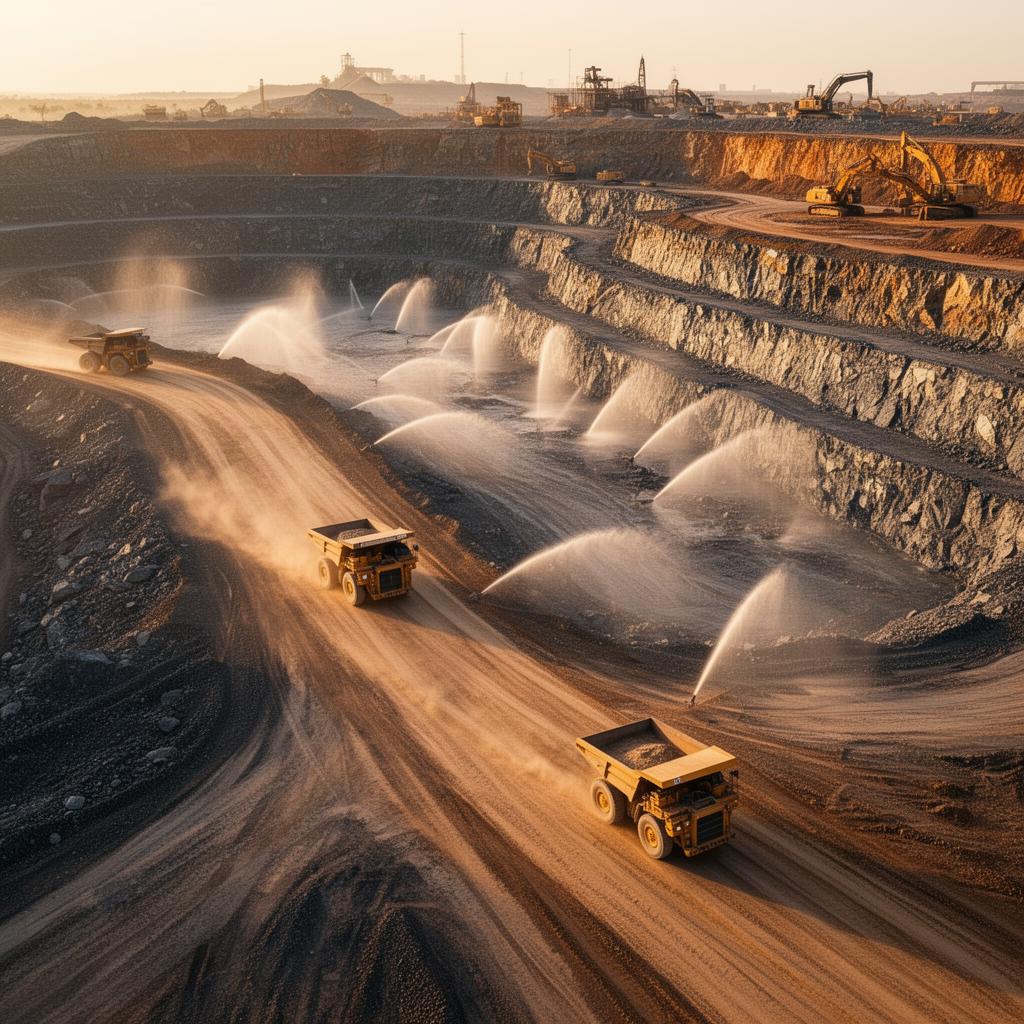
How Guar Gum Solves the Problem: Instead of constantly spraying roads and stockpiles with plain water — which evaporates quickly and requires massive consumption — mining operators use guar gum powder dissolved in water as a dust suppression agent.
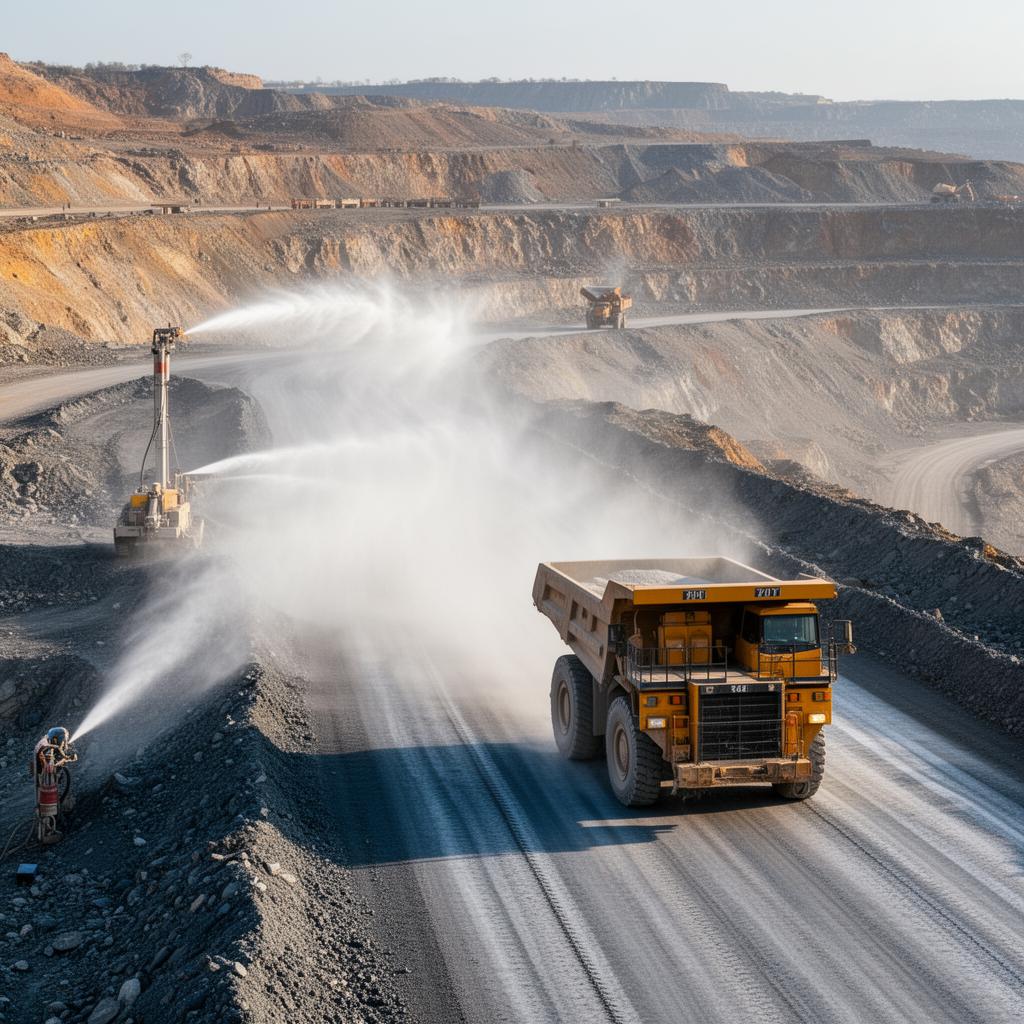 Guar gum-polymer spray systems create a resilient surface crust on haul roads, drastically reducing airborne particulate matter in open-pit mines.
- The Gel-Like Film: When the guar-water solution is sprayed over dust-prone areas, it acts as a binder.
- Surface Crusting: As the water evaporates, the guar polymers form a resilient, gel-like crust over the surface particles.
- Lasting Protection: This crust effectively "glues" the dust to the ground, preventing it from becoming airborne even under the stress of heavy haul trucks or high winds.
This application drastically reduces the amount of water needed for dust control and significantly lowers the risk of conditions like silicosis among miners.
2. The Art of Separation: Mineral Flotation
Once the ore is out of the ground, the real challenge begins: separating tiny fractions of valuable minerals (like gold, copper, or nickel) from massive amounts of worthless rock, known as gangue (such as talc or clay). This is primarily done through a process called froth flotation.
In froth flotation, crushed ore is mixed with water and chemicals in large tanks. Air is bubbled through the mixture. The goal is to make the valuable minerals attach to the air bubbles and float to the top as a froth, which is then skimmed off.
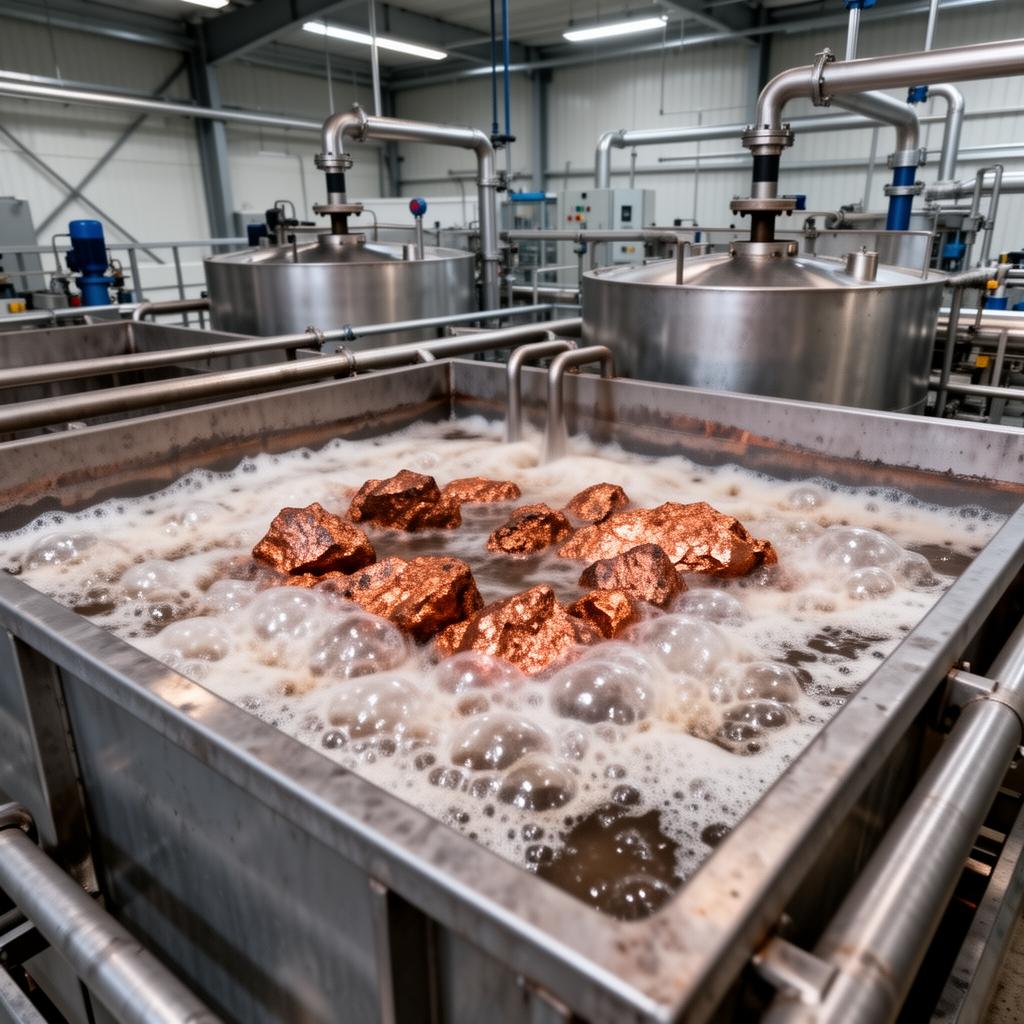 In froth flotation, guar gum selectively depresses gangue minerals like talc, allowing valuable copper and gold to float cleanly to the surface.
Guar Gum as a Selective Depressant: However, gangue materials like talc are naturally hydrophobic (water-repelling) and love to float alongside the valuable minerals, contaminating the final product. This is where guar gum steps in as a selective depressant.
- Hydrogen Bonding: Because of its unique molecular structure, guar gum strongly adsorbs to the surface of the gangue minerals through hydrogen bonding.
- Making Rock "Sink": By coating the talc and clay, the guar gum makes these particles hydrophilic (water-attracting).
- The Result: The gangue becomes too heavy to attach to the bubbles and sinks to the bottom of the tank, allowing the copper or gold to float cleanly to the surface.
Its ability to control viscosity and selectively target hydrated minerals makes it an indispensable tool for maximizing ore recovery.
3. Aligning with Modern ESG Goals
The mining sector is under increasing pressure to align with modern Environmental, Social, and Governance (ESG) standards. The adoption of guar gum plays a direct role in helping companies meet these aggressive targets.
- Environmental: By replacing harsh, synthetic, and often toxic chemical depressants with a natural, biodegradable plant extract, mines significantly reduce their chemical footprint and the toxicity of their tailings (waste) ponds. Furthermore, its efficiency in dust suppression saves millions of gallons of water.
- Social: By effectively mitigating airborne dust, companies are ensuring a safer, healthier working environment for their employees and neighboring communities.
- Governance: Implementing sustainable, bio-based alternatives demonstrates a proactive commitment to responsible resource management, which is increasingly demanded by regulators and investors alike.
The Bottom Line
Guar gum proves that sometimes the best solutions for the heavy industrial sector are grown, not manufactured. By serving as an incredibly efficient dust suppressant and a highly selective flotation depressant, this humble bean extract is helping the mining industry achieve greater operational efficiency, cleaner mineral recovery, and a significantly greener footprint.