Guar Gum in Low-Fat Meat and Poultry Processing
Discover how Guar Gum acts as a Superior fat replacer in deli meats and poultry brines, delivering juicy texture, higher yield, and clean-label compliance in 2026.
Last updated:
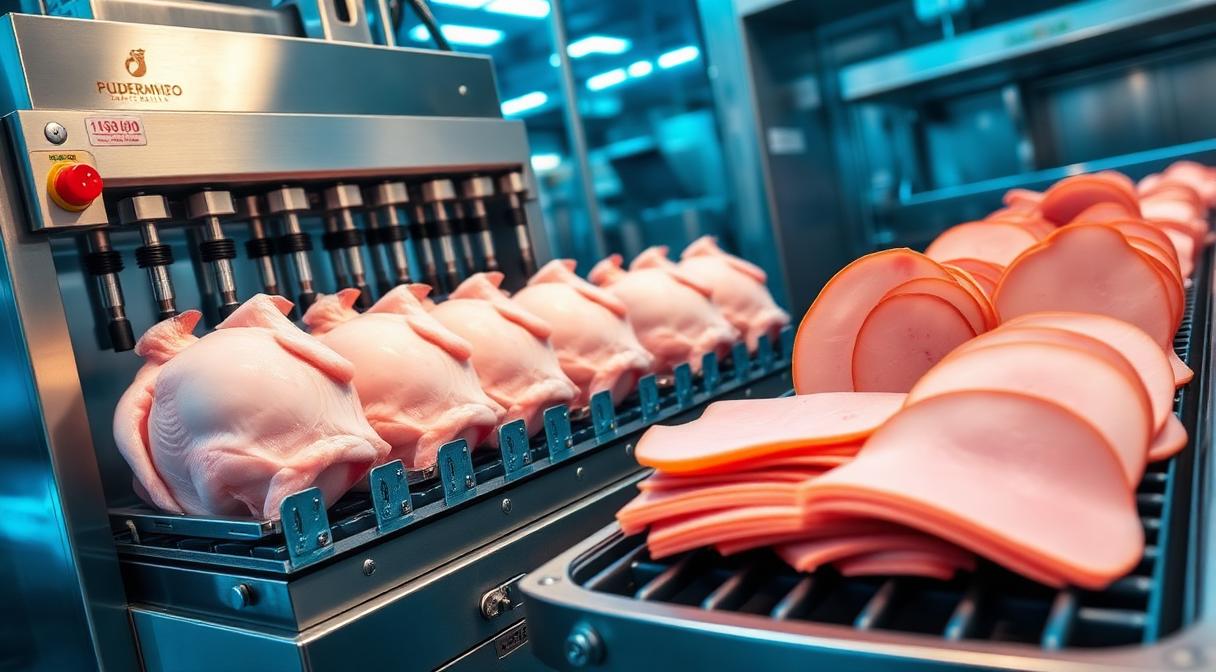
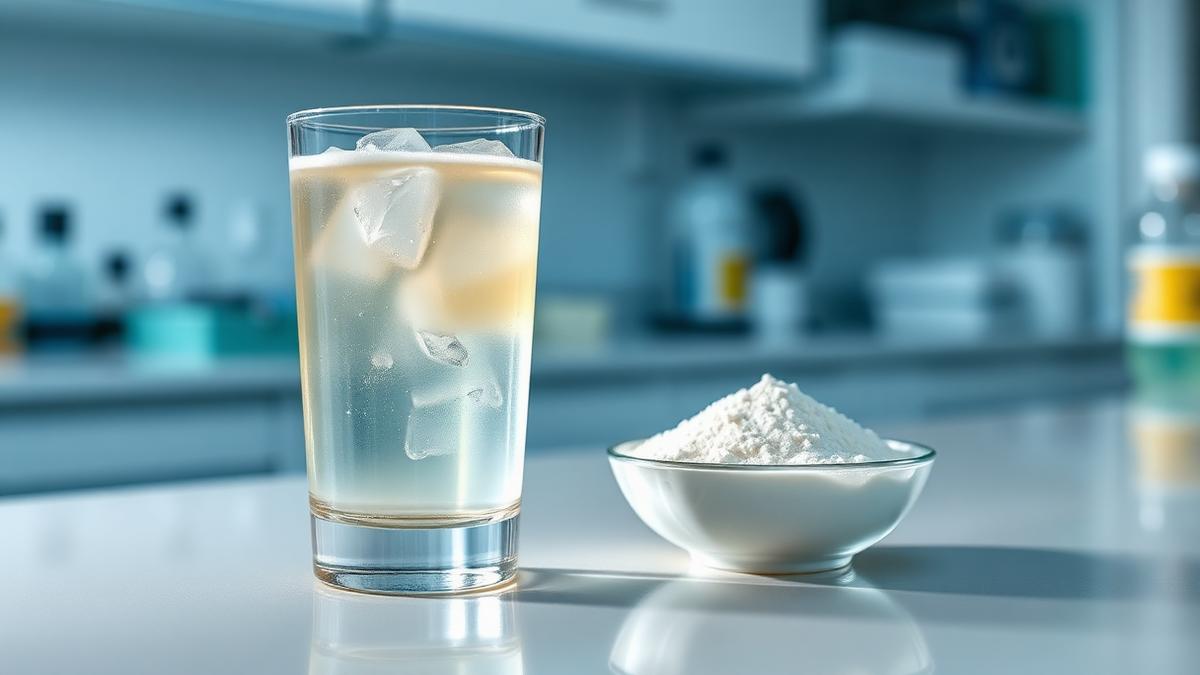
As the 2026 global food landscape shifts toward health-conscious dietary habits, guar gum low fat meat processing has emerged as a critical technological strategy for food manufacturers. Consumers increasingly demand reduced-fat deli meats and sausages that do not compromise on sensory quality. However, extracting animal fat often results in a dry, rubbery, and unpalatable texture. By harnessing the massive water-binding capacity of natural galactomannans, meat processors can effectively simulate the lubricating mouthfeel of fat, delivering a Superior, juicy product that perfectly aligns with modern nutritional expectations.
Research Overview: The Science of Galactomannans in Meat Matrices
The global processed meat sector is undergoing a massive reformulation wave in 2026, driven by strict regulatory pressures to lower caloric density and the growing consumer demand for clean-label ingredients. Meat is a complex, multiphase physiochemical system consisting of a continuous aqueous phase containing dissolved proteins and salts, alongside dispersed fat droplets and insoluble muscle fibers. When food scientists attempt to lower the fat content of these matrices, the delicate thermodynamic balance is disrupted. Fat normally acts as a critical structural lubricant and flavor carrier. Without it, the remaining protein network cross-links too tightly during thermal processing, squeezing out trapped moisture and resulting in a tough, unappealing product.
To overcome this structural failure, modern meat processing relies heavily on the integration of high-molecular-weight polysaccharides. Guar Gum, derived from the endosperm of the Cyamopsis tetragonoloba legume and classified as food additive E412, is the most cost-effective and functionally versatile hydrocolloid available for this application. Its galactomannan backbone — a linear chain of mannose units decorated with single galactose branches at a 2:1 ratio — allows it to dissolve in cold water and immediately build an enormous hydrodynamic volume. This results in exceptional thickening and water-binding performance at extremely low use rates, typically between 0.15% and 0.5% by total meat weight. For a deeper review of the technical properties of Guar Gum, including viscosity grades and mesh specifications, consult the full product glossary.
The Rheological Mechanics of Fat Replacement
Creating successful fat replacer meat products requires more than simply adding water to the recipe. If water is added without a stabilizing agent, it will immediately purge from the meat during cooking, packaging, or storage, leading to severe yield loss and an unsightly appearance. Guar Gum addresses this by fundamentally altering the fluid dynamics of the aqueous phase within the meat matrix.
- Mimicking Adipose Tissue: In a traditional high-fat sausage or meat patty, solid fat globules provide a tender bite by physically breaking up the tough protein matrix. Guar Gum solutions exhibit non-Newtonian, shear-thinning (pseudoplastic) characteristics. When integrated into the meat formulation, the highly viscous Guar Gum and water matrix forms microscopic, gel-like pockets that closely mimic the physical behavior of adipose tissue. When the consumer masticates the meat, the shear force of chewing causes the Guar Gum matrix to thin out and coat the palate, simulating the rich, lubricating sensation of natural animal fat.
- Preventing Heat-Induced Purge: During the cooking or smoking process, meat proteins — primarily myosin and actin — denature and coagulate, forming a rigid three-dimensional gel. This coagulation process actively squeezes water out of the muscle fibers. Research published in the Journal of Food Science indicates that the addition of Guar Gum mitigates this moisture loss. The intense intermolecular hydrogen bonding between the Guar Gum hydroxyl groups and water molecules creates a binding force that resists the contracting pressure of the protein network, locking moisture inside the product and improving overall cook yield.
- Syneresis Control During Storage: In the 2026 cold chain distribution network, packaged deli meats are subjected to inevitable temperature fluctuations. These microscopic shifts can cause syneresis — the weeping of free water out of the meat structure. The superentanglement of Guar Gum polymers creates a structural barrier that permanently traps this moisture, ensuring the meat remains plump, firm, and visually appealing throughout its entire shelf life.
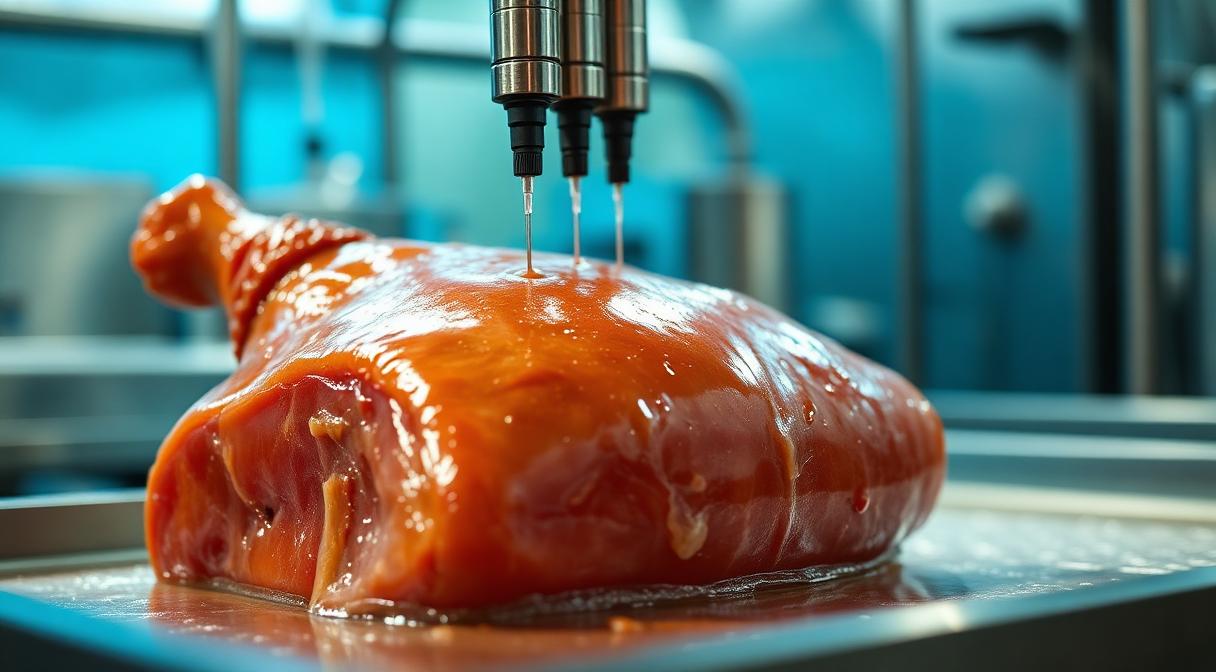 Multi-needle injection systems for whole-muscle ham and turkey breast processing rely on Superior-grade Guar Gum brines for uniform flavor delivery and yield improvement.
Optimizing Injection Brines for Yield and Slicing Performance
In the large-scale manufacturing of whole-muscle products such as hams, turkey breasts, and roast beef, moisture and flavor are introduced deep into the meat tissue via multi-needle injection systems. The formulation of these brines is critical to the economic success of the processing plant, making Guar Gum an indispensable tool in modern guar gum poultry processing operations. Consistent grade selection is essential to achieving repeatable results across production runs.
- Suspending Insoluble Brine Ingredients: Commercial meat brines are complex suspensions containing water, salt, phosphates, spices, and sometimes isolated soy or whey proteins. Without stabilization, heavy particulate matter and spices quickly settle to the bottom of the brine vat, creating an uneven distribution of flavor and ingredients through the finished product. Guar Gum imparts an immediate yield stress to the brine solution. If the downward gravitational force of a spice particle is less than the yield stress of the Guar Gum network, the particle remains perfectly suspended. Industry studies indicate that achieving this exact level of suspension stability requires a Guar Gum concentration of approximately 0.1% to 0.2% by weight in the brine.
- Enhancing Brine Retention in the Muscle: After injection, a portion of the brine may naturally migrate back out through the needle puncture channels in the meat surface — a phenomenon known as drip-back. Guar Gum dramatically reduces this effect. The high-viscosity, hydrogen-bonded matrix is physically too large to pass back through the narrow muscle fiber channels, effectively anchoring the brine within the meat matrix. Industry studies indicate that properly stabilized Guar Gum brines can increase the final injected yield of cooked ham by 3% to 6% compared to unstabilized brines, representing significant economic value at commercial scale.
- Improving Slicing Performance in Ham and Poultry: Whole-muscle products are typically sliced at high speed on commercial slicers at just-above-freezing temperatures. If the meat matrix lacks sufficient cohesion and elasticity, the slices will tear, crumble, or fall apart, creating significant product waste. Guar Gum, particularly when used in combination with phosphates and carrageenan, provides the necessary structural integrity to the meat block, ensuring slices can be cut thinly and consistently without breakage. This is critical to maximizing the value and yield of Superior deli meat products.
Synergistic Hydrocolloid Systems as Meat Binders
While Guar Gum provides exceptional water-binding capabilities on its own, formulating the ultimate Superior processed meat often involves leveraging its synergistic relationships with other natural hydrocolloids. By functioning as a highly efficient hydrocolloid meat binder, Guar Gum can be blended with other polymers to achieve precise textural outcomes in complex applications like canned meats, hot dogs, and emulsified sausages.
- Xanthan Gum Synergy: For applications requiring extreme structural rigidity, meat scientists frequently blend Guar Gum with xanthan gum. Xanthan is a rigid, rod-like bacterial exopolysaccharide. When combined, the smooth, galactose-free regions of the Guar Gum mannose backbone interact physically with the helical structure of the xanthan molecule. According to data published in Carbohydrate Polymers, this physical interaction creates highly rigid, three-dimensional intermolecular junction zones. The resulting synergistic blend creates a combined viscosity and yield stress that is exponentially greater than what either gum could achieve independently, providing exceptional binding strength in restructured or formed meat products.
- Carboxymethyl Cellulose (CMC) Blends: In frozen meat applications — such as low-fat burger patties or frozen chicken nuggets — controlling ice crystal formation is paramount. Guar Gum is routinely blended with food-grade CMC to protect the meat matrix during the freeze-thaw cycle. CMC contributes strong, rigid hydrogen bonds while Guar Gum provides flexible, long-range polymer entanglement. Together, they create a dual-mechanism barrier that prevents the formation and growth of large ice crystals, preserving the fine texture of the meat upon thawing.
- Carrageenan Combinations: In retorted or heat-sterilized meat products such as canned luncheon meats, Guar Gum is combined with carrageenan to build a firm, heat-stable gel network. While carrageenan provides the primary gel structure under heat, Guar Gum contributes flexible, water-binding reinforcement that prevents the gel from becoming brittle or cracking during retort sterilization. This combination is essential for maintaining the appealing, sliceable texture of Superior canned meat products after high-temperature processing.
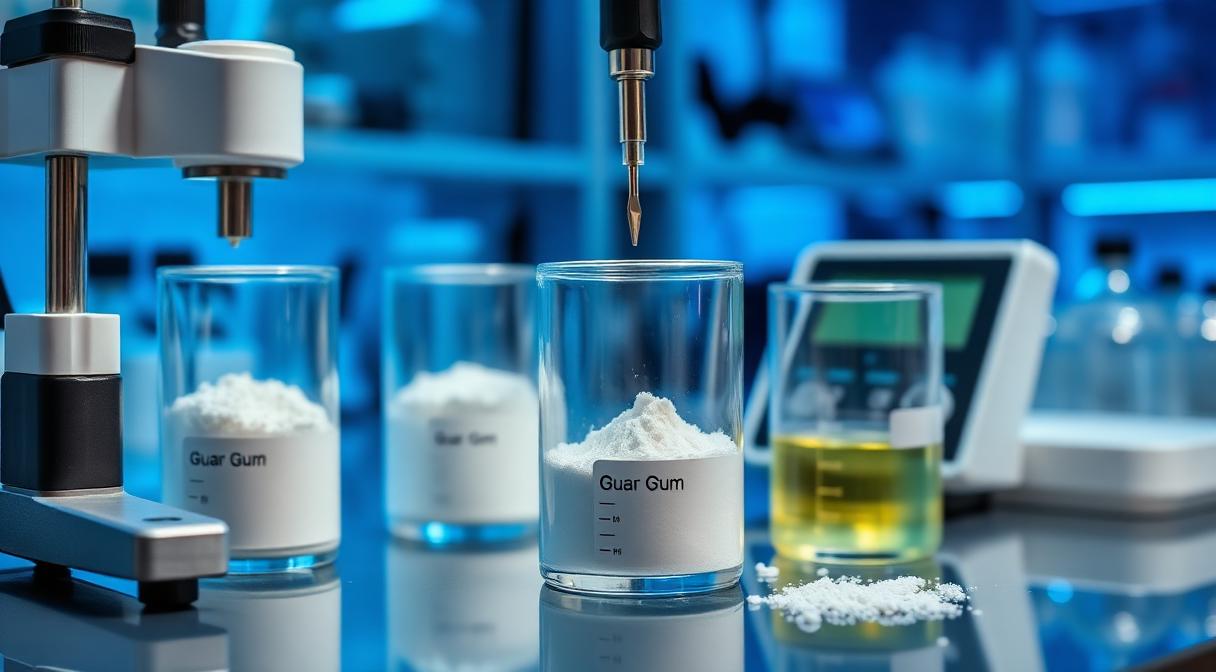 B.D. Guar in-house QA laboratory rigorously tests every batch of food-grade Guar Gum for viscosity, moisture, and microbiological compliance before shipment to meat processors globally.
Textural Profile Analysis and Sensory Excellence
The ultimate success of any low-fat meat product is determined by consumer acceptance. Food scientists utilize instrumental Textural Profile Analysis (TPA) to quantify the exact effects of Guar Gum on the mechanical properties of the meat, ensuring the product perfectly matches the sensory profile of its full-fat counterpart.
- Cohesiveness and Springiness: Cohesiveness measures how well the meat product withstands a second deformation relative to its first, indicating the internal bond strength. Springiness measures how well the product physically springs back to its original shape after being compressed by the teeth. Incorporating Guar Gum actively improves both metrics in low-fat sausages and frankfurters. The flexible galactomannan chains act as molecular shock absorbers within the meat matrix, providing a satisfying, resilient snap that consumers expect from a high-quality sausage.
- Modulating Hardness: Removing fat from a meat formulation dramatically increases the hardness and chewiness of the product, as the protein network becomes denser and tougher. Guar Gum counteracts this by lubricating the inter-fiber spaces and binding water within the protein network. The result is a measurable reduction in TPA hardness values, bringing low-fat products into the same sensory range as their full-fat references.
- Juiciness and Water Release During Mastication: True juiciness in meat is driven by the controlled release of water during chewing. The pseudoplastic behavior of Guar Gum means its viscosity drops sharply under the shear stress of mastication, releasing bound water in a controlled, burst-like fashion that perfectly replicates the sensation of fat liquefying on the palate. This is the defining sensory advantage that makes Guar Gum the leading fat replacer choice for Superior deli meat reformulation.
Economic and Clean-Label Regulatory Drivers in 2026
The commercial realities of the 2026 global food industry dictate that meat formulations must be both economically optimized and rigorously compliant with evolving consumer health trends. According to market intelligence from IMARC, the global food hydrocolloids market is undergoing sustained, high-value growth, projected to reach USD 12.5 billion over the coming decade, expanding at a CAGR of 4.7%. This massive economic shift is directly influencing how meat processors approach ingredient sourcing and supplier qualification.
In 2026, persistent macroeconomic inflation and supply chain volatility have compressed the profit margins of commercial meat processors. Animal fats and meat proteins remain exceptionally expensive raw materials. By utilizing Guar Gum, processors can replace a portion of these expensive ingredients with water — the cheapest raw material available. Because Guar Gum possesses an immense hydrodynamic volume, only 0.15% to 0.5% by weight is required to bind massive quantities of water. This extreme efficiency drastically lowers overall recipe formulation costs, allowing processors to maintain their margins without compromising on texture or quality.
From a regulatory and labeling perspective, Guar Gum carries significant advantages. Approved under EU Regulation (EC) No 1333/2008 as E412, it appears on ingredient labels simply as "Guar Gum" — a recognizable, plant-derived name that resonates positively with health-conscious consumers. The EFSA has affirmed its safety with no established acceptable daily intake limit required for food applications, removing any toxicological concerns for manufacturers. These clean-label credentials are a powerful competitive advantage for brands seeking to position their reformulated products in the premium health and wellness segment of the global market.
Key Takeaways
- Rheological Fat Simulation: Guar Gum effectively replaces animal fat by binding massive amounts of water, creating a highly viscous, shear-thinning pseudo-gel that perfectly mimics the lubricating mouthfeel and juiciness of traditional adipose tissue in low-fat meat products.
- Superior Moisture Retention: Through extensive intermolecular hydrogen bonding, the galactomannan polymers resist the contracting pressure of denaturing meat proteins during cooking, preventing severe yield loss and eliminating unsightly syneresis during cold-chain storage and distribution.
- Optimized Injection Brines: The pseudoplastic nature of Guar Gum allows brines to pass easily through multi-needle injection systems without clogging while simultaneously suspending heavy spice particles and preventing injected brine from leaking back out of the muscle tissue.
- Flawless Slicing Yields: By reinforcing the structural matrix of the meat block, Guar Gum provides the essential cohesiveness and elasticity required to slice low-fat deli meats thinly at high commercial speeds without tearing or crumbling.
- Synergistic Blending: Guar Gum achieves its highest performance when blended with complementary hydrocolloids — xanthan gum for extreme structural rigidity, CMC for freeze-thaw protection, and carrageenan for retort-stable gel formation in canned meat applications.
- Clean-Label Economics: As a naturally derived, E412-approved ingredient with no ADI limit, Guar Gum allows processors to lower formulation costs, reduce fat content, and maintain a transparent, consumer-friendly ingredient label simultaneously.
Frequently Asked Questions
Will adding Guar Gum to an injection brine clog the injection needles?
No. Guar Gum exhibits highly pseudoplastic (shear-thinning) flow behavior. While it makes the brine thick in the holding tank to keep spices perfectly suspended, its viscosity drops instantly under the extreme pressure and shear force of the injection pumps. This allows the brine to flow smoothly through even the finest injection needles. Once inside the meat, the shear force stops, and the brine immediately thickens again, preventing it from leaking back out of the muscle tissue.
Why is Guar Gum often blended with xanthan gum in processed meat formulations?
Guar Gum and xanthan gum have a highly synergistic molecular relationship. The smooth backbone of the Guar Gum galactomannan molecule binds directly with the rigid, helical structure of the xanthan molecule, creating intermolecular junction zones. This physical interaction creates a much stronger, more resilient three-dimensional network than either gum could create alone, providing Superior binding strength in restructured, formed, or emulsified meat products at a lower total hydrocolloid cost.
What is the recommended dosage of Guar Gum in low-fat sausage formulations?
For low-fat sausages and frankfurters, industry-standard inclusion rates range from 0.2% to 0.4% by total meat weight. The optimal dosage depends on the target fat reduction level, the specific protein system used, and the processing conditions. At lower fat levels (below 5% total fat), dosages toward the upper end of this range are typically required to fully compensate for the lubricating and structural contributions of the removed fat. B.D. Guar technical team provides application-specific dosage recommendations and trial formulations upon request — contact us to begin a formulation partnership.
Is food-grade Guar Gum compliant with major international meat labeling regulations?
Yes. Food-grade Guar Gum is approved as additive E412 under EU Regulation (EC) No 1333/2008 for use in processed meat products, GRAS (Generally Recognized As Safe) in the United States under FDA 21 CFR, and compliant with FSSAI regulations in India. It appears on the ingredient label as "Guar Gum" — a simple, recognizable name with no negative consumer perception, making it the ideal choice for brands seeking both functional performance and clean-label compliance in their reduced-fat meat ranges.
B.D. Guar Pvt. Ltd. supplies Superior-quality, food-grade Guar Gum in a range of mesh sizes and viscosity grades specifically optimized for meat and poultry processing applications. Holding ISO 22000, FSSAI, Halal, and Kosher certifications, every batch is tested and documented with a full Certificate of Analysis. To request a sample, a technical data sheet, or a customized formulation consultation, reach out to the B.D. Guar team today. Explore the full product range or visit the hydrocolloid comparison guide to identify the ideal grade for your specific processing needs.