Mine Froth Flotation: Selectively Depressing Talc and Gangue Minerals
Naturally hydrophobic talc dilutes flotation concentrates and triggers smelter penalties. See how biodegradable Guar Gum depressants deliver cleaner, higher-yield ore.
Last updated:
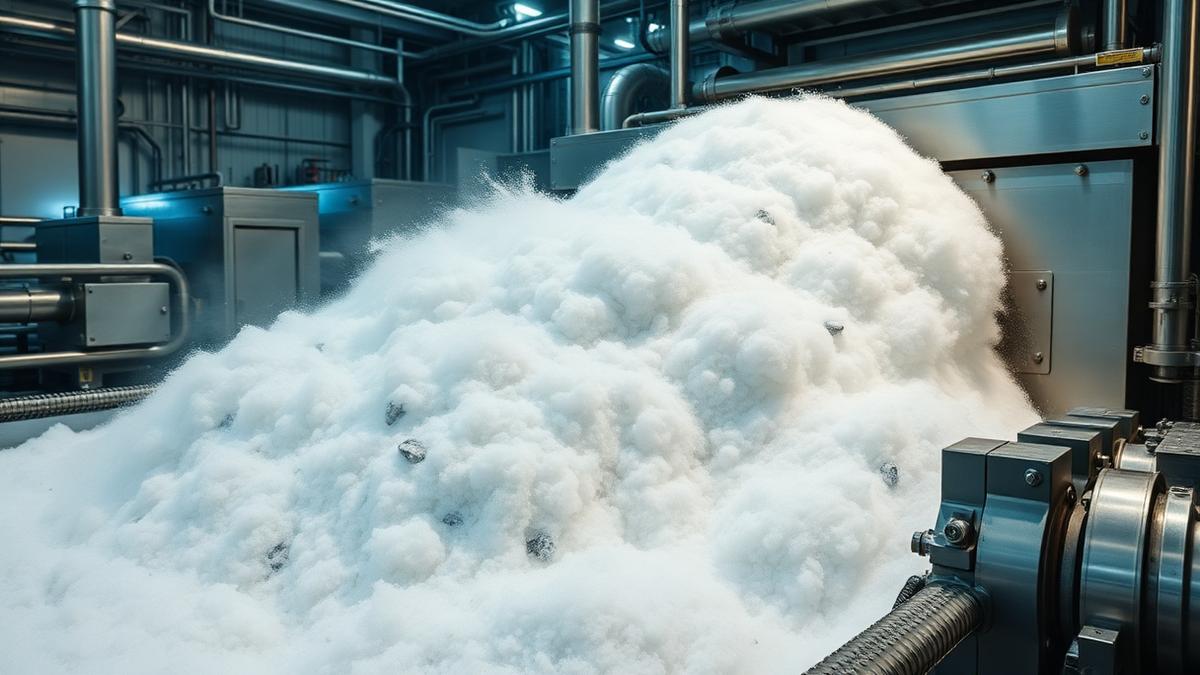
In the highly competitive 2026 global metallurgical sector, optimizing mine froth flotation has become an absolute necessity for operations processing complex, low-grade ores. As global demand for nickel, copper, and platinum group metals surges to fuel the green energy transition, managing naturally floatable gangue like talc is a critical bottleneck. Utilizing Superior, biodegradable Guar Gum derivatives as selective depressants offers a highly efficient, sustainable solution that prevents gangue recovery, producing cleaner concentrates and significantly enhancing downstream smelting efficiency.
Research Overview: The Challenge of Hydrophobic Gangue in Flotation Circuits
Froth flotation is the primary metallurgical separation technique utilized to concentrate valuable non-ferrous mineral sulfides from complex, low-grade ores. During this process, collectors such as alkyl xanthates selectively adsorb onto target metallic sulfides, rendering them hydrophobic and enabling them to attach to rising air bubbles in the flotation cell. However, the presence of naturally hydrophobic gangue minerals, such as talc and various phyllosilicates, represents a major processing barrier.
Unlike typical hydrophilic silicate gangue, talc possesses a layered sheet-like structure held together by weak Van der Waals forces. When crushed, talc cleaves along its basal plane, exposing non-polar, hydrophobic surfaces. Without chemical intervention, these basal planes readily attach to air bubbles and float alongside the valuable metallic concentrates of nickel, copper, and gold. This non-selective floating severely dilutes the concentrate grade, which in turn incurs heavy downstream transport costs and massive metallurgical penalties at the smelter.
To resolve this challenge, modern flotation plants in 2026 are actively transitioning away from synthetic, environmentally persistent polymers. According to Minerals Engineering, natural polysaccharides, specifically Guar Gum, have proven to be the most cost-effective and highly selective depressants compared to other hydrocolloids. For a broader comparison of galactomannan performance, see our Guar Gum vs xanthan gum guide. By selectively adsorbing onto the non-polar faces of gangue minerals, Guar Gum renders them hydrophilic, forcing them to remain in the tailings and ensuring the recovery of Superior-grade metal concentrates.
The Molecular Adsorption Mechanism of Guar Gum
The ability of Guar Gum to act as an exceptional mineral depressant is governed by its unique polymer chemistry and macromolecular architecture.
- Galactomannan Structural Dynamics: Chemically, Guar Gum is a non-ionic polysaccharide composed of a linear backbone of (1,4)-linked beta-D-mannopyranose units with random branch points of alpha-D-galactopyranose units linked at the C-6 position. This branching occurs at a regular mannose-to-galactose ratio of approximately 2:1. According to studies in Carbohydrate Polymers, the high density of galactose side chains prevents tight molecular packing, ensuring rapid hydration and maximum exposure of free hydroxyl (-OH) groups in cold water.
- Hydrogen Bonding and Hydrophilic Transformation: The adsorption of Guar Gum onto the basal planes of talc and gangue occurs predominantly through a combination of hydrogen bonding and hydrophobic interactions. The non-ionic, high-molecular-weight polymer aligns its hydrophobic pyranose rings with the neutral, hydrophobic basal planes of the talc. Simultaneously, the abundant hydrophilic hydroxyl groups extend outward into the aqueous phase. This molecular orientation creates a robust hydration layer around the gangue particles, rendering them hydrophilic and preventing bubble attachment.
- Steric Hindrance Barrier: Once adsorbed, the long-chain Guar Gum molecules form a dense, steric barrier on the gangue surface. This physical barrier prevents collector molecules (such as xanthates or sodium oleate) from accessing any active sites on the gangue, as confirmed by industry studies. The gangue is effectively locked in a hydrophilic state, ensuring it remains suspended in the pulp phase and is discharged with the tailings.
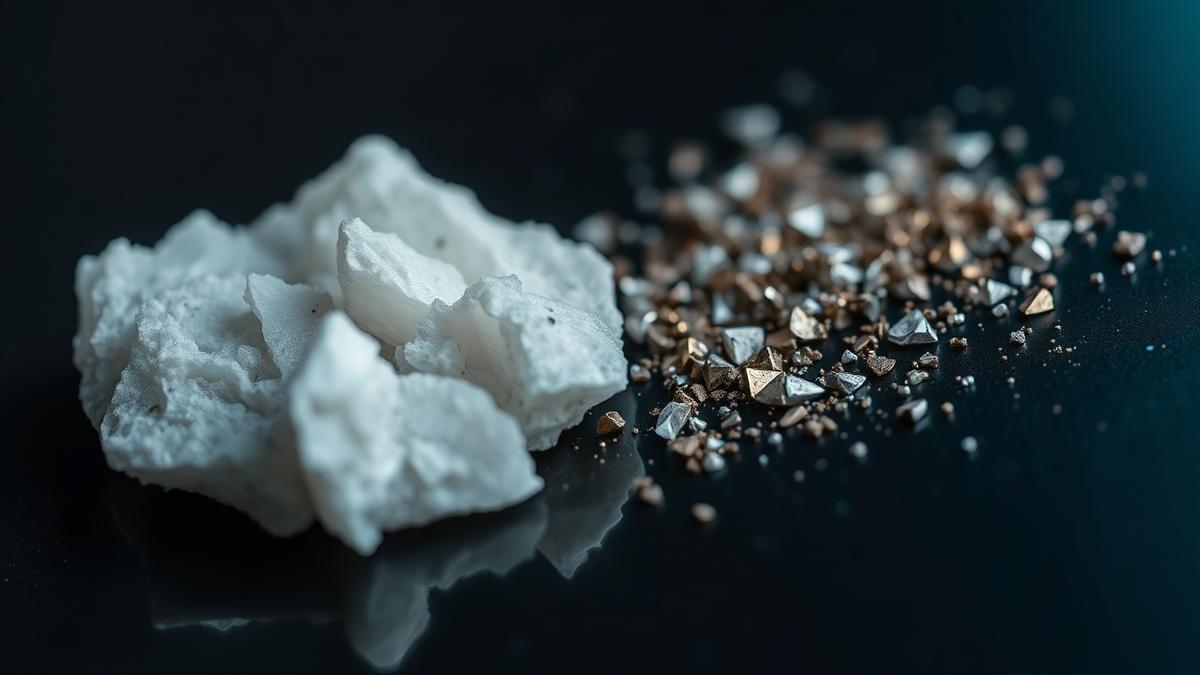 Guar Gum selectively coats hydrophobic talc while valuable metallic sulfides remain floatable.
Selective Talc Depression and Slurry Rheology Optimization
Implementing Guar Gum as a selective depressant requires a deep understanding of flotation pulp rheology and slurry stability to maintain steady plant throughput. B.D. Guar's precisely milled industrial-grade Guar Gum grades are engineered for this level of process control.
- Controlling Pulp Viscosity: Slurry viscosity is a critical variable in froth flotation. Excessively high viscosity can retard air bubble movement and decrease collision rates between bubbles and metallic particles. Conversely, low viscosity can lead to the premature sedimentation of heavy ores. Guar Gum, possessing a molecular weight of 1.0 to 2.8 million Daltons, functions as a highly predictable rheology modifier.
- Pseudoplastic Shear-Thinning Flow: Hydrated Guar Gum solutions exhibit pronounced pseudoplastic, or shear-thinning, behavior. Under the intense mechanical agitation of the flotation cell impeller, the apparent viscosity of the pulp decreases, facilitating high-efficiency mixing and maximizing bubble-particle collision rates. In the quiescent zone near the froth-pulp interface, the viscosity recovers, stabilizing the bubble-particle attachment and preventing valuable minerals from dropping out of the rising froth.
- Stabilizing Particle Suspension: By preventing the premature settling of fine mineral particles, Guar Gum ensures that fine and ultra-fine valuable sulfides remain in the active flotation zone. This selective suspension control minimizes mechanical entrapment of gangue while maximizing the recovery of fine-grained metallic sulfide ores.
Downstream Smelting Efficiencies and Economic Benefits
For mine operations managers and procurement teams in 2026, the selection of flotation reagents is heavily dictated by downstream smelting economics and the total cost-in-use.
- Reducing Magnesium Oxide (MgO) Contamination: Talc is a magnesium silicate mineral. When talc floats into copper or nickel concentrates, it introduces high concentrations of MgO into the smelter feed. High MgO levels drastically increase the viscosity and melting point of the smelting slag, requiring higher operating temperatures and the addition of expensive fluxing agents to maintain slag fluidity.
- Eliminating Smelter Penalties: Smelters impose severe financial penalties or outright reject concentrates with MgO levels exceeding strict threshold limits. Selective talc depression using Guar Gum successfully limits MgO contamination, producing cleaner concentrates that command Superior prices in the global market.
- Maximizing Metallurgical Recovery: Because Guar Gum is non-ionic and highly selective, it does not adsorb onto the valuable metallic sulfides activated by anionic collectors. This high selectivity ensures that valuable metals float unhindered, resulting in higher metallurgical recoveries and maximizing the overall metal yield of the mining operation.
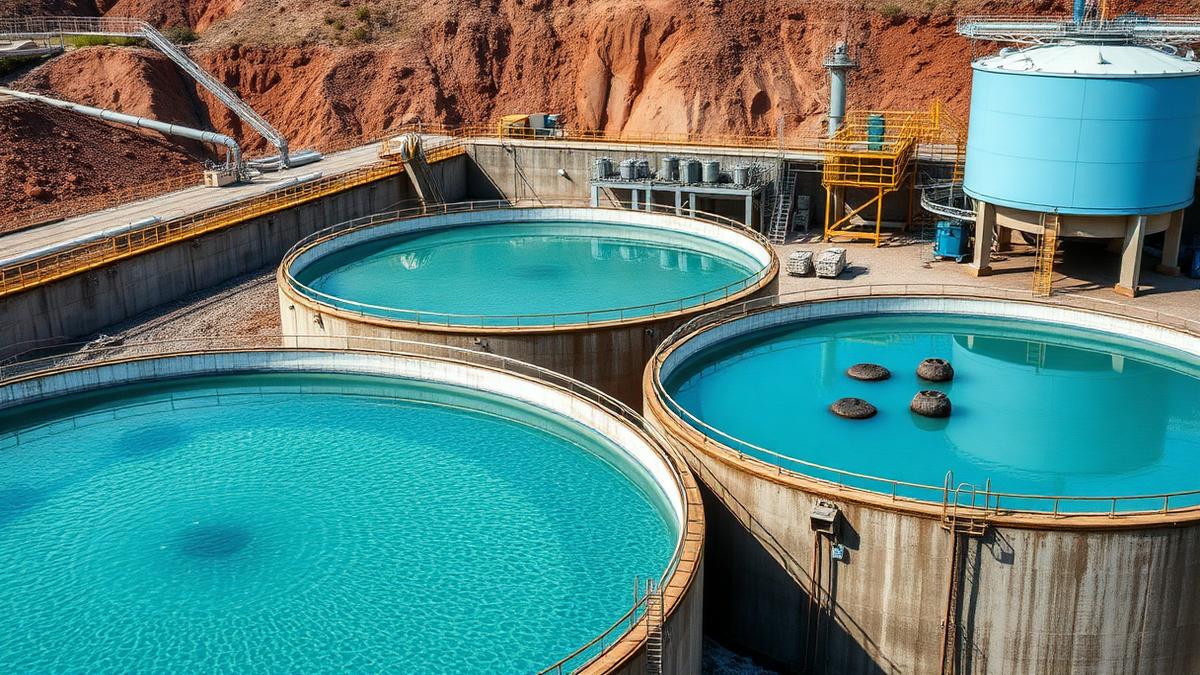 Cleaner concentrates and biodegradable reagents support closed-loop water recycling at the mine site.
Environmental Lifecycle and Sustainable Tailings Management
The 2026 mining landscape is shaped by stringent ESG mandates and the global transition toward bio-based, environmentally friendly chemical applications. B.D. Guar's sustainable sourcing model aligns directly with these priorities.
- Verifiable Biodegradability: Traditional synthetic depressants, such as polyacrylamides and chrome-based chemicals, pose severe environmental hazards, resisting degradation and contaminating local groundwater systems. In contrast, Guar Gum is a 100% natural, fully biodegradable polymer. It decomposes naturally in tailings ponds, leaving zero toxic chemical footprint.
- Water Reclamation and Closed-Loop Recycling: Mine sites are increasingly mandated to operate under Zero Liquid Discharge (ZLD) protocols. Utilizing biodegradable Guar Gum as a depressant facilitates cleaner, faster water clarification in thickeners and tailings management systems, enabling mines to recycle process water continuously without the accumulation of toxic synthetic residues.
- Regulatory Alignment: Major international bodies, including the FAO and the USDA, recognize Guar Gum as a safe, natural polymer, facilitating regulatory compliance and helping mining operations secure their environmental operating licenses in highly scrutinized jurisdictions.
Key Takeaways
- Intelligent Depressive Mechanism: Guar Gum selectively adsorbs onto hydrophobic gangue minerals like talc through its pyranose rings, while its dense hydroxyl groups create a hydrophilic hydration shell that repels flotation bubbles.
- Strict MgO Suppression: By selectively depressing magnesium-rich talc, Guar Gum keeps MgO levels in nickel and copper concentrates exceptionally low, preventing costly smelter penalties and optimizing smelting furnace thermodynamics.
- Viscoelastic Process Control: The predictable shear-thinning and pseudoplastic rheology of Guar Gum optimizes pulp viscosity inside the flotation cell, maximizing bubble-particle collisions and enhancing overall mineral recovery.
- Eco-Friendly ESG Alignment: As a naturally derived, fully biodegradable polysaccharide, Guar Gum completely replaces toxic synthetic chemicals, enabling safe tailings disposal and supporting closed-loop water recycling programs.
- Unparalleled Economic Efficiency: Because of its massive molecular weight and rapid cold-water hydration, ultra-low inclusion rates of Guar Gum are highly effective, reducing the reagent cost-in-use compared to inferior starch-based depressants.
Frequently Asked Questions
How does Guar Gum selectively target talc instead of valuable metallic sulfides?
Guar Gum is non-ionic and binds to the neutral, hydrophobic basal planes of talc through physical adsorption and hydrogen bonding. Valuable metallic sulfides, on the other hand, are activated by anionic collectors (like xanthates) which give them a chemically hydrophobic surface that does not attract the non-ionic galactomannan polymer of the Guar Gum. This ensures the valuable metals float freely while the gangue is selectively depressed.
What is the impact of water quality on Guar Gum's performance as a depressant?
Guar Gum is highly robust and compatible with a wide range of water qualities, including hard process water, recycled produced water, and saline systems. Because of its non-ionic nature, its polymer chains do not undergo charge-shielding or structural collapse in the presence of calcium or magnesium ions, ensuring consistent talc depression across variable mineral processing environments.
Why should mine operations replace synthetic polymers with Guar Gum?
Synthetic polymers like polyacrylamides resist biological degradation, creating long-term environmental liabilities in tailings dams and restricting water reclamation efforts. Guar Gum is 100% natural, fully biodegradable, and highly effective at ultra-low dosages. It provides Superior talc depression and slurry stabilization while helping mines meet strict 2026 ESG and environmental standards.
How should Guar Gum be prepared on-site for optimal flotation results?
To prevent the formation of dry, insoluble lumps, Guar Gum powder must be hydrated using high-shear mixers at controlled temperatures. Proper hydration ensures that the galactomannan chains are fully extended and active before being dosed into the flotation circuit, preventing system clogging and maximizing selective gangue adsorption. Every batch ships with full quality documentation.
Achieve absolute selectivity, optimize your metallurgical recoveries, and guarantee strict ESG compliance in your 2026 processing circuits by partnering with the industry leaders. B.D. Guar Pvt. Ltd. provides Superior, highly refined industrial-grade Guar Gum formulations tailored specifically for high-efficiency mineral processing and advanced talc depression. Contact our technical team today at sales@bdguar.com to secure high-performance, sustainably sourced biopolymers that protect your smelter contracts and elevate your mining yields to the highest global standards.