Fast-Hydrating Guar Gum for Slickwater Shale Fracturing
Fast-Hydrating Guar Gum reaches 90% viscosity in 3-5 minutes, enabling on-the-fly mixing that streamlines slickwater fracturing logistics in shale.
Last updated:

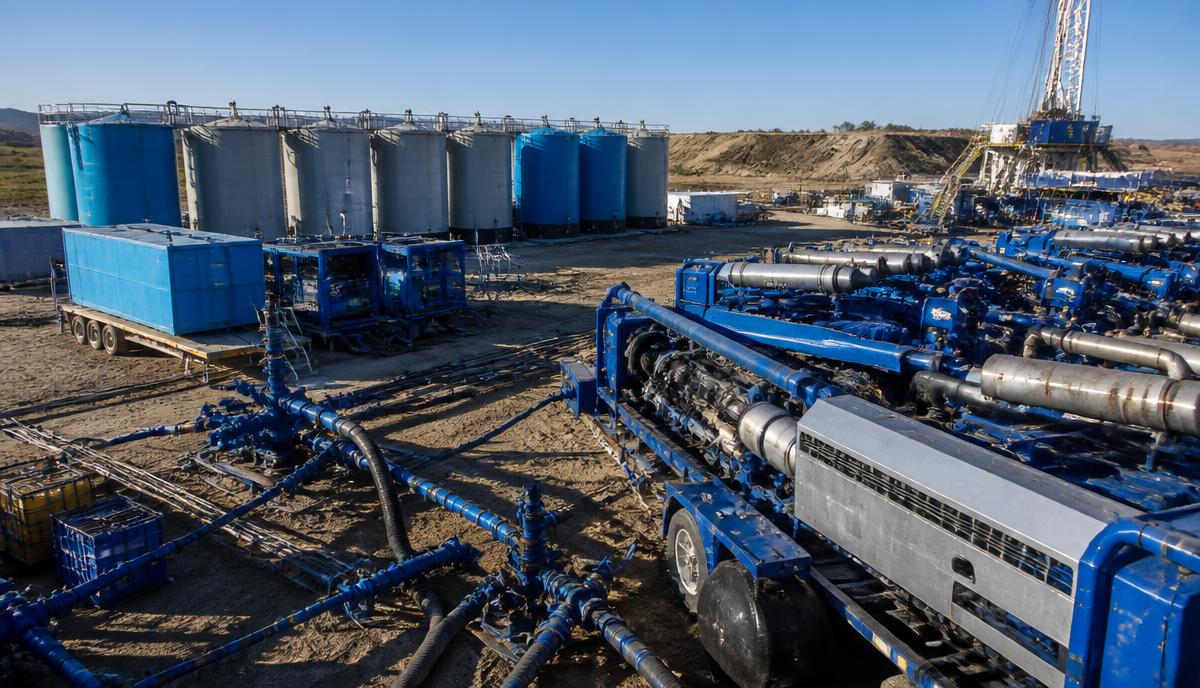
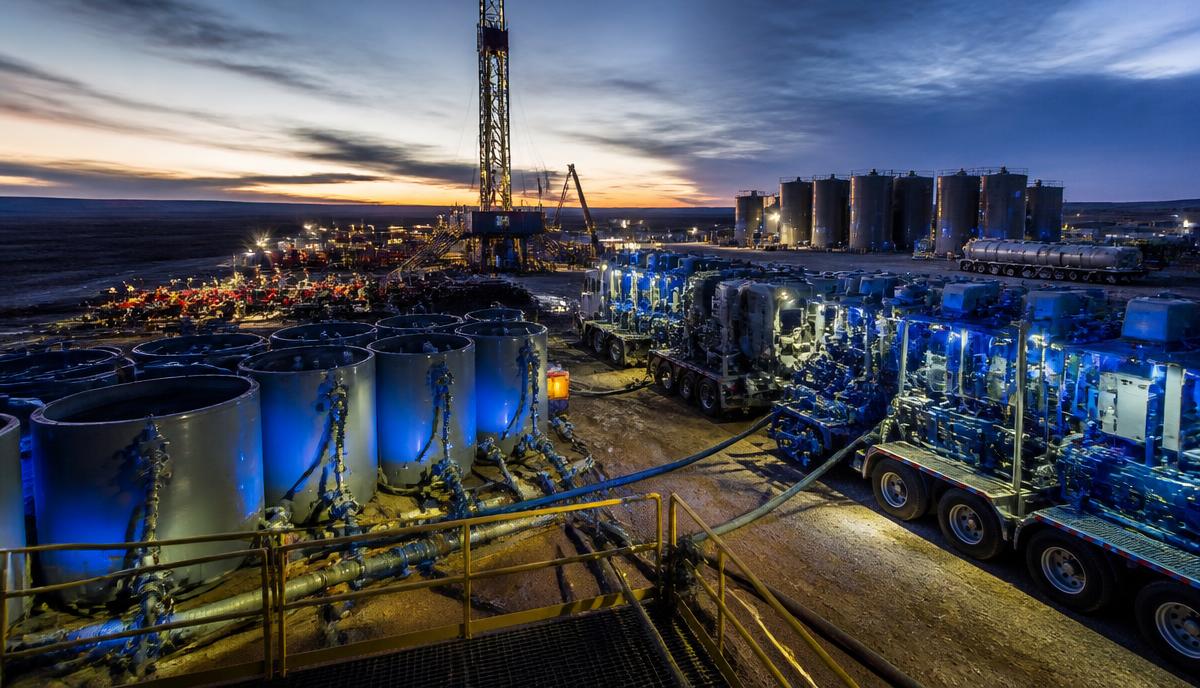
In the highly demanding 2026 global energy landscape, Fast-Hydrating Guar Gum is redefining how operators execute hydraulic fracturing across expanding shale plays. As drilling fluid engineers work to maximize hydrocarbon recovery while compressing costs and site footprint, the shift from slow-yielding polymers to rapid-yielding hydrocolloids has become essential. By achieving near-maximum viscosity in mere minutes, this Superior additive enables continuous, on-the-fly mixing, removing the need for large pre-hydration tank batteries on the wellsite.
Research Overview
The global oil and gas sector in 2026 operates under surging energy demand, tighter environmental compliance, and relentless pressure on operational cost. Hydraulic fracturing remains the definitive technology for unconventional shale extraction, and at the core of high-performance slickwater and linear-gel fluids sits Guar Gum, a natural galactomannan polysaccharide that serves as viscosifier, friction reducer, and proppant carrier. Industry studies indicate that fluid hydration speed is now a primary lever for wellsite efficiency and completion economics.
The Chemistry of Rapid Hydration
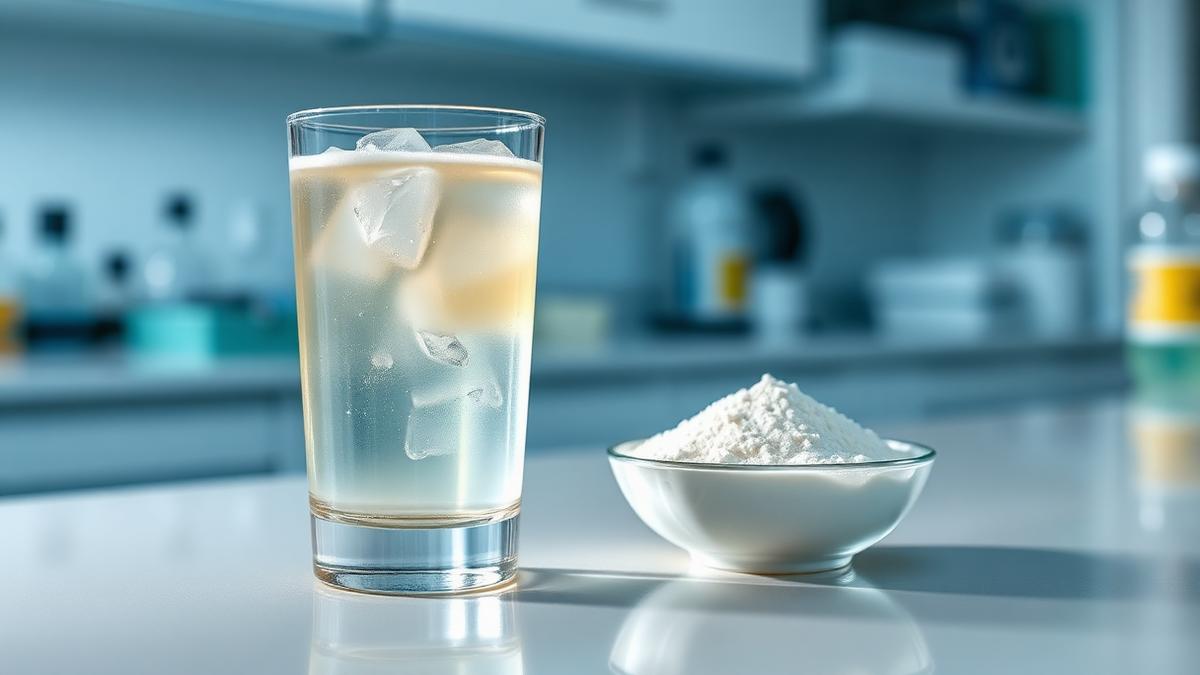
Guar Gum derives its performance from a mannose backbone bearing galactose side chains at an approximate 2:1 ratio. When dispersed in water, the polymer's abundant hydroxyl groups form extensive hydrogen bonds with surrounding water molecules, swelling the chains and building viscosity. Fast-Hydrating Guar Gum (FHGG) is engineered through controlled particle sizing and surface treatment so that this hydration cascade completes far more quickly than with conventional grades.
In practical terms, FHGG can reach roughly 90% of its target viscosity within 3 to 5 minutes of contact with the mix water. This kinetic advantage is decisive for continuous mixing operations, where the fluid must develop functional viscosity between the blender and the fracture in real time.
- Optimized particle size: Finely and uniformly milled powder maximizes surface area for near-instant wetting and dispersion.
- Controlled surface treatment: Managed hydration timing prevents fisheyes and clumping during high-shear injection.
- Predictable viscosity build: Consistent yield supports reliable rheology models used by drilling fluid engineers.
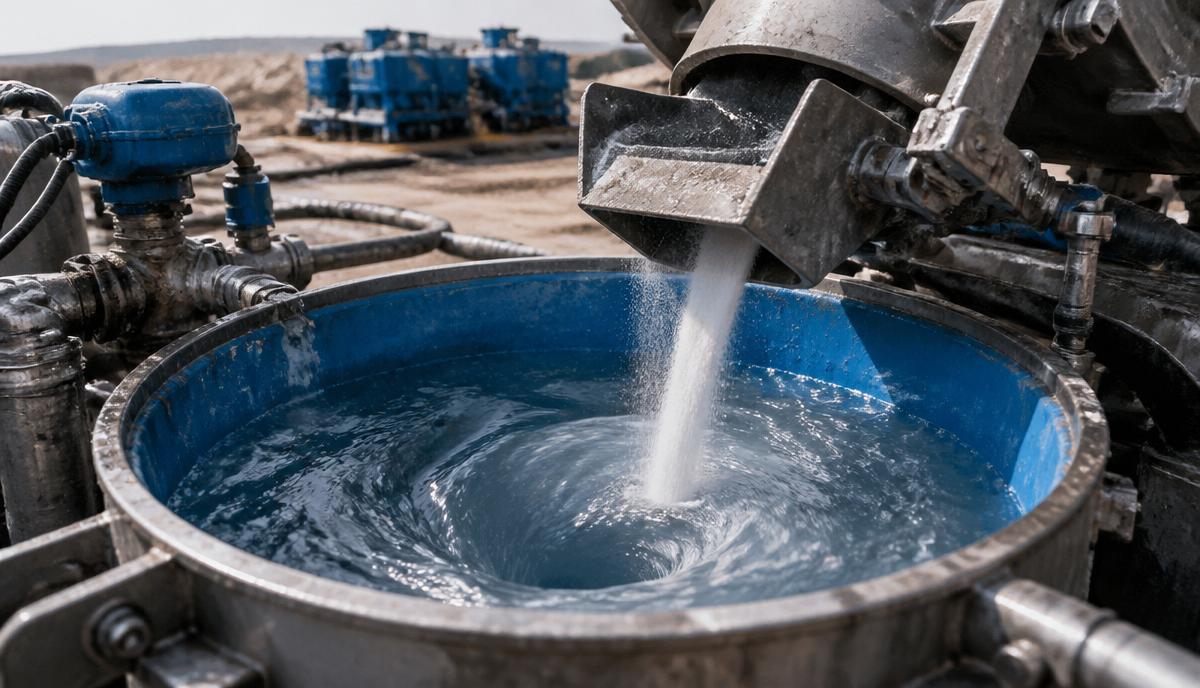 Continuous on-the-fly blending of Fast-Hydrating Guar Gum at a modern shale completion site.
On-the-Fly Mixing and Wellsite Logistics
Traditional Guar Gum grades required extended pre-hydration, forcing crews to batch-mix fluid hours in advance and hold it in large surface tanks. This consumed location space, water inventory, and manpower while introducing scheduling rigidity. FHGG eliminates the pre-hydration bottleneck by developing viscosity fast enough to be metered directly into the fracturing stream during pumping.
For drilling fluid engineers managing multi-well pads, this translates into meaningful logistical and economic gains. The SPE Journal and broader industry studies indicate that continuous-mix systems reduce non-productive time and simplify fluid management across high-intensity completion campaigns.
- Reduced surface footprint: Fewer and smaller tanks free up valuable location space on constrained pads.
- Lower water staging: Fluid is built on demand, reducing standing inventory and handling.
- Operational flexibility: Viscosity can be adjusted stage-by-stage without pre-committing large batches.
- Faster stage turnaround: Continuous mixing supports the pace of modern zipper-frac operations.
Friction Reduction and Proppant Transport
Slickwater fracturing depends on low-friction, high-rate pumping to place proppant deep into the shale fracture network. Guar Gum functions as a biodegradable friction reducer whose linear polymer chains align under shear flow, dampening turbulent energy losses inside the wellbore and lowering the hydraulic horsepower required at surface.
Beyond friction control, the polymer's viscosity is what suspends and carries proppant. FHGG builds this carrying capacity quickly, ensuring sand remains evenly distributed rather than settling prematurely. The result is improved fracture conductivity and a more effective propped fracture geometry.
- Lower pumping energy: Reduced friction cuts fuel consumption and equipment wear.
- Even proppant suspension: Rapid viscosity build keeps sand in the flow rather than in the wellbore.
- Biodegradable profile: A natural alternative to some synthetic friction reducers, supporting 2026 environmental expectations.
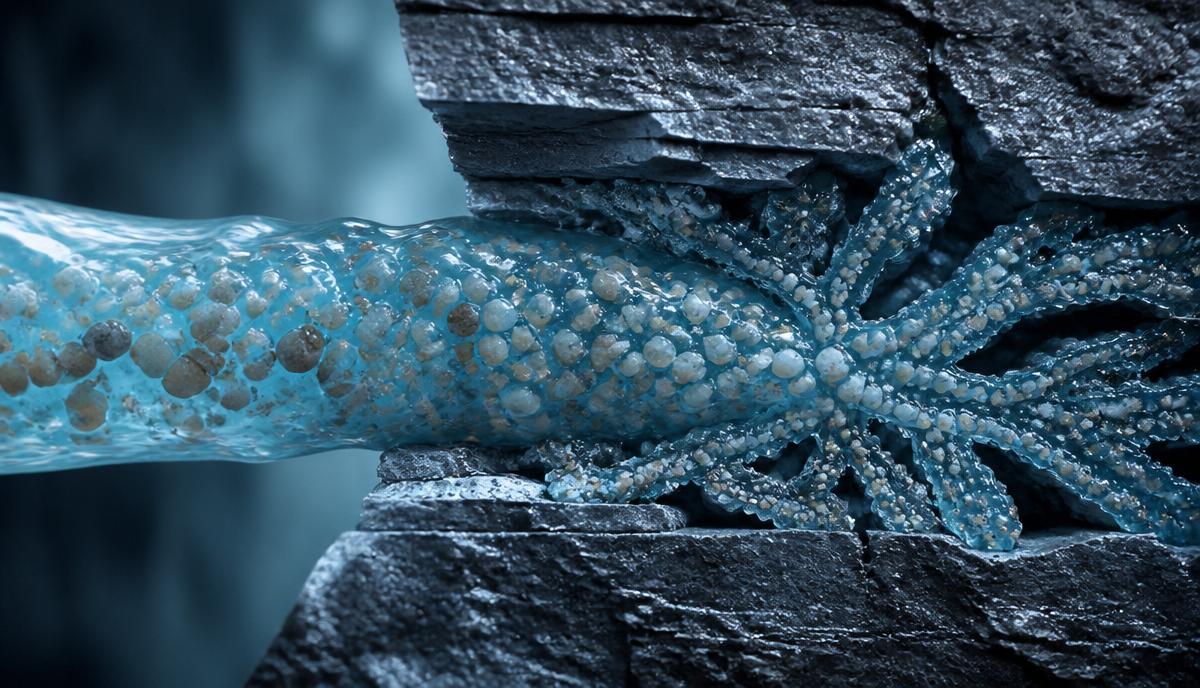 Rapid viscosity build supports even proppant transport into the shale fracture network.
Performance Across Salinity and Temperature
Shale completions increasingly rely on produced and recycled water to reduce freshwater consumption, exposing the fracturing fluid to elevated salinity and hardness. Guar Gum's robust molecular structure allows it to maintain functional viscosity in high total-dissolved-solids environments where some synthetic systems lose performance. For drilling fluid engineers, this brine tolerance is a practical enabler of water-reuse programs that lower disposal costs and environmental impact.
Temperature is the second critical variable. In deeper, hotter shale intervals, engineers frequently upgrade to modified derivatives such as Hydroxypropyl Guar (HPG) and Carboxymethyl Hydroxypropyl Guar (CMHPG), which offer enhanced thermal stability and cleaner breaks. When crosslinked with borate or transition-metal systems, these Guar Gum derivatives form shear-stable gels capable of transporting proppant at bottomhole temperatures well beyond the reach of uncrosslinked linear fluids.
- Brine tolerance: Stable viscosity in high-salinity produced and recycled water supports reuse.
- Derivative flexibility: HPG and CMHPG extend thermal performance for deep, hot intervals.
- Crosslink compatibility: Borate and metal crosslinkers build shear-stable, high-transport gels.
Rheology, Quality Control, and Predictability
Fracturing fluid design is fundamentally a rheological exercise. Guar-based fluids exhibit pseudoplastic, shear-thinning behavior: viscosity falls under the high shear of pumping through perforations and rebuilds in the lower-shear fracture, precisely the profile needed for efficient placement and suspension. Fast-Hydrating Guar Gum makes this behavior reproducible by delivering a consistent yield curve batch after batch.
Predictability depends on rigorous quality control. B.D. Guar tests Brookfield viscosity, particle size distribution, moisture content, and microbiological activity on every batch, issuing a detailed certificate of analysis with each shipment. For engineers modeling friction pressure and proppant schedules, this consistency reduces the risk of surprises mid-stage and supports tighter operational planning across an entire completion campaign.
Clean Break and Formation Protection
Effective fracturing fluid must not only place proppant but also flow back cleanly to avoid damaging formation permeability. Well-refined FHGG is designed for a predictable, controlled break with oxidative or enzymatic breakers, degrading to a near water-like viscosity that supports rapid flowback.
Low-residue performance is central to protecting reservoir productivity. By minimizing insoluble residue left in the proppant pack and pore throats, Superior-grade Guar Gum helps maintain the conductive pathways that ultimately govern well output. B.D. Guar's in-house testing verifies viscosity, particle size, and moisture on every batch, giving engineers consistent, specification-grade material.
Taken together, rapid hydration, dependable rheology, brine and temperature tolerance, and a clean break form a complete performance package for modern shale completions. As operators in 2026 pursue longer laterals, denser fracture stages, and higher water-reuse rates, the ability to build and break fluid on demand becomes a strategic advantage. Fast-Hydrating Guar Gum positions drilling fluid engineers to execute aggressive completion designs without expanding surface infrastructure, aligning technical performance with the cost and sustainability priorities defining the sector.
Key Takeaways
- Rapid hydration: Fast-Hydrating Guar Gum reaches roughly 90% of target viscosity in 3 to 5 minutes.
- Simplified logistics: On-the-fly mixing removes large pre-hydration tanks and reduces wellsite footprint.
- Superior proppant transport: Quick viscosity build keeps proppant suspended for better fracture conductivity.
- Friction reduction: Aligned polymer chains lower hydraulic horsepower and fuel demand.
- Clean break: Controlled degradation and low residue protect formation permeability and flowback.
Frequently Asked Questions
How quickly does Fast-Hydrating Guar Gum reach working viscosity?
Fast-Hydrating Guar Gum is engineered to develop approximately 90% of its target viscosity within 3 to 5 minutes of contact with mix water. This rapid kinetic response is what makes continuous, on-the-fly mixing feasible, allowing the fracturing fluid to build functional viscosity between the blender and the fracture in real time.
Why does on-the-fly mixing matter for shale operations?
On-the-fly mixing eliminates the need to batch-hydrate fluid hours in advance in large surface tanks. This reduces location footprint, water staging, and manpower while adding flexibility to adjust viscosity stage-by-stage. For high-intensity multi-well pads, industry studies indicate this streamlines logistics and reduces non-productive time.
Does Guar Gum damage the formation during flowback?
Well-refined, low-residue Guar Gum is designed to break cleanly with oxidative or enzymatic breakers, degrading to a near water-like viscosity. Minimizing insoluble residue in the proppant pack and pore throats helps preserve formation permeability and supports rapid, effective flowback.
Is Guar Gum an environmentally responsible fracturing additive?
Guar Gum is a natural, biodegradable galactomannan derived from the guar bean, offering an alternative to certain synthetic additives. Its renewable origin and biodegradable profile align with the tightening environmental compliance expectations shaping the 2026 oilfield landscape.
To specify Fast-Hydrating Guar Gum grades engineered for your slickwater and linear-gel systems, explore our oilfield product range, review our quality and testing standards, compare performance in our Guar Gum vs. xanthan gum guide, learn about our sustainable sourcing, and contact the B.D. Guar technical team to optimize your fracturing fluid program.