Direct-to-Farmer Payments: Ethical, Traceable Guar Gum Sourcing
How direct bank payments, transparent pricing, and agronomic support build a fully traceable Guar Gum supply chain across Gujarat and Rajasthan.
Last updated:
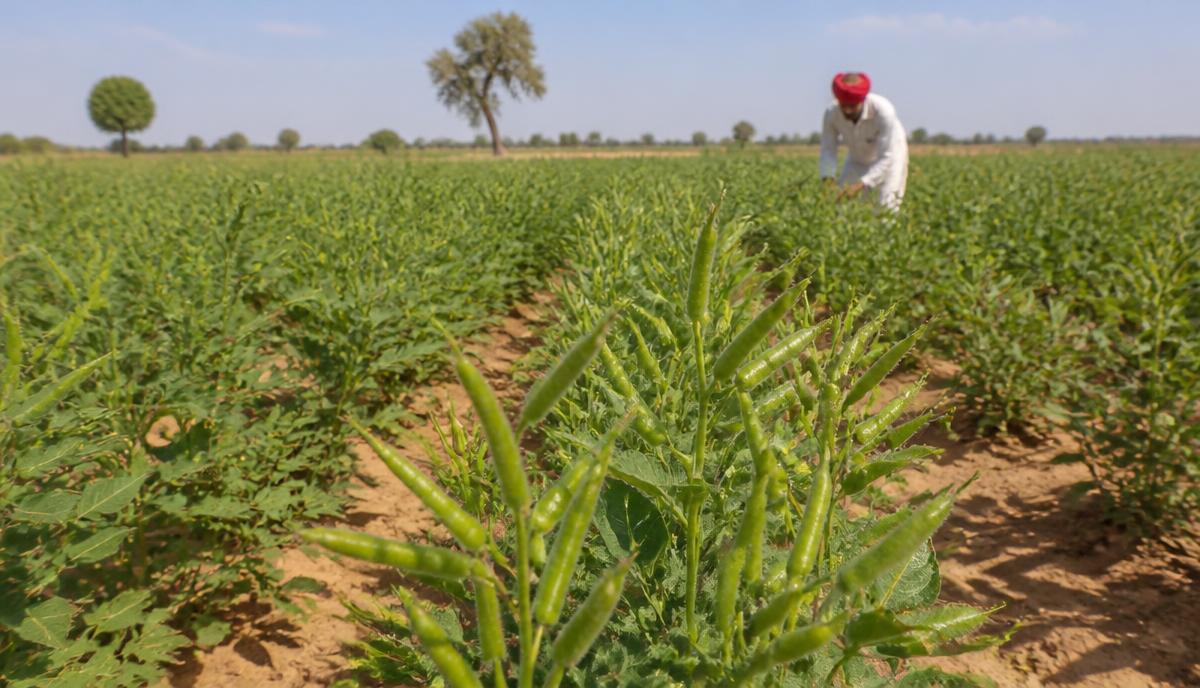
In 2026, sourcing directors are held to a higher standard than ever: buyers, regulators, and downstream brands now expect proof of where an ingredient came from and how the people who grew it were paid. Ethical Guar Gum sourcing has moved from a nice-to-have claim to a documented requirement, particularly as due-diligence rules tighten across the EU and North America. Direct-to-farmer payment models answer that demand at the root of the supply chain, linking every kilogram of Guar Gum back to the arid farms of Rajasthan and Gujarat where the crop begins.
Research Overview
Guar (Cyamopsis tetragonoloba) is cultivated overwhelmingly in northwest India, and the FAO and USDA both document India as the source of the large majority of global production. Industry studies indicate that intermediary-heavy procurement chains erode both farmer income and traceability. A direct payment model shortens that chain, replacing layered commission agents with transparent, auditable transactions between processor and grower.
Why Direct-to-Farmer Payments Matter for Traceability
Traceability fails wherever a transaction goes undocumented. In conventional Guar procurement, seed changes hands through several intermediaries before it reaches a processing facility, and each transfer weakens the audit trail. By paying farming families directly through their own bank accounts, B.D. Guar creates a first-mile record that anchors the entire chain of custody.
That first-mile record is what allows a finished lot of Guar Gum to be tied back to a defined cluster of farms. For sourcing directors preparing supplier declarations, this is the difference between an unverifiable assurance and a documented origin.
- Bank-verified transactions: Payments routed directly to farmer accounts generate a durable, timestamped financial record.
- Cluster-level origin: Seed intake can be associated with specific growing regions rather than an anonymous open market.
- Reduced leakage: Fewer intermediaries means fewer points where provenance data is lost or overwritten.
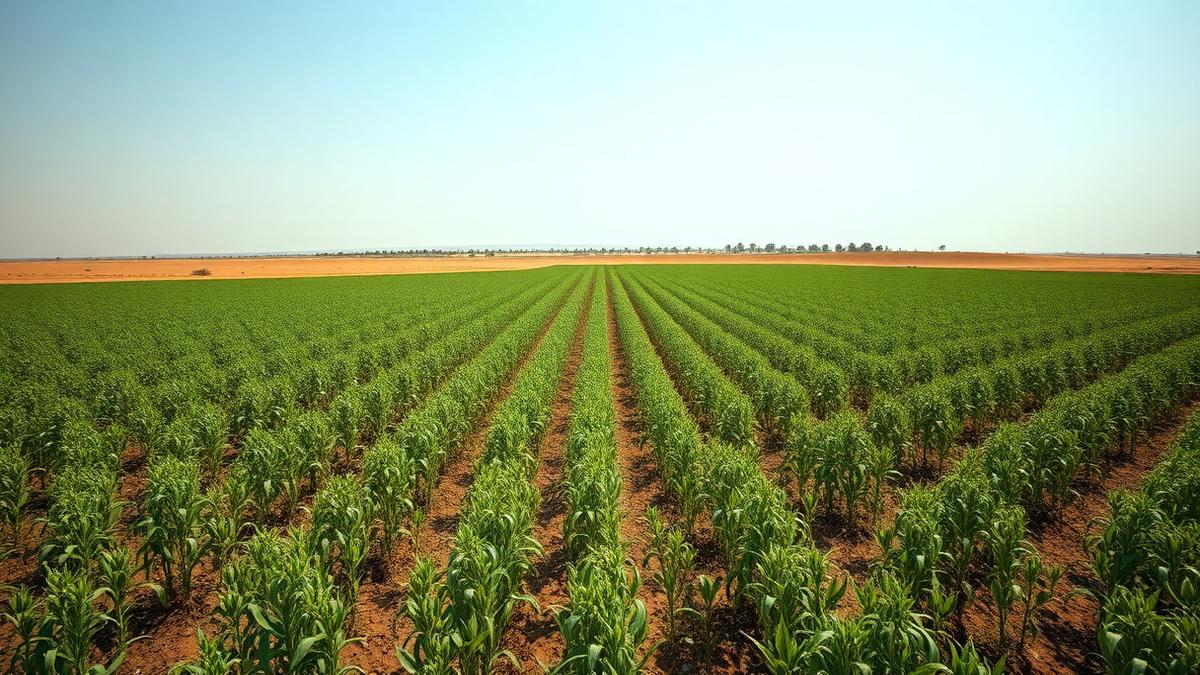
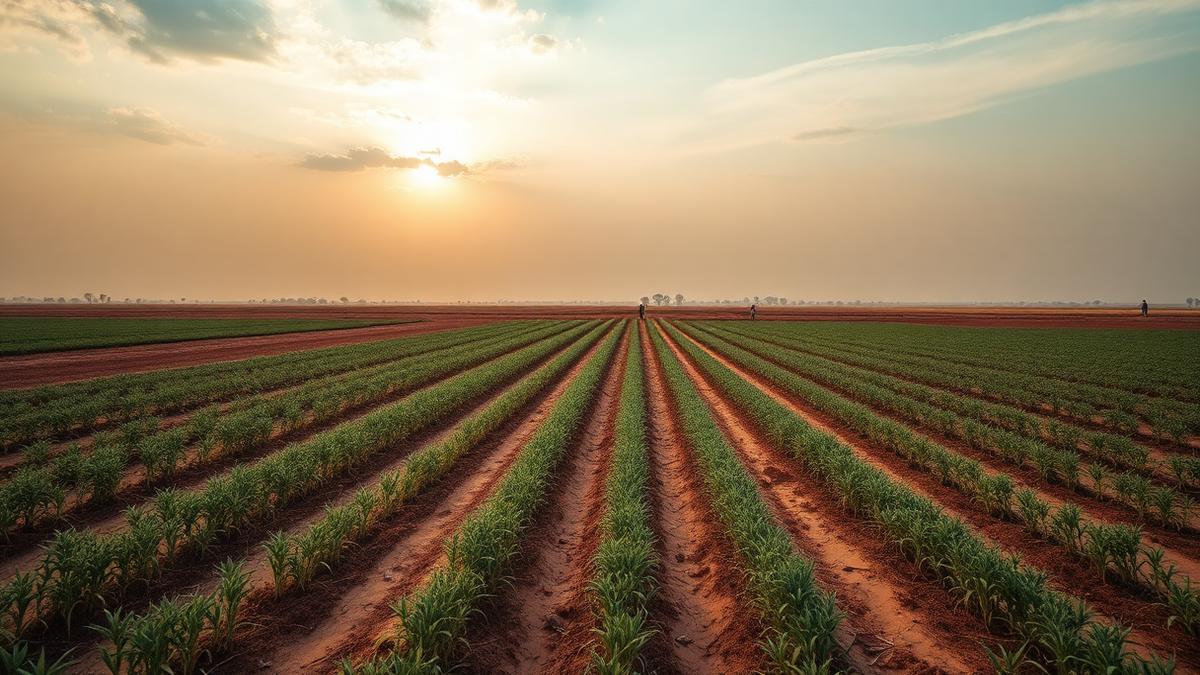
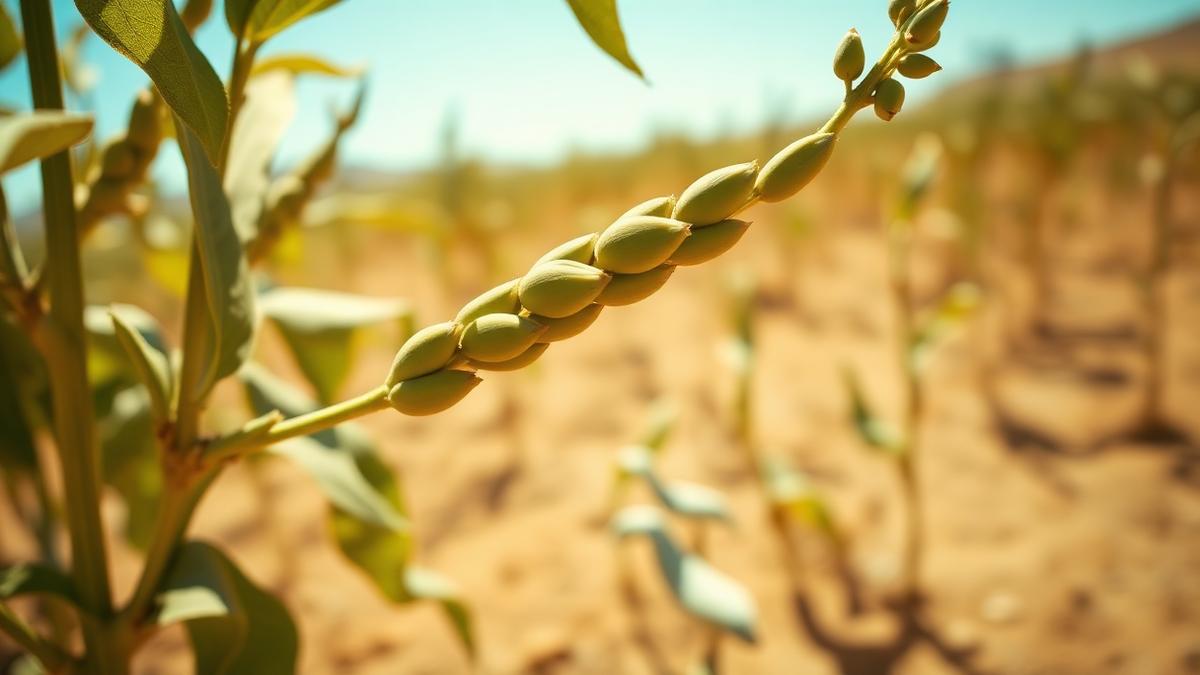 Guar cultivation across the arid belt of Rajasthan and Gujarat anchors a traceable supply chain.
Transparent and Fair Pricing at the Farm Gate
Price opacity is one of the most persistent problems in agricultural commodity sourcing. When growers cannot see the reference price their crop commands, margins are captured by intermediaries rather than reinvested in the farm. Transparent farm-gate pricing corrects this imbalance by communicating clear, current rates directly to farming families.
Fair, transparent pricing is not only an ethical position; it is a supply-security strategy. Growers who receive a dependable, visible price are more likely to continue planting Guar season after season, stabilising raw-material availability for buyers who depend on consistent volumes.
- Visibility: Farmers understand the price basis before they sell, reducing information asymmetry.
- Continuity: Predictable returns encourage repeat cultivation and long-term supply relationships.
- Resilience: A financially healthier farming base is better positioned to weather drought years typical of the arid growing region.
Agronomic Support That Raises Yields and Quality
Ethical sourcing is strongest when it improves the livelihood of the grower rather than simply documenting a transaction. Technical support to farming families, covering seed selection, sowing practice, and post-harvest handling, helps raise both crop yields and seed quality. Higher-quality seed, in turn, supports the consistent galactomannan content that Superior Guar Gum grades depend on.
This creates a shared-value loop: better agronomy lifts farmer income while delivering cleaner, more uniform raw material into the processing line. For buyers, that consistency shows up as tighter viscosity control and fewer batch-to-batch surprises in the finished hydrocolloid.
- Improved seed quality: Better field practice supports higher and more consistent galactomannan yield.
- Higher farm productivity: Agronomic guidance helps growers increase output per acre in a low-water crop.
- Drought resilience: Guar is a naturally drought-tolerant, nitrogen-fixing legume, and sound agronomy maximises that advantage.
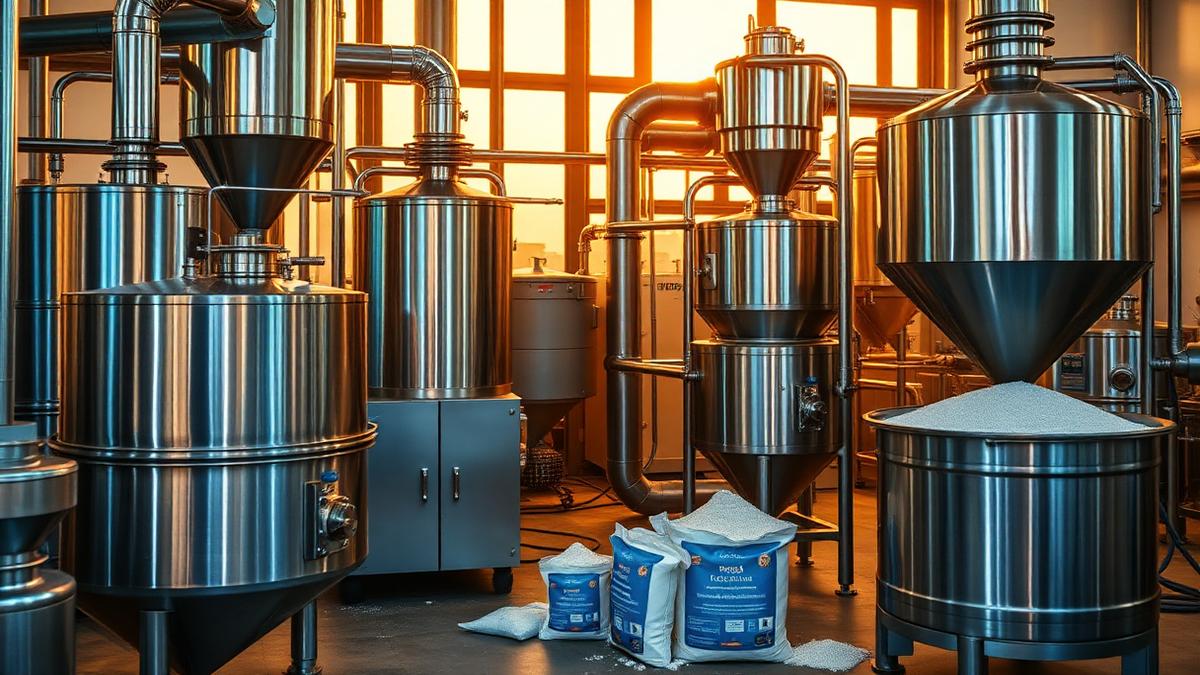
 Direct sourcing feeds a documented chain of custody from farm gate to finished Guar Gum.
Building an Auditable, ESG-Aligned Supply Chain
Corporate sustainability teams increasingly need supplier relationships that can survive an audit. A direct-to-farmer model supplies the documentation backbone that ESG reporting frameworks call for: verifiable payments, defined origin, and evidence of positive social impact at the community level.
Combined with B.D. Guar's broader sustainability practices, including full utilisation of the Guar bean, direct sourcing lets buyers position their finished products on a credible ethical and traceable foundation rather than an unsupported marketing claim. Explore the full range of grades on the products page, review testing practices on the quality page, and read more about the company's approach on the sustainability page.
Key Takeaways
- Direct payments anchor traceability: Bank-verified, first-mile transactions tie finished Guar Gum back to defined growing clusters in Rajasthan and Gujarat.
- Transparent pricing secures supply: Visible, fair farm-gate rates keep growers planting and stabilise raw-material availability.
- Agronomic support lifts quality: Technical guidance raises yields and improves the seed consistency behind Superior Guar Gum grades.
- ESG documentation is built in: Verifiable payments and defined origin give sourcing teams audit-ready evidence.
- Shared value is the outcome: Healthier farming communities and more consistent supply reinforce one another.
Frequently Asked Questions
How do direct-to-farmer payments improve Guar Gum traceability?
By paying growers directly through their own bank accounts, the model creates a timestamped financial record at the first mile of the supply chain. This removes layers of intermediaries where provenance data is typically lost, allowing a finished lot of Guar Gum to be associated with specific growing regions rather than an anonymous open market.
Where is B.D. Guar's Guar sourced?
Guar is grown predominantly in the arid northwest of India, and B.D. Guar sources from farming families across Rajasthan and Gujarat. This region provides direct access to high-quality Cyamopsis tetragonoloba seed and supports stable, long-term supply relationships.
Why does fair pricing matter for supply security?
Transparent, fair farm-gate pricing gives growers a dependable return, which encourages them to continue cultivating Guar season after season. Industry studies indicate that stable grower economics translate into more reliable raw-material availability, protecting buyers from volatility in a crop grown in drought-prone regions.
Does ethical sourcing affect Guar Gum quality?
Yes. Agronomic support tied to direct sourcing improves seed selection and post-harvest handling, which raises galactomannan consistency. That consistency supports tighter viscosity control in the finished hydrocolloid, benefiting formulators who depend on batch-to-batch reliability.
To build your finished products on a fully traceable, ethically sourced Guar Gum supply chain, contact the B.D. Guar team to discuss origin documentation and grade selection.