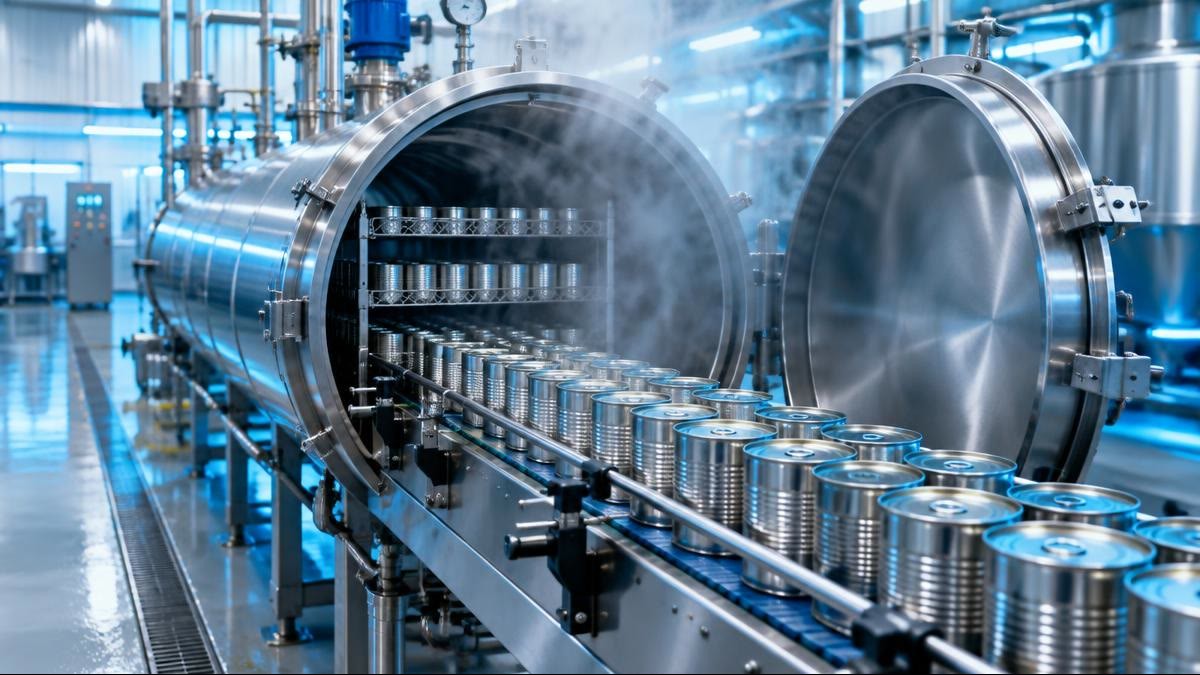
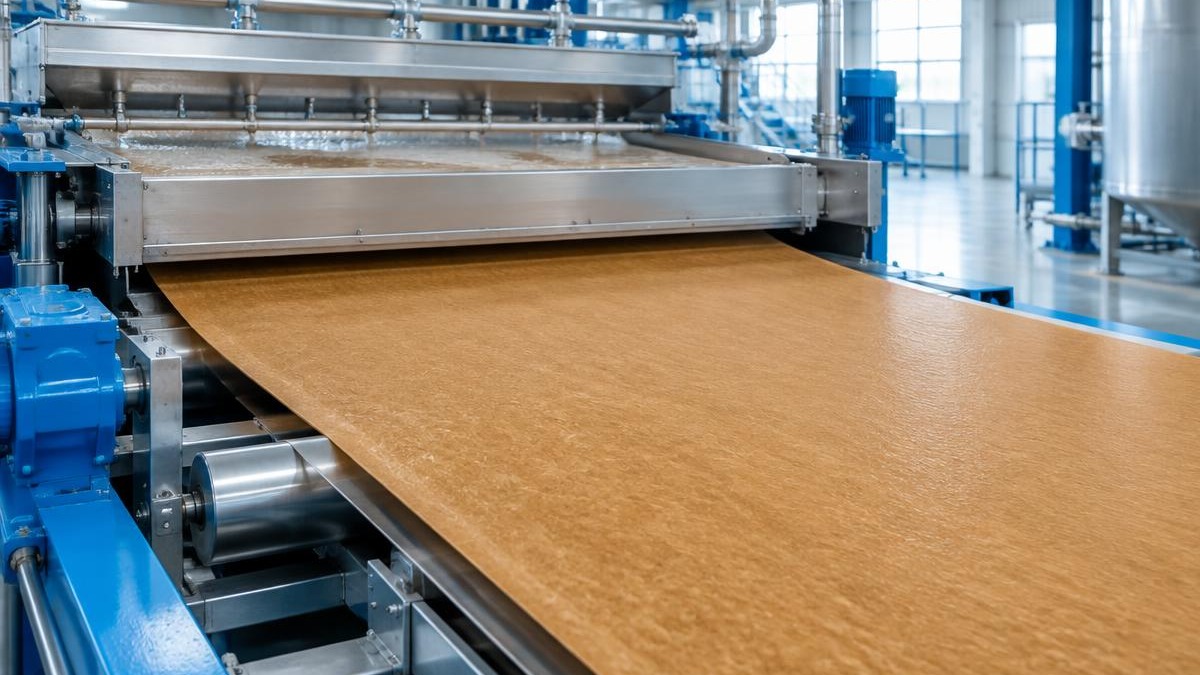
CMHPG: The Superior Low-Damage Guar Polymer for Fracturing
Discover how Carboxymethyl Hydroxypropyl Guar (CMHPG) delivers HPHT thermal stability, zirconium crosslinking, and ultra-low residue for cleaner, higher-yield fracturing.
Last updated:
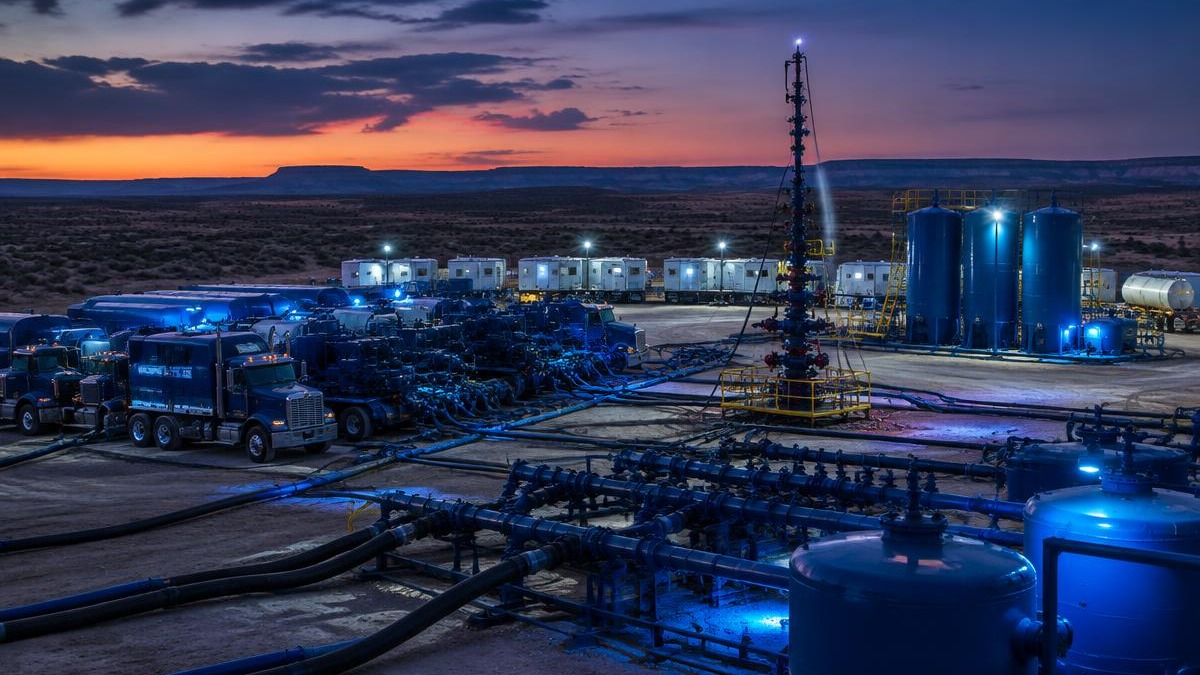
In the highly demanding 2026 global oilfield market, securing Carboxymethyl Hydroxypropyl Guar (CMHPG) as a low-damage fracturing fluid viscosifier has become an essential technical priority for oilfield service companies. As hydraulic fracturing operations expand into deep, high-pressure high-temperature (HPHT) shale reservoirs, conventional polymers suffer from thermal degradation and proppant pack impairment. By double-derivatizing natural Guar Gum through carboxymethylation and hydroxypropylation, CMHPG delivers unmatched thermal endurance, seamless compatibility with zirconium crosslinkers, and minimal insoluble residue, protecting formation permeability and maximizing long-term well productivity.
Research Overview: The HPHT Rheology and Formation Damage Challenge
The global unconventional energy sector in 2026 is characterized by deeper horizontal wellbores, extended lateral lengths exceeding 15,000 feet, and intensive multi-stage fracturing treatments requiring up to 100 stages per well. According to market analyses published by IMARC, global demand for high-performance fracturing fluid additives continues to grow as operators seek to maximize estimated ultimate recovery (EUR) from tight gas and shale oil formations. At the core of high-temperature hydraulic fracturing is the requirement for a viscosifier that can maintain adequate proppant carrying capacity during placement while degrading completely upon treatment completion without damaging the microscopic pore throats of the hydrocarbon-bearing formation.
Historically, native Guar Gum and single-derivatized polymers like Hydroxypropyl Guar (HPG) provided effective fluid viscosity for standard temperature regimes. However, in extreme HPHT environments where bottomhole temperatures exceed 250°F to 350°F (121°C to 177°C), unmodified galactomannan backbones undergo accelerated acid-catalyzed thermal hydrolysis, causing rapid viscosity collapse prior to complete proppant placement. Furthermore, native Guar Gum splits contain approximately 8% to 12% insoluble plant protein and insoluble cell wall residue, which deposits within the proppant pack and reduces regain formation permeability. To overcome these dual challenges, chemical formulators engineered CMHPG, a Superior anionic and non-ionic dual-derivative polysaccharide that combines exceptional thermal stability with clean enzymatic degradation.
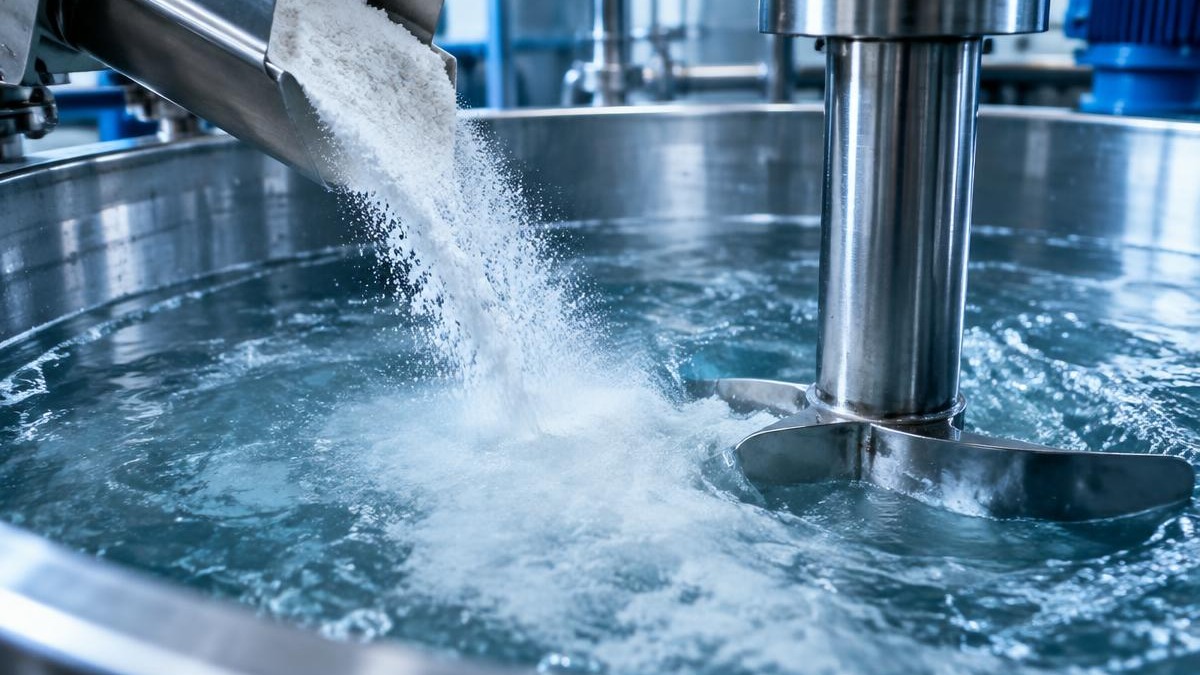 High-purity CMHPG viscosifiers engineered for deep HPHT shale stimulation in 2026 completion campaigns.
Macromolecular Chemistry and Dual-Derivatization Dynamics
The performance of CMHPG relies on the precise chemical modification of the natural galactomannan polymer chain. Research published in Carbohydrate Polymers details the structure of native Guar Gum: a linear backbone of beta-1,4-linked D-mannopyranose units with pendant alpha-1,6-linked D-galactopyranose side branches occurring at a 2:1 ratio. CMHPG is synthesized through a multi-step etherification process that introduces two distinct functional groups onto the hydroxyl sites of the sugar rings. B.D. Guar's technical grades are detailed across our product range.
- Hydroxypropylation for thermal and steric stability: Propylene oxide is reacted with the galactomannan backbone to introduce non-ionic hydroxypropyl groups. This increases the hydrophilic nature of the polymer, accelerates hydration kinetics in cold water, and sterically protects the glycosidic linkages against thermal hydrolysis under extreme HPHT downhole conditions.
- Carboxymethylation for anionic crosslinking: Sodium monochloroacetate is introduced under alkaline conditions to attach anionic carboxymethyl groups (-CH2COO-). These carboxylate sites provide specific, highly reactive coordination centers for transition-metal crosslinkers, enabling dense, three-dimensional viscoelastic gel networks at controlled pH.
- Minimal insoluble residue profile: While native Guar Gum leaves 8% to 12% insoluble residue upon gel cleavage, high-purity CMHPG yields less than 1.5% to 2.0% insoluble solids, preventing pore throat plugging and eliminating filter cake buildup in low-permeability matrix rocks.
- Controlled molecular weight retention: Low-shear cryogenic milling during raw material preparation keeps the galactomannan backbone (exceeding 2 million Daltons) fully intact, maximizing baseline linear viscosity and reducing total polymer loading per barrel.
High-Temperature Transition-Metal Crosslinking Mechanisms
To carry dense ceramic proppants thousands of feet laterally into tight shale fractures, linear CMHPG solutions must be crosslinked into high-strength, shear-recovering hydrogels. Unlike single-derivatized HPG, which relies primarily on borate crosslinking at high pH, CMHPG is specifically engineered for transition-metal crosslinking complexes. A side-by-side view of derivative grades is available on our comparison page.
- Zirconium complex coordination: As documented in SPE Journal, organo-zirconium complexes such as zirconium lactate, zirconium triethanolamine, and zirconium acetylacetonate form strong coordinate covalent bonds with the carboxymethyl and hydroxyl functional groups of CMHPG, creating a stable gel matrix across pH 8.5 to 10.5 that withstands temperatures up to 350°F (177°C) and higher.
- Titanium and transition-metal synergies: In specialized acid stimulation and high-salinity applications, titanium chelates and mixed transition-metal crosslinkers interact with the carboxylate sites, exhibiting exceptional shear-rehealing capabilities that recover structure instantly after passing through high-shear perforation nozzles.
- Delayed crosslinking control: Organic hydroxycarboxylic acids temporarily chelate the zirconium ions, delaying the crosslinking reaction by several minutes so the linear fluid can be pumped with minimal friction pressure before converting into a high-viscosity proppant-carrying gel downhole.
- High-salinity brine compatibility: Industry studies indicate that CMHPG maintains robust crosslinking efficacy in high-total-dissolved-solids produced water and heavy completion brines, including sodium chloride, potassium chloride, and calcium bromide systems, reducing reliance on scarce fresh water.
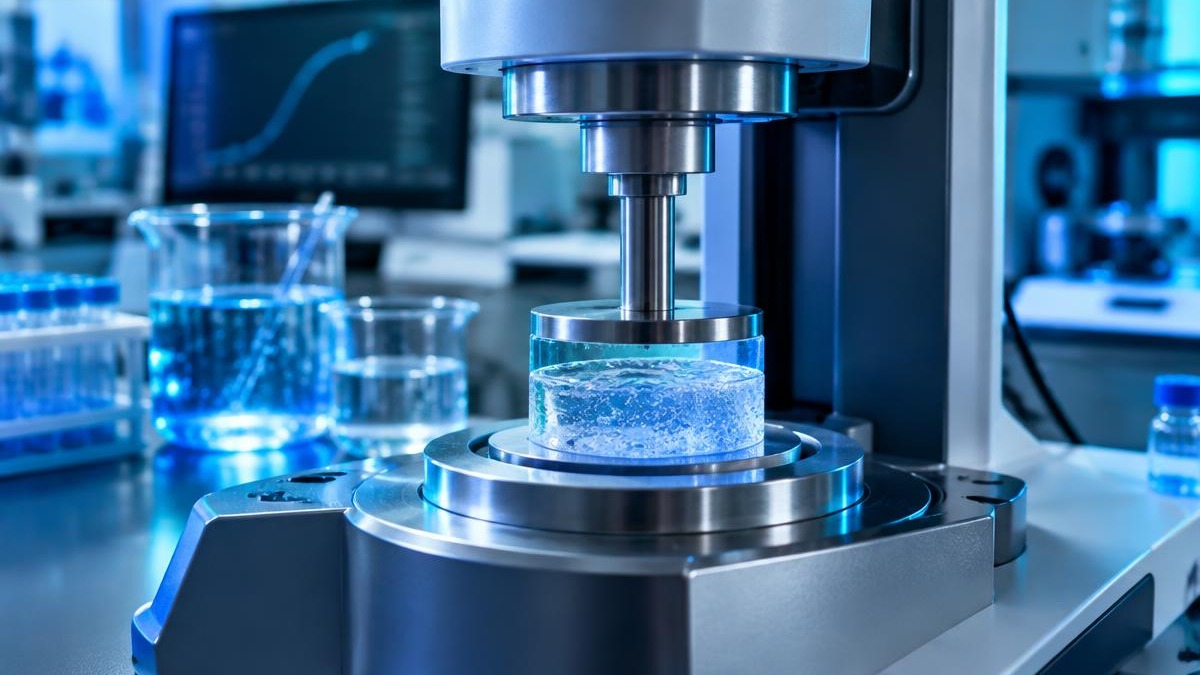 Zirconium-crosslinked CMHPG hydrogels maintain proppant transport at bottomhole temperatures above 350°F.
Resisting Thermal Degradation and Protecting Regain Permeability
The ultimate commercial value of a fracturing fluid is measured by its ability to maintain proppant transport downhole and subsequently break down cleanly to restore matrix permeability. CMHPG excels in both stages of the stimulation lifecycle, a performance backed by B.D. Guar's batch quality assurance.
- Thermal stabilization systems: To prevent radical-induced scission above 250°F, CMHPG gels are formulated with oxygen scavengers and thermal stabilizers such as sodium thiosulfate, neutralizing free radicals and extending functional fluid half-life during prolonged injection schedules.
- Clean oxidative and enzymatic gel breaking: CMHPG is highly responsive to encapsulated ammonium persulfate oxidizers and high-temperature hemicellulase enzymes, which cleave the beta-1,4-glycosidic bonds and break the polymer into soluble monosaccharide units at less than 5 cP.
- Preserving formation permeability: Because CMHPG produces minimal insoluble residue, laboratory core-flood testing published in oilfield literature demonstrates regain permeability values exceeding 85% to 90%, compared to less than 60% for unrefined native Guar Gum systems.
- Minimizing fluid loss damage: The controlled viscoelastic structure forms a thin, easily cleanable temporary filter cake on the fracture wall, restricting leak-off, preserving reservoir pressure, and preventing clay swelling or water blocking in sensitive shale zones.
Economic Value and Operational Best Practices in 2026 Well Completions
Deploying CMHPG in commercial hydraulic fracturing treatments delivers quantifiable financial and operational advantages for oilfield service companies navigating the 2026 energy landscape.
- Optimizing total polymer loading: High crosslinking efficiency lets service companies hit target downhole viscosities at 25 to 30 pounds per thousand gallons, versus 40 to 50 pounds for conventional linear systems, significantly lowering chemical supply costs per stage.
- Reducing hydraulic horsepower demands: In its linear state, CMHPG exhibits strong pseudoplastic shear-thinning behavior, acting as an effective friction reducer that lowers surface pumping pressure, reduces pump wear, and cuts fuel consumption.
- Streamlined well flow recovery: Rapid, complete gel breaking accelerates well cleanup, bringing new wells into commercial production ahead of schedule and improving cash flow timelines.
- Environmental and regulatory compliance: As a naturally derived, biodegradable biopolymer, CMHPG aligns with standards referenced by the FAO, USDA, and EFSA and supports corporate ESG mandates, consistent with our sustainability commitments.
Key Takeaways
- Superior dual-derivatization: CMHPG combines non-ionic hydroxypropyl groups for thermal endurance with anionic carboxymethyl groups for high-efficiency transition-metal crosslinking.
- Ultra-low residue profile: High-purity CMHPG yields less than 1.5% to 2.0% insoluble solids upon gel breaking, versus 8% to 12% for native Guar Gum, preserving regain permeability above 85% to 90%.
- Robust HPHT crosslinking: Forms high-strength, shear-recovering hydrogels with organo-zirconium complexes that maintain proppant transport at bottomhole temperatures exceeding 350°F (177°C).
- High-salinity brine tolerance: Maintains hydration kinetics and crosslinking performance in high-TDS produced water and heavy completion brines, supporting water reuse in arid basins.
- Reduced polymer loading: High crosslink density enables lower polymer loading per stage, reducing raw material costs and surface pumping pressure requirements.
Frequently Asked Questions
What is the main chemical difference between HPG and CMHPG?
Hydroxypropyl Guar (HPG) is a single-derivative polymer modified with non-ionic hydroxypropyl groups, making it ideal for high-temperature borate-crosslinked systems. CMHPG is a dual-derivative containing both hydroxypropyl groups and anionic carboxymethyl groups. The carboxymethyl groups allow CMHPG to form coordinate covalent bonds with transition-metal crosslinkers like zirconium and titanium, providing superior thermal stability and acid resistance in extreme HPHT environments.
How does CMHPG protect formation permeability during fracturing?
Native Guar Gum contains natural cell wall proteins that leave up to 12% insoluble residue after the gel breaks, which can clog the microscopic pore spaces of reservoir rock. CMHPG undergoes specialized processing that reduces insoluble residue to less than 2%. When treatment finishes, oxidative or enzymatic breakers reduce the gel to a water-thin liquid with zero solid debris, ensuring clean flowback and preserving over 85% of original rock permeability.
Can CMHPG be mixed directly with produced water or high-salinity brines?
Yes. CMHPG is highly tolerant of monovalent and divalent salts, including sodium, potassium, calcium, and magnesium ions. Its dual-derivatized structure prevents polymer coil collapse and maintains hydration kinetics in high-TDS produced water and heavy completion brines, allowing service companies to reuse flowback water directly on site and reduce freshwater procurement costs.
What crosslinkers work best with CMHPG at temperatures above 300°F?
Organo-zirconium complexes such as zirconium lactate or zirconium triethanolamine are the preferred crosslinkers for CMHPG in high-temperature applications. Combined with delayed crosslinking additives and thermal oxygen scavengers, zirconium-crosslinked CMHPG hydrogels maintain stable viscosity and excellent proppant transport at downhole temperatures reaching 350°F (177°C) and above.
To optimize high-temperature stimulation treatments, protect reservoir permeability, and secure Superior polymer performance for 2026 well completion campaigns, partner with the global hydrocolloid experts. B.D. Guar Pvt. Ltd. provides high-purity, expertly derivatized Carboxymethyl Hydroxypropyl Guar (CMHPG) engineered for extreme HPHT stability, ultra-low insoluble residue, and flawless zirconium crosslinking. Contact our technical oilfield division today to request product specifications, laboratory samples, and custom formulation support for global operations.