The Impact of Climate Change on Guar Seed Yields in India and Pakistan
Climate volatility across India and Pakistan sent early-2026 guar seed arrivals plunging to 20,000-25,000 bags. Here is what it means for Guar Gum procurement.
Last updated:
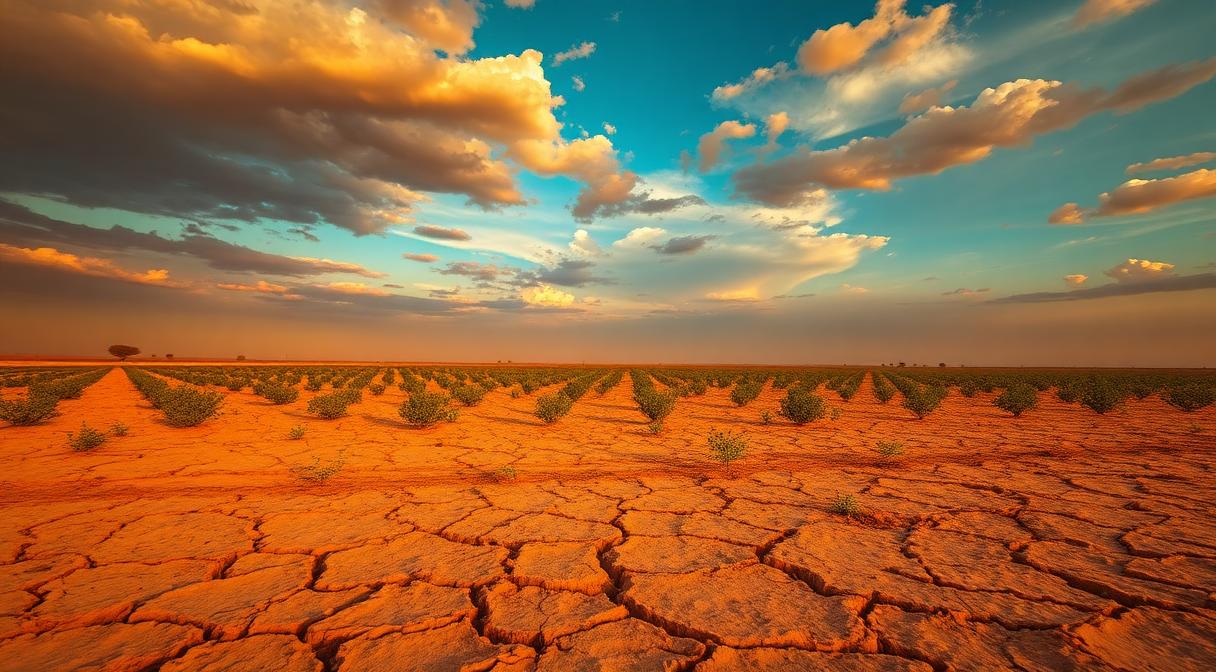
The impact of climate change on Guar Seed yields in India and Pakistan has become a defining concern for the 2026 hydrocolloid market. Because the vast majority of the world's supply originates from the semi-arid regions of Northwest India and Pakistan, extreme weather directly dictates the availability of this critical raw material. As temperature fluctuations and erratic monsoons disrupt traditional harvest cycles, procurement officers must strategically adapt to secure reliable Guar Gum for their industrial and food applications.
Research Overview: The Agricultural Foundation of Global Hydrocolloids
The global supply chain for natural hydrocolloids is experiencing a period of unprecedented vulnerability in 2026. At the center of this dynamic is Guar Gum, a highly functional galactomannan polysaccharide extracted from the endosperm of the Cyamopsis tetragonoloba legume. Renowned for its exceptional thickening, stabilizing, and water-binding properties, Guar Gum is an indispensable raw material for industries ranging from food and beverage manufacturing to pharmaceutical formulation and hydraulic fracturing in the oil and gas sector. Unlike synthetic polymers manufactured in controlled laboratory environments, the production of Guar Gum is entirely dependent on the biological yield of an annual agricultural crop.
This agricultural dependency creates a profound structural risk for the global market. Industry studies indicate that cultivation of the guar plant is intensely geographically concentrated, with India accounting for approximately 80% to 90% of the world's total production, and neighboring Pakistan contributing an additional 10% to 15%. Within India, production is further localized to the arid and semi-arid regions of Rajasthan, Gujarat, and Haryana, with Rajasthan alone accounting for nearly 80% of India's total guar acreage, reported at approximately 3.15 million hectares during recent sowing seasons. Because the majority of this acreage relies on seasonal rainfall rather than advanced irrigation, the global supply of Guar Gum is inextricably linked to the performance of the Southwest Monsoon. For procurement teams, understanding these meteorological disruptions has shifted from passive observation to a critical component of strategic risk management.
Analyzing the 2025-2026 Crop Cycle and Weather Extremes
The 2025-2026 guar crop cycle serves as a definitive case study in how climate change directly disrupts the hydrocolloid supply chain. Procurement officers must carefully analyze the sequence of meteorological events that led to the current market tightening.
- Monsoon deficits and delayed sowing: The guar crop is traditionally sown during the Kharif season, between late June and early August, timed to coincide with the monsoon. The India Meteorological Department (IMD) projected a below-normal southwest monsoon, with rainfall estimated at just 92% of the Long Period Average (LPA), attributed to the transition from La Nina-like conditions toward El Nino. This moisture deficit forced many farmers to delay sowing, truncating the optimal growing window and reducing overall acreage planted.
- Unseasonal cold fronts: Following the delayed monsoon, maturing crops were subjected to unseasonal temperature drops during the critical harvesting and drying phases. Native guar plants require abundant sunshine and warmth to properly dry the pods; the unexpected cold weather in late 2025 and early 2026 hampered this process, leading to higher moisture retention and delayed endosperm separation.
- Drastic reduction in daily arrivals: The culmination of these anomalies created a severe bottleneck at the primary trading markets (mandis). In early 2026, daily arrivals of guar seed were estimated at a mere 20,000 to 25,000 bags, a significant decline compared to previous years, immediately triggering supply anxieties among industrial processors and exporters.
- Farmer retention strategies: Because guar seeds have a long shelf life and do not degrade quickly under normal storage, farmers who successfully harvested opted to hold back inventory in anticipation of higher prices, further restricting the immediate availability of raw material.
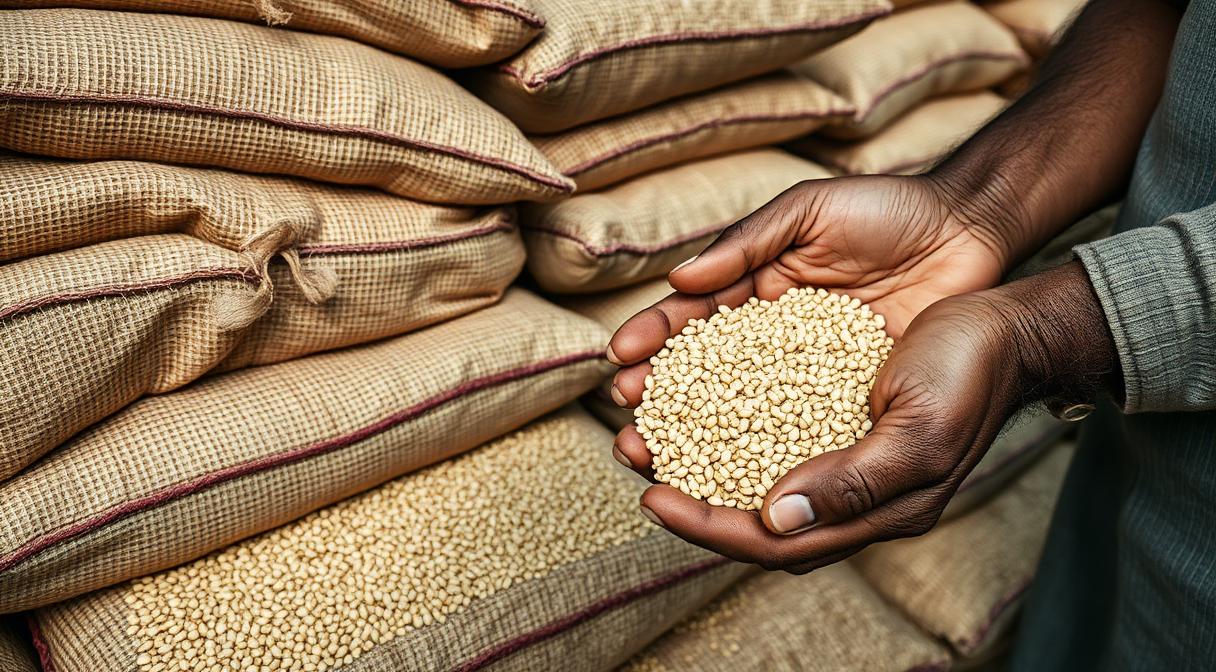 Reduced guar seed arrivals at Indian trading mandis tightened raw material availability in early 2026.
Thermodynamic Stress and Biological Yield Variability
To fully grasp the magnitude of the agricultural risk, it is necessary to examine the precise agronomic requirements of the Cyamopsis tetragonoloba plant and how climate change induces biological stress that diminishes both the volume and quality of the Guar Gum extracted.
- Narrow moisture thresholds: While celebrated for its drought resistance, the guar plant still requires roughly 203 mm to 254 mm of water distributed evenly across its growing season. Below this threshold, the plant limits pod production; sudden intense late-season downpours can cause mature seeds to darken, rot, or prematurely germinate, drastically reducing yield and degrading the Superior color and hydration properties of the gum.
- Temperature constraints on polymer development: Synthesis of the high-molecular-weight galactomannan polymer is highly temperature-sensitive. Research published in Carbohydrate Polymers suggests optimum temperatures are strictly defined, approximately 34C for vegetative growth and 25C for reproductive growth and seed maturation. The extreme fluctuations of the 2025-2026 cycle breached these parameters.
- Massive yield fluctuations: Because the crop is fundamentally exposed to the elements, biological output is inherently unstable. Data published by agricultural bodies indicates guar bean yields can vary by as much as 300% year to year depending on rainfall distribution and temperature stability, a catastrophic forecasting challenge for an industry demanding hundreds of thousands of metric tons annually.
- Impact on molecular architecture: Seeds suffering severe drought or cold stress present as shriveled and immature. When milled, the resulting powder exhibits a lower average molecular weight and altered mannose-to-galactose branching ratio, reducing the polymer's ability to build viscosity and forcing buyers to purchase higher volumes to achieve the same thickening power. A deeper comparison of functional performance is available in our Guar Gum versus xanthan gum analysis.
Price Volatility and Procurement Risks in the Global Market
The physical shortages and biological degradation caused by climate change inevitably translate into severe economic volatility. For procurement officers managing budgets in 2026, the intersection of constrained supply and surging global demand creates a highly complex pricing environment.
- Inelasticity of industrial demand: Global demand for Guar Gum remains robust and largely inelastic. In the energy sector, Guar Gum is the leading viscosifier for hydraulic fracturing fluids, while the food industry's pivot toward clean-label, vegan, and gluten-free formulations drives massive demand for natural thickeners. With Indian exports reaching over 475,000 metric tons in the 2025-2026 financial year, competition between energy and food sectors ensures any supply drop triggers aggressive price bidding.
- Spot market spikes and speculation: With daily arrivals plummeting to 20,000-25,000 bags, the spot market for raw guar splits experienced immediate upward pressure, frequently exacerbated by speculative trading on commodity exchanges such as the NCDEX. Buyers reliant on spot purchasing are fully exposed to these climate-driven financial shocks.
- Cost of supply chain disruptions: Food manufacturers risk production line stoppages without required stabilizers, and oilfield service companies face operational delays. Substituting Guar Gum with synthetic alternatives such as polyacrylamides, or other natural gums such as locust bean gum, is often prohibitive, requiring extensive reformulation and regulatory re-approval from bodies such as EFSA or the FDA.
- Erosion of manufacturing margins: As raw material costs inflate due to climate scarcity, processors pass expenses down the value chain. End-use manufacturers on tight retail margins absorbing a 30% to 50% increase in a primary stabilizer see profitability directly eroded.
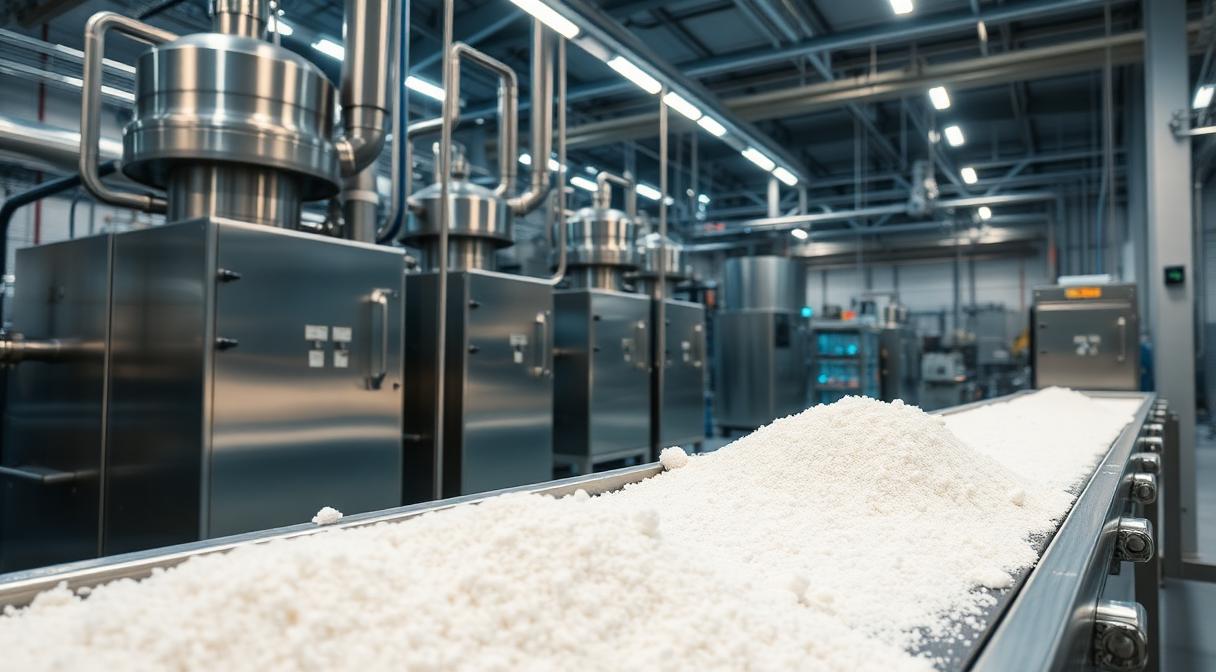 Superior modified derivatives and inventory buffering help processors offset climate-driven price volatility.
Strategic Mitigation: Securing Supply in a Volatile Climate
To protect their organizations from the agricultural risks inherent to the 2026 Guar Gum market, elite procurement officers are implementing multi-tiered risk mitigation strategies, moving away from reactive spot purchasing toward structural supply chain resilience.
- Prioritize irrigated cultivation sources: Industry studies indicate irrigated guar crops can yield approximately 320 kg per hectare, nearly double rain-fed plots, and are significantly insulated against monsoon failures. Partnering with suppliers who maintain strong contract-farming networks in irrigated zones across Gujarat, Punjab, and Haryana ensures a stable baseline regardless of weather anomalies.
- Execute forward contracts and buffer stocking: Locking in volume and pricing prior to the monsoon hedges against weather-induced volatility. Because Superior-grade Guar Gum powder remains highly stable in moisture-proof packaging, maintaining a strategic 60-to-90-day inventory buffer is a critical defense against sudden disruptions.
- Utilize advanced modified derivatives: Transitioning to chemically modified Superior-grade derivatives such as Hydroxypropyl Guar (HPG) or Carboxymethyl Guar (CMG) achieves higher yield stress and stability at significantly lower inclusion rates, directly reducing exposure to agricultural price shocks. Explore the full range on our products page.
- Adopt synergistic hydrocolloid blending: Combining Guar Gum with secondary stabilizers such as xanthan gum produces a structural network far stronger than either alone, allowing lower total Guar Gum concentration per recipe and buffering formulations against raw material scarcity.
Key Takeaways
- Geographic vulnerability: The global supply of Guar Gum is critically concentrated in India and Pakistan, making the entire hydrocolloid market highly vulnerable to localized climate change and erratic monsoon patterns.
- 2026 arrival deficits: Delayed monsoons followed by unseasonal cold weather disrupted the 2025-2026 crop cycle, causing early 2026 daily arrivals to plummet to just 20,000-25,000 bags.
- Biological sensitivity: The guar plant requires strict thermodynamic parameters (25C to 34C and precise rainfall); climate deviations can cause yields to fluctuate by up to 300%.
- Inelastic demand pressures: Massive, inelastic demand from both hydraulic fracturing and clean-label food continues to drive aggressive competition and price volatility for available guar stocks.
- Strategic procurement responses: Buyers must transition to long-term forward contracts, source from reliable irrigated networks, and utilize Superior modified derivatives to lower overall consumption volumes.
Frequently Asked Questions
Why did daily arrivals of guar seed drop so significantly in early 2026?
The drop to 20,000-25,000 bags was driven by a combination of climate factors. A delayed monsoon reduced planting acreage, while unexpected cold weather during harvest prevented pods from drying properly. Additionally, farmers held onto limited successfully harvested stocks in anticipation of higher prices, artificially restricting immediate physical supply.
How does climate change directly affect the quality of Guar Gum?
The guar plant synthesizes its galactomannan polymer under specific temperature and moisture conditions. When subjected to extreme heat, drought, or unseasonal cold, the plant produces shriveled, immature seeds. When processed, these stressed seeds yield a Guar Gum powder with a lower molecular weight, significantly reducing its ability to build high viscosity in industrial and food applications. Our quality assurance protocols screen for these variations.
Why is the global market so dependent on the weather in Northwest India?
The arid and semi-arid regions of Rajasthan, Gujarat, and Haryana account for approximately 80% of the world's total guar seed production. Because the majority of this acreage relies entirely on seasonal monsoon rains rather than artificial irrigation, any meteorological disruption in this specific geographic pocket immediately impacts the global supply chain.
How can procurement officers protect their supply chains from this volatility?
Procurement officers can mitigate risk by executing long-term forward contracts prior to the monsoon season to lock in pricing. They can also reduce total volume dependency by reformulating products to utilize Superior modified Guar Gum derivatives or synergistic blends such as guar and xanthan, which deliver higher functional performance at significantly lower dosage rates.
To secure a highly stable, resilient supply of natural hydrocolloids in an increasingly volatile global climate, partner with the industry leaders in agricultural procurement and polymer processing. B.D. Guar Pvt. Ltd. leverages deep, multi-generational relationships with irrigated cultivation networks to ensure uninterrupted access to Superior raw materials. Contact B.D. Guar Pvt. Ltd. today to discover how our expertly milled, Superior-grade Guar Gum derivatives can safeguard your manufacturing operations and optimize your long-term procurement strategy.