3D Food Printing: Utilizing Hydrocolloids for Precision Rheology and Texture
Explore how hydrocolloids like guar gum and κ-carrageenan enable 3D food printing through precision rheology — from yield stress and thixotropic recovery to personalized nutrition and clinical applications.
Last updated:
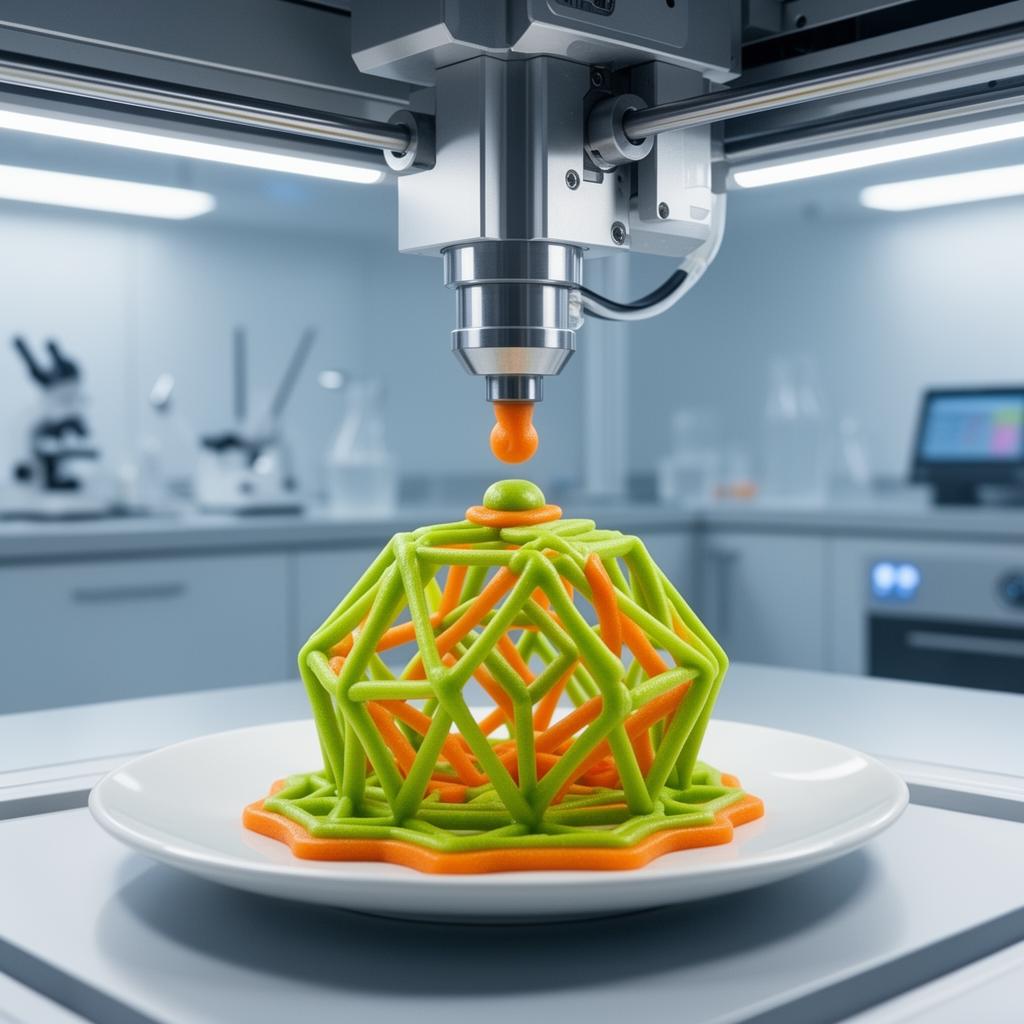
Three-dimensional (3D) food printing is rapidly moving from the realm of science fiction into the practical realities of personalized nutrition and avant-garde culinary arts. But unlike printing with plastics or metals, printing with food requires mastering a highly delicate balancing act of chemistry and physics. At the heart of this innovation are the "inks" — edible materials that must transition seamlessly from a fluid state during extrusion to a perfectly stable solid immediately after deposition.
The secret ingredient making this morphological magic possible? Hydrocolloids.
Here is a deep dive into the functional core of printable gels, exploring the essential "composition–rheology–geometry" relationship that defines the operational windows for extrusion-based food printing.
The Anatomy of a Food Ink: Why Hydrocolloids?
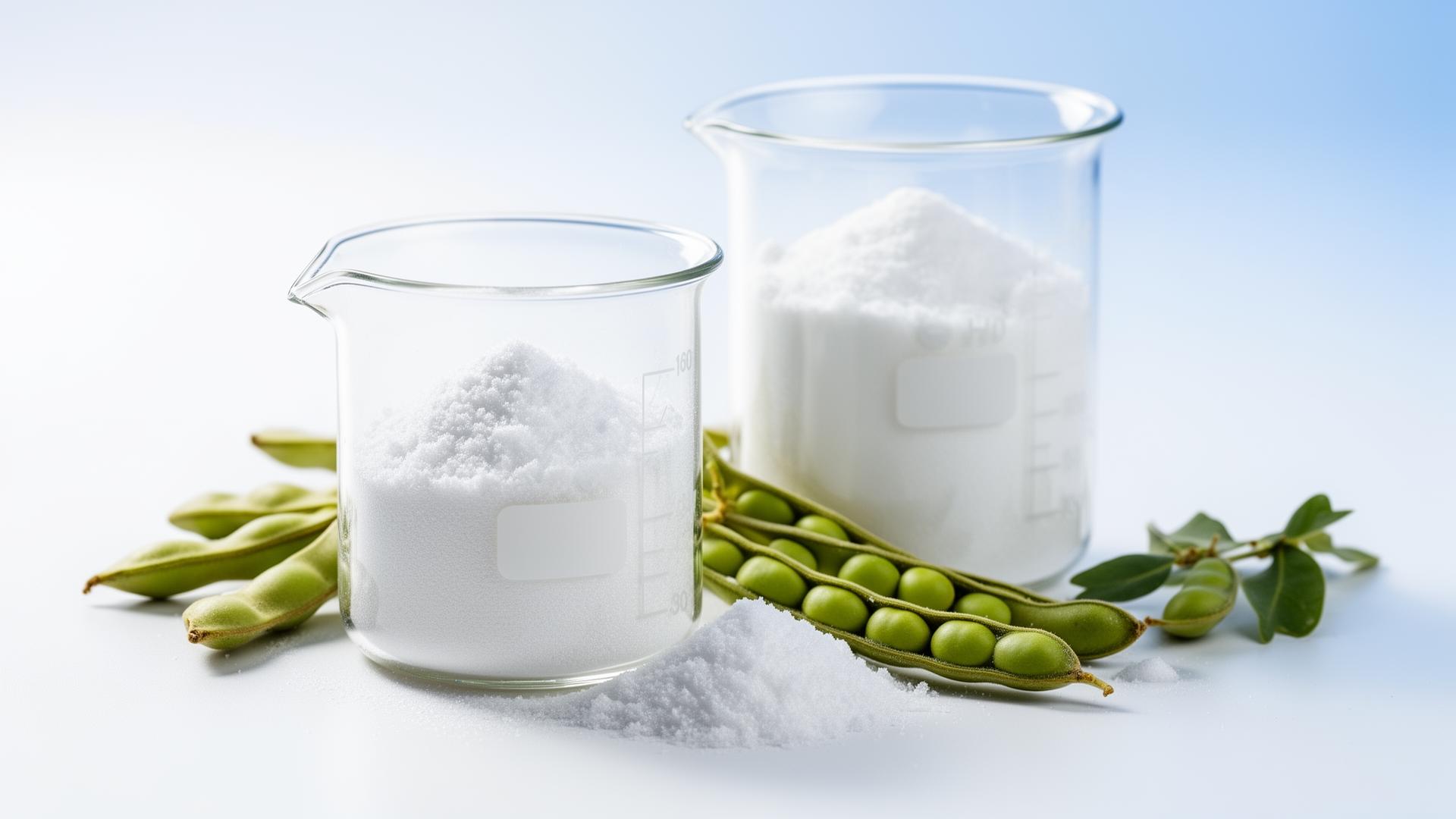
You cannot simply load a syringe with soup or solid chicken breast and expect a 3D printer to build a geometrical masterpiece. The ink must be a meticulously engineered gel. Hydrocolloids — long-chain polymers like guar gum, xanthan gum, and sodium alginate — are the functional backbone of these inks.
When dispersed in water, these ingredients form complex networks that trap liquid, creating a gel-like consistency. In the context of 3D printing, hydrocolloids act as structural modifiers, giving purees and pastes the necessary physical characteristics to survive the mechanical stress of the printing process.
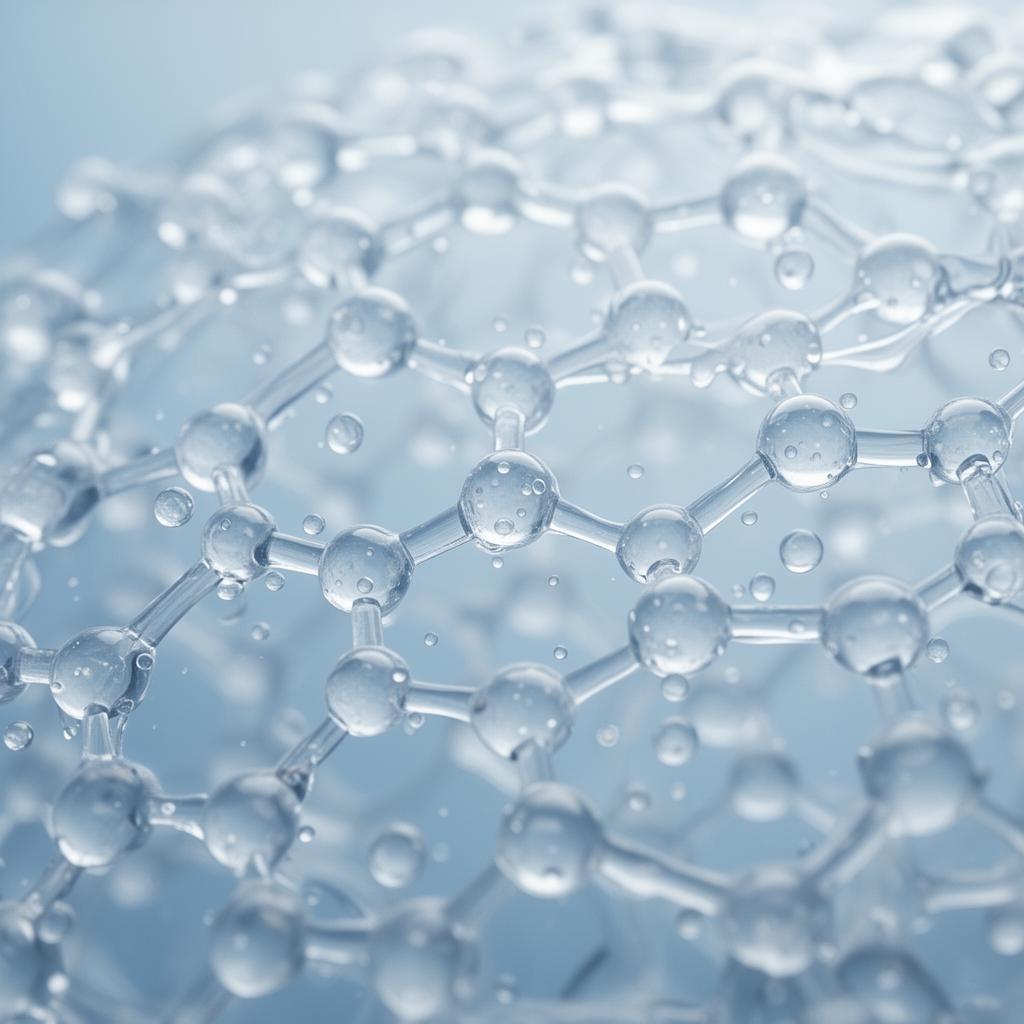 A hydrocolloid gel network: polymer chains interlink to trap water and create the precise viscoelastic structure required for 3D food extrusion.
The Physics of the Print: Yield Stress and Thixotropic Recovery
The success of a 3D-printed meal hinges almost entirely on two critical rheological properties:
Yield Stress (The Initiation of Flow): Inside the printer's cartridge, the food ink must sit idle as a solid, resisting the urge to drip out of the nozzle under the force of gravity. Yield stress is the exact amount of mechanical force (pressure from the extruder) required to break that solid structure and initiate flow. If the yield stress is too low, the ink leaks; if it is too high, the printer jams.
Thixotropic Recovery (The Race Against Gravity): This is perhaps the most crucial metric. When the ink is pushed through the tiny nozzle, it undergoes high shear stress, essentially liquefying it. Thixotropic recovery is the speed at which the ink regains its structural integrity and returns to a solid state after exiting the nozzle. If it recovers too slowly, the weight of subsequent printed layers will cause the design to slump into a puddle. If it recovers too fast, the layers may not adhere to one another, resulting in a brittle print.
The Golden Ratio: Starch-Protein-Hydrocolloid Composites
Finding a single ingredient that perfectly balances yield stress and thixotropic recovery is nearly impossible. Therefore, food scientists rely on complex composites.
Recent research into starch-protein-hydrocolloid composites has yielded breakthrough results. Specifically, blends utilizing κ-carrageenan (a polysaccharide extracted from red edible seaweeds) combined with guar gum consistently demonstrate superior viscoelastic behavior.
In these composites:
- The protein and starch provide the bulk nutritional value and base texture.
- The κ-carrageenan provides a firm, rigid gel structure.
- The guar gum acts as a thickener and plasticizer, preventing the carrageenan from becoming too brittle and ensuring smooth extrusion.
Together, they create a "Goldilocks" ink — one that shear-thins beautifully through the nozzle but snaps back into a weight-bearing structure the millisecond it hits the print bed.
Real-World Applications: From Healthcare to Haute Cuisine
Mastering this "composition–rheology–geometry" relationship opens up incredible possibilities:
1. Geriatric and Clinical Nutrition
For individuals suffering from dysphagia (difficulty swallowing), meals must be pureed to prevent choking. Traditionally, this results in unappetizing, nutrient-diluted slop. By utilizing hydrocolloid-based 3D printing, hospitals and care facilities can take pureed peas, carrots, and proteins and reconstruct them into visually appealing, highly recognizable shapes (like a printed "chicken breast" or "carrot slice") that safely melt in the mouth.
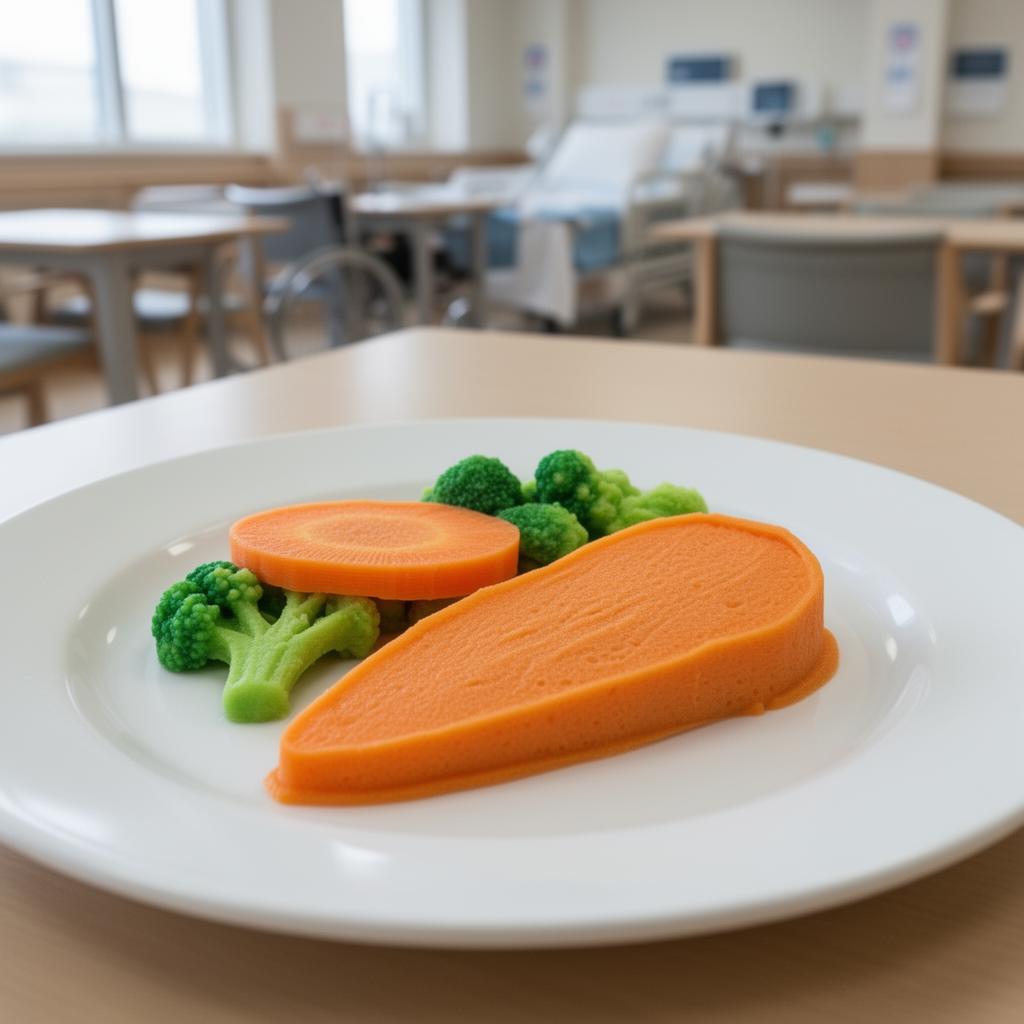 3D-printed reconstructed food for clinical nutrition: pureed ingredients reformed into visually recognizable shapes for dysphagia patients.
2. Culinary Innovation
In high-end gastronomy, chefs are utilizing these optimized inks to fabricate complex, interlocking geometric shapes and delicate structural garnishes that would be physically impossible to create by human hands.
3. Personalized Macronutrient Profiles
Because the inks are assembled from scratch, the exact ratio of proteins, fats, carbohydrates, and added vitamins can be calibrated to a user's specific biometric data or fitness goals before the print even begins.
The Future is Printed
As research into hydrocolloid blends deepens, the operational window for extrusion-based printing will only widen. By understanding the intricate dance between composition (what is in the ink), rheology (how it flows), and geometry (how it holds its shape), the food industry is on the cusp of a revolution where the shape, texture, and nutritional profile of our meals are limited only by our imagination.