The Impact of 2026 Global Tariffs on the Guar Gum Supply Chain
An in-depth analysis of how shifting geopolitical policies, reciprocal tariffs, and rising logistical costs are reshaping the global guar gum trade in 2026.
Last updated:

The international trade of guar gum is currently facing significant headwinds. Long relied upon as a highly stable and natural viscosifier, guar gum is suddenly caught in the crosshairs of shifting geopolitical policies, reciprocal tariffs, and rising logistical costs. For professional buyers, procurement managers, and importers in the oil & gas and food sectors, navigating this new landscape requires a deep understanding of the global supply chain and proactive risk management.
Research Overview
This article examines the cascading effects of the 2026 tariff landscape on the guar gum industry from India's dominant production base through volatile shipping lanes to end-user markets in North America and Europe. We analyze current market data, historical precedents, and actionable mitigation strategies that procurement teams can deploy immediately to secure their supply chains.
The Foundation of the Supply Chain: India's Near-Monopoly
To understand the impact of the 2026 tariffs, one must first look at where guar gum comes from. India is the undisputed global leader, producing approximately 80% of the world's guar seed, followed by Pakistan at roughly 15%. The arid and semi-arid regions of Rajasthan alone account for over 64% of India's total production.

Historically, nearly 75 to 80% of the guar gum and derivatives produced in India are exported, with the United States, China, and European countries acting as the primary buyers. The US oil and gas industry, in particular, has driven massive demand due to its reliance on fast hydrating guar gum for hydraulic fracturing (fracking). Because the supply chain is heavily concentrated in a single geographic region, any trade barriers erected between India and its largest buyers have immediate, global ripple effects.
The 2026 Tariff Shock and Logistical Hurdles
Recent geopolitical shifts have brought unprecedented challenges to this established trade route. The United States has considered imposing tariffs on Indian guar exports ranging from 10% to 50%, heavily dependent on shipment dates and broader geopolitical alignments.
For importers, these tariffs are compounded by a highly volatile shipping environment. Key challenges include:
- Fluctuating ocean freight rates with projections indicating significant cost increases for Chinese-owned vessels by 2028
- Re-evaluation of long-term sourcing strategies as buyers are forced to rethink their entire procurement approach
- Limited alternative origins while Australia, China, and the US have attempted to encourage local guar cultivation, India's established processing infrastructure and ideal agro-climatic conditions mean importers cannot easily pivot overnight
Therefore, understanding and absorbing these new logistical and tariff costs has become just as critical as analyzing the technical specifications of the guar powder itself.
Market Status: The Calm Increase of Early 2026
Despite the looming threats of tariffs and freight hikes, the US import market has shown surprising resilience. After a highly volatile final quarter in 2025, early 2026 has witnessed a calm increase of 0.73% in import activity.
This stabilization suggests that buyers are adjusting to more predictable, albeit more expensive, trade conditions. The guar market is no stranger to wild volatility; for instance, unprecedented demand and speculation in 2012 drove prices so high that the Forward Markets Commission (FMC) of India had to suspend futures trading entirely. The current market's measured response indicates that importers are prioritizing supply security over short-term price panic.
Strategies for Mitigation: Tracking and Buffering
How can stakeholders protect their operations from these geopolitical and logistical disruptions?
- Track Logistics Indicators Closely: Procurement teams must monitor not just the spot price of guar splits at Indian APMC (Agricultural Produce Market Committee) markets, but also global shipping indices and tariff policy announcements.
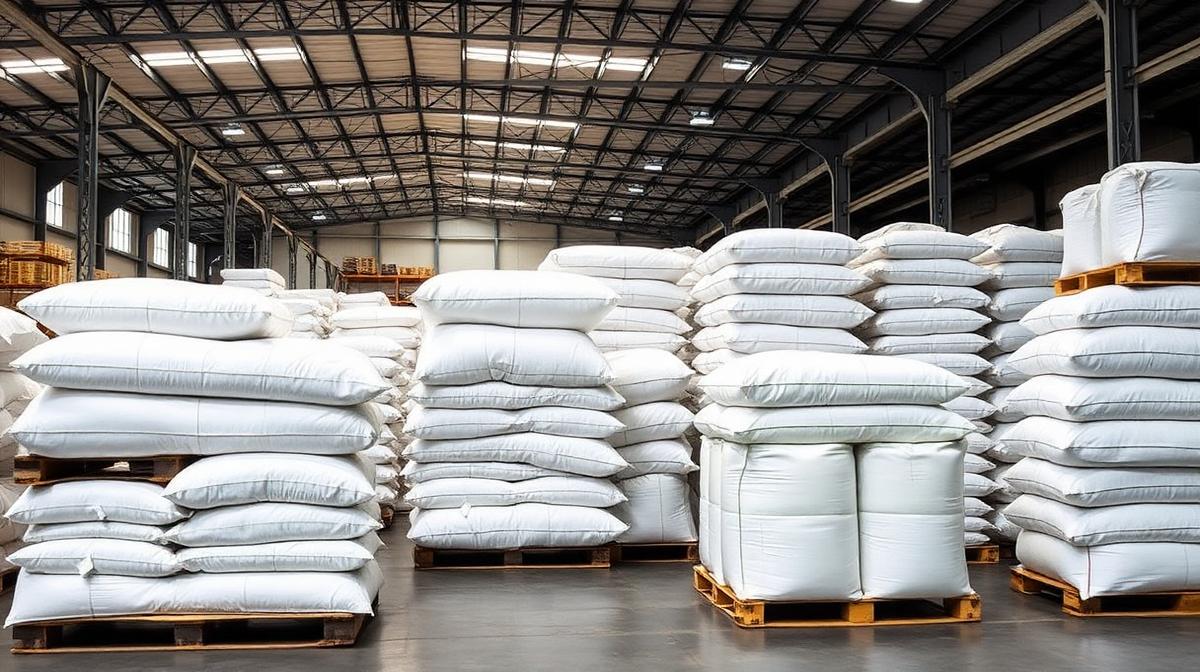
- Maintain Buffer Stocks: Fortunately, the biological nature of guar lends itself perfectly to stockpiling. Guar seeds are exceptionally hardy and can be stored easily under normal conditions for three to five years without any significant loss of quality or threat from pests. Processed guar gum powder also boasts an excellent shelf life when kept in a cool, dry environment.
By leveraging guar's long shelf life to maintain robust buffer stocks, manufacturers and drilling operators can successfully insulate themselves against sudden supply disruptions, ensuring that their operations continue running smoothly even as the geopolitical landscape shifts around them.