How is Guar Gum manufactured step by step?
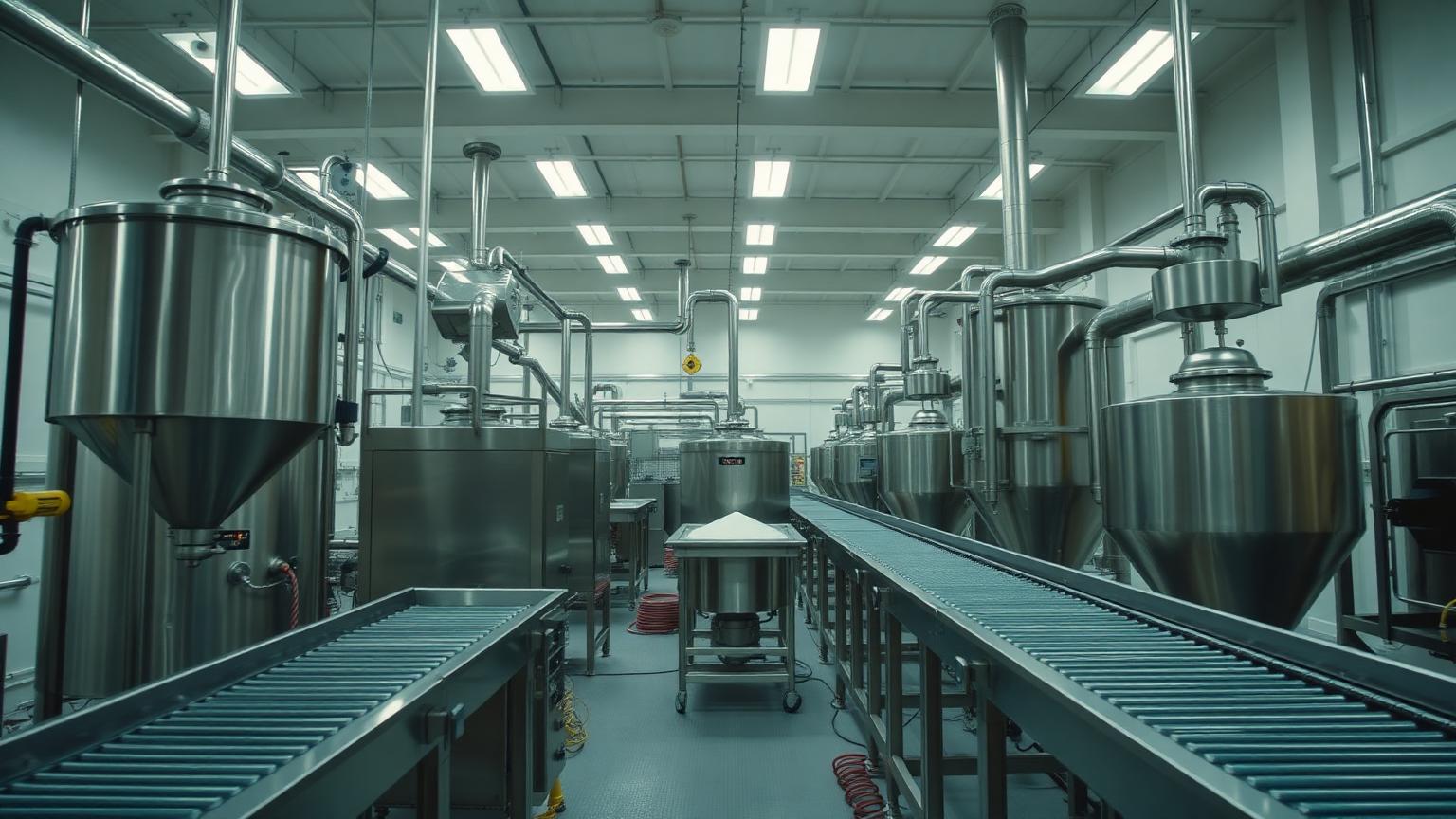
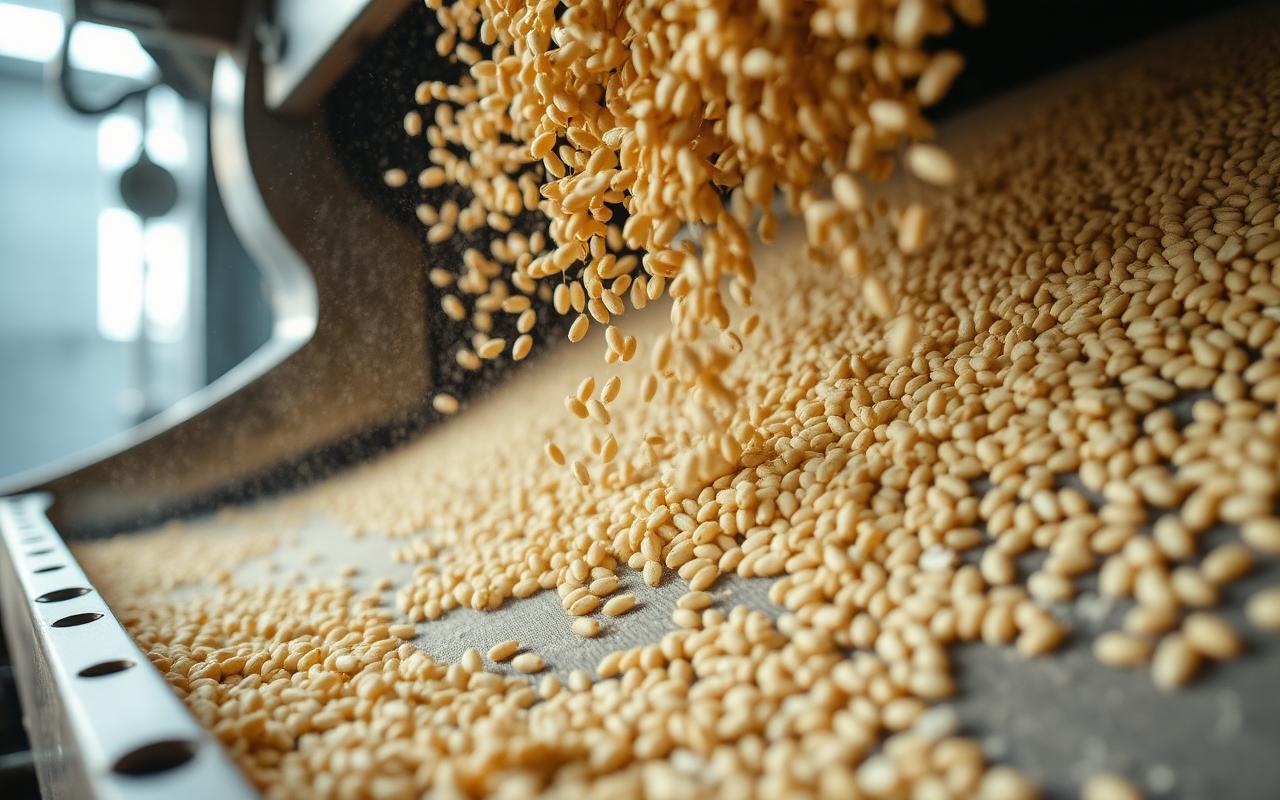
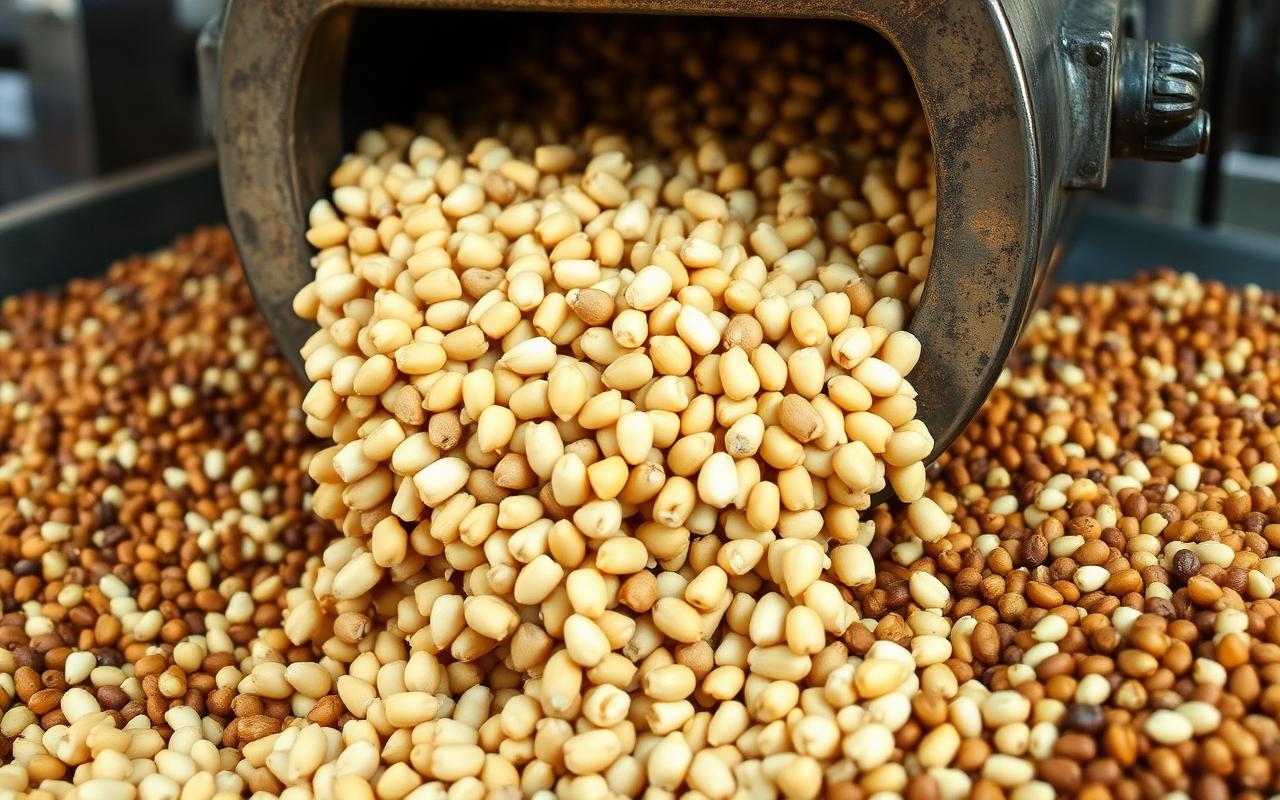
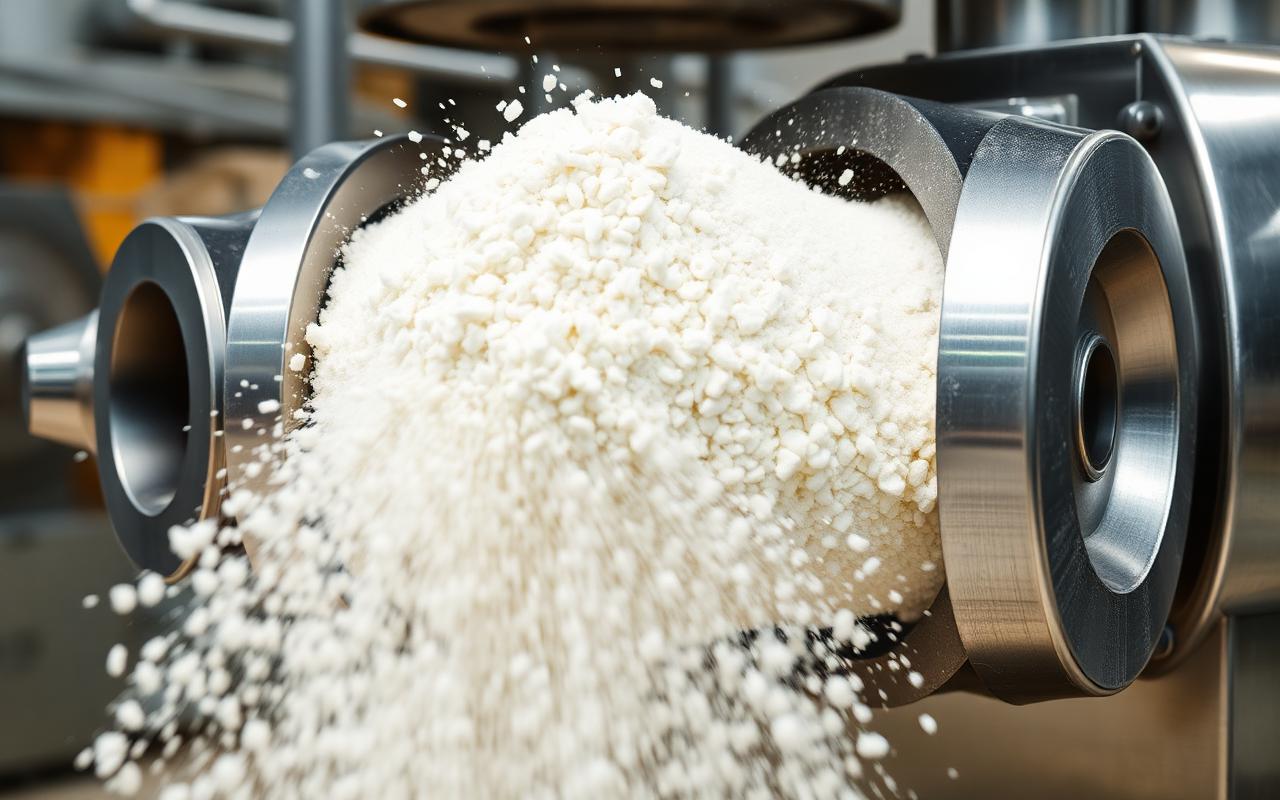
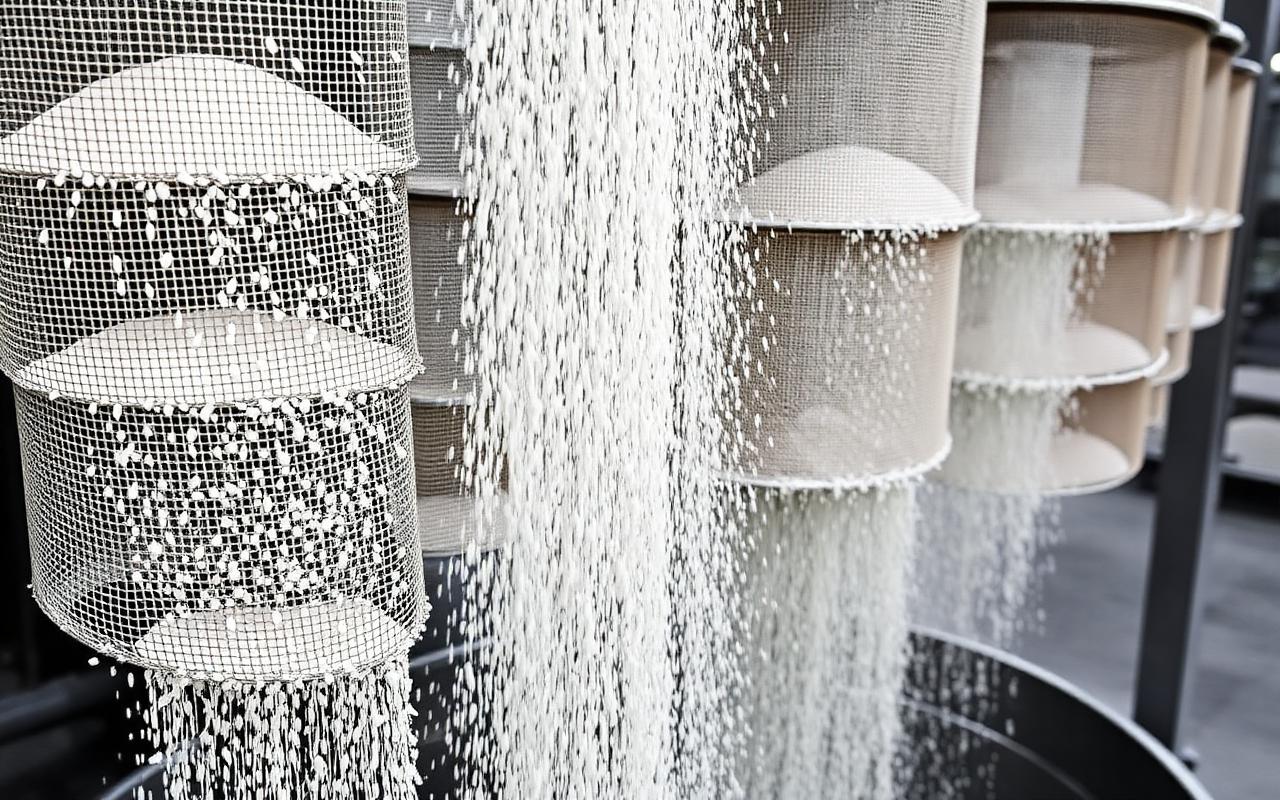
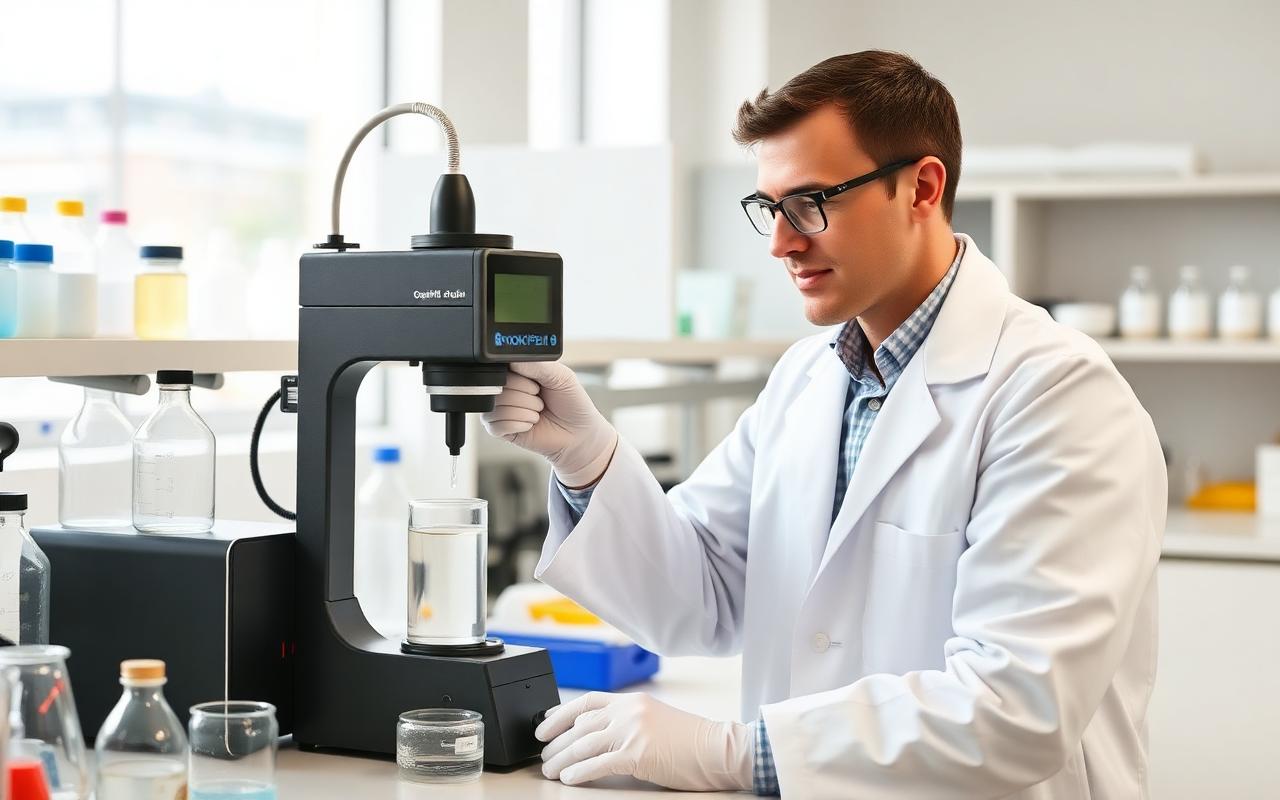
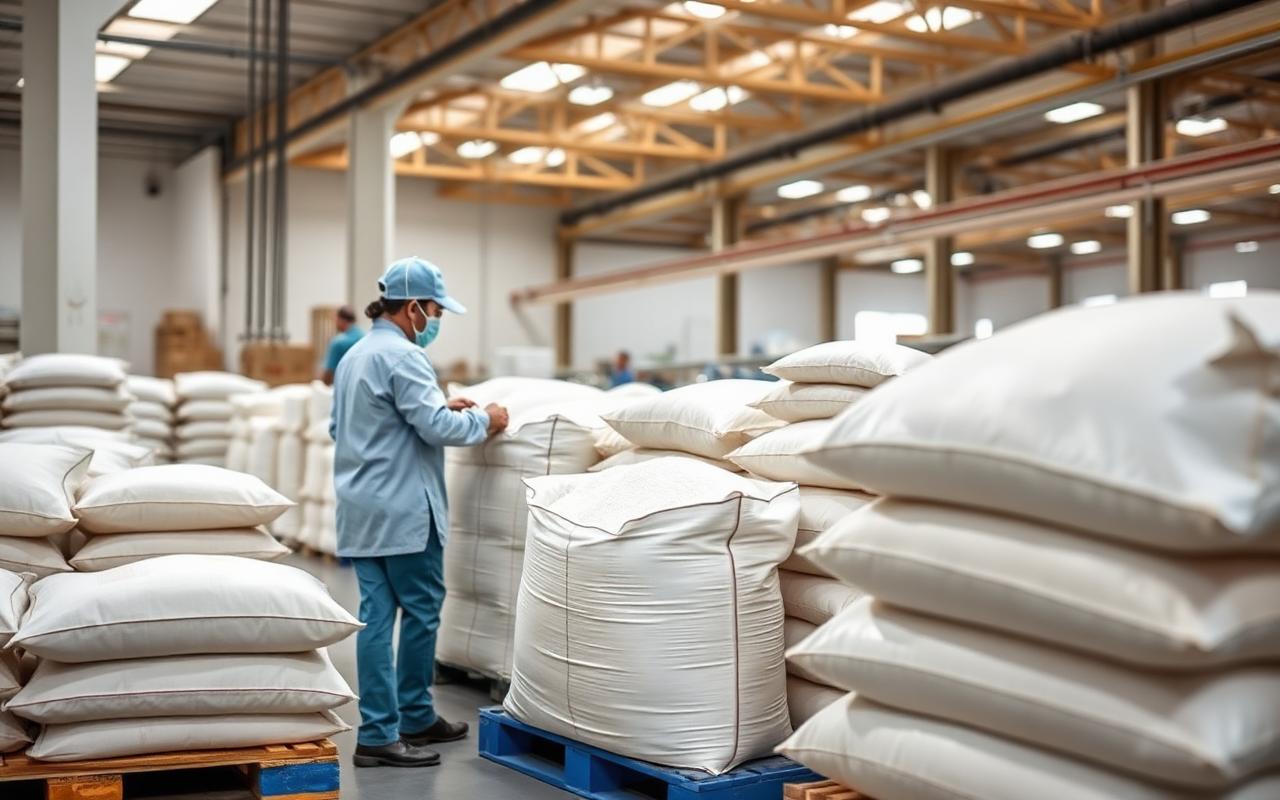
Guar Gum is manufactured in a 6-step process: (1) guar seeds are cleaned and sorted, (2) dehusked to separate hull and germ from the endosperm, (3) endosperm splits are ground into fine powder under temperature control, (4) screened and graded by mesh size (100–400), (5) quality tested for viscosity, moisture, ash, protein and microbiology, (6) packaged and dispatched. The entire process is performed at controlled temperatures (<70 °C) to preserve galactomannan integrity and high viscosity.
Where do guar seeds come from?
Over 80% of the world's guar seeds come from India, primarily Rajasthan (70%), Gujarat (15%), and Haryana (10%). Pakistan, the USA (Texas), and parts of Africa also cultivate guar. India produces approximately 3–4 million tonnes of guar seeds annually. B.D. Guar sources directly from contract farmers in Gujarat and Rajasthan, eliminating middlemen and ensuring traceability from farm to bag.
What are guar splits and how are they different from guar powder?
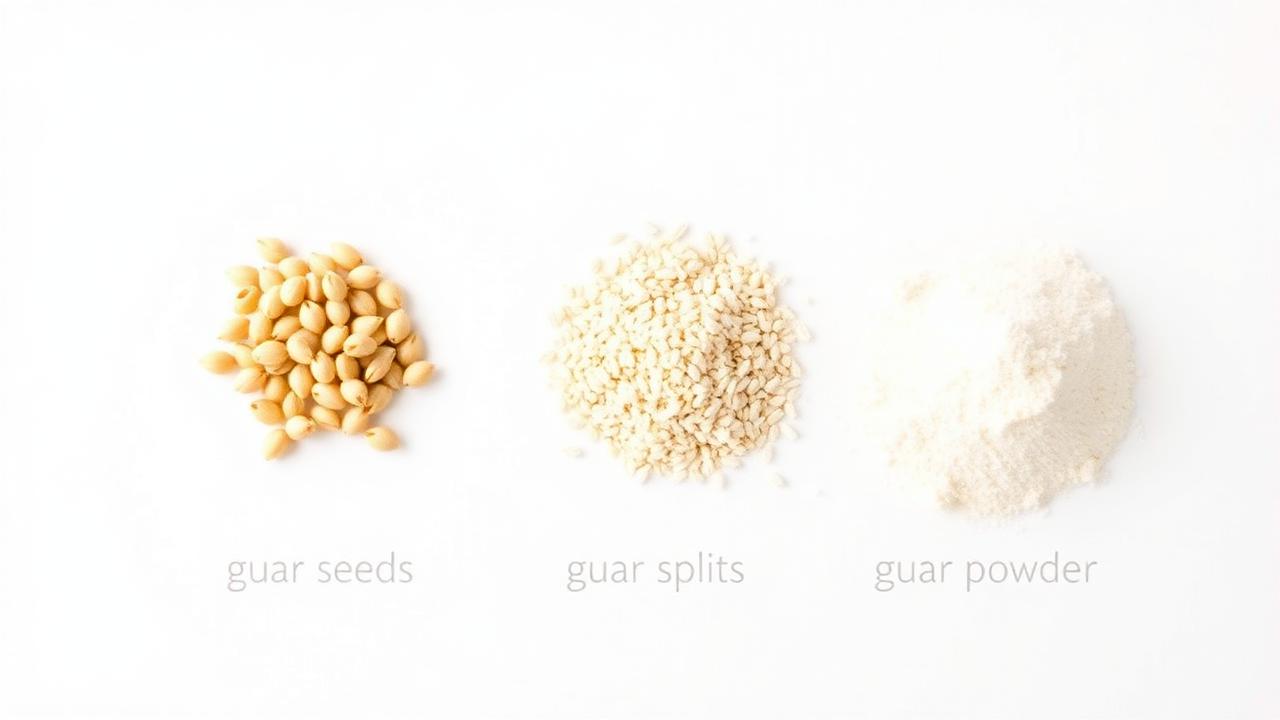
Guar splits are the refined endosperm halves obtained after dehusking guar seeds — the intermediate raw material between whole seeds and finished Guar Gum powder. Splits contain 78–85% galactomannan, are traded internationally as a commodity, and are then milled into 100–400 mesh Guar Gum powder for end-use applications in food, oil drilling, textile, paper, and personal care.
What is the difference between guar gum and guar gum powder?
Guar Gum refers to the galactomannan polysaccharide extracted from the endosperm of the guar bean (Cyamopsis tetragonoloba). Guar Gum powder is the commercial form — a fine, off-white free-flowing powder available in 100, 200, 300, or 400 mesh and viscosities from 2,000 cps to 6,000+ cps. Guar splits, flakes, and powder are all forms of guar gum at different processing stages.
What is the production capacity of B.D. Guar?
B.D. Guar Pvt. Ltd. operates with an annual production capacity of 12,000 metric tonnes of Guar Gum powder. The ISO 9001:2015 and ISO 22000 certified manufacturing facility is located at Plot No. 11/B, G.I.D.C., Kalol, Gujarat 382725, India, and has been in continuous operation since 1983 — exporting to 50+ countries.
How long does Guar Gum manufacturing take?
The complete manufacturing cycle from raw seeds to finished, packed powder takes approximately 8–12 hours per batch: cleaning (1–2 hrs), dehusking & splitting (2–3 hrs), milling (1–2 hrs), screening (1 hr), and quality testing (2–4 hrs). Packaging and dispatch add additional time based on order size and shipping mode.
Why is temperature control important during Guar Gum milling?
Galactomannan is a temperature-sensitive long-chain polymer. If milling temperatures exceed ~80 °C, the polymer depolymerizes and viscosity drops irreversibly. B.D. Guar uses jacketed mills and air-classification to hold product temperature below 70 °C, which preserves the high molecular weight responsible for premium viscosity, hydration rate, and yield.
Is B.D. Guar's manufacturing process ETO-free and food-safe?
Yes. Our entire Guar Gum manufacturing line is 100% ETO-free (no ethylene oxide sterilisation), fully compliant with EU Reg. (EC) 1333/2008 for E412, FSSAI, FDA, Halal, and Kosher requirements. We use steam-based microbial reduction where required and validate every batch against EU, US, and Japanese residue limits.