Tobacco Reconstitution: How Guar Gum Supports Industry Efficiency
Discover how Guar Gum transforms broken tobacco leaves and dust into resilient, tear-resistant reconstituted sheets while optimizing yield, strength, and moisture control.
Last updated:
As the 2026 global manufacturing landscape places unprecedented emphasis on yield optimization and waste reduction, tobacco reconstitution with Guar Gum has become a critical operational priority for processing facilities worldwide. Modern tobacco handling inevitably generates significant volumes of broken leaves and fine dust. Rather than discarding this valuable agricultural material, engineers reconstitute it into continuous, usable sheets. By leveraging the extraordinary binding capacity of Superior galactomannan polymers, manufacturers engineer resilient tobacco sheets that withstand high-speed mechanical processing without tearing, maximizing resource efficiency, ensuring flawless moisture retention, and elevating overall product consistency.
Research Overview
The global tobacco industry in 2026 faces intense economic pressure to minimize raw material waste while maintaining exacting standards for the final consumer product. During the curing, threshing, and handling of tobacco leaves, a substantial percentage of the biomass is mechanically degraded into small fragments and dust. To recover this immense economic value, tobacco engineers use a highly technical process known as reconstitution, in which the broken leaves and dust are slurried in a specialized aqueous medium and subsequently cast or extruded into a continuous, paper-like sheet.
Because the natural cellular structure and interlocking fibers of the leaf have been completely pulverized, the reconstituted sheet lacks inherent structural integrity. Without advanced chemical intervention, the dried sheet is extremely brittle, highly susceptible to tearing, and incapable of surviving the intense mechanical forces of high-speed shredding and rolling machinery. Guar Gum, working alongside carboxymethyl cellulose, resolves this critical structural deficit and converts fragmented waste into a durable, process-ready raw material. For a broader view of available Guar Gum grades, see our product range.
The Molecular Architecture of a Superior Binding Agent
The ability of Guar Gum to act as a resilient binder in tobacco reconstitution is directly attributable to its highly specialized molecular architecture. Understanding this physical chemistry is an absolute necessity for tobacco engineers seeking to optimize slurry rheology and sheet formation.
- Galactomannan backbone: Chemically, Guar Gum is a non-ionic, high-molecular-weight heteropolysaccharide. Its primary backbone consists of a massive linear chain of beta-1,4-linked D-mannopyranose sugar units, with pendant side branches of alpha-1,6-linked D-galactopyranose units attached to the flexible mannose backbone.
- Optimal branching density: Guar Gum possesses a mannose-to-galactose (M:G) ratio of approximately 2:1. Industry studies indicate that this specific ratio sterically prevents the polymer chains from tightly packing together into insoluble crystalline regions, allowing water molecules to rapidly penetrate the network for complete, uniform hydration at ambient processing temperatures.
- Massive hydrodynamic volume: With a molecular weight frequently exceeding 2,000,000 Daltons and an extremely high density of reactive hydroxyl groups, Guar Gum engages in intense intermolecular hydrogen bonding with both the surrounding water and the cellulosic fibers of the pulverized tobacco dust.
- Film-forming capability: As the polymer chains hydrate, expand, and intertwine through superentanglement, they create a dense three-dimensional pseudo-gel matrix. During drying, this matrix condenses into a tough, transparent film that physically encapsulates the tobacco particles, bridging microscopic gaps between the dust fragments and locking them into a unified, continuous sheet.
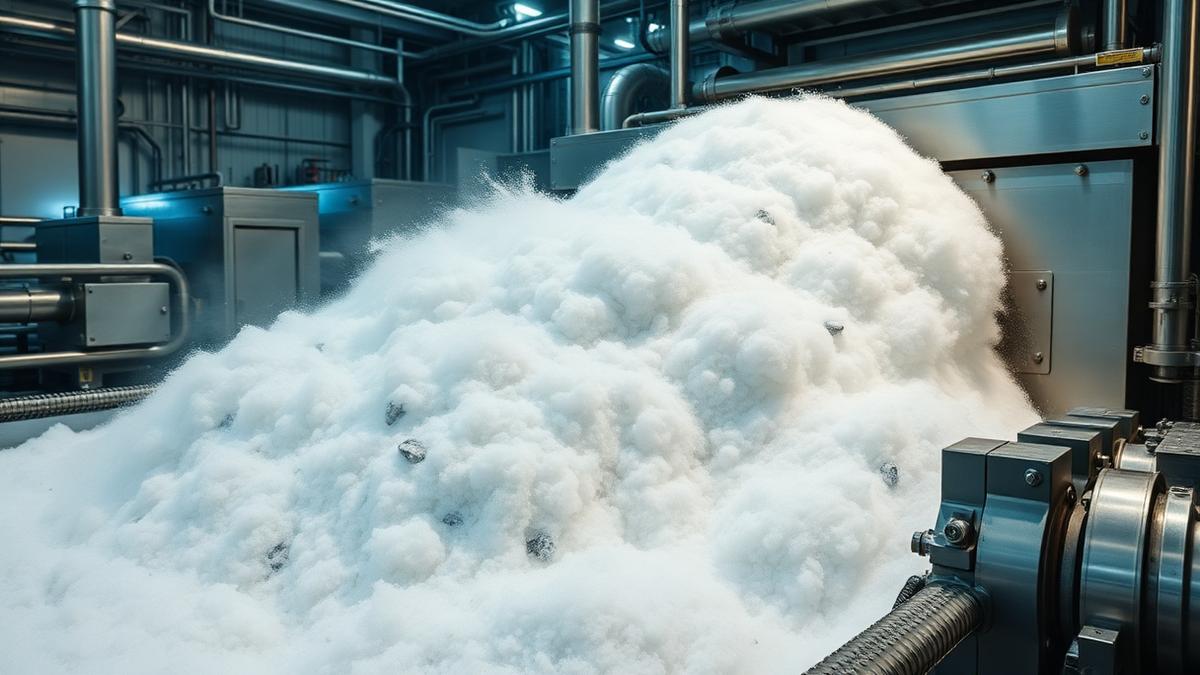
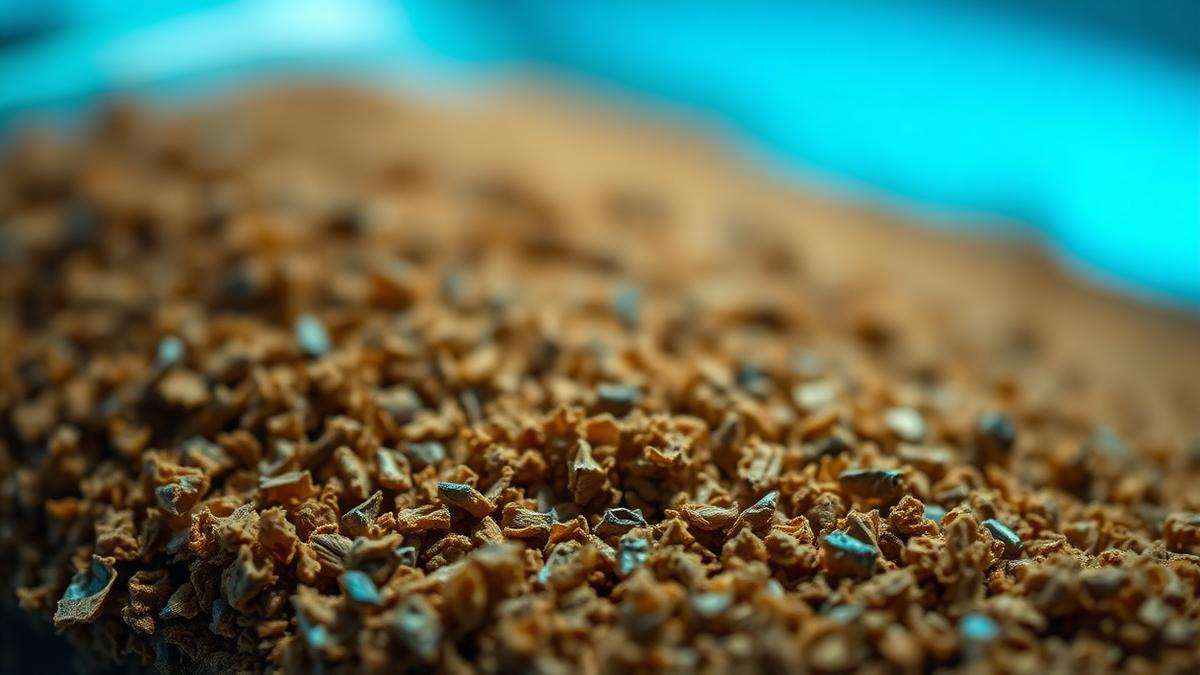 Superior Guar Gum galactomannan forms a continuous binding film that locks pulverized tobacco particles into a resilient sheet.
Synergistic Blending with Carboxymethyl Cellulose (CMC)
While native Guar Gum provides exceptional water-binding capability and initial viscosity, formulating the ultimate Superior reconstituted tobacco sheet often requires leveraging synergistic hydrocolloid relationships. In modern 2026 reconstitution facilities, engineers rarely utilize a single binder; instead, they rely on the powerful chemical synergy between Guar Gum and carboxymethyl cellulose.
- Complementary polymeric structures: CMC is an anionic, water-soluble derivative of cellulose. Although it provides excellent thickening, its rigid, linear structure can lead to a brittle film in isolation. The flexible, branched galactomannan chains of Guar Gum interact intimately with the cellulosic backbone of CMC.
- The reaction product: In the reconstitution of fragmental tobacco, the reaction product of carboxymethyl cellulose and Guar Gum serves as the ultimate binding and strengthening agent, generating rigid three-dimensional intermolecular junction zones with a combined binding strength exponentially greater than either hydrocolloid alone.
- Rheological control during casting: The slurry must exhibit pseudoplastic, shear-thinning flow to spread uniformly under pressure, yet instantly recover its viscosity to prevent heavy tobacco particles from settling before the sheet dries. The Guar Gum and CMC blend provides absolute rheological control for a homogenous distribution of tobacco mass across the full width of the sheet.
- Cost-effective formulation: Because the synergistic blend produces such high yield stress and structural integrity, engineers can significantly lower the total volume of binder required, optimizing raw material costs while delivering flawless mechanical performance.
Formulators weighing hydrocolloid choices can compare functional profiles in our Guar Gum vs. xanthan gum guide.
Enhancing Tensile Strength and Preventing Sheet Tearing
The primary mechanical challenge in tobacco reconstitution is ensuring the dried sheet can survive the brutal physical forces of the downstream manufacturing process. If the sheet lacks adequate tensile strength, it will tear, snap, or crumble as it is pulled through the high-speed rollers, cutters, and shredders of a modern 2026 tobacco facility, leading to unacceptable machinery downtime and wasted material.
- Absorbing mechanical stress: Because the galactomannan chains are highly extended and flexible, they act as microscopic shock absorbers within the tobacco matrix, stretching under tension and distributing the mechanical load across a wider area to actively prevent localized stress fractures and tearing.
- Increasing folding endurance: Reconstituted sheets are often folded, blended with whole leaves, and tightly packed. The plasticizing Guar Gum network significantly improves folding endurance, maintaining its grip on tobacco particles even when bent at sharp angles so sheets do not snap along fold lines.
- Reducing dust generation during cutting: After the continuous sheet is formed and dried, it is passed through high-speed rotary cutters. The robust Guar Gum and CMC matrix cleanly resists the blades, producing sharply defined, uniform strips with absolutely minimal secondary dust generation.
- Maintaining operational throughput: By eliminating sheet tearing and dust-induced machinery fouling, the Guar Gum binder system allows engineers to run processing lines at maximum designed speed, directly enhancing throughput and improving overall equipment effectiveness (OEE).
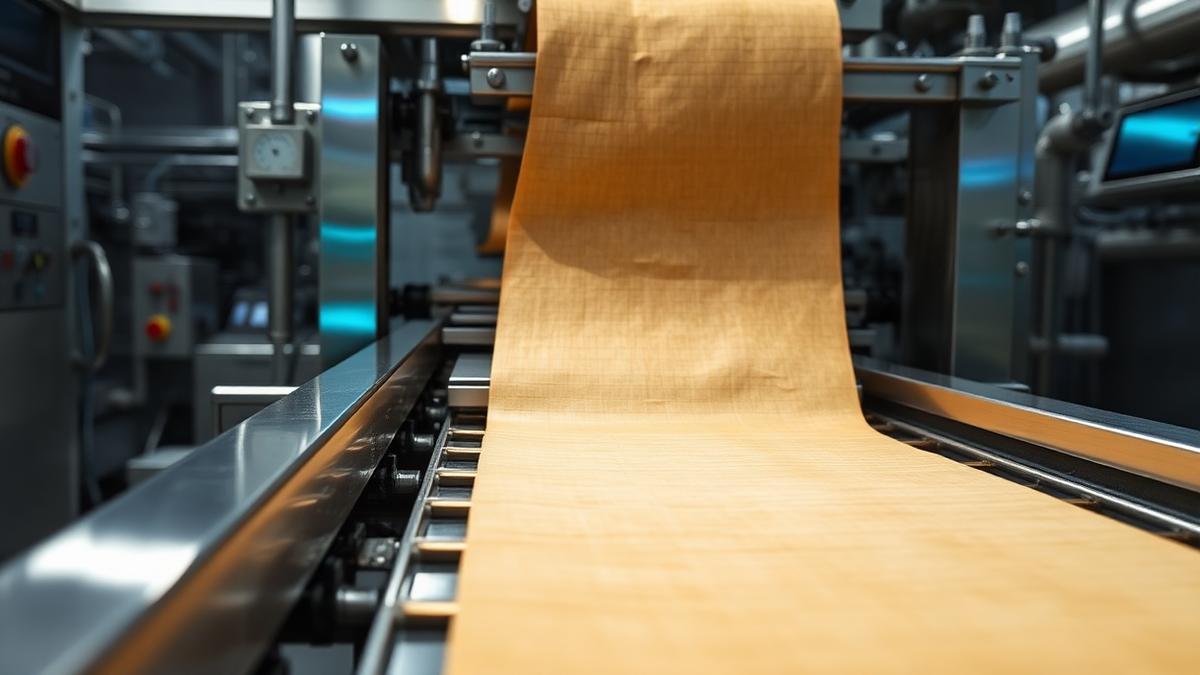
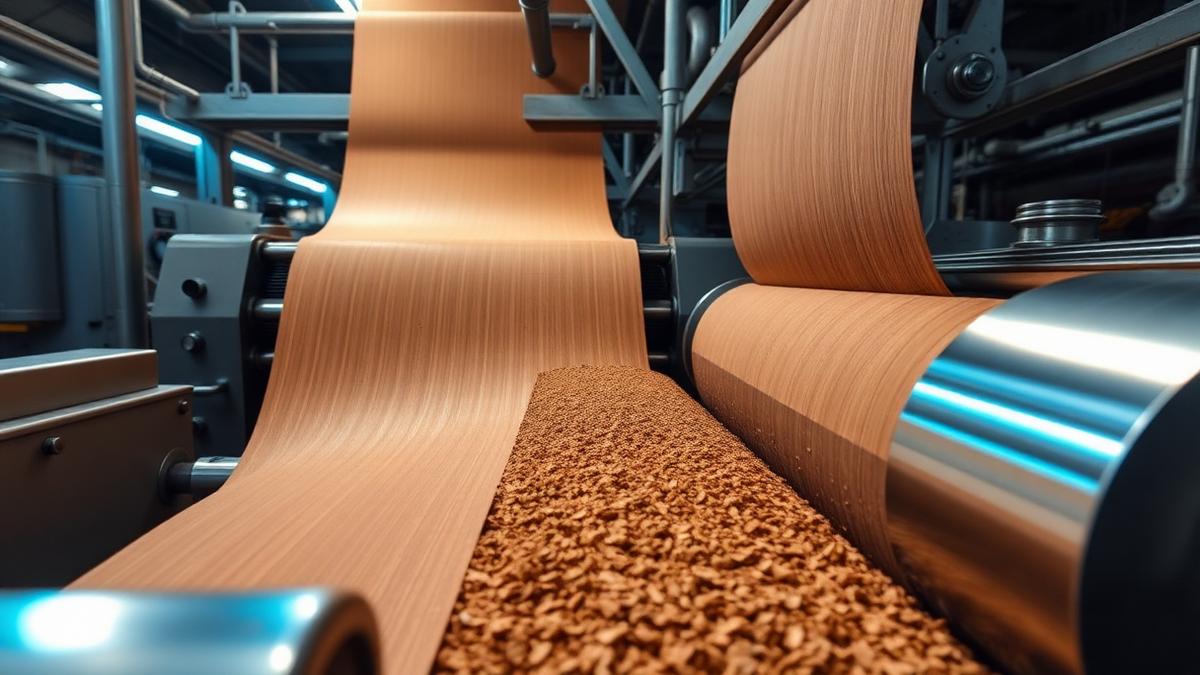 Reconstituted tobacco sheets bound with Guar Gum withstand high-speed rollers and cutters without tearing.
Absolute Moisture Retention for Optimal Processing
Beyond purely mechanical strength, the physical quality of a reconstituted tobacco sheet is heavily dependent on its internal moisture content. Tobacco that is too dry becomes harsh, brittle, and unworkable, while tobacco that is too wet presents severe risks of microbial spoilage. Guar Gum acts as the ultimate moisture-management tool in the tobacco industry.
- Thermodynamic water immobilization: The exceedingly high density of hydroxyl groups along the polymer chain drives intense hydrogen bonding with water. Research published in J. Food Sci. and related industrial literature highlights how this massive water-binding capacity immobilizes free water, permanently trapping a highly specific volume of moisture within the reconstituted sheet.
- Preventing desiccation: The tobacco industry utilizes Guar Gum specifically because it acts as a better moisture-retention agent than other natural or synthetic gums. It significantly lowers the vapor pressure of the trapped water, actively preventing desiccation and ensuring the reconstituted tobacco remains pliable and supple for months.
- Resilience to thermal processing: During final drying over heated cylinders, synthetic binders can break down and release bound water. Superior-grade Guar Gum boasts robust glycosidic bonds that withstand the drying process, ensuring the final sheet retains exactly the targeted percentage of residual moisture required for flawless downstream shredding.
- Enhancing the end-user experience: Appropriate moisture levels ensure a smooth, even burn rate and prevent the tobacco from combusting too rapidly or too hot, indirectly preserving the physical burning qualities of the final manufactured product.
The 2026 Economic and Sustainable Manufacturing Landscape
The strategic deployment of Guar Gum in tobacco reconstitution is deeply intertwined with the harsh macroeconomic realities and sustainability mandates governing the global manufacturing sector in 2026. As profit margins constrict and raw material costs inflate, procurement engineers prioritize additives that deliver holistic operational efficiency.
- Maximizing resource yield: Cultivating and curing high-quality tobacco is an exceptionally resource-intensive agricultural process, so losing a massive percentage of the crop as unprocessable dust represents a severe financial loss. A highly effective Guar Gum binding system recovers virtually all of this byproduct, converting waste dust into Superior usable volume.
- Supply chain elasticity: Petroleum-derived synthetic binders are subject to extreme price volatility, whereas Guar Gum is derived from a drought-resistant crop extensively cultivated in the semi-arid regions of India. A highly mechanized agrarian infrastructure ensures a vast, predictable, and economically stable supply of base polymer.
- Eco-friendly and biodegradable: With global agencies enacting severe restrictions on environmental impact, non-biodegradable synthetics present a major compliance liability. As a 100% natural, plant-based galactomannan, Guar Gum is entirely biodegradable and helps manufacturers align with stringent international environmental mandates.
- Optimizing total cost-in-use: Because Guar Gum possesses such an immense hydrodynamic volume and powerful binding capacity, it requires exceptionally low inclusion rates, drastically lowering overall recipe formulation costs compared with inferior starches or synthetic chemical binders.
Learn how responsible cultivation underpins this supply in our sustainability commitments and quality assurance overview.
Key Takeaways
- Waste recovery optimization: Reconstitution allows manufacturers to recover broken leaves and dust, converting discarded agricultural waste into a highly profitable, continuous sheet format.
- Superior mechanical binding: Guar Gum's massive, highly branched galactomannan chains form a tough, flexible film that encapsulates tobacco particles and drastically enhances tensile strength while preventing tearing.
- Synergistic polymer networks: The reaction product of carboxymethyl cellulose and Guar Gum creates rigid junction zones that serve as the ultimate binding and strengthening agent for the tobacco matrix.
- Unmatched moisture retention: Guar Gum acts as a better moisture-retention agent than other gums, keeping reconstituted sheets pliable and workable during extended storage.
- Sustainable and cost-effective: As a 100% natural, biodegradable agricultural extract used at low inclusion rates, Guar Gum lowers total formulation costs in the highly regulated 2026 market.
Frequently Asked Questions
Why is a binding agent required for reconstituted tobacco?
When tobacco leaves are broken down into dust and fragments during processing, the natural cellular structure that holds the leaf together is completely destroyed. If this dust is simply wetted and dried into a sheet, it will be incredibly fragile and crumble instantly. A Superior binding agent like Guar Gum is required to act as a molecular glue, locking the particles together so the sheet can survive the harsh physical forces of modern manufacturing machinery without tearing.
How does Guar Gum interact with CMC in this process?
Guar Gum and carboxymethyl cellulose (CMC) have complementary molecular structures. When mixed in a tobacco slurry, the flexible galactomannan chains of the Guar Gum physically intertwine with the rigid cellulosic chains of the CMC. This synergistic reaction creates a hybrid polymer network that is vastly stronger and more resilient than what either gum could achieve alone, serving as an exceptional strengthening agent.
How does Guar Gum improve the moisture content of the tobacco?
Guar Gum is a highly hydrophilic polymer whose structure contains a massive number of hydroxyl groups that form powerful hydrogen bonds with water molecules. When added to the tobacco sheet, it permanently traps a specific volume of moisture and prevents that water from evaporating into the air, ensuring the tobacco remains soft, pliable, and easy to cut rather than turning dry and brittle.
Is Guar Gum a sustainable choice for industrial manufacturing in 2026?
Yes. Guar Gum is an agriculturally renewable, 100% natural plant extract derived from the seeds of the guar bean. It contains no synthetic chemicals or petroleum derivatives and is completely biodegradable. Utilizing Guar Gum allows industrial manufacturers to achieve Superior mechanical performance while easily complying with strict global environmental and clean-chemistry regulations.
To master the precise rheology, absolute mechanical strength, and perfect moisture retention required for your advanced reconstitution operations, partner with the industry experts. B.D. Guar Pvt. Ltd. provides expertly milled, Superior-grade Guar Gum hydrocolloids engineered specifically for maximum hydration, unparalleled binding capacity, and robust industrial resilience. Contact our technical team to safeguard your product quality, eliminate machinery downtime, and elevate your manufacturing efficiency, or explore the full Guar Gum product line to get started.